
Pull the boat before the first hard frost
Written by John Wren|
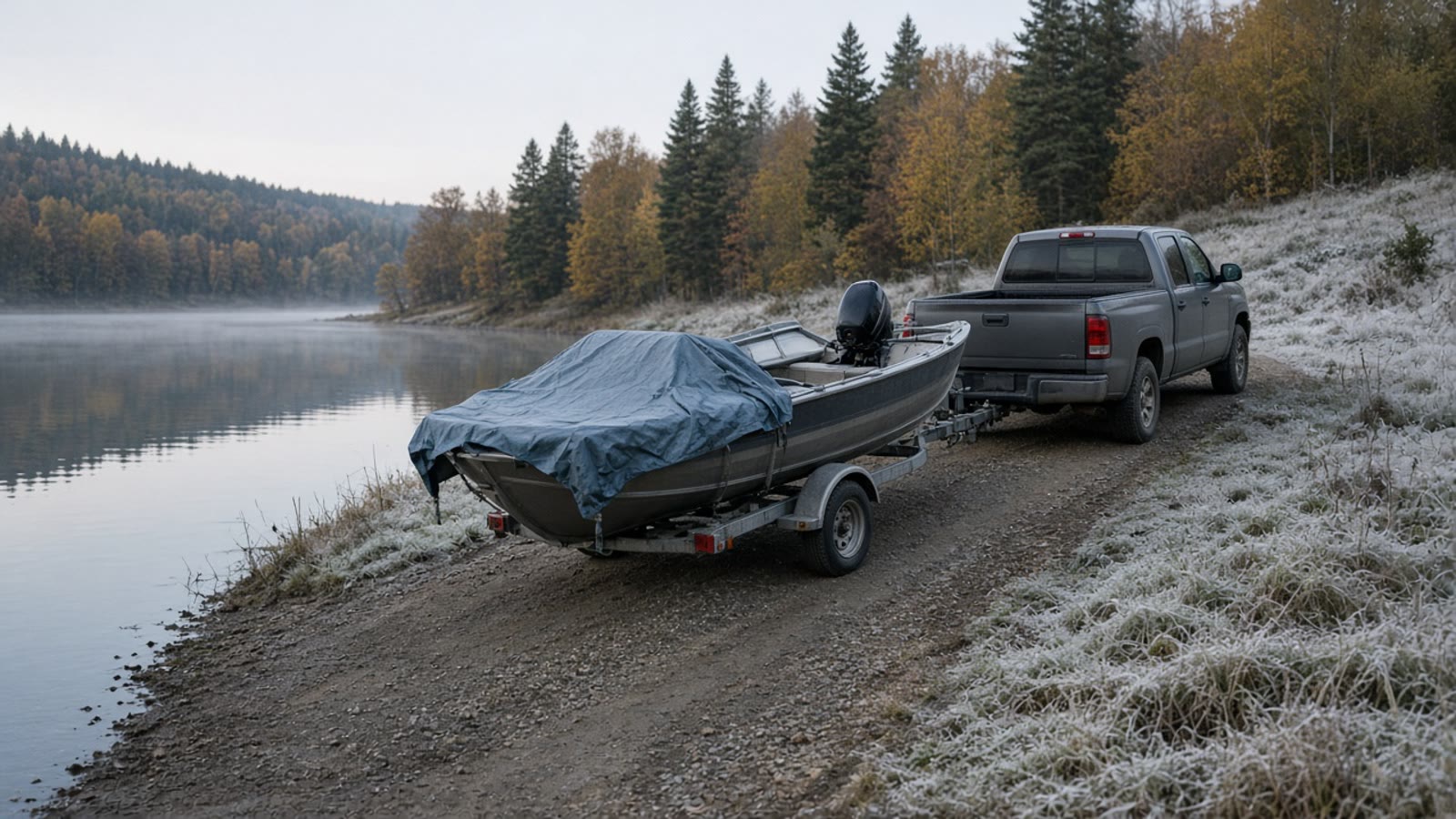
Add STA-BIL 360 Marine and run it through, charge the battery on a NOCO maintainer, confirm voltage with a meter, gauge the trailer tires, and cable-lock what stays at the lot. A motor you have never winterized stays a yard job.
Key takeaways
- A hull in the driveway beats a hull in the water on a 26-degree night.
- Treat fuel and run it through the bowls.
- The battery goes home.
- Trailer tires and lights are the highway.
Pulling the boat before the first hard frost is a fuel you treat, a battery you take home, and a trailer you still trust at highway speed — not a hope that a 28-degree night will be kind to a block. The short answer: treat the fuel, charge and store the battery, check trailer tires and lights, and lock what you leave at the lot.
Short version. Old fuel is the longer lecture. Battery life is the electrical sibling. Pair with trailer habits. Check live prices. A cracked block is a dealer conversation, not a listing.
This is a field note, not a yard-winterization course. A hard frost is the night the water in a neglected block, a raw-water pump, or a livewell line becomes ice. Southern lakes still see a first frost. Northern lakes see it earlier. The date on the app is not the date on your hull. Pull when the nights start to threaten, not the morning after the marina posts a photo of a frozen ramp.
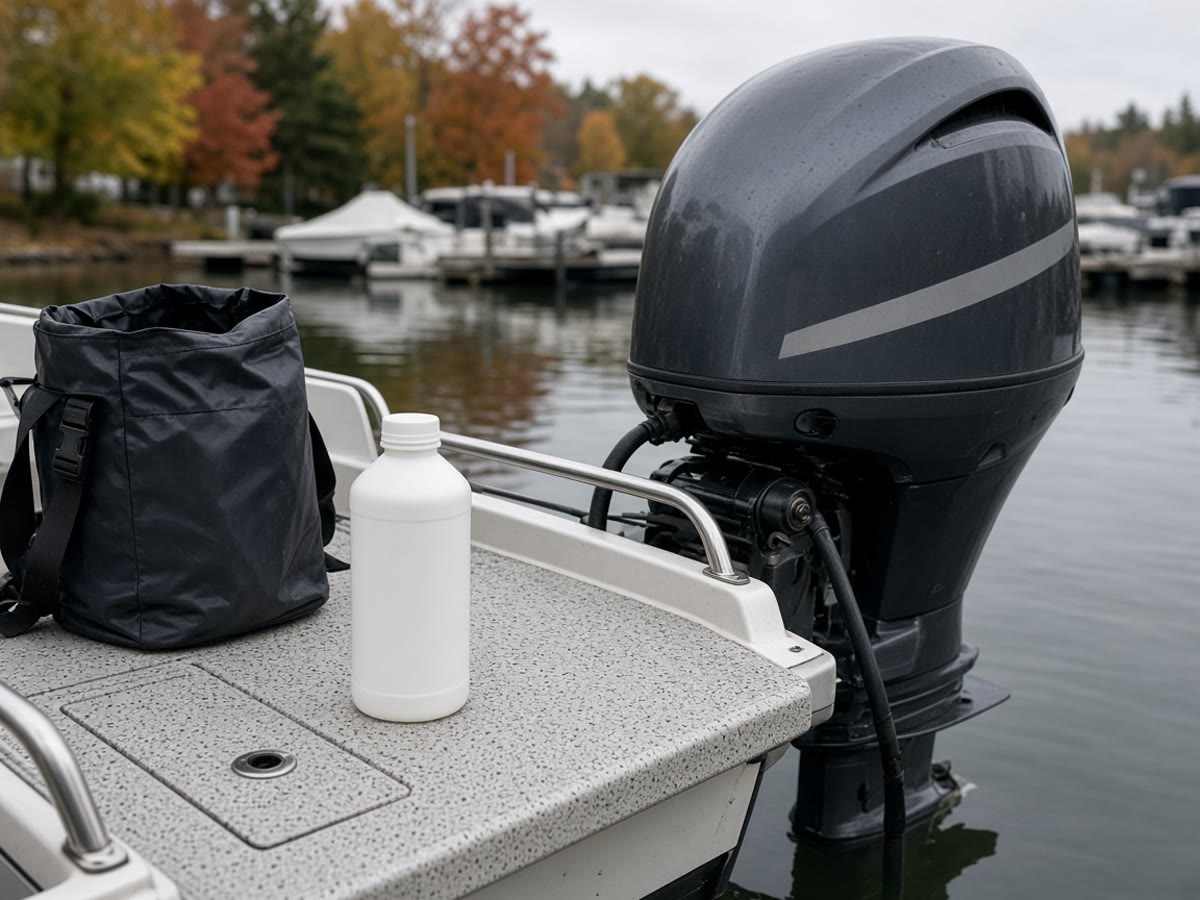
Pull before the first hard frost, not the morning after
A hard frost is 28 degrees or so with a clear sky, not a “feels like 40” on a phone. Water in a neglected cooling passage does not care that you “almost” winterized. Year-round boat care is the calendar. This week is the pull. If you cannot do the full winterization the same day, pull the hull, treat the fuel, take the battery, and schedule the rest. A boat in the driveway is a project. A boat in the water on a 26-degree night is a bill.
Know your engine. An outboard you can flush and tilt is a different job than an inboard you fog and drain. If you have never winterized that motor, pay a yard. This page will not invent a service manual. It will name the fuel, the battery, the trailer, and the lock.
Treat the fuel you are leaving in the tank
September fuel you leave until April is how a carburetor becomes a science project. Ethanol-blended gas phase-separates. A tank that sat half-empty grows water. Old fuel is the longer why. This heading is the bottle.
STA-BIL 360 Marine is the live 8-ounce treatment we named: a marine stabilizer you add to the tank, then run through the system so the bowl is not untreated gas. Read the label for the tank size you actually have. Check live prices.
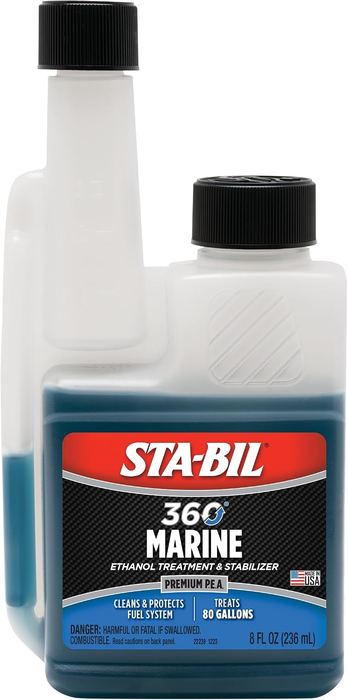
Do: treat, then run the engine long enough that the treated fuel reaches the bowls. Don’t: pour a bottle in a dead tank and call it done. Top off if your yard wants a full tank for winter. A half tank is a condensation story.
Take the battery home. A dead battery in a frozen bilge is two problems.
A battery left on a trailer through freeze-thaw is how you buy a battery in April and a tender you meant to own. The NOCO AX65 is the live charger we named: a maintainer you can leave on a stored battery in a garage, not a jump pack you shout at in a lot. Check live prices.
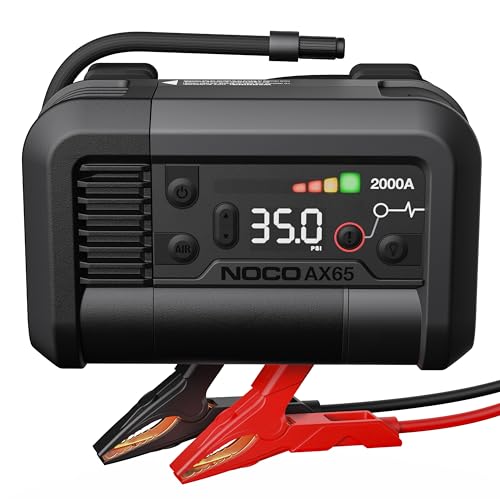
Clean the posts. Charge it. Store it off concrete if your shop still tells that story — or don’t, and just keep it charged. Boat battery habits is the longer fit. A no-start is the spring sibling. This heading is the charger.
The AstroAI digital multimeter is the live meter we named for the same Saturday: confirm the battery is actually holding voltage before you trust the charger light. Check live prices.
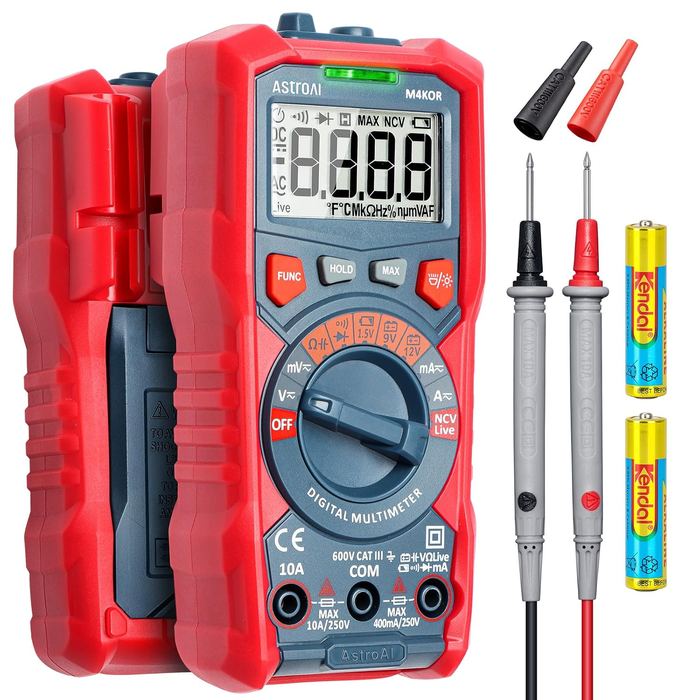
A meter is not a charger. A charger is not a diagnosis. If the bank is already a swell, stop. A yard will still be cheaper than a melted cable.
The trailer is the highway. The hull is the passenger.
A September pull is also a highway speed you have not run since July. Tires that looked fine at 15 mph on a ramp look different at 65. The AstroAI 0–230 PSI gauge is the live gauge we named: a number you can read, not a kick. Check live prices.
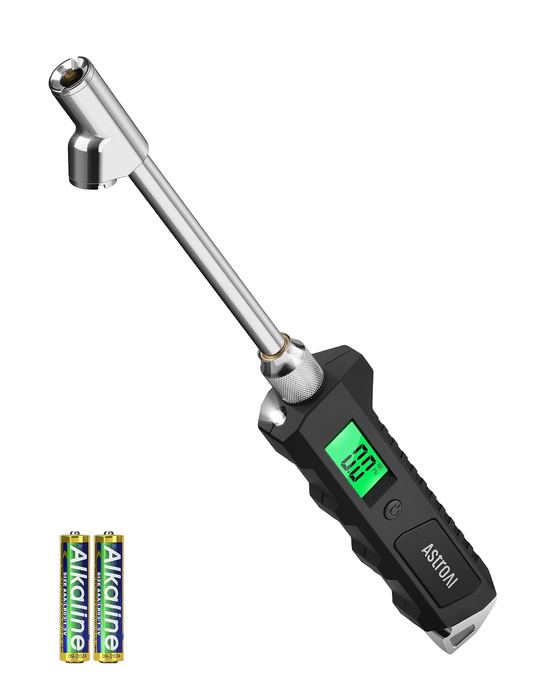
Trailer maintenance is the longer list. Trailer habits if the other Saturday is already a ramp. Check lights before you leave the lot. A dark trailer on a dark highway is a citation and a story. The hitch page if the coupler is the hole.
Lock what you leave. A lot in October is not a gated marina.
The Master Lock cable padlock is the live cable we named for a trailer hitch or a tiller you cannot take inside: enough cable that a casual walk-off is a louder job. It is not a disc lock. It is not a building. Check live prices.
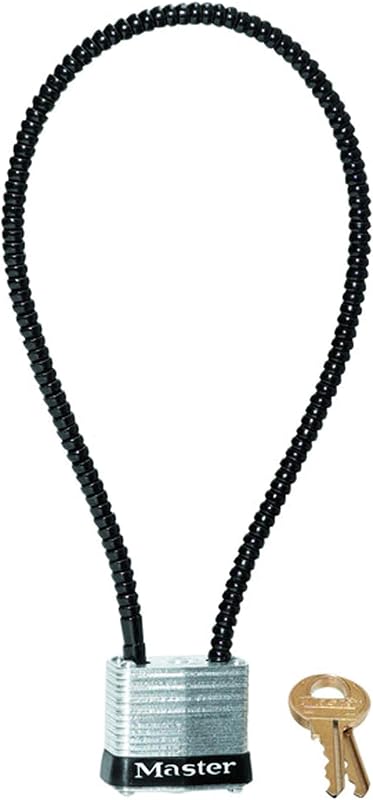
Safeguarding a boat is the longer lecture. Indoor storage if the hull is already a winter tenant. A driveway is a different risk than a lot. Take the electronics. Take the PFD bag if it walks.
Drain what will freeze. The rest is a yard if you have never done it.
Livewells, raw-water pumps, ballast bags, a neglected washdown line — those hold water. A first frost turns them into a split. If you have the manual and you have done this motor before, drain it. If you have not, routine maintenance includes paying someone who has. This page will not walk a first-timer through fogging a specific block.
A cracked block is a dealer conversation. We will not invent a gasket kit. Tilt an outboard. Drain a petcock you already know. Write what you did on a card in the glove box so April-you does not guess.
The week is treat, charge, gauge, lock, and a hull that is not in the water
Pulling the boat before the first hard frost is STA-BIL in the tank, a NOCO on the battery, a meter that tells the truth, a gauge on the trailer, and a cable on what you leave. The motor winterization you have never done stays a yard. The hull in the driveway is the win.
If the fuel is the hole, start with the 360 Marine and a run. If the no-start is the hole, start with the battery at home. If the highway is the hole, start with the gauge and the lights. Check live prices.
Flush the motor you can flush. Tilt the rest.
An outboard you can still put on muffs deserves a flush before it sits. Salt, silt, and a warm September lake are how a impeller becomes a spring surprise. If you have the earmuffs and you have done this motor, flush it, fog it if the manual says so, and tilt it. If you have never pulled the cowling on this block, the yard is still cheaper than a seized pump.
Write what you did. April-you will not remember whether you fogged. A card in the glove box beats a guess and a second bottle. First-owner mistakes includes “I thought I winterized.” This heading is the flush you actually did.
A cover that fits is a cover. A tarp that sails is a scratch.
A hard frost is also a wet week. Leaves, rain, and a cover that ponds water are how a transom grows a science project. A cover you already own, that fits this hull, strapped so a wind does not turn it into a sail, is the tool. A hardware-store tarp you threw over a windshield is a rub and a claim. Indoor storage if the hull is already a tenant. A driveway cover is a different risk than a building.
Take the electronics. Take the registration if it walks. Take the PFD bag if the lot is a lot. Safety habits do not end when the hull is on a trailer. A dead battery in April is annoying. A missing VHF is a different Saturday.
A dry bilge is a frost you can ignore. A wet bilge is a split.
Pull the plug. Look. A bilge that still holds rain from August is a freeze waiting for a clear night. Dry it. A wet livewell is the same job. Electrical problems if the pump already failed. Do not leave a bilge pump on a dying battery as a plan. That is two failures stacked.
Mice like a covered boat. A bar of soap is folklore. A clean snack bag is a fact. Empty the cooler. Gadgets can wait until spring. This heading is the water you did not leave in the hull.
The last ramp of the year is still a ramp
A September pull is often a steep, algae-slick ramp and a driver who has not backed a trailer since July. Go slow. Trailer habits is the lecture. A helper who can see the bunks is a helper. A helper who yells is a later conversation. Check the straps before the highway. A hull that walks on the bunks is a gelcoat story.
Routine maintenance includes this Saturday. The first hard frost is not a surprise if you watched the lows for a week. Pull early. A week on a trailer in the driveway is cheaper than a week of ice in a passage.
A written list beats a memory of July
Write the hours, the stabilizer, the battery location, the plug, the cover straps. April-you is a different person. The year-round page is the calendar. This Saturday is the list in the glove box. A photo of the trailer lights working is a photo you will want at dusk on a highway.
Tell someone the boat is home. A hull in a driveway is a project. A hull you forgot at a lot is a frost you did not plan. Safeguarding is the longer lecture. The cable is the lock. The list is the brain.
Leave a note for spring commissioning
What you fogged, what you drained, where the battery lives, which impeller you meant to replace — that is a spring list, not a hope. A sea trial is a different Saturday. This heading is the card that keeps April from being a surprise. Check live prices on the treatment and the charger. The yard is still the yard if the motor is a mystery.
If the week is already a frost warning and the hull is still in the slip, pull tomorrow morning. A day on a trailer is cheaper than a night of ice in a passage you meant to drain. Treat the fuel the same day. Check live prices.
Also in the magazine
Keep going with old fuel, boat batteries, trailer maintenance, and year-round boat care. Check live prices.
Frequently asked questions
When should I pull the boat before winter?
Before the first hard frost — a clear night that can put water in a block or a livewell into ice — not the morning after the ramp freezes.
What do I do with the fuel?
Add STA-BIL 360 Marine to the tank size you actually have, then run the engine so treated fuel reaches the bowls. A half tank is a condensation story.
Should the battery stay on the trailer?
No. Take it home and put it on a NOCO AX65-class maintainer. Confirm voltage with a meter.
What about the trailer?
Check tire pressure with a gauge you can read, and check lights before you leave the lot. We named the AstroAI 0–230 PSI gauge.
Can I winterize an inboard from this page?
Not if you have never done that motor. Drain what you already know. Pay a yard for the rest. A cracked block is a dealer conversation.
How do I lock a boat I leave at a lot?
A Master Lock cable on the hitch or tiller, electronics inside, indoor storage if the hull is already a tenant. A cable is not a building.