
Early teal on public marsh the third week of September
Written by John Wren|
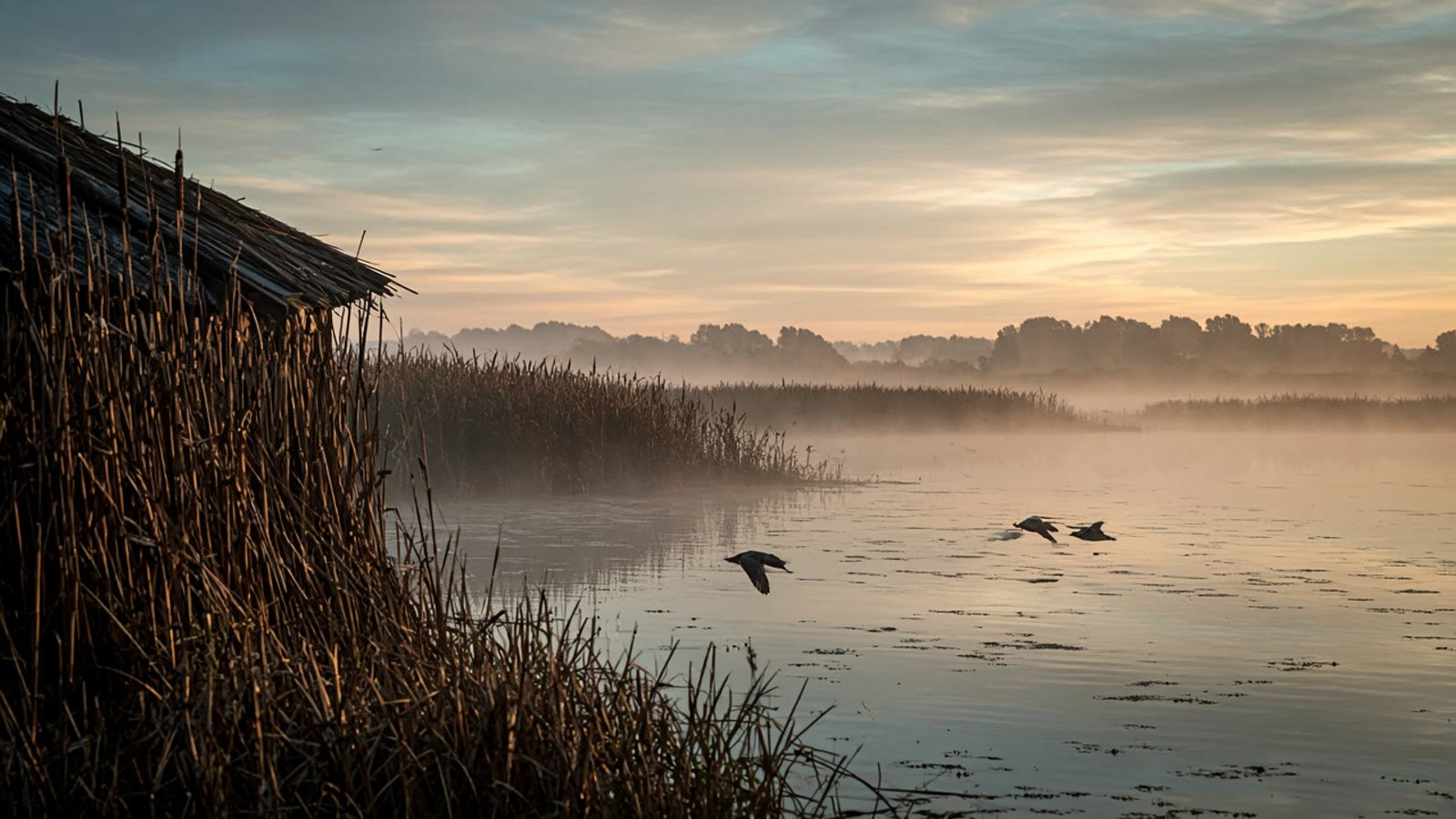
Hunt shallow public water at first light the week many early teal seasons open. Wear a bootfoot wader that will not leak, run a small realistic decoy spread, call less than you think, and buy the shotgun and steel at a licensed dealer.
Key takeaways
- The flight is often over before a late-season hunter pours coffee.
- Shallow sheet water beats the deep hole you like in January.
- Six to a dozen realistic decoys beat a mallard circus.
- The gun and steel stay at a licensed dealer.
The third week of September is when a lot of public marsh actually opens for teal, and the birds have not yet watched a month of layout blinds. The short answer: hunt the shallow public water they still use at first light, keep the spread small and moving, and be set before legal shooting time — not walking in as the first flight leaves.
Short version. Scout the afternoon before. Wear a wader that will still be dry at 9 a.m. Run a handful of realistic decoys, not a late-season mallard circus. A call you can use quietly closes singles. Pair this with public-land hunting habits and a wader that will not leak. Check live prices. The shotgun and steel stay at a licensed dealer.
This is a field note, not a secret-refuge list. Texas, Louisiana, and a handful of other Gulf and prairie states hang early teal on the middle of September. Some units wait a week. Some close after nine days. Read the regulation PDF for the dirt under your tires. The week is the same skill everywhere the water is still warm: you hunt the first hour, you share the ramp, and you leave before the birds have been educated by a Saturday parade.
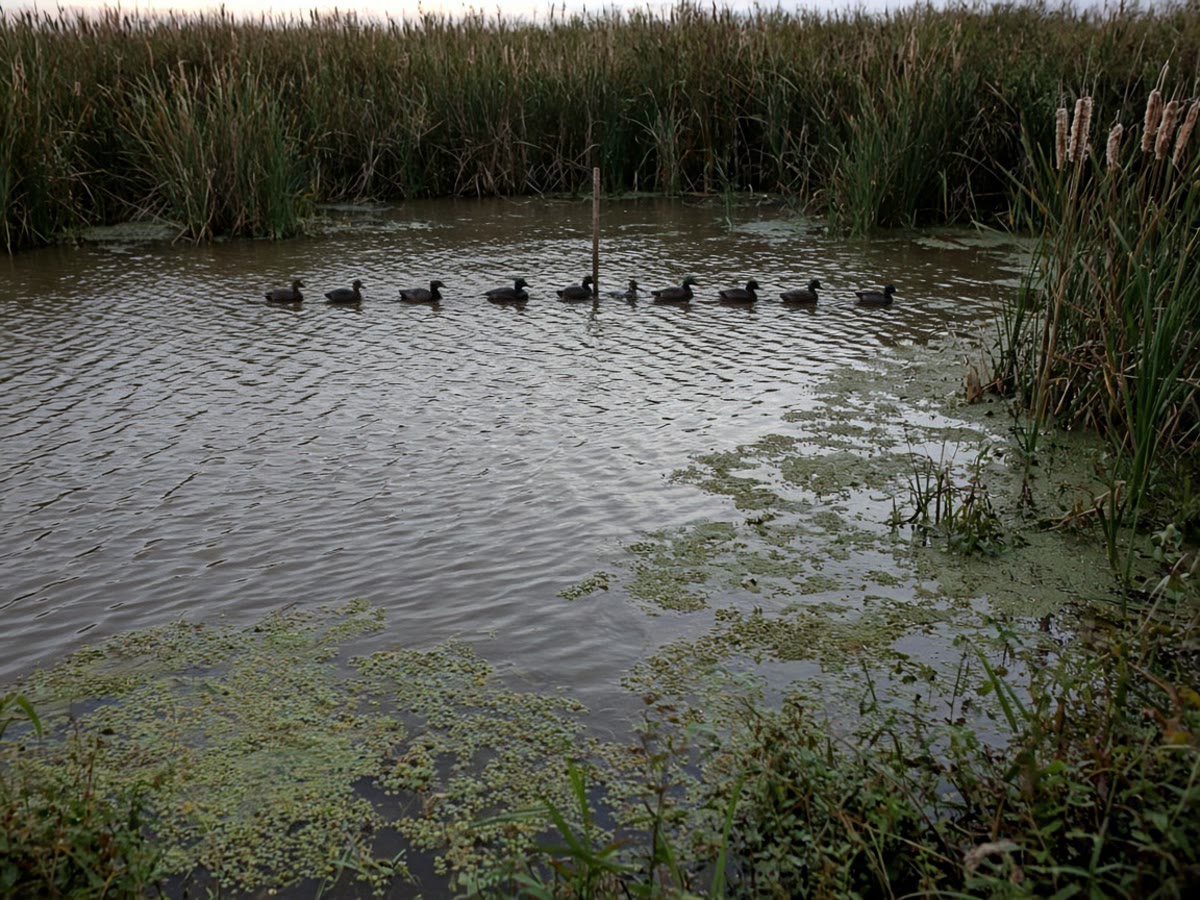
The third week is when teal are still honest
By the third Saturday in November, a popular public marsh has educated every puddle duck within a half-mile of the lot. The third week of September is the opposite. A lot of units have been quiet since spring. Blue-winged teal that nested on the prairie are already moving. Green-wings show in pulses after a cold night up north. The birds have not yet seen every spinning-wing unit on the refuge. That does not make them stupid. It makes them still using the shallow water they used all summer — a sheet of six inches, a mudflat, a rice-field edge that still has bugs.
Early teal is a first-light hunt. The flight is often over before a late-season mallard hunter would pour coffee. If you are still tying decoy knots at shooting time, you already missed the morning. Park once, well, and without blocking a gate. If the lot is a circus, drive to the next two-track. Shared ground rewards flexibility more than any single honey hole.
Heat is part of the week. Sixty at the lot can be eighty in a rice levee by 10 a.m. Teal loaf in shade and deeper water after the first flight. Midday is usually dead. Last light can be a second chance if the unit allows it and you have the energy. Most honest early-teal days are a short, violent morning and a long walk out in the heat.
Hunt the shallow water they still use, not the deep hole you like in January
Teal in the third week live where you can see mud. A six-inch sheet, a flooded grass edge, a borrow ditch, a moist-soil unit that still has seed. Deep open water looks like hunting. It is a walk. The birds are tipping in the stuff that grabs a boot.
Public land adds a second problem: the easy hole by the ramp is a parade by 6:15 on a Saturday. Walk past it. A private lease can reward stubbornness. A public marsh rewards people who will change the plan. Late-season public ducks is the January cousin of this week — last open water, fewer decoys, quieter calling. Early teal is the opposite clock: first water, first hour, then go home before you educate the rest of the week.
Western reservoirs and playas still want the same honesty. The water is warm. The birds have not been hunted every weekend since Labor Day in every unit, but the popular ramps have. Know which wildlife area the map actually names. Trespass by sloppy GPS is still trespass.
A wader that stays dry is the piece that matches standing in warm water
Early teal is standing still in water that is still a summer temperature. You will sweat walking in. You will chill if a breeze hits a wet cotton shirt at 7 a.m. A leaky wader is a short morning and a long itch. The wader page is the longer fit. This week wants a bootfoot you can walk a levee in, not a January 1600-gram boot you will cook in.
The Frogg Toggs Amphib Camo Bootfoot is the live three-season wader we named: a lightweight bootfoot you can walk a public levee in without cooking, with enough waterproofing for a September stand. It is not a 5mm neoprene for standing in ice. It is the early-teal weight. Check live prices.
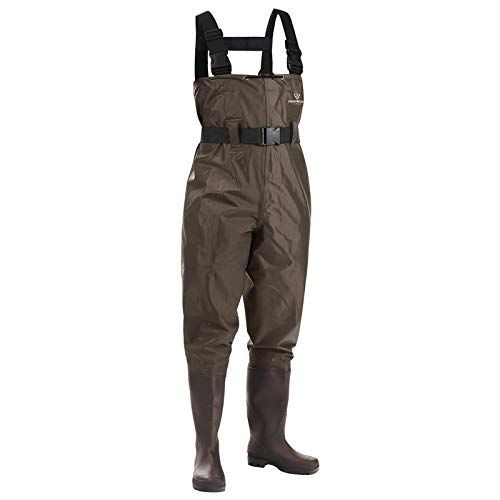
If the morning is already a forty-degree north wind on a prairie pothole, step up. The Frogg Toggs Bull Cleated Bootfoot is the live heavier sibling we named for standing still when the water is no longer a swim. Check live prices.

Size it over the layer you will actually wear at 5:30 a.m., not a t-shirt in a store. A wader that binds at the knee is a wader you will fight all morning. Merino next to skin beats a wet cotton hoodie. Tape the first hot spot before the levee rubs a blister through a wet sock.
A small, realistic spread beats a late-season mallard circus
Drop the count. Six to a dozen well-placed, realistic decoys with a little movement will out-produce four dozen static magnums on birds that have not yet been educated — and will still work after they have. Teal decoy to teal, and they will also finish to a small mallard spread if the motion is honest. A realistic decoy spread matters more than a catalog photo of sixty birds.
The realistic mallard decoys we named are the live floaters we already use later in the year: enough profile for a teal to trust, light enough to walk a public levee. You do not need a separate teal-only string if the mallards already sit right. Check live prices.

Add a jerk string or a single spinning-wing used sparingly. Early teal often finish on a direct line. A huge static spread looks like a catalog. A small, slightly messy raft with a little current-driven movement looks like birds. Leave gaps. Face most of them into the wind. Do not set up between another party and the direction birds are clearly working from.
A call you can barely use closes singles. A hail sequence flares them.
Early teal will come to a soft feed and the occasional single. They will also ignore you and finish anyway if the decoys are honest. Loud hail sequences that work on opening-week mallards in October are how you educate a public marsh by Tuesday.
The Duck Commander Classic Series call is the live wood-and-acrylic we named: a call you can run quietly, not a contest honker. Learn a soft chuckle and a single quack. Stop calling if birds flare. Check live prices.
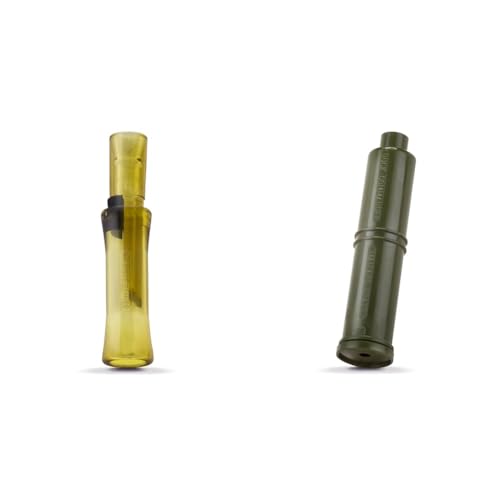
If you cannot call quietly, do not call. The decoys and the first-light clock do more work in this week than a call you learned on a YouTube video the night before. Turkey calling is a different season and a different bird. Same rule: less than you think.
The gun and the steel stay at a licensed dealer
Early teal shots are close, fast, and often through a hole the size of a dinner plate. A 20-gauge or a field-stock 12-gauge pump that you have already patterned is the usual answer. Buy it from a licensed dealer — a Browning, a Beretta, a used 870 or 500 that already fits you. This page will not put a shotgun or a box of steel on Amazon. If the gun is a working pump, the pump page is the field-stock conversation.
Choke is more open than people think they want until they miss a bird at fifteen yards on a mudflat, and tighter than they want when a bird towers. Improved cylinder is the boring early-season start. Pattern the gun with the steel you will actually hunt, at the range you will actually see a bird. Identify the bird, the background, and the space beyond. Public marsh can hide another hunter in the same cattails. If you cannot take the shot safely, you do not have a shot. Unload for the walk and the truck.
Be set before legal light. The flight does not wait for your coffee.
Scout the afternoon before. Glass the sheet water. Mark two backups. Write the lot name and the time you will turn around. A lamp is for the walk in, not a spotlight on a bird. If you cannot reverse the route in the dark, you do not have a route.
Legal shooting time is not a suggestion. Early teal seasons are short and watched. A citation on a nine-day season is how you sit the rest of the year. Know the unit hours. Know the plug. Know the steel. Know whether a spinning-wing is legal that week. A forum post is not the regulation PDF.
Layer for a sweaty walk and a wet stand, then go home
The third week lies. The lot is a fleece. The levee is a sauna. Cotton stays in the truck. A merino crew next to skin moves the sweat you will make walking in. A light shell in the bag goes on if a squall hits, not because the app said partly. Base, mid, shell is the rule. A wool sock if the morning is already a forty. Tape heat before the levee rubs a blister.
Water the dog more than you water yourself. Early heat drops dogs faster than it drops people. Without a dog, hunt smaller pieces. Work a fifty-yard grass edge like it is the whole morning. Pause. Teal that have not been educated will sit. You will feel foolish. You will also get a finish at your feet instead of a roar behind you.
Public-marsh manners keep the week alive
Give other hunters a real buffer. Do not set up between a party and the flight line. Pack out spent hulls, broken decoy line, and the snack bag. A public marsh that looks trashed loses access faster than any single bad season of weather. The hunters who keep early teal productive are the ones who treat every trip like they are trying to keep the privilege.
A clean strap is a normal third-week morning. The skill is a better map in your head, a note about which hole was a parade, a boot that needs tape. People who only count birds stay beginners. People who count what they learned come back the next Saturday dangerous in the good way. A first deer checklist is a different season; the manners are the same. Paper first. A plan to get out. No trophy trash.
The week is a first-light walk you can still feel in your legs
Early teal on public marsh the third week of September is shallow water, a small honest spread, a wader that stays dry, a call you can barely use, and a clock that does not wait. The gun stays at a dealer. The lot is shared. The empty morning is still a skills morning.
If the leak is the hole, start with the Amphib. If the birds flare, cut the decoy count and the calling. If the unit is the hole, start with the regulation PDF for the state you parked in. Check live prices. The cover is the access.
Also in the magazine
Keep going with late-season public ducks, duck waders, why decoys earn a strap, and public-land hunting habits. Check live prices.
Frequently asked questions
When is the third week of September an early teal season?
In much of Texas, Louisiana, and other Gulf and prairie states, early teal opens around mid-September and may run only a week or two. Read the regulation for the state you parked in.
Where do teal sit in that week?
On shallow public water — a six-inch sheet, a flooded grass edge, a moist-soil unit. Deep holes look like hunting and are usually a walk at first light.
How many decoys for early teal?
Six to a dozen realistic floaters with a little movement. Teal will finish to a small mallard spread if the motion is honest. A huge static circus educates a public marsh.
What waders are you naming?
Frogg Toggs Amphib Camo Bootfoot for a warm September stand. The Bull Cleated Bootfoot if the morning is already a cold prairie wind. Check live prices.
How much should I call?
Less than you think. A soft feed and a single quack. We named the Duck Commander Classic Series. Stop if birds flare.
Can I buy the shotgun or steel here?
No. A 20-gauge or a field pump and non-toxic shot come from a licensed dealer. This page will not list a gun or shells on Amazon.