
Daiwa BG2500 vs PENN Battle IV 2500
Written by John Wren|
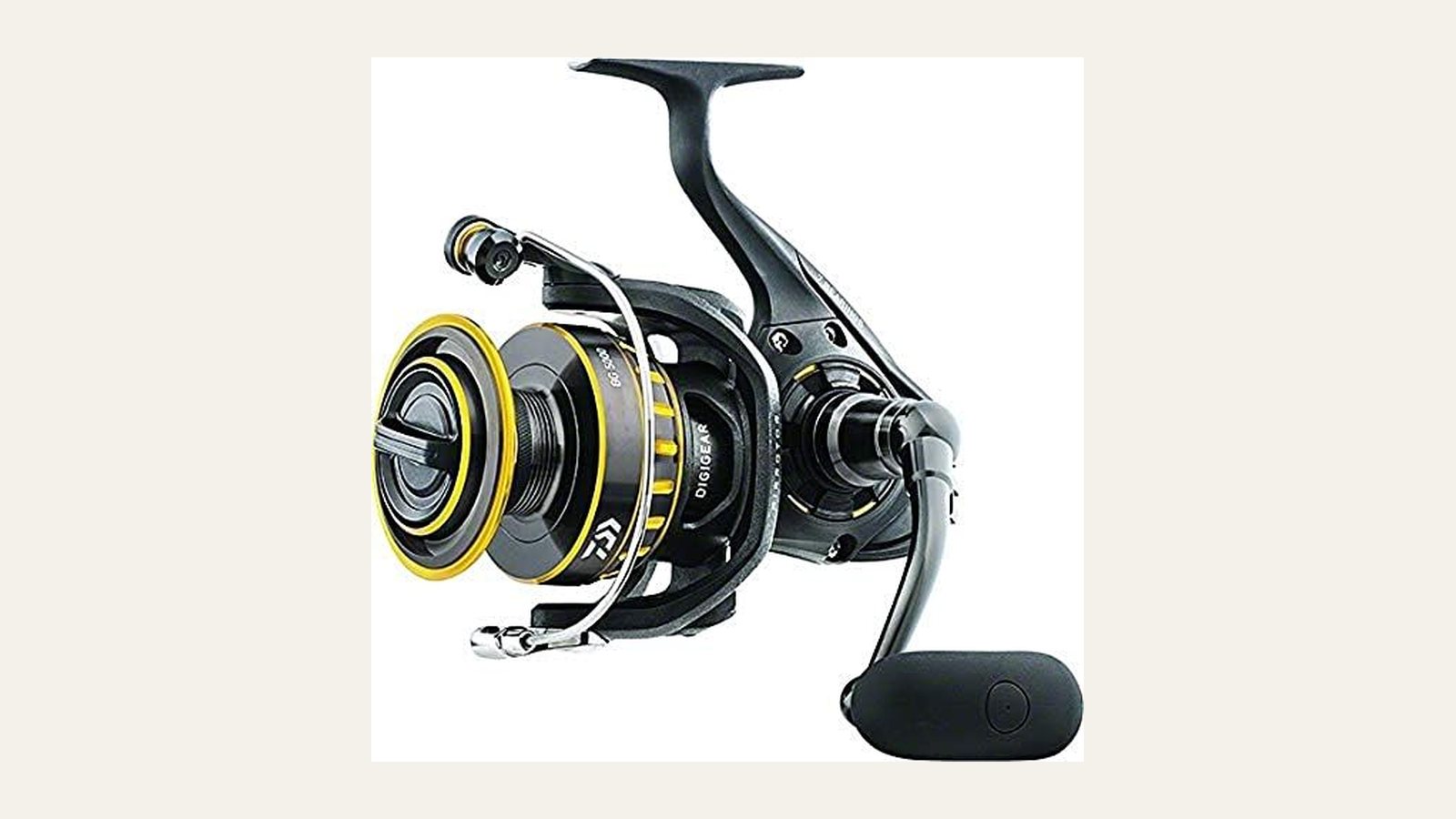
Choose the Daiwa BG2500 for a lighter 5.6:1 reel on a river or a quiet inshore edge. Choose the PENN Battle IV 2500 for Hydro Armor seals and a 6.2:1 gear on a boat.
Key takeaways
- BG2500 is the lighter 5.6:1 workhorse.
- Battle IV 2500 is the sealed 6.2:1 boat reel.
- Confirm 2500, not a 3000 or a Battle III.
- Rinse salt. A baitcaster is a different rod.
Daiwa BG2500 vs PENN Battle IV 2500 is a 2500-class spinning-reel fight: a lighter aluminum reel with a slower 5.6:1 gear and a 13.2-pound carbon drag on one side, a full-metal Battle with Hydro Armor seals and a 6.2:1 gear on the other. If you fish braid on a river or a quiet inshore edge and you want the reel that has been the workhorse in this size for years, buy the BG2500. If you want the current Battle, a faster pickup, and seals on the places salt actually gets in, buy the Battle IV 2500. Most people who cast and retrieve more than they winch a fish should own the BG. The Battle is the one that lives on a boat.
Short version. A budget spinning reel is a different Saturday. A baitcaster is a thumb and a different rod. A musky reel is a 300-size winch, not a 2500. Summer tackle still starts with a reel you will rinse. Check live prices.
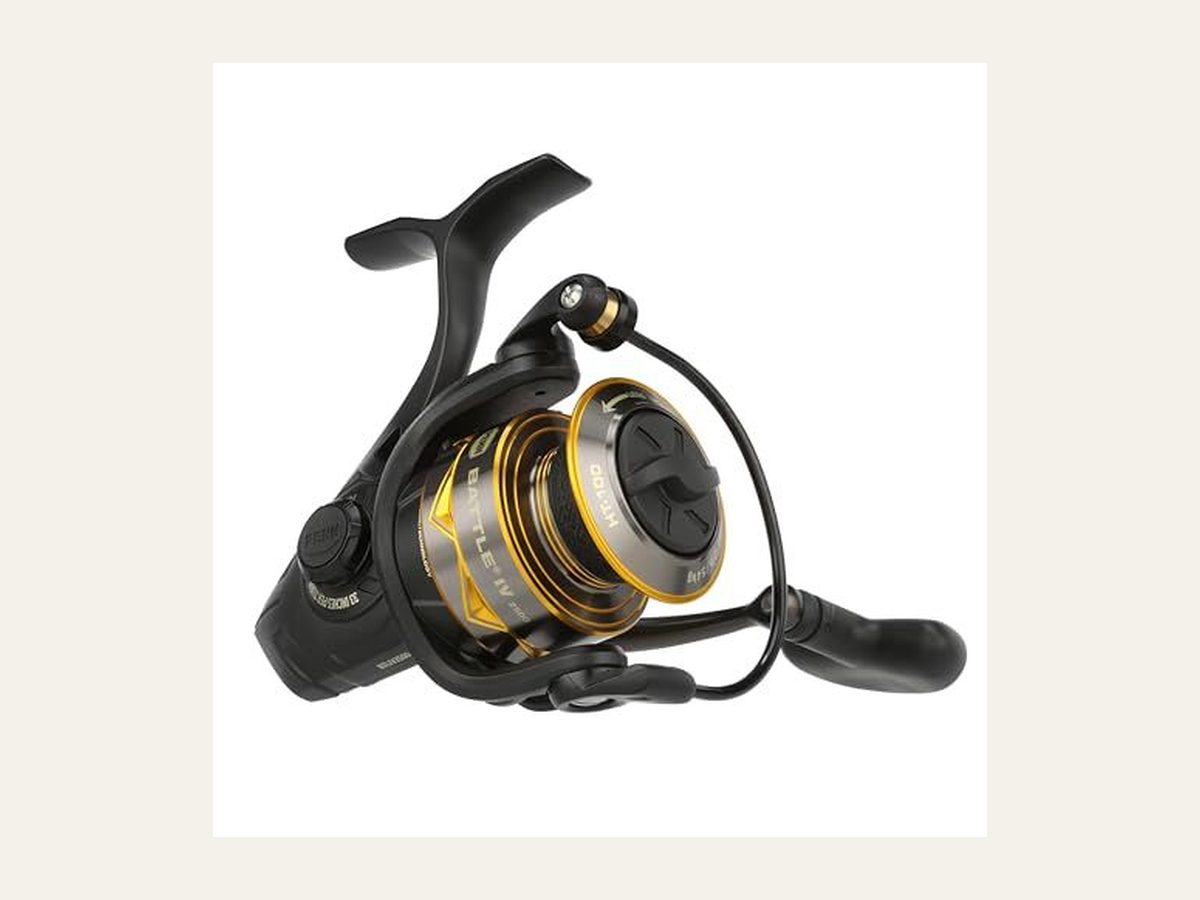
This comparison is two spinning reels in the 2500 size you can still buy. It is not a 1000 trout ultralight and it is not a 4000 surf reel. BG2500 is Daiwa’s aluminum HardBodyz reel: Digigear, an Air Rotor, a carbon ATD drag, a screw-in handle, a braid-ready spool. Battle IV 2500 is PENN’s current full-metal spinning reel in that size: CNC gears, HT-100 carbon drag washers, Hydro Armor sealing, a superline spool, the handle on either side. Confirm BG2500, not a BG3000 photo titled as a 2500. Confirm BTLIV2500, not a Battle III leftover and not a 1000-size Battle.
| Job | Daiwa BG2500 | PENN Battle IV 2500 | Our call |
|---|---|---|---|
| River, a jig, a long morning of casts | 9.3 ounces, 5.6:1 | 9.7 ounces, 6.2:1 | BG2500 |
| Skiff, spray, a reel that gets wet on purpose | Rinse it. The drag is waterproofed. | Hydro Armor on the critical spots | Battle IV |
| Braid, no mono backing argument | Braided-line-ready spool | Superline spool | Either. Tie a good arbor knot. |
| A fish that runs and you need drag, not a brochure | 13.2 lb max, carbon ATD | 12 lb max, HT-100 | BG if the number is the point. Set either light. |
| A musky figure-eight | Wrong size | Wrong size | A musky reel |
Confirm BG2500 and Battle IV 2500 / BTLIV2500. A BG3500 is a heavier reel. A Battle IV 3000 is a different spool. A combo that hides the reel model in the rod name is a different box.
Who should buy the BG2500, and who should buy the Battle IV?
Buy the BG2500 if the reel spends the day in your hand. The gear is slower, the reel is a touch lighter, and the max-drag number on Daiwa’s sheet is higher. Buy the Battle IV 2500 if the reel spends the day in spray and you want PENN’s seals and the pickup of a 6.2:1. Buy neither if the job is a double-10 bucktail. That is a baitcaster the size of a fist. A fish finder still does not pick the reel. The water does.
A 2500 is the in-between size: enough line for a river smallmouth or a quiet flat, light enough that a seven-foot medium spinning rod does not feel nose-heavy. A 1000 is a trout reel you will overrun with 10-pound braid. A 4000 is a surf and pier reel. If you do not know your size, hold the rod you already own with the reel in the seat and see where the balance sits. A reel that makes the tip dive is the wrong size even when the brand is right.
What the BG2500 is actually for
BG2500 is Daiwa’s 2500 in the BG series: black anodized machined aluminum housing, an oversized Digigear, a solid screw-in handle, an Air Rotor, a dynamic-cut aluminum spool, and a carbon ATD drag Daiwa rates to 13.2 pounds. Daiwa’s sheet for this model lists a 5.6:1 gear and 33.2 inches of line per turn. Mono capacity on that sheet is about 210 yards of 6-pound, 170 of 8, and 140 of 10. Braid capacity runs about 190 yards of 15-pound, 170 of 20, and 120 of 30. The reel lists at about 9.3 ounces. Those are Daiwa’s numbers, not a promise you will land a 13-pound fish on a light rod because the drag knob goes that far.
The Daiwa BG2500 ships black and gold, right-hand retrieve as that listing ships, with the handle reversible if you actually swap it. Confirm 2500 and BG. Check live prices. Six ball bearings plus a roller is the count Daiwa prints. Infinite anti-reverse on the 4000 and smaller is the click you should not hear when a fish runs.

Do: set the drag with the line through the guides and the rod bent the way a fish bends it, then leave it. Don’t: crank the knob to the stop because the box said 13 pounds. A light spinning rod will fail before that drag does. Do: rinse with fresh water after salt, including under the spool. Don’t: spray a hard stream up the drag stack. The waterproof drag is not a license to pressure-wash the reel.
What the Battle IV 2500 is actually for
Battle IV 2500 is PENN’s current 2500, model BTLIV2500. PENN’s sheet lists a 6.2:1 gear, 33 inches per turn, a 12-pound maximum drag, and six bearings counted as five stainless balls plus an instant anti-reverse. Mono capacity is about 255 yards of 6-pound, 175 of 8, and 140 of 10. Braid capacity is about 240 yards of 10-pound, 220 of 15, and 160 of 20. Weight on that sheet is about 9.7 ounces. The body and side plate are full metal. Hydro Armor is PENN’s name for the seals on the places water gets in. HT-100 is the carbon-fiber drag washer the Battle line has used for years. The handle ships so you can run it on either side.
The PENN Battle IV 2500 is the current BTLIV2500. Confirm Battle IV and 2500 — not a Battle II still in a clearance photo and not a Battle III DX combo that includes a rod you did not mean to buy. Check live prices. The superline spool is why you can put braid on the arbor without a mile of mono underneath. An arbor knot still matters. A spool of braid that slips on the first run is a knot problem, not a gear problem.

Do: close the bail by hand. A slam-shut bail is how rotors get bent and how people lose the little line roller they only notice when the line is frayed. Don’t: leave the reel in a rod holder through a week of dew and call the seals a substitute for a rinse. Hydro Armor is a seal. It is not a freshwater hose.
A slower gear is a river. A faster gear is a boat that is already moving.
5.6:1 on the BG and 6.2:1 on the Battle IV are close enough that a parking-lot crank will not decide your season. They are far enough that a fish running at the boat feels different. The BG’s 33.2 inches per turn and the Battle’s 33 inches are almost the same pickup. The gear ratio is the torque story, not a speed trophy. A slower gear wins when you are winching a jig off the bottom with a tired wrist. A faster gear wins when you need to catch up to a slack line after a fish turns toward you. If you fish both days, pick the day you fish more.
Max drag is a ceiling, not a setting. Set either reel so the line slips before the knot, the rod, or your thumb does. A 13-pound ceiling on a reel spooled with 10-pound braid is a number you will never honestly use. What you want is a drag that starts smoothly. Carbon ATD and HT-100 are both carbon stacks. The failure mode is the same: a drag left at the stop, a fish that does not get an inch, and a knot that was the weakest piece the whole time. Test the start of the drag at home with the rod loaded. If it chatters, back it off and try again before you blame the brand.
How do you actually spool a 2500?
Both reels are braid-ready. That means the arbor is shaped so braid does not spin free on the first run. It does not mean you can ignore the knot. Wet the knot. Seat it. Put a wrap of electrical tape over the arbor knot if you have watched braid slip on a smooth aluminum spool before. Fill the spool to the lip, not past it. An overfilled 2500 throws loops on the cast that you will call a reel problem. It is a spool problem.
Mono capacity and braid capacity are not interchangeable wishes. If you fish 20-pound braid, read the braid line on the sheet, not the mono line. The BG’s 20-pound braid number and the Battle’s 15-pound braid number are different tests of the same idea: how much line of that diameter fits. Diameter varies by brand. A fat 20-pound braid fills a 2500 faster than a thin one. If the spool looks full at half the advertised yardage, you bought thick line. That is fine if the casts are short. It is a problem if you need a long cast on a flat.
Line lay matters more than the bearing count after the first month. If the line piles in the middle or stacks at the front, the casts will suffer before the drag does. A shim under the spool is the fix on a lot of spinning reels. Read the paper that came in the box before you decide the reel is defective. A reel that arrived with the line already spooled by a shop is a gift. A reel that arrived with line spooled past the lip is a job for the evening, not for the ramp.
Salt is a rinse. Fresh water is still a rinse if the reel saw mud.
The BG’s drag is sold as waterproof. The Battle’s Hydro Armor is sold as a seal against intrusion. Neither sentence means the reel can live in a livewell. After salt, rinse with low pressure, spin the handle, and let it dry out of the case. A reel shut in a wet case grows a film you will feel as a grind in October. A drop of oil on the line roller and the handle knob, from a bottle meant for reels, is the whole service most of these need in a season. Do not soak the drag in solvent because a forum said the stack was dry. If the drag is rough after a season of honest use, that is a service counter, not a kitchen experiment.
Sand is worse than salt. A sandy bail and a sandy roller will saw braid in an afternoon. Rinse before you put the rod in the truck, not after you remember at the house. A reel that grinds on Monday was sandy on Sunday. You will not polish that out with enthusiasm.
The handle is the part your hand actually holds.
The BG uses a machined aluminum screw-in handle. Tighten it. A handle that walks off in a skiff is a story people tell because they did not check the screw on a new reel. The Battle’s handle swaps sides. If you retrieve with your left hand on a spinning rod — which is how a lot of right-handed people fish, so the right hand stays on the reel seat for the hookset — confirm the handle is on the left before you spool line. Swapping it after the spool is full is annoying and pointless.
Knobs matter on a cold morning. A small knob on a 2500 is the trade for a light reel. If your hands are wet and the knob spins inside your fingers, you do not have a gear problem. Dry the hand or accept the smaller knob as the size you bought. An aftermarket knob is a different part. Do not assume a power knob from a surf reel threads onto this handle.
What this fight is not
It is not a spinning reel under fifty dollars. Those reels have a job. This pair is the step up, where the body is metal and the drag is a carbon stack you can actually set. It is not a baitcaster. If you want a thumb and a level wind, you are in the wrong aisle. It is not a musky reel. Line-per-turn on a 300-size baitcaster is a different physics problem. It is not a rangefinder. Glass does not spool line.
A rod and reel combo that says Battle on the hang tag can be a Battle III DX with a Fenwick blank, not a Battle IV 2500 you can move to the rod you already like. Read the model. BTLIV2500 is the reel. A combo model number with extra letters is a rod you may not want. The same trap exists on the Daiwa side: a BG2500 bundled with line is still a BG2500, and a BG2500 bundled with a rod you have not held is a guess.
Match the reel to a rod you already cast.
A 2500 belongs on a spinning rod in the medium or medium-light class, the kind of blank people use for river smallmouth, stocked trout on hardware, and inshore fish that are not tarpon. If the blank says it wants 6- to 12-pound line and lures up to about five-eighths of an ounce, a 2500 is honest. If the blank is a surf rod with a long butt, the 2500 will look lost and the casts will feel empty. If the blank is an ultralight trout rod, the BG’s aluminum body is more reel than the tip wants.
Balance is a driveway test. Rest the rod on a finger at the reel seat with the line through the guides. If the tip plunges, the reel is heavy for that blank or you are holding too far forward. If the butt plunges, you bought a light reel for a heavy blank, which is a nicer problem. The rest of a summer kit — pliers, a knot you can tie cold, a net that does not have a hole — still matters more than a bearing you will never see.
What actually fails on a spinning reel this size?
The bail spring weakens if you snap the bail shut on every cast for a decade. Close it by hand. The line roller gets a groove if you never rinse sand out of it, and then every cast frays the braid in the same spot. The handle screw loosens. The drag washer glazes if you locked it down and horsed fish until the stack got hot. The anti-reverse fails as a click when a fish runs, which is the moment you notice. None of those failures are mysterious. They are maintenance and a setting.
A reel that arrives grinding is a return, not a break-in. Spin it in the store parking lot or on the kitchen table before you spool two hundred yards of braid onto a problem. A smooth reel with a rough drag is a drag problem. A rough reel in free spool is a gear or a bearing problem. Do not spool line onto either one and hope the first fish fixes it.
So which 2500 spinning reel should you buy?
Buy the Daiwa BG2500 if you cast all morning and you want the lighter aluminum reel with the drag ceiling Daiwa prints at 13.2 pounds. Buy the PENN Battle IV 2500 if the reel gets wet on a boat and you want Hydro Armor, HT-100, and a 6.2:1 gear. Our default for a river and a jig is the BG2500. Our default for a skiff and spray is the Battle IV. Set the drag light. Close the bail by hand. Rinse the salt. Check live prices. Confirm the model before you leave the listing, because a nearby size is a different reel.
The water you fish still picks the rest of the kit. A 2500 will not turn a pond into a flat, and a flat will not make a 1000-size trout reel honest. Spool the line you will actually cast. Then go.
Frequently asked questions
Daiwa BG2500 or PENN Battle IV 2500?
BG2500 if you cast all morning and want the lighter 5.6:1 reel. Battle IV 2500 if the reel lives on a boat and you want Hydro Armor seals and a 6.2:1 gear.
Is the BG2500 the same as a BG3000?
No. Confirm BG2500. A 3000 is a larger spool and a different reel.
Is Battle IV 2500 the same as Battle III?
No. Confirm BTLIV2500. A Battle III leftover is the older reel, and a 1000-size Battle is a smaller spool.
What line belongs on a 2500 spinning reel?
Braid on the braid-ready spool if that is how you fish, with a leader matched to the fish and the rod. An arbor knot still has to hold, or the spool slips on the first run.
Can I use a baitcaster instead of a 2500 spinning reel?
A baitcaster is a thumb and a different rod. A 2500 spinning reel is the cast-and-retrieve size in this comparison. A musky reel is a much larger winch.
Do I rinse a spinning reel after salt water?
Yes. A freshwater rinse, then a light oil on the handle and the bail. A reel stored wet with salt is a seized reel by the next trip.