
Best Musky Reels (2026)
Written by John Wren|
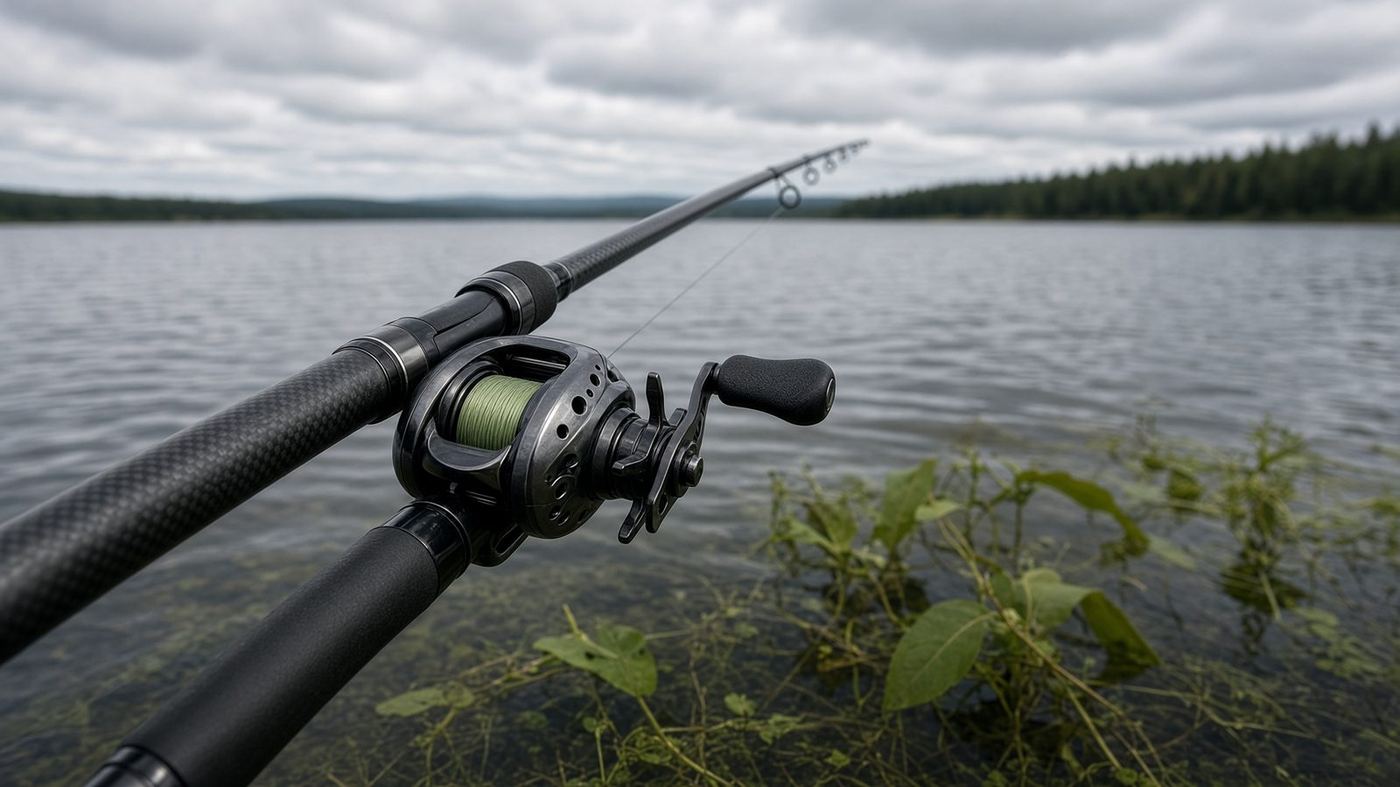
Buy a 300-size low-profile baitcaster (Shimano Tranx, Daiwa Lexa, Abu Toro Beast) for musky casting. Use a linecounter for trolling. A 200-size bass reel will not pick up slack on a figure-eight.
Key takeaways
- 300 is the default musky size.
- Line per turn matters more than ratio brag.
- Power handles exist for a reason.
- Leaders fail more reels than gears do.
A musky reel is a winch that has to pick up slack on a figure-eight after a long cast with a bait that weighs as much as a sandwich. A 200-size bass reel will not do it. Size 300 is the all-around. Size 400–500 is for big blades. Line-per-turn matters more than the gear-ratio brag on the box. Thirty inches a crank is a starting point. Forty is high-speed for glides. Heavy bucktails want torque.
Short version. Buy a Shimano Tranx or Abu Garcia Revo Toro Beast if musky is the season. Buy a Daiwa Lexa 300 if you want line pickup without a second mortgage. Buy Shimano Corvalus or KastKing Rover if you want a round reel to learn on. Buy Okuma Coldwater 350 if you troll and want a linecounter. Spinning is for jigging, not for double-10s.
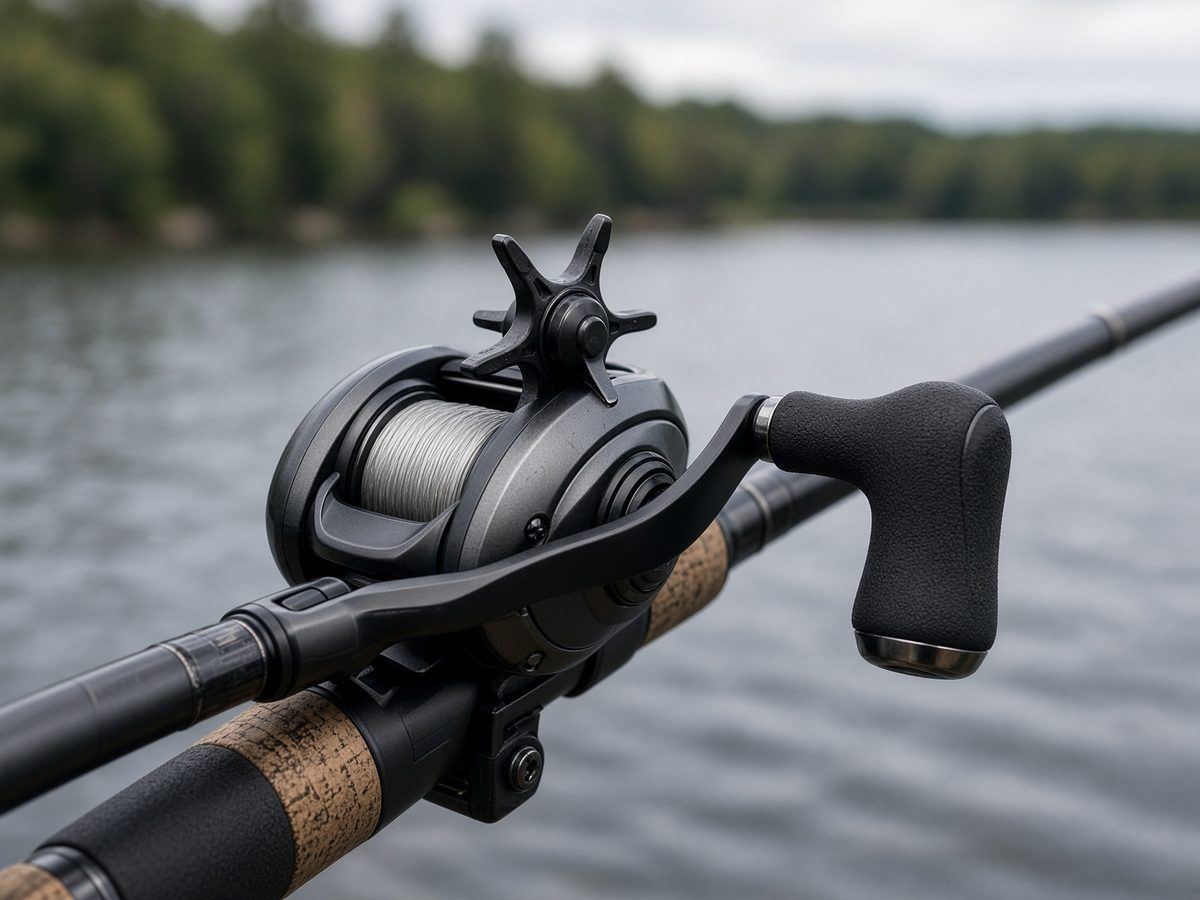
Tranx, Toro Beast, and Lexa — the low-profile pile
Shimano Tranx is the palming musky reel a lot of serious boxes already have: low profile, power, a size run that actually maps to musky. Abu Toro Beast is the other brute — a wide spool and a handle you can lean on. Daiwa Lexa 300 HS-P is the high-speed line-pickup option for glides and jerkbaits when you do not want to pay Tranx money.
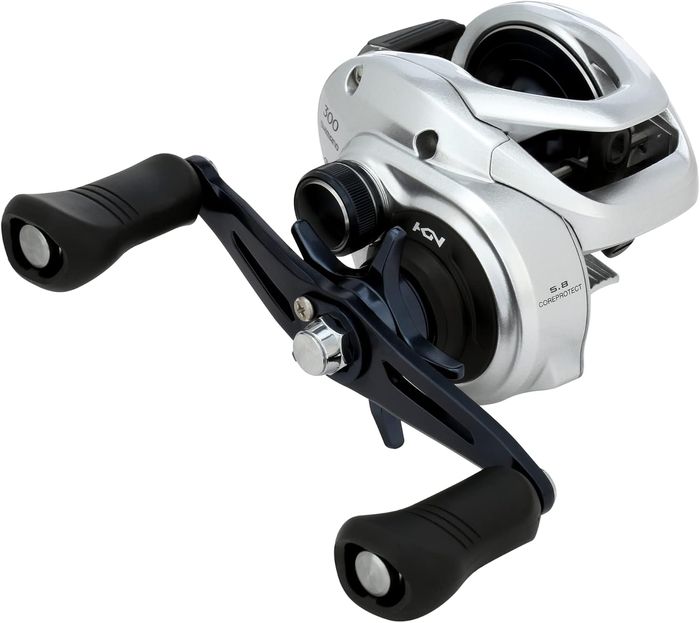
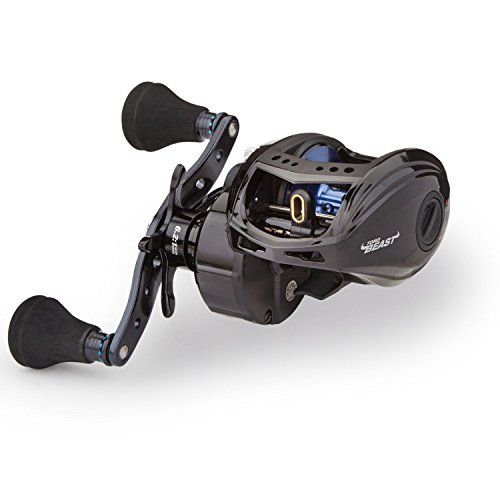
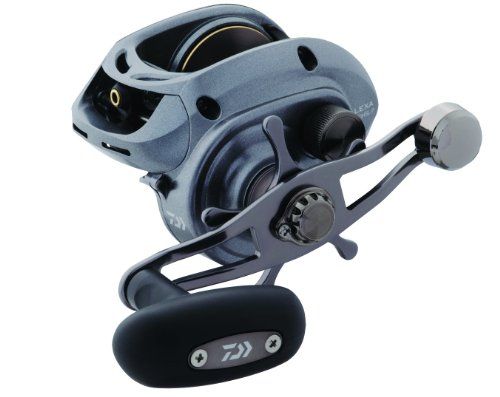
Right-hand retrieve is the default. Buy left on purpose. A tiny knob on a 4-pound bait is a joke — power handle or a real paddle. Leaders are the other reel. Check them every fish. Heavy rods still need a reel that can pick up slack at the boat.
Corvalus, Rover, and Okuma linecounter
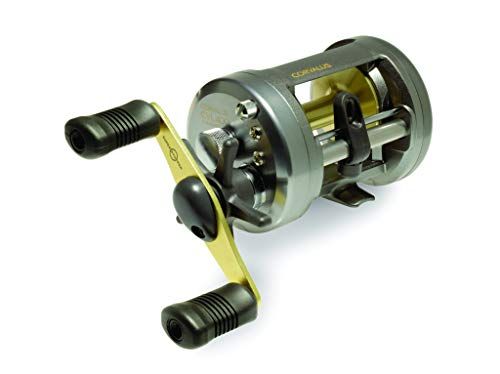
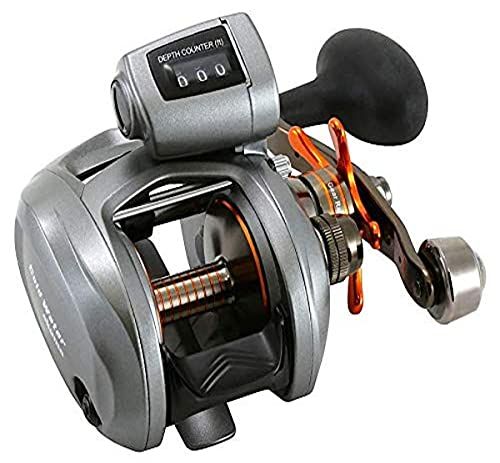
Round reels still have a place. Shimano Corvalus is the old-school round baitcaster that will throw a bucktail and not cry. KastKing Rover is the budget round. Okuma Coldwater 350 is the trolling tool: a linecounter so you can repeat a depth instead of guessing. Do not troll musky without knowing how much line is out unless you enjoy fishing luck.
Thumb the spool. A backlash on a 10-inch bait is a nest you pick while the fish leaves. Figure-eights are where muskies eat. If you are not ready at the boat, the follow is a story. Smallmouth lures are a different sport. Do not throw a 3-inch crank at a musky and call it a system.
| Reel | Best for | Shape | Watch-out |
|---|---|---|---|
| Shimano Tranx | All-around musky | Low profile | Buy the size, not the logo |
| Abu Toro Beast | Big baits, power | Low profile | Heavy in the hand |
| Daiwa Lexa 300 | High-speed pickup | Low profile | Match bait to ratio |
| Shimano Corvalus | Round baitcaster, value | Round | Not a palm reel |
| KastKing Rover | Budget round | Round | Maintain it |
| Okuma Coldwater 350 | Trolling, linecounter | Low profile LC | Not a casting reel first |
Our pick: Tranx or Lexa 300 for casting. Toro Beast when the bait is stupid heavy. Okuma when you troll. Corvalus or Rover to learn without crying about a dunk. Check live prices. Size 300 first.
What musky-reel mistakes look like a follow you cannot convert?
A 200-size bass reel on a nine-inch rubber is how you work twice as hard and still cannot pick up slack on the figure-eight. Size 300 is the all-around musky reel. Size 400–500 is for big blades and big water. Line-per-turn matters more than the gear-ratio sticker. Thirty inches a turn is a starting point. Forty is high-speed for glides and jerkbaits. Heavy bucktails want torque, not a rocket retrieve that burns your forearm by 10 a.m.
Leaders are the other reel. A musky reel with a frayed leader is a $400 story. Check it every fish and every snag. Figure-eights happen at the boat — if you are not ready, the follow is a memory. Thumb the spool. A backlash on a 10-inch bait is a bird’s nest you will still be picking at while the fish leaves.
Right-hand retrieve is most musky reels. If you reel with the left, buy that SKU on purpose. Power handles exist because a tiny knob on a 4-pound bait is a joke. Palming a low-profile Tranx or Lexa is easier on a long day than a round reel that sits up high — until you want a linecounter for trolling, which is the Okuma job.
When to spend: Shimano Tranx or Abu Toro Beast if musky is the season. Daiwa Lexa if you want line pickup and a price that is not a second mortgage. KastKing Rover if you want a round reel to learn on and you accept it is not a Tranx. Spinning has a place for jigging, not for throwing double-10s.
Care: rinse if you touch the Great Lakes. Do not store with the drag locked. A drop of oil on the handle knobs. Replace line when it is furry. Musky fishing is days of nothing and ten seconds of chaos — the reel has to work on second one of the chaos.
A figure-eight kit that is ready at the boat
Reel sized to the bait, power handle, leader you checked, net or cradle, and a brain that is already in the eight when the follow shows. If you start the eight after you see the fish, you are late. Thumb the spool on the cast. A backlash on a 10-inch bait is a nest you pick while the fish leaves. Heavy rods still need a reel that can pick up slack. A broomstick with a 200-size bass reel is a joke with a good blank.
Leaders fail more “reels” than gears do. Check every fish and every snag. A frayed leader is a $400 story you will tell as if the drag failed. It did not. You did. Wire or heavy fluoro to the bait, tied or crimped the way you actually trust, not the way a forum argued last night. Carry extras. Night changes and cold hands are how people skip the check.
Retrieve: right-hand is the default musky SKU. Buy left on purpose. Line-per-turn around 30 inches to start. Higher speed for glides and jerkbaits that need slack gone. Heavy bucktails want torque. A rocket retrieve that burns your forearm by 10 a.m. is the wrong ratio for that bait, not a sign you need a more expensive logo. Match bait to reel. Then fish.
Smallmouth lures are a different sport. Do not throw a 3-inch crank at a musky and call it a system. Do not throw a nine-inch rubber on a 200-size reel and call it “getting started.” Size 300 is getting started. Size 400–500 is big blades. Trolling wants a linecounter so you can repeat a depth. Casting wants a palm and a pickup. Those are allowed to be two reels.
Rinse, line, and when the reel is the wrong tool
Great Lakes and any water that tastes like salt’s cousin: rinse. Do not store with the drag locked. A drop of oil on the handle knobs. Replace line when it is furry. Musky fishing is days of nothing and ten seconds of chaos. The reel has to work on second one of the chaos. A drag you never touched all summer will be the drag that chatters on the fish of the year.
When the reel is wrong: spinning for double-10s, a round reel you cannot palm on a 12-hour casting day if that is your sport, a linecounter you are trying to snap-cast a glide with. Tools have jobs. Okuma Coldwater is the trolling tool. Tranx and Lexa are the casting tools. Toro Beast is the brute. Corvalus and Rover are how you learn without crying about a dunk. Check live prices. Size 300 first.
What we skipped: $800 limited Japanese reels, 150-size “finesse musky” stories, and fly reels. Those can be real later. They are not how you throw a bucktail on a public lake after work. Our pick remains Tranx or Lexa 300 for casting, Toro Beast when the bait is stupid heavy, Okuma when you troll, Corvalus or Rover to learn. Leaders checked. Figure-eight already happening. Line per turn, not a gear-ratio sticker.
Two-reel kits are honest musky: one high-speed for glides, one torque for blades, or one caster and one linecounter. Switching spools on the water is how you drop a spool. Switching rods is how adults fish. That is a fair reason to own Lexa plus Okuma instead of one “does everything” reel that does neither job well. Just rinse both. Just check both leaders. The fish will not wait for the nicer name.
A musky day is ten seconds and a lot of nothing
The reel has to work on second one of the chaos. That means the drag was not locked in the truck all week, the leader was checked, the spool was thumbed, and you were already in the figure-eight when the follow showed. Everything else is fishing luck you will call skill.
Line per turn, not the gear-ratio sticker. Size 300 first. Power handle. Left retrieve on purpose if that is you. Trolling is a linecounter. Casting is a palm. Those are allowed to be two reels. A heavy rod without pickup at the boat is a broomstick. Check live prices. We do not invent numbers.
Rinse Great Lakes water. Replace furry line. Oil the knobs. A $400 reel with a $4 frayed leader is a $4 story. Carry extra leaders. Night changes and cold hands are how people skip the check. Do not skip the check. The fish of the year does not wait for you to rummage for wire.
300 vs 400 vs a bass reel you already own
A 200-size bass reel will not pick up slack on a nine-inch rubber. That is the whole argument. Size 300 is the all-around musky reel. Size 400–500 is big blades and big water. You can start on a 300. You cannot start on a bass reel and call it a system. Line-per-turn around 30 inches. Higher speed for glides. Torque for bucktails.
Round vs low-profile: palm a Tranx or Lexa on a long casting day. Use a round Corvalus or Rover to learn without crying about a dunk. Use Okuma when you troll and want a number on the water. Do not snap-cast a glide on a linecounter and then write a reel review. Tools have jobs. Check live prices. Size 300 first. Power handle. Left retrieve on purpose.
Leaders every fish. Figure-eight already happening. Thumb the spool. Rinse the lakes that taste like salt’s cousin. Do not store locked. Replace furry line. Musky is days of nothing and ten seconds of chaos. The reel has to work on second one. A nicer logo will not pick up slack if the size is wrong. Buy the size. Then fish. Then rinse.
Frequently asked questions
What size musky reel should I buy?
A 300-size low-profile is the all-around. 400–500 for the biggest blades. Line-per-turn around 30 inches is a starting point. A 200-size bass reel is too small.
Low profile or round?
Low profile (Tranx, Lexa, Toro Beast) for palming and all-day casting. Round for simplicity and some trolling. Linecounters if you troll.
What gear ratio for musky?
Mid 5s for heavy pulling baits. Higher speed (7:1 class) for glides and jerkbaits that need slack picked up. Line per turn matters more than the sticker.
Can I use a spinning reel for musky?
For jigging, yes, in a 3000–4000. Not for throwing double-10 bucktails. That is a baitcaster job.
Right or left hand retrieve?
Most musky reels are right-hand retrieve. Buy left on purpose if that is how you reel. Do not assume.
Do I need a linecounter?
If you troll, yes. Repeating a depth beats guessing. The Okuma Coldwater exists for that job.