
Best Smallmouth Bass Lures (2026)
Written by Ben Jackson|
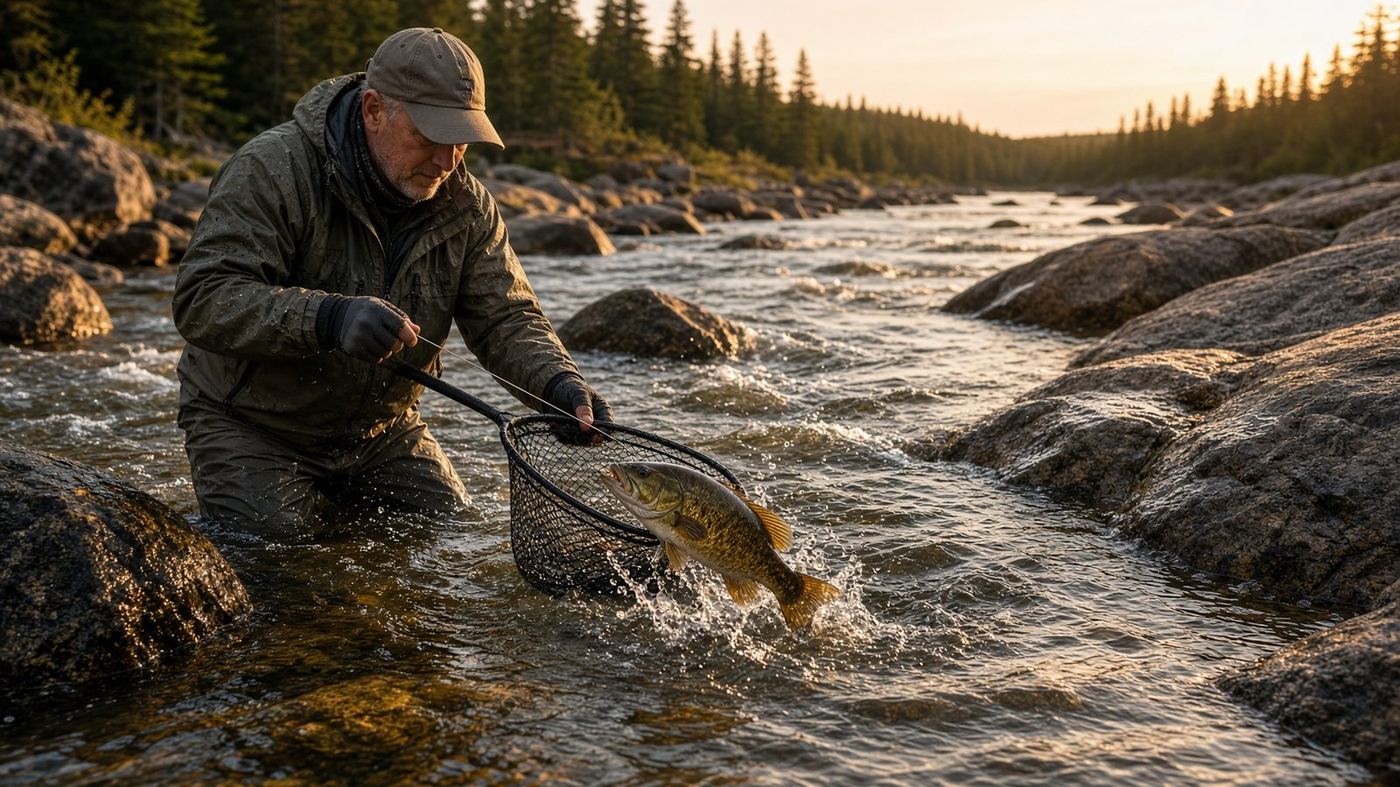
Buy a squarebill (Cordell Big O) and a shad crank (Bomber) to bump rock, a Crickhopper for shoals, and a 3-inch swimbait for weed edges. Match forage size. Pause the retrieve.
Key takeaways
- Two to three inches is the default smallmouth size.
- Tick rock. A crank that never hits bottom is sightseeing.
- The pause is often the eat.
- Lose cheap cranks. That is the job.
Smallmouth bass are not largemouth with a better jawline. They live on rock, current, and bait that is smaller than the swimbaits people throw at them. A lure that ticks gravel and stays in the seam will beat a $25 showpiece that never hits bottom. In 2026 the Amazon box that still makes sense is a squarebill, a shad crank, a hopper, and a small swimbait — not a tackle-aisle panic buy the night before the river trip.
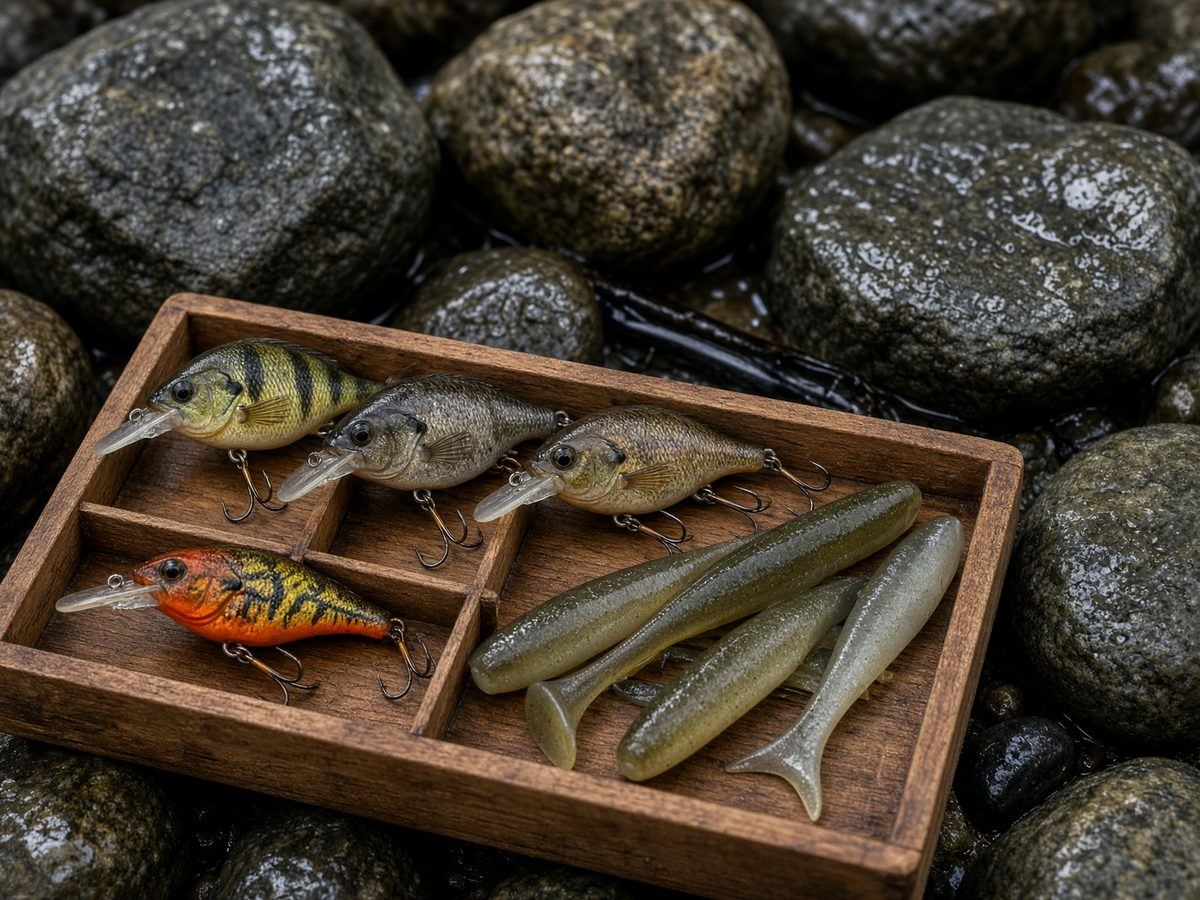
Short version. Buy a Cotton Cordell Big O or a Bomber shad crank if you will bump rock. Buy a Rebel Crickhopper when they want something that looks like a meal on the surface of a shoal. Buy a small Dr.Fish swimbait when you need to cover a weed edge at dusk. Haggerty’s smallmouth packs are how you fill a box without committing to one color religion. Pair them with a spinning reel under $50 and 8- to 10-pound line. Check live prices. We do not invent numbers.
This page is river and rocky-lake smallmouth. If you want muskies, that is musky reels. If you want catfish, that is hooks. A smallmouth lure that never gets wet because you were afraid to tick a rock is a paperweight.
How should you pick a smallmouth lure?
Depth first. A squarebill runs shallow and hates snags less than a tight-wiggling deep crank. A shad crank gets down on a long cast. A hopper stays up. A swimbait’s depth is retrieve speed and weight. If you cannot say what depth the fish are using, start with a squarebill you can bump and a swimbait you can count down.
Size second. Two to three inches is the default. Four inches is a meal for a 4-pounder and a refusal for a school of 12-inch river fish. Color third. Match the hatch in clear water. Craw and chartreuse in stain. Do not own fourteen colors of one bait and zero squarebills.
Bomber shad and Cordell Big O — the rock tickers
The Bomber shad crank is the bait you throw when you want to cover a gravel run without thinking. It dives, it wiggles, it survives a rock. The Cotton Cordell Big O is the squarebill that still shows up in smallmouth boxes because it hunts a little and comes through cover. Both are cheap enough to lose. That is the point. A crank you will not throw into timber is not a smallmouth crank.
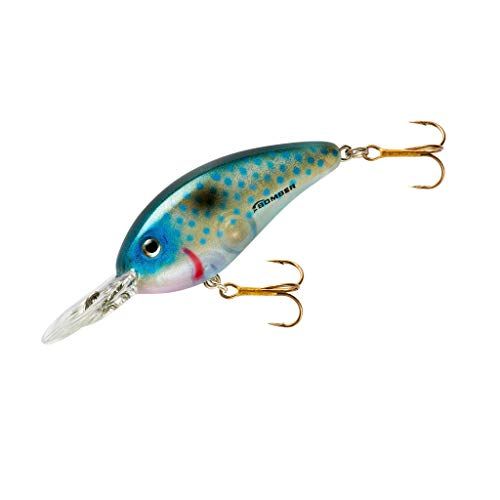
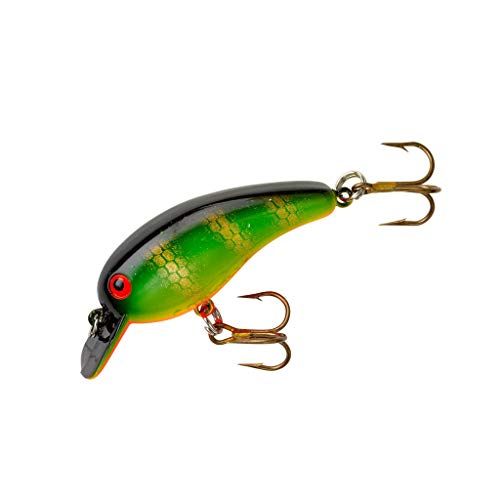
Retrieve: cast upstream or across, let it get down, bump, pause. The pause is the eat. If you burn it back like a spinnerbait, you will catch the occasional idiot and miss the rest. For rod talk, a moderate cranking stick is kinder than a broomstick. For more water judgment, riverside spots still matters more than the paint job.
Rebel Crickhopper and Dr.Fish swimbait
The Crickhopper is the “something is struggling on top of the shoal” bait. Walk it, twitch it, or slow-roll it under a bank. Smallmouth that will not eat a crank will eat a hopper on a still evening. Dr.Fish soft swimbaits are the other gear: a 3-inch body on a light jighead, counted down along a weed edge or a drop. They are not musky rubber. They are the bait you throw when the crank has been ignored for an hour.
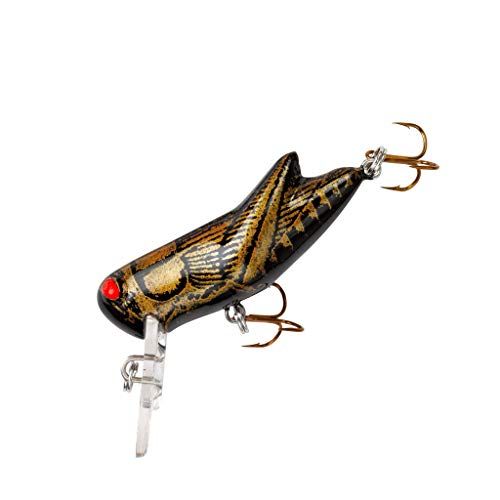
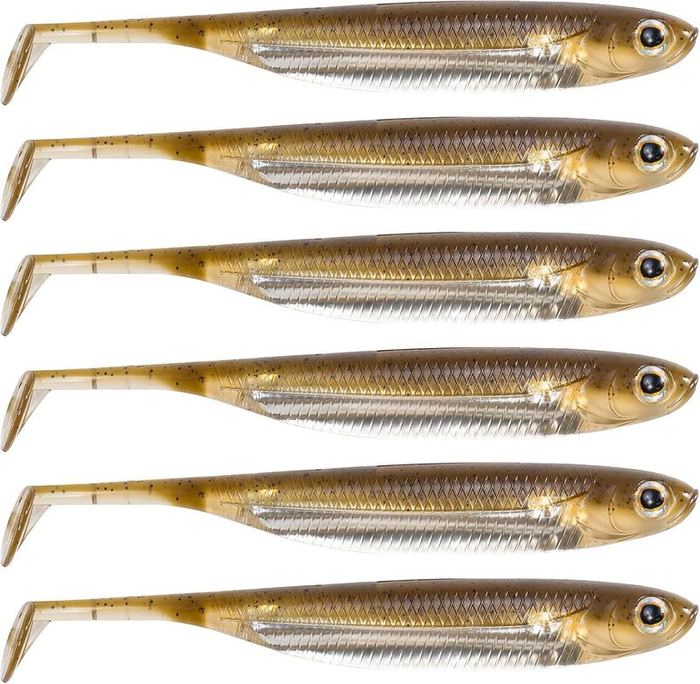
Soft plastics die. Carry extras. A swimbait that is chewed to a nub still catches fish until the hook is showing like a flag. Then change it. Hooks on a hopper treble should be sharp enough to grab a thumbnail. If they are not, replace them before you blame the color.
Haggerty smallmouth pack — filling the box
Assortments exist because people freeze in front of a wall of paint. A Haggerty-style smallmouth pack is how you get a mix in the boat for less than one “pro” crank. Use it to learn what they want that day, then buy two of the winner in a better shell. Do not treat the pack as a personality.
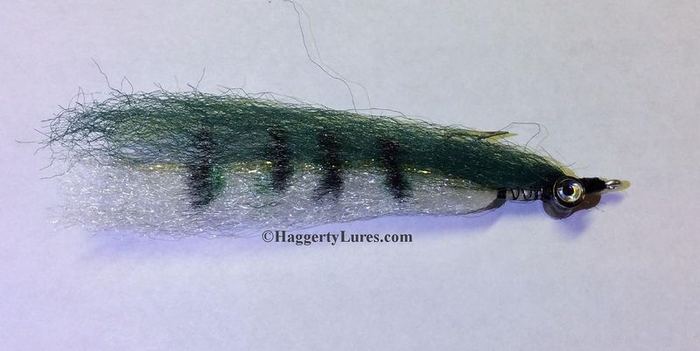
Store them so the points do not dull on each other. A cheap tackle tray with rust is how good packs become junk. Dry the hooks after a river day. Stay fed and keep fishing the seam. The lure change is the last thing, not the first.
| Lure | Best job | Depth idea | Watch-out |
|---|---|---|---|
| Cotton Cordell Big O | Shallow rock, squarebill | A few feet | Lose it, buy another |
| Bomber shad crank | Gravel runs, covering water | Mid | Pause on the swing |
| Rebel Crickhopper | Shoals, surface meal | Top / wake | Sharp trebles |
| Dr.Fish swimbait | Weed edges, count-down | You choose | Bring extra bodies |
| Haggerty pack | Filling a first box | Mix | Learn, then specialize |
Our pick for most river days: a Big O and a Bomber in the box, a hopper for evening, a 3-inch swimbait for the edge. Lose them. Buy them again. That is smallmouth fishing, not a display case.
What smallmouth lure mistakes look like empty livewells?
Throwing a 6-inch swimbait at 8-inch river smallmouth is how you get follows and no eats. Match the forage. A 2- to 3-inch crank or a 3-inch swimbait covers more water than a musky bait with a smallmouth sticker. Color: natural in clear, chartreuse or craw in stain. If you cannot see your boots in two feet, go louder. If you can count rocks at six feet, go smaller and duller.
Current is the other half. Smallmouth sit on the seam, not in the raging middle. A crank that dives to the rock and ticks is the retrieve. A lure that never hits bottom in a four-foot run is sightseeing. Pause on the swing. Most eats on a river crank happen when the bait turns. If you never pause, you never give them the turn.
Hooks: smallmouth have hard mouths. A cheap treble that folds is a fish you tell a story about. Sharpen. Replace. A split ring that rusts in a wet box is how a $12 bait becomes a $0 bait. Dry the tray. Do not store crankbaits hooked to each other in a tangle that dulls every point.
When to spend more: a $8 Bomber that still dives after a rock is a better buy than a $25 Japanese crank you are afraid to tick. Spend the extra on a reel that actually casts and line you trust. The lure is the easy part. The retrieve and the seam are the skill.
Season: spring pre-spawn crank the gravel. Summer walk the small swimbait over weed edges at dusk. Fall crank craw colors along the boulder bank. Winter is a jig conversation this page is not trying to steal. Keep a box with one of each family — squarebill, shad crank, hopper, small swimbait — and stop buying the eighth color of the same bait.
A first-box packing order that actually gets wet
One squarebill, one shad crank, one hopper, two 3-inch swimbaits, spare trebles, a split-ring pliers, and 8- to 10-pound line. That is a smallmouth box. A wall of paint is not. Put the box in the bag the night before, not in the gas-station parking lot while the river drops. Riverside spots beat a new color. Walk the bank. Look for the seam. Then tie on.
Rod: a moderate cranking stick is kinder than a broomstick. A spinnerbait rod will throw a Big O. An ultralight is for 8-inch fish and 4-pound line, not a 3/8-ounce Bomber. If the rod loads on the pause, you will feel the tick. If it is a noodle, you will not. If it is a flipping stick, you will rip the hook out of a 12-incher and call the lure junk.
Line: fluoro or good mono in that 8- to 10-pound window for most river smallmouth. Braid with a leader if you want extra casting distance into wind. Heavy baitcaster line is usually overkill and it kills the action on a 2-inch crank. Fill the spool to a hair below the lip. Overfill is wind knots on the first gust. Underfill is a short cast you will blame on the Bomber.
First hour on a new river: squarebill across the first gravel run, pause on the swing, then the shad crank on the next deeper slot. If nothing, downsize, not upsize. Then the hopper on the next shoal in the evening. Then the swimbait counted down along the weed. That is a day. Buying a seventh crank at lunch is not a day. It is a panic.
Care, loss, and when the lure is done
Dry the tray. Rusted trebles miss bronze fish with hard mouths. A file in the box is cheaper than a new pack of Gamakatsu. Replace a split ring that has opened a gap. Paint chips are not a reason to retire a Big O that still dives. A lip that is cracked, or a bait that rolls instead of wiggles, is done. Lose cheap cranks in timber. That is the job. A crank you will not throw into cover is a paperweight with a sku.
Soft plastics die from teeth and from heat. A chewed swimbait still catches until the hook is a flag. Then change it. Do not leave a bag of Dr.Fish bodies on a dark dashboard. They weld. Keep extras in the box, not in a wish. Stay fed and keep fishing the seam after a skunk hour. The lure change is the last thing, not the first. Water, current, and depth are the first three.
What we skipped on purpose: musky rubber, 6-inch swimbaits, and “bass” packs built for Florida grass. Musky is a different sport. A smallmouth lure that never ticks rock because you were afraid of a snag is sightseeing. Tick. Pause. Sharpen. Check live prices. We do not invent numbers, and we do not pretend a $25 Japanese crank is required to catch a 14-inch bronze fish on a gravel bar you can see from the road.
Night and stain: a louder craw or chartreuse squarebill, slower, still ticking. Clear high-sun: smaller, duller, longer pause. If you can count rocks at six feet and you throw a firetiger 4-inch crank, you are fishing for the one idiot in the pool. There is usually one. There are not usually twenty. Fish for the twenty.
Read the water before you open the box
A gravel run with a seam against a boulder bank is a squarebill. A deeper slot off a point is the Bomber. A still evening shoal is the hopper. A weed edge at dusk is the 3-inch swimbait. If you cannot name the water, you cannot name the lure. Walk first. Tie second. That order is how you stop buying the eighth color of the same crank at lunch.
Wind on a rocky lake is a longer cast and a bait that still ticks. Current on a river is the swing and the pause. Same box. Different retrieve. The fish did not change species because you drove to a different ramp.
Frequently asked questions
Do I need a special lure for smallmouth bass?
You need a lure that matches forage size and the depth they are using. Squarebills, small shad cranks, hoppers, and 3-inch swimbaits cover most river and rocky-lake smallmouth. Giant bass swimbaits are usually the wrong size.
Can lures be reused?
Yes. Dry them, sharpen trebles, replace split rings that rust. A crank that still dives after a rock is worth more than a mint bait you will not throw.
What color should I throw for smallmouth?
Natural shad and craw in clear water. Chartreuse, craw, or something louder in stain. If you can count rocks at six feet, go smaller and duller.
Crankbait or swimbait?
Cranks to cover water and tick rock. Swimbaits to count down an edge or match a baitfish school. Carry both. Let the fish pick.
What line should I use?
Eight to 10-pound fluoro or mono on spinning for most river smallmouth. Braid with a leader if you want extra casting distance. Heavy baitcaster line is usually overkill.
When do smallmouth eat on the retrieve?
Often on the pause, especially when a crank turns in current. If you never pause, you never give them the turn.