
Baitcaster vs spinning combo for fall bass
Written by John Wren|
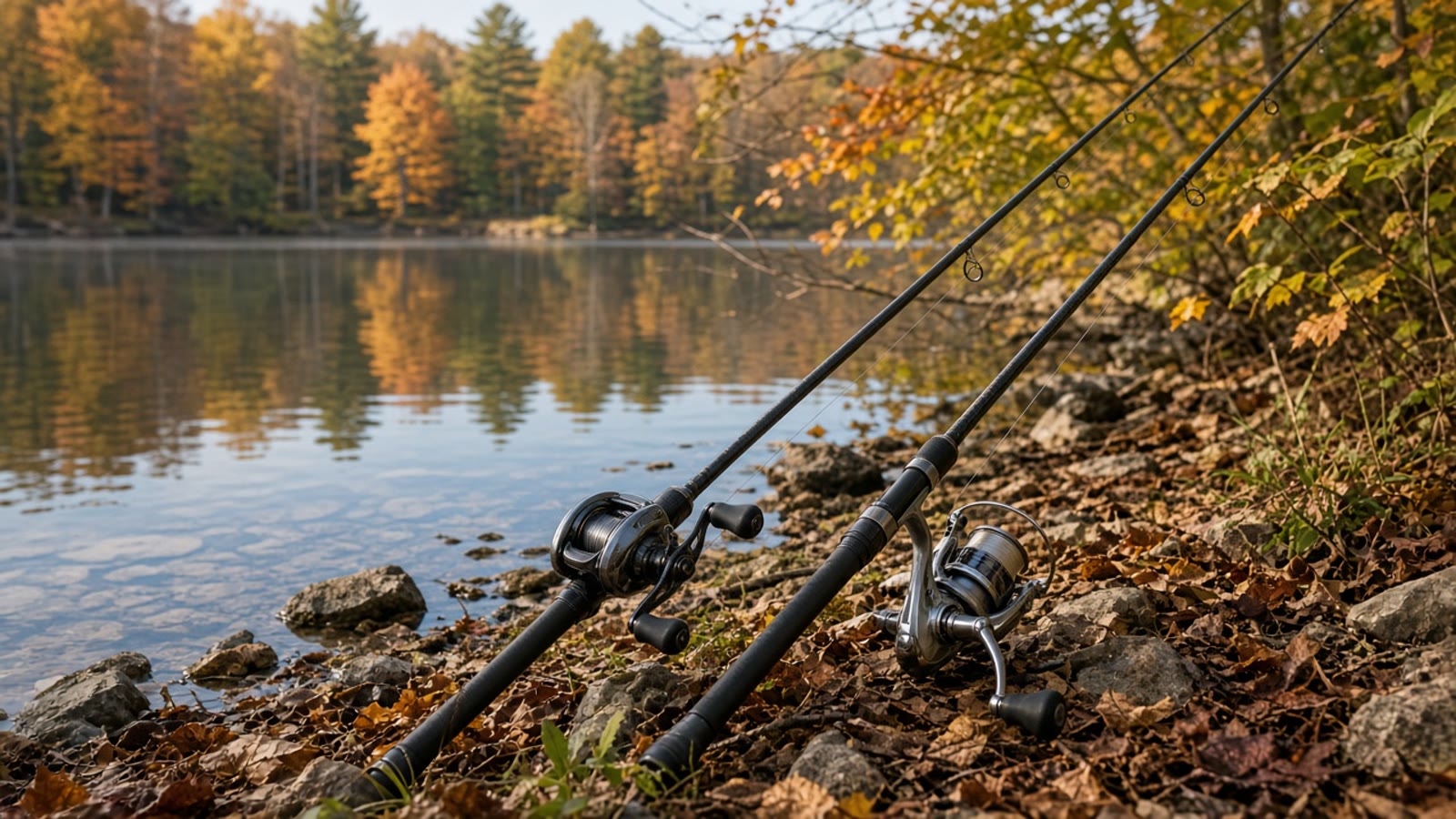
A baitcaster is the fall tool for moving baits and wind. A spinning combo is the fall tool for finesse and light line. Own both if you fish weekends; if you buy one, match it to the lure you will actually throw.
Key takeaways
- Moving baits and wind want a baitcaster.
- Finesse and first-timers want spinning.
- Fall days often need both on the deck.
- Match lure weight to the blank, not the logo.
Fall bass on a reservoir or a river mouth is a retrieve-speed problem, not a brand problem. A baitcaster vs a spinning combo is the fight that still stops people at the rack. Both outfits will catch fish. They do not do the same work on the same lure. If you will throw a crank, a chatterbait, or a heavy jig into wind, buy the baitcaster. If you will skip a wacky rig, throw a light jerkbait, or teach a kid, buy the spinning combo.
Short version. A baitcaster is the fall tool for moving baits and braid you can still feel. A spinning combo is the fall tool for finesse, light line, and a lure that wants to die on a slack pause. Most serious fall anglers own both. If you only buy one this month, match it to the bait you will actually throw after work, not the rod that looked mean on a hook. The baitcaster combo page is the longer shopping list. A spinning reel under $100 is the other rack.
Who should buy a baitcaster, and who should buy spinning?
Buy a baitcaster if your fall pattern is a squarebill on a rock point, a spinnerbait on a windy bank, or a jig you will rip out of wood. Buy spinning if your fall pattern is a shaky head on a clean point, a small swimbait, or a jerkbait you want to walk without fighting the reel. Buy both if you already know you will do both in the same afternoon — which is most October days when bass slide from shallow wood to a deeper break as the sun climbs.
A famous bass lake does not change the physics. Wind on a main-lake point still wants a baitcaster. A slick calm pocket still wants spinning. Summer gear is the same split with more topwater. Fall just makes the wrong reel more obvious because the fish have less patience for a splashy cast.
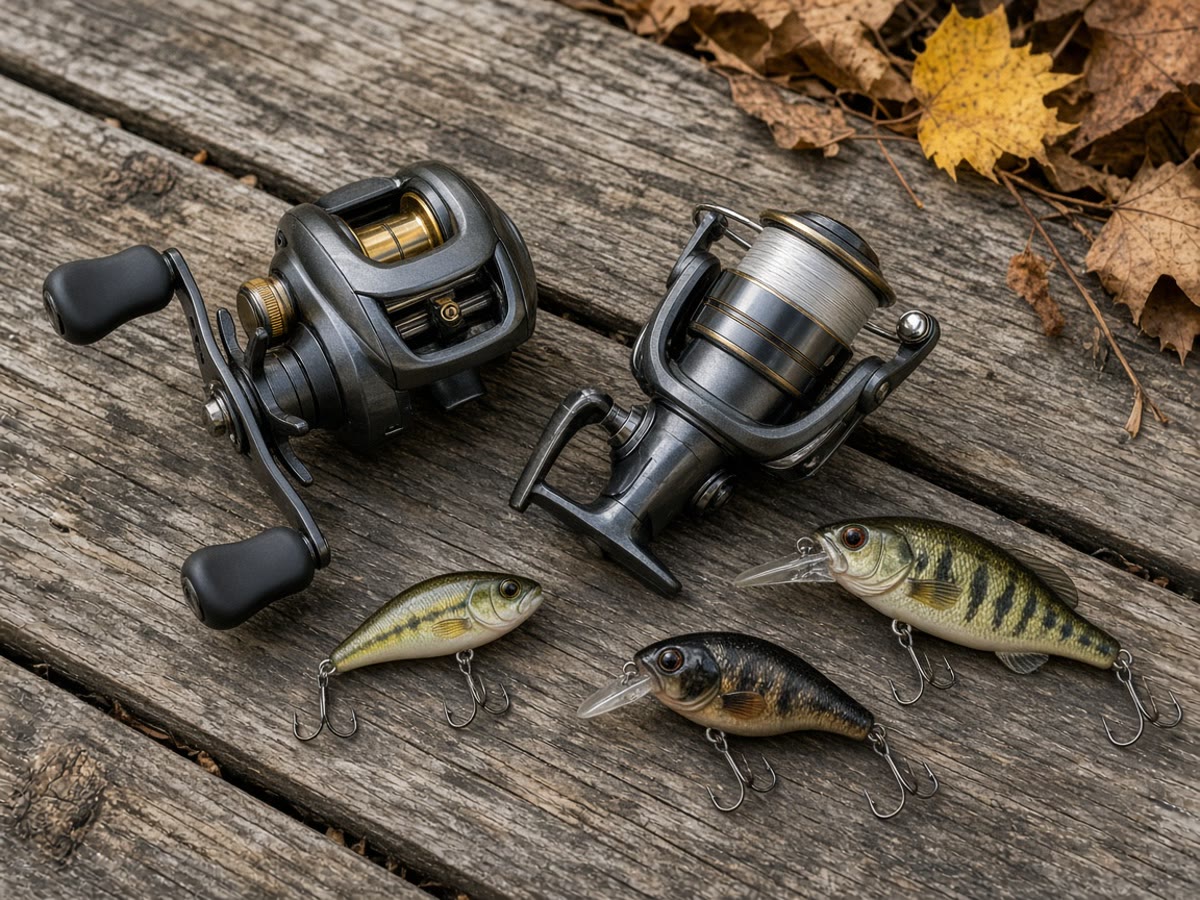
| Fall job | Baitcaster | Spinning combo | Our call |
|---|---|---|---|
| Crank, chatter, heavy jig | Casting into wind, braid, power | Underpowered and twisty | Baitcaster |
| Wacky, drop shot, light jerkbait | Backlash city on light line | Skip and pause without drama | Spinning |
| Teaching a first bass rod | Thumb school on day one | Open bail and go | Spinning |
| Windy main-lake point | The reason baitcasters exist | Line slap and short casts | Baitcaster |
| Skipping docks | Learnable, worth it | Easier on day one | Spinning until you practice |
Line, lure weight, and the rod power on the blank matter more than the logo. Match the lure to the rating on the stick.
Why does fall make this fight louder?
Bass in September and October are eating, then sliding. Shallow wood and docks still hold fish on a warm afternoon. Wind on a point pulls bait. A cold night shuts the same bank down by 10 a.m. You will throw a moving bait into weather in the morning and a slower bait into a pocket at lunch. That is two reels if you want to do it well.
Water clarity often improves as algae dies. Light line and a smaller profile start to matter on spinning. Wind still happens. A baitcaster still wins when you need a lure that digs. People who only own spinning in fall either fish calm water or they spend the windy hour watching someone else catch fish on a crank. People who only own a baitcaster skip the wacky-rig hour that saves a tough day. A river camp with a smallmouth mix wants both even more — current is just wind that never stops.
When is the baitcaster the fall rod?
A baitcaster is a thumb, a spool you can see, and a lure heavy enough to pull line off without help. Fall cranks, spinnerbaits, bladed jigs, and compact jigs are that lure. Braid to a fluorocarbon leader is the usual line. You feel a rock, a limb, and a tick. You also backlash if you ignore the brake and throw a light jerkbait into a crosswind. That is not the reel failing. That is the wrong tool.
The Abu Garcia Black Max baitcast combo is the live starter we name when the job is a moving bait and you do not want to build a custom rod first: a right- or left-hand retrieve you can actually buy as a pair, with enough brake to learn on. Check live prices. The combo roundup is the longer list if you already know you want a specific ratio.
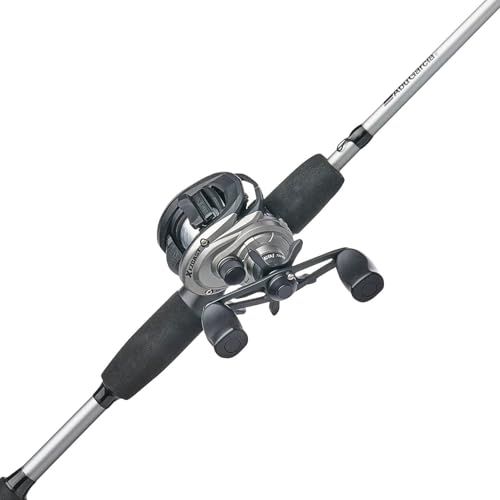
Set the spool tension so the lure falls slowly when you press the bar. Set the magnetic or centrifugal brake higher than your pride wants on a windy day. Thumb the last ten feet. A bird’s nest on a point is a fish you did not catch, not a story. If the reel still throws loops with a 1/2-ounce bait, the line is too light or the lure is too light. Step up the bait or pick up spinning.
When is the spinning combo the fall rod?
Spinning is an open bail, a lure that may weigh 1/8 ounce, and line that does not have to fight a spool inertia problem. Fall finesse is a wacky senko, a light jig, a small swimbait, a jerkbait you want to kill on a three-count. You can also throw a light spinner if the wind is honest. You cannot throw a 3/4-ounce football jig into a 20-mile wind and enjoy the afternoon. The rod will fold. The line will twist. The fish will not care that you were loyal to the reel.
The Ugly Stik GX2 7-foot spinning rod is the live stick we name for a first or a truck rod: a moderate action that still casts a light bait and does not explode when a 4-pounder buries in wood. Check live prices.
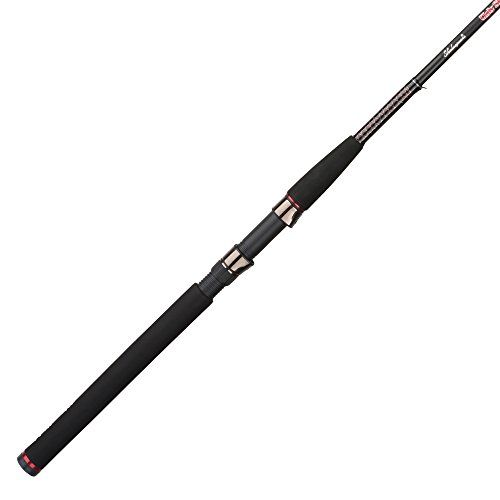
Pair it with a reel that has a bail you will actually close. The Shimano Sienna spinning reel is the live under-a-hundred reel on the budget spinning page: enough retrieve for a jerkbait, a drag that does not seize on the first run if you set it. Check live prices. The spinning-reel page is the longer comparison. Under $50 if the rod already exists and you just need a spare.
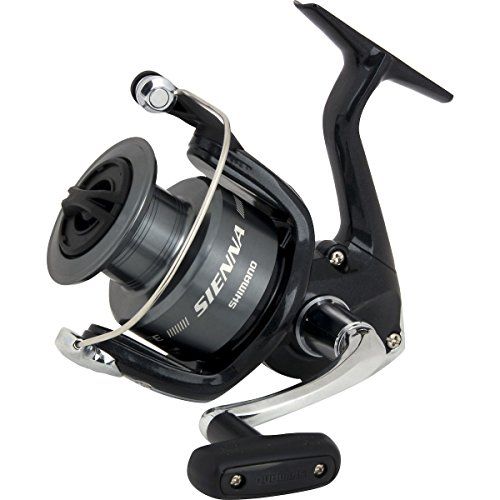
Line on spinning in fall is usually 8- to 12-pound fluoro or a light braid with a fluoro leader. Do not spool 20-pound mono because it was in the garage. A light bait will not pull it. A spinning reel stuffed with heavy mono is how people decide spinning “doesn’t cast.” It casts. You buried it.
Which fall baits actually pick the reel for you?
A squarebill, a mid-depth crank, a spinnerbait, a chatterbait, a 1/2-ounce jig: baitcaster. A wacky rig, a ned, a drop shot, a 1/8- to 1/4-ounce shakey, a small jerkbait: spinning. A walking topwater can go either way; baitcaster if you already walk one, spinning if you are learning. A live-style soft jerk on a 4/0: spinning if it is light, baitcaster if you added a nail weight and started skipping boats.
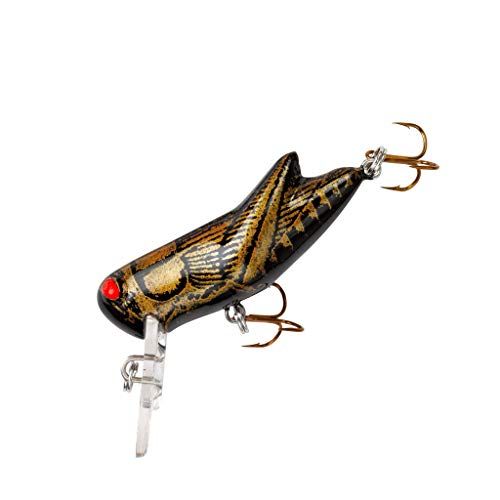
The Rebel Crickhopper is the live hard bait we name when fall bass are eating insects and small forage along a bank: a compact crank you can throw on spinning or a light baitcaster, with a profile that still looks like food when the water is clear. Check live prices. It is not a 1-ounce deep crank. Do not force it onto a heavy baitcast rod and then wonder why it will not dive.
A jerkbait rod is a spinning or a light baitcast conversation of its own. Fall jerkbaits in 50-degree water want a pause you can stand. Spinning makes that pause easier because you are not fighting a spool. A dedicated jerkbait baitcaster is for people who already live on that retrieve. If this is year one of fall bass, spinning is the jerkbait rod.
What line belongs on each reel in fall?
Baitcaster: 30- to 50-pound braid to a 12- to 17-pound fluoro leader for most moving baits, or straight 12- to 17-pound fluoro if you want stretch on a crank. Spinning: 10- to 15-pound braid to an 8- to 12-pound fluoro leader, or straight 8- to 10-pound fluoro for clear water. These are starting points, not a law. A wood-choked creek wants heavier. A slick highland reservoir wants lighter.
Retie when the leader looks cloudy. Fall fishing is a lot of rock and a lot of baitfish. A nicked leader is a fish you almost had. Fillet the ones you keep and release the rest wet. The reel argument does not change how you handle a fish.
How long does a baitcaster take to learn for fall?
A backyard with a practice plug and no hooks is a weekend. A windy point with a cheap crank is a more expensive school. If you have three Saturday mornings before a trip, you can throw a 1/2-ounce bait well enough to fish. You will still backlash. Carry a pick, or carry a spinning rod as the backup. People who refuse to learn a baitcaster still catch fall bass. They just do it on spinning with lighter baits, or they wait for the wind to die.
Kids and first-timers should start spinning. A backlash in a tree is how a kid decides fishing is a fight with a machine. Teach the baitcaster later, on a lawn, with a closed-face or a magnetic brake cranked up. A city lake is a good classroom because the fish still eat after a messy cast. A park pond in October will still eat a spinning wacky rig after work when you only have forty minutes of light.
Do you actually need both outfits?
If you fish once a month, buy the reel that matches the bait you already own. If you fish fall weekends, two rods on the deck is normal, not extra. A baitcast combo for the windy hour and a spinning combo for the pocket is how you stop tying on a new lure every twenty minutes. Rod sleeves in the truck keep the tips from dying on a tailgate.
Our pick for a single purchase this month: spinning if you are new or you live on finesse; baitcaster if you already throw moving baits and the wind is the weather you actually get. The honest kit is both. Check live prices. Leave the 8-foot flip stick for a different season.
Also in the magazine
Keep going with baitcaster combos, spinning reels under $100, jerkbait rods, and bass destinations. Check live prices.
Frequently asked questions
Baitcaster or spinning for fall bass if I only buy one?
Spinning if you are new or you throw light finesse. A baitcaster if your fall bait is a crank, chatterbait, or heavy jig and you already have a thumb.
Why do people say baitcasters are better in wind?
A heavy lure pulls line off a baitcast spool without the line slapping a spinning rotor. Wind on a main-lake point is the classic baitcaster hour.
Can I throw a wacky rig on a baitcaster?
You can, with light line and a lot of brake. Most people should not. Spinning skips and drops a light stickbait without a bird’s nest.
What baitcast combo should a fall bass angler start with?
The Abu Garcia Black Max baitcast combo as a starter for moving baits. Check live prices. Build a custom rod later if you already know the ratio you want.
What spinning rod and reel should I pair for fall finesse?
Ugly Stik GX2 7-foot spinning rod with a Shimano Sienna reel. Light fluoro or braid-to-fluoro. Check live prices.
Do I need both rods in the boat?
On a real fall day, yes — moving bait in the wind, finesse when it dies. If you fish once a month, buy the reel that matches the lure you already throw.