
Best Spinning Reels Under $50 (2026)
Written by Ben Jackson|
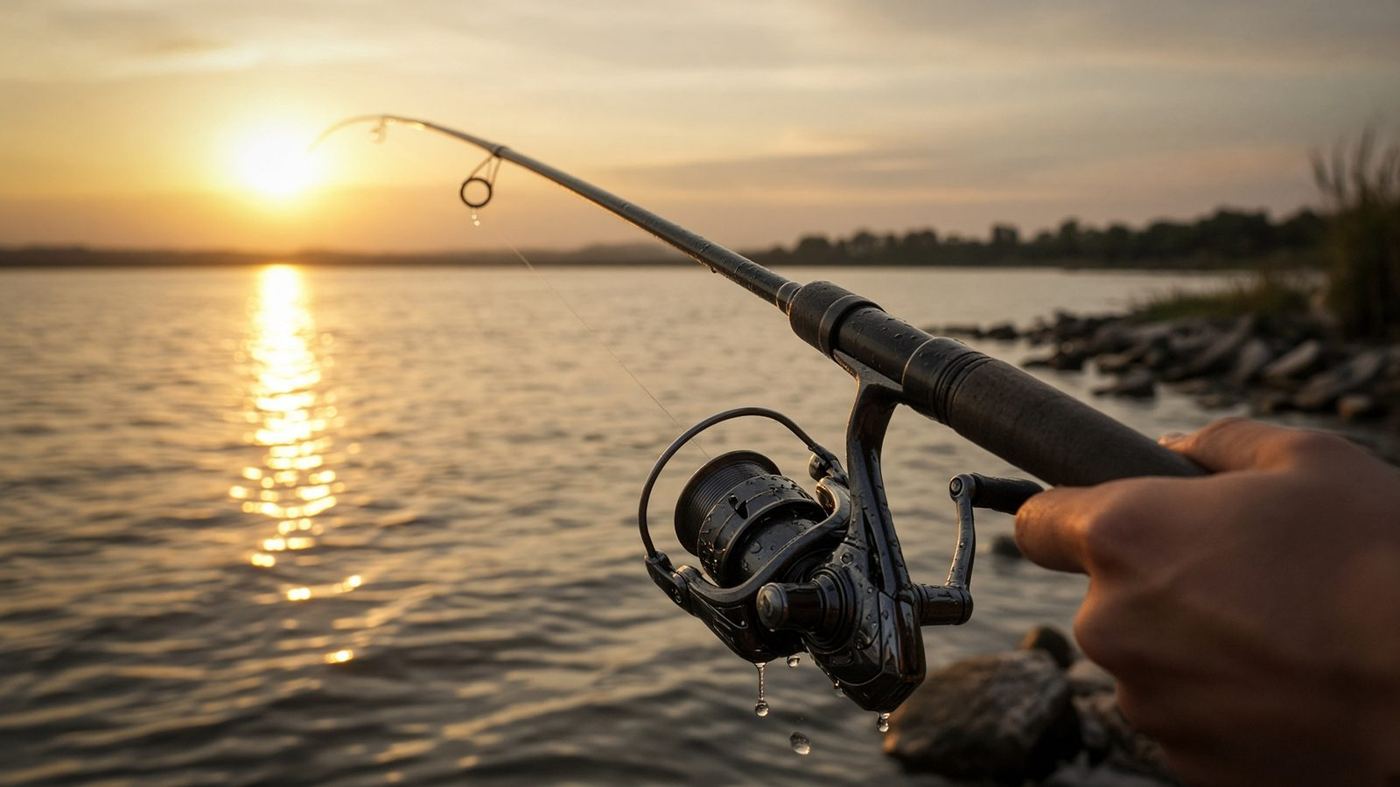
Buy a Shimano Sienna-class or Pflueger Trion in a 2500–3000 for a first spinning reel under $50. KastKing and Piscifun are the spec-sheet alternatives. Rinse them. Set the drag so a snag does not break the rod.
Key takeaways
- 2500–3000 is the all-around freshwater size.
- A smooth drag beats a huge max-drag number.
- Rinse after salt. Cheap reels die from neglect, not from bass.
- Start spinning. Baitcasters are a later fork in the road.
A spinning reel under $50 is how most people actually learn to fish. It is not a $400 Maguro. It is a bail, a drag, and enough smoothness that a beginner does not invent backlash on a baitcaster they were not ready for. In 2026 the under-$50 pile is KastKing, Piscifun, a real Shimano Sienna-class reel, and Pflueger Trion — names that still mean a reel you can take apart, not a toy sealed in mystery plastic.
Short version. Buy a Shimano Sienna if you want the brand that still has parts and a service story at this price. Buy a Pflueger Trion if you want a live-line, decent drag, and a reel that has been a “first good reel” for a decade. Buy KastKing Megatron or Lancelot, or Piscifun Flame, when the spec sheet (bearings, max drag, aluminum spool) is the reason you clicked and you accept that the company is the internet. Pair the reel with a rod that matches the size — a 2500 on a crappie rod is not a 4000 on a spinnerbait rod. For the step up, spinning reels under $100 is the next page.
Size is the decision. 1000–2500 is panfish, trout, and light bass. 3000 is the all-around freshwater size. 4000–5000 is heavier freshwater and inshore if you rinse it. Under $50 at 5000 is how you buy a lot of max-drag on paper and a reel that feels like a coffee grinder in year two if you skip maintenance. Gear ratio around 5:1 is a retrieve you can live with. Drag is a number until it starts in a surge; a smooth 8 pounds beats a peaky 15.
What actually matters under $50?
An aluminum or decent braid-ready spool. Instant anti-reverse that does not clunk. A bail that closes without a fight. A handle you can swap to the other side. Bearings are a marketing count. Six cheap bearings are not better than four decent ones. Sealed drag is a phrase; rinse anyway. If you fish salt, fly fishing is a different tool, and this spinning reel needs a bath the night you get home or it becomes a paperweight with a KastKing logo.
Line: 8–12 lb mono or the braid-diameter equivalent on a 2500–3000. Do not put 30 lb braid on a 1000 and then ask why the knots will not go through the guides. Fill to 1/16 inch below the lip. Overfill is wind knots. Underfill is short casts. Smallmouth lures and catfish hooks care about the reel only as a drag and a retrieve. Match them.
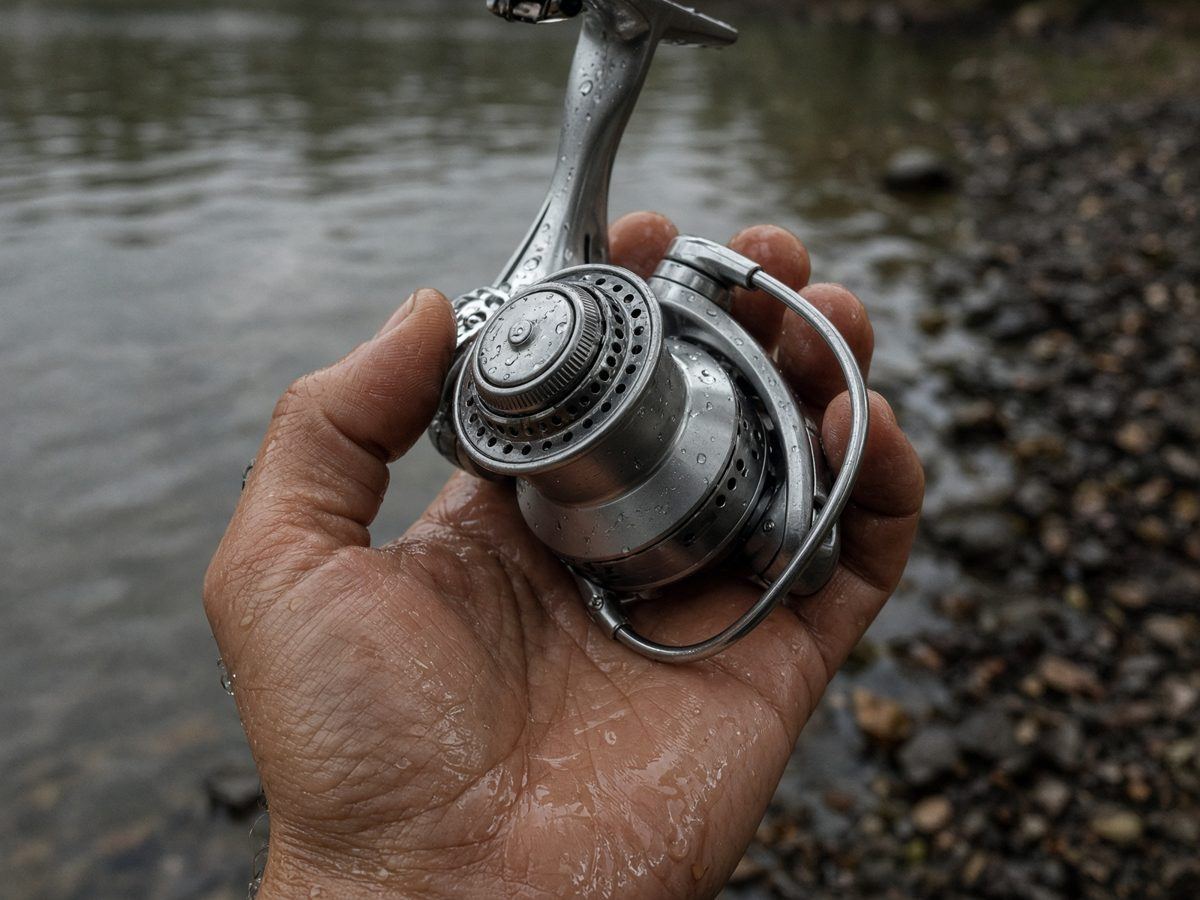
Shimano Sienna and Pflueger Trion — the name-brand floor
Shimano at this price is usually a Sienna or FX-class spinning reel: a known body, a known spare-parts path, and smoothness that is not a YouTube spec sheet. Pflueger Trion is the other American-tackle-drawer reel — a braid band, a decent drag, a size run that actually exists. These are the reels you buy for a kid or a glove-box rod when you want the thing to still feel like a reel in three seasons.
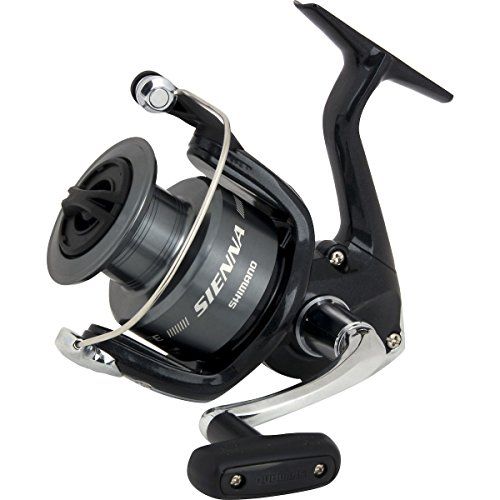
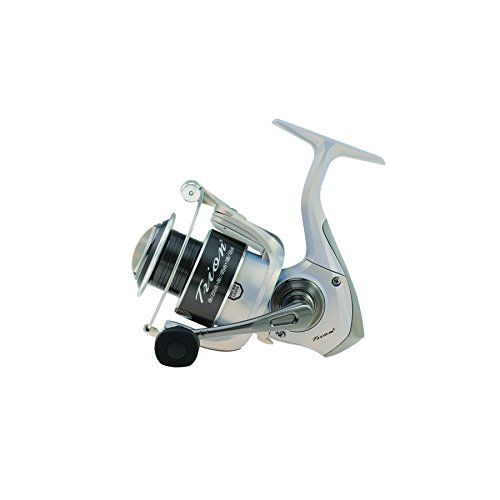
They will not feel like a Stradic. They will not cost like a Stradic. If you already know you will fish 80 days a year, skip this page and go to under $100. If you fish 12 days a year, a Sienna is how you stop blaming the reel for a backlash that is actually a baitcaster you were given too soon. Baitcaster combos are the other fork in the road, not the starter kit.
KastKing Megatron, Lancelot, and Piscifun Flame
This is the internet tackle stack: a lot of bearings on the box, an aluminum spool, a max-drag number that looks like a truck bumper, and a price that makes two-reel kits possible. KastKing Megatron in a 3000 is the “I want it to look serious” under-$50 reel. Lancelot is the smaller-wallet sibling. Piscifun Flame in a 5000 is the heavier body people put on a catfish rod and then forget to rinse.
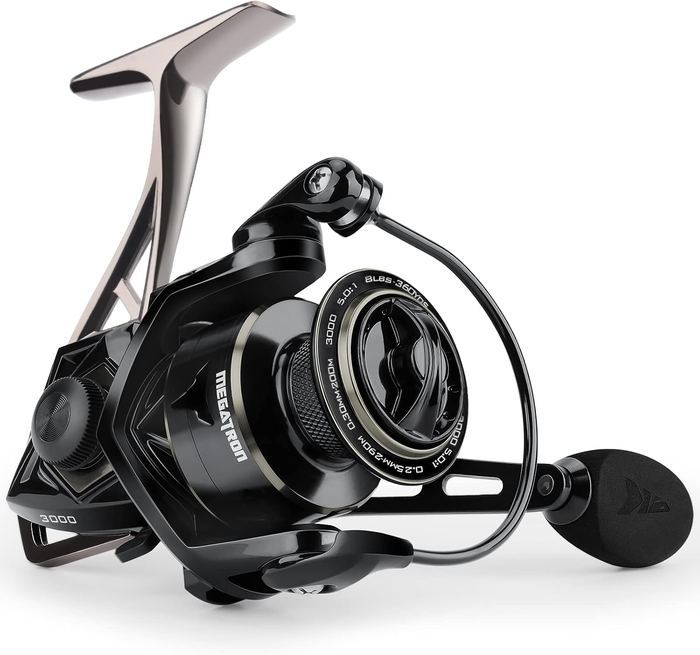
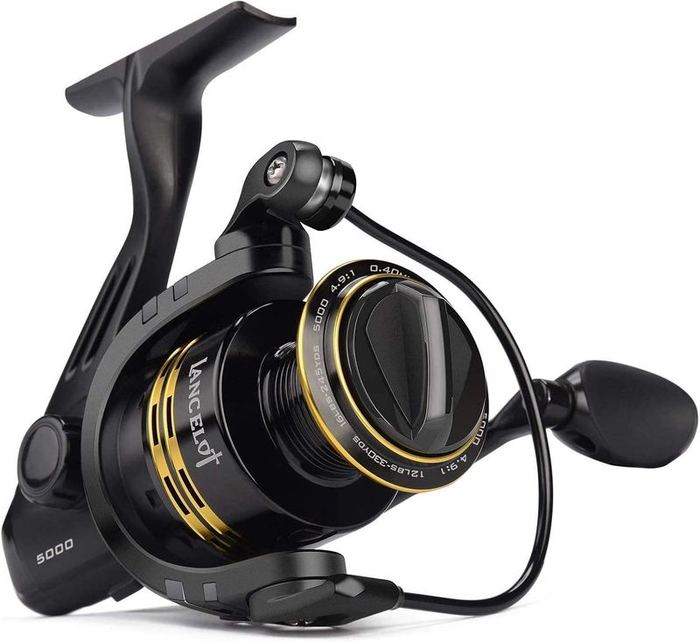
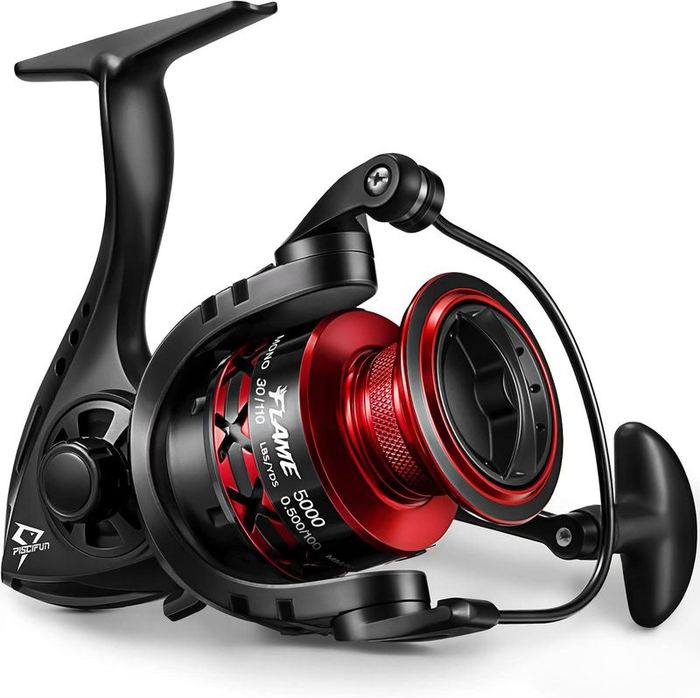
These reels work. They work better if you do not treat the first year as maintenance-free. Rinse. A drop of oil on the bail hinge. Do not store them with the drag locked down. A 5000 Flame on catfish is a fair use. A 5000 Flame on a trout creek is a clown show. Size the reel to the fish, not to the number that looked manly on the box.
How do you set up a cheap spinning reel so it does not fight you?
Handle on the side you actually want — most spinning reels are left-hand retrieve if you reel with the left and hold the rod in the right, which is how a lot of people should start. Open the bail with your hand, not by cranking it shut. Cranking a bail shut is how cheap bails die. Spool braid with a mono or fluoro backing or a tape band so it does not spin on the arbor. Set drag to about a third of the line’s breaking strength and then fish, not by yanking until the line sings in the driveway.
A spinning reel is not a baitcaster. You will not “learn better” by starting on a baitcaster to impress a person at the ramp. Start here. Move up when the drag or the smoothness is the actual limit, not your ego. For more first-fish structure, stay fed on the water and riverside spots will do more for a Saturday than a seventh bearing.
| Reel | Best for | Size idea | Watch-out |
|---|---|---|---|
| Shimano Sienna-class | First reel, parts, smoothness | 1000–4000 | Not a Stradic |
| Pflueger Trion | Live line, all-around freshwater | 20-size class | Rinse if you touch salt |
| KastKing Megatron 3000 | Spec-sheet 3000 under $50 | 3000 | Internet brand, maintain it |
| KastKing Lancelot | Budget second reel | Small / medium | Do not drown it in salt |
| Piscifun Flame 5000 | Heavier freshwater, cats | 5000 | Overkill on panfish |
How do you keep a $40 reel from dying in a season?
Rinse with fresh water, not a pressure washer that drives grit into the gear. A light hose or a bucket dunk, then dry. A drop of oil on the bail roller and handle knob once in a while. Do not store it in a wet truck box. Do not leave the drag cranked in a hot garage — that is how washers take a set and start grabbing. Back the drag off when you rack the rod.
Line memory on cheap mono is real. If the line comes off in coils, you waited too long to replace it. Braid lasts longer and still gets fuzzy. Cut the fuzzy and retie. A $40 reel with fresh line outfishes a $200 reel with last year’s sun-rotted mono. For the rod side of the same money, baitcasters under $100 is a later purchase. For catfish and heavier line, size up the reel rather than stuffing 30 lb into a 2000 until the knot sits on the lip.
When should you leave the under-$50 aisle?
When the drag is the thing you feel on a fish. A surgy $40 drag that starts with a lurch is how you tear a hook out of a trout or break off a snook. When you fish salt more than “a couple days a year.” A sealed or at least serviceable inshore reel is cheaper than replacing a frozen Flame every spring. When you fish 50-plus days a year. Time on the water wears cheap gears. Under $100 is the honest next shelf.
Kids: a $40 spinning reel is perfect. They will drop it. They will sand it. They will leave it in the rain. Buy two. Do not hand a child a baitcaster and a lecture. For lures they can actually throw, smallmouth lures in a size that matches a 2500 is how a kid catches a fish instead of a tree.
Combo kits under $50 that include a rod and a reel are a different compromise. The reel in those kits is often worse than a Sienna you pick yourself. If the rod is a broomstick, you saved the wrong dollars. A decent rod and a Sienna will outfish a matching camo combo from a big-box endcap. Check live prices. We do not invent numbers, and we do not pretend last year’s “$29.99” is still the listing.
Our pick for most people: Shimano Sienna-class in a 2500 or 3000, 10 lb mono or light braid with a fluoro leader, drag set so a snag does not break the rod. Pflueger Trion if you find it in the same money. KastKing or Piscifun when you want two reels for the price of one name-brand and you will rinse them. Step to under $100 when the drag is the thing you can feel.
Spool, drag, and the first three trips
Trip one: backyard casts with cheap mono until the bail motion is automatic. Close the bail with your hand. Learn the drag by pulling line with a glove, not by tightening until it will not move. Trip two: a pond you cannot snag an expensive lure in. Trip three: the place you actually wanted to fish. A person who learns a spinning reel on a crowded pier with braid and a treble hook is how birds get involved.
Match the reel to the rod’s line rating and to the lure weight. A 5000 on an ultralight is a joke. A 1000 on a catfish rod is a joke the other way. Crappie wants a small reel. Catfish wants a bigger one. The under-$50 aisle has both. Read the size, not just the brand.
When it grinds: stop fishing it as a coffee mill. Grit in the gears is a rinse-and-service job, or a twenty-dollar lesson if you drowned it in sand. A Sienna you rinse will outlast a Megatron you treat as disposable, but both will last a season if you are not cruel. Cheap tackle dies from sand and salt, not from a bass.
Line notes that save a trip: fill to a hair below the lip. Overfill is wind knots on the first windy day. Underfill is a short cast you will blame on the reel. Braid wants backing or tape on the arbor. Mono wants to be fresh enough that it does not coil off the spool like a phone cord. If the line is old, the reel is not the problem. Cut it off and start over. That is cheaper than a new Megatron and faster than a forum argument.
Two-reel kits are how a cheap reel earns its keep: one spooled with light line for lures, one with heavier line for bait. Switching spools on a $40 reel in a parking lot is how you drop a spool in gravel. Switching reels is faster. That is a fair reason to buy KastKing plus Piscifun instead of one nicer name. Just rinse both.
Frequently asked questions
Is a spinning reel under $50 worth buying?
Yes for learning, a glove-box rod, and 10–20 days a year. A Shimano Sienna or Pflueger Trion at this price is a real reel. Move up when smoothness or drag is the actual limit.
Spinning vs baitcasting for a beginner?
Spinning. A baitcaster is a different skill. Start here. Switch when you have a reason, not because a person at the ramp said so.
What size spinning reel should I buy?
2500–3000 is the all-around freshwater size. 1000–2000 for trout and panfish. 4000–5000 for heavier fish and inshore if you rinse it.
Can I use a cheap spinning reel in saltwater?
For a day, yes, if you rinse it the same night. Under-$50 reels are not sealed inshore machines. Flush the bail, handle, and spool. Do not store it salty.
Braid or mono on a $40 reel?
Either. Braid needs a backing or tape so it does not spin on the arbor. Fill to just below the lip. Overfill is wind knots.
How many bearings do I need?
Bearings are a marketing count at this price. A smooth four-bearing Shimano will feel better than a nine-bearing mystery reel. Fish the drag and the bail, not the box.