
Echo vs. Husqvarna: Which Chainsaw Brand Is Right for You?
Written by John Wren|
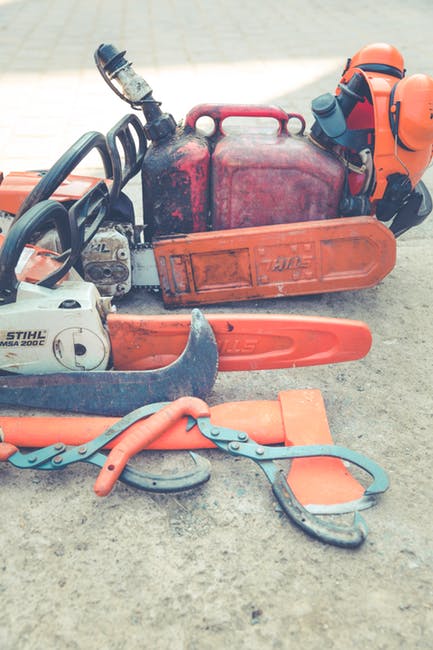
Buy an Echo 40–50cc saw for reliable, affordable homeowner use. Buy a Husqvarna mid-to-professional saw if you run it often enough that anti-vibration handling and ergonomics justify the price. Match bar length to your actual wood, and maintain the saw consistently.
Key takeaways
- Echo tends to win on value and simplicity for occasional use.
- Husqvarna tends to win on ergonomics for frequent, extended cutting.
- Match bar length and displacement to the wood you actually cut.
- Maintenance habits matter more than brand choice.
Echo and Husqvarna are both honest, homeowner-to-light-professional chainsaw brands, and the short answer is that neither one is universally "better" — Echo tends to win on straightforward reliability and price at a given power class, while Husqvarna tends to win on the ergonomics and features of its mid-range and professional-leaning saws. The right pick depends on how many hours a year you actually run a saw and whether you value simplicity or features.
Short version. Buy an Echo in the 40–50cc range if you want a dependable homeowner saw at a fair price with a straightforward dealer network. Buy a Husqvarna if you want a saw with more refined anti-vibration handling and are willing to pay a bit more for it, especially if you are stepping up toward a semi-professional 60cc-plus class saw. Match bar length to the wood you actually cut, not the biggest bar the saw will accept.
Match the saw class to the job before comparing brands
Before Echo versus Husqvarna even matters, figure out your actual use case. Occasional yard cleanup and small firewood rounds call for a 35–45cc homeowner saw. Regular firewood processing for a wood stove or a few cords a year justifies a 45–60cc mid-size saw. Felling larger trees or running a saw professionally moves you into 60cc-plus territory where both brands offer genuinely professional-grade models. Buying more saw than your actual use justifies means carrying unnecessary weight and cost; buying less means bogging down in wood you cut regularly.
Where Echo tends to win
Echo has built a strong reputation among homeowners and small-property owners for straightforward, reliable saws at a lower price point than comparable Husqvarna models. Echo's engineering emphasizes simplicity — fewer proprietary quirks, a design philosophy that favors easy field maintenance, and a price point that makes a step up in bar length or displacement more accessible. For someone who runs a saw a handful of weekends a year for yard work and firewood, an Echo in the 40–50cc range is very hard to beat on value.
Echo's dealer network, while smaller than some competitors in certain regions, tends to stock parts for popular models reliably, and the brand's saws have a reputation for starting easily even after sitting unused for months, which matters more than most buyers realize until they are yanking a cold-started pull cord in November.
Where Husqvarna tends to win
Husqvarna's mid-range and professional saws generally offer more refined anti-vibration systems, which matters significantly if you run a saw for extended periods — vibration fatigue is a real, cumulative physical cost of chainsaw work that shows up as hand and wrist strain over a long cutting day. Husqvarna also tends to lead on certain ergonomic details: balance point, handle shape, and the feel of the saw during extended bucking work.
If you are stepping up toward a 60cc-plus saw for regular firewood processing or occasional felling work, Husqvarna's X-Torq engine technology, which reduces fuel consumption and emissions while maintaining power, is a genuine technical advantage worth the typically higher price tag compared to an equivalent Echo model.
Bar length: the choice that matters more than the brand
An oversized bar on an underpowered saw bogs down in every cut, wears the chain and bar unevenly, and makes the whole saw harder and less safe to control. Undersized bars limit what diameter wood you can buck in a single pass. Match bar length to your typical wood diameter plus a few inches of margin — an 18-inch bar handles the overwhelming majority of homeowner firewood and yard cleanup work, while a 16-inch bar is plenty for smaller branch and brush work.
Maintenance habits matter more than brand choice
Both Echo and Husqvarna saws will disappoint an owner who never sharpens the chain, runs old fuel, or skips air filter cleaning, and both will perform admirably for an owner who does basic maintenance consistently. Sharpen the chain regularly — a dull chain is both less efficient and more dangerous, since it requires more force and is more prone to kickback. Use fresh, properly mixed two-stroke fuel, and drain the tank before extended storage to prevent gummed-up carburetors, which is one of the most common reasons any chainsaw brand fails to start after a season sitting in the garage.
Safety gear is not optional regardless of brand
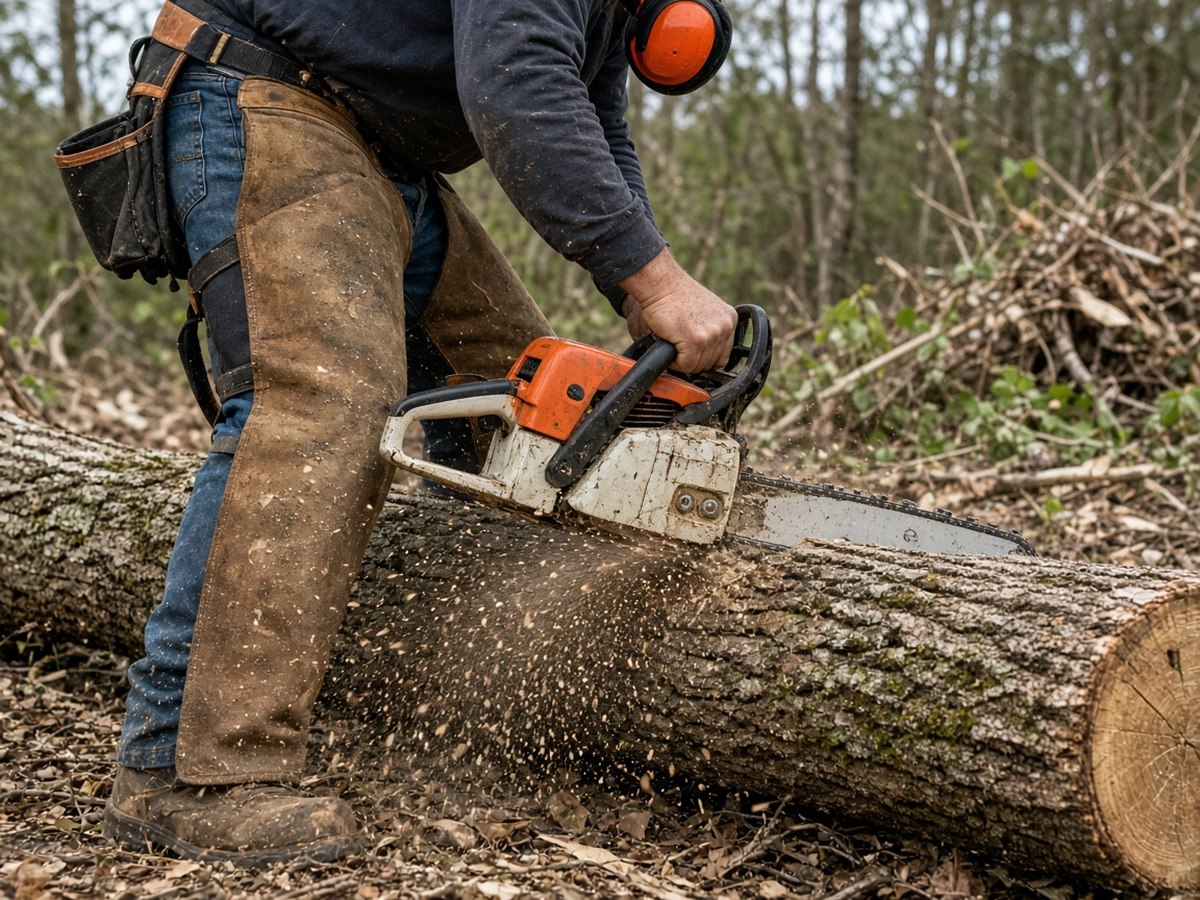
Chainsaw injuries are serious and common enough that safety gear should never be treated as optional accessory spending. Chaps rated for chainsaw use, over-the-ankle boots, eye and hearing protection, and a properly fitted helmet with a face screen for anything beyond light trimming are the baseline, not the upgrade. No brand of saw substitutes for basic protective equipment, and the cost of full safety gear is a small fraction of what either an Echo or Husqvarna saw costs.
Buying used versus new
A well-maintained used saw from either brand can be an excellent value, since both brands build durable powerheads that outlast several chains and bars with proper care. Check compression, inspect the bar for even wear, and confirm the chain brake and safety features function correctly before buying used. A saw that starts hard, smokes excessively, or has an obviously worn bar groove is a warning sign regardless of how good a deal the price seems.
Electric and battery saws: a third option worth considering
Both Echo and Husqvarna also make battery-powered chainsaws, which have matured significantly and now handle a genuine amount of homeowner cutting work — small to medium firewood, brush clearing, and yard maintenance — without the fuel mixing, pull-starting, and exhaust fumes of a gas saw. Battery saws are quieter, which matters if you live close to neighbors, and they start reliably every time with a trigger pull rather than a cold-engine pull-cord routine.
The trade-off is runtime and raw power for extended, heavy cutting sessions — a gas saw still outperforms a battery saw for all-day firewood processing or felling larger trees, where swapping batteries repeatedly becomes its own hassle. For lighter, more occasional use, a battery saw from either brand is a genuinely competitive option worth cross-shopping against the gas models this comparison focuses on.
Warranty and dealer support differences
Both brands offer competitive warranties on their consumer and professional lines, but the practical difference often comes down to dealer support in your specific area rather than the printed warranty terms. A Husqvarna dealer network with strong local service can make warranty claims and routine maintenance far more convenient than an Echo dealer that is a long drive away, and vice versa. Check which brand has better-supported dealers near you before making a final decision, since that ongoing relationship matters more over the life of the saw than a side-by-side spec comparison.
| Use case | Better fit | Why |
|---|---|---|
| Occasional yard work, small firewood loads | Echo 40–50cc | Reliable, simple, strong value |
| Regular firewood processing | Either brand in 45–60cc | Compare specific models on ergonomics and price |
| Frequent, extended cutting sessions | Husqvarna mid-to-pro range | Better anti-vibration, refined ergonomics |
Our take: Echo for straightforward value in a homeowner saw, Husqvarna if you run a saw enough that anti-vibration and ergonomics justify the price step-up. Match the bar and displacement to your actual wood, wear real safety gear, and maintain the saw consistently — that discipline matters more than the badge on the case.
Fuel and bar oil: small habits, big reliability difference
Both brands recommend a specific fuel-to-oil ratio for their two-stroke engines, and getting it wrong in either direction causes real problems — too much oil fouls plugs and builds carbon, too little accelerates internal engine wear dramatically. Mix fuel in small batches you will use within a month, since ethanol-blended gasoline degrades and separates over time, and stale fuel is one of the most common causes of hard-starting and rough-running saws regardless of brand.
Bar and chain oil deserves the same attention as fuel. Running a saw with a dry or low bar oil reservoir accelerates bar and chain wear dramatically and can cause the chain to bind or throw. Check the oil level every time you refuel, and use a bar oil rated for your climate — a heavier oil in cold weather may not flow properly, leaving the bar starved even with a full reservoir.
Accessories worth having regardless of brand
A spare chain, a file or sharpening kit sized to your specific chain pitch, and a small tool kit for basic adjustments are worth carrying on any day you plan real cutting work. A dull or damaged chain in the field with no way to address it turns a productive day into a wasted trip back to the truck or the shop. Both Echo and Husqvarna sell branded accessories, but generic equivalents that match your saw's specifications work just as well for most homeowner needs.
Kickback and the features that reduce it
Kickback — the violent upward and backward reaction that occurs when the upper tip of the bar contacts an object — is one of the most dangerous chainsaw hazards, and both Echo and Husqvarna equip their saws with chain brakes and reduced-kickback chain options designed to mitigate it. Neither feature eliminates the risk entirely, and operator technique remains the primary defense: avoid cutting with the bar tip whenever possible, maintain a firm two-handed grip, and stay alert to what the bar tip is near during every cut.
A functioning chain brake should be tested periodically, not just assumed to work because it did when the saw was new. Engage it manually before starting any extended cutting session to confirm it still stops the chain promptly, since a chain brake that has been damaged or has accumulated debris may not engage reliably when an actual kickback event occurs.
Noise, neighbors, and realistic expectations
Gas chainsaws from either brand are loud enough to require hearing protection and to be genuinely disruptive to neighbors on smaller properties, which is worth factoring into your decision if noise is a real constraint on when and how often you can run a saw. This is another point in favor of considering a battery saw for lighter, more frequent yard work where a loud gas engine running for twenty minutes of light trimming feels disproportionate to the job.
The honest bottom line
Neither Echo nor Husqvarna makes a bad saw in a comparable price and displacement class — both are established, reputable brands with decades of forestry and homeowner equipment behind them. The real decision points are your budget, how often you actually cut, and which brand has better local dealer support near you. Handle both in person if you can before buying; the way a saw balances in your specific hands often matters as much as any spec sheet comparison.
Frequently asked questions
Is Echo or Husqvarna better for a homeowner chainsaw?
Echo tends to offer better value for occasional homeowner use, while Husqvarna's mid-range and professional saws offer more refined ergonomics and anti-vibration handling for frequent use.
What size chainsaw do I need for firewood?
A 45–60cc mid-size saw with an 18-inch bar handles most homeowner firewood processing well. Smaller 35–45cc saws suit occasional yard cleanup and small rounds.
How often should I sharpen a chainsaw chain?
Sharpen at the first sign of reduced cutting speed or fine sawdust instead of chips, often every few tanks of fuel under regular use. A dull chain is both less efficient and more dangerous.
Do I need chaps to run a chainsaw?
Yes. Chainsaw-rated chaps, boots, eye and hearing protection are baseline safety equipment regardless of brand or saw size.
Is a used chainsaw a good buy?
Yes if well maintained. Check compression, bar wear, and chain brake function before buying, and confirm it starts and idles cleanly.
What causes a chainsaw not to start after storage?
Old, gummed-up fuel in the carburetor is the most common cause. Always drain the tank or run it dry before extended storage.