
Bugle a Sunday public elk ridge
Written by John Wren|
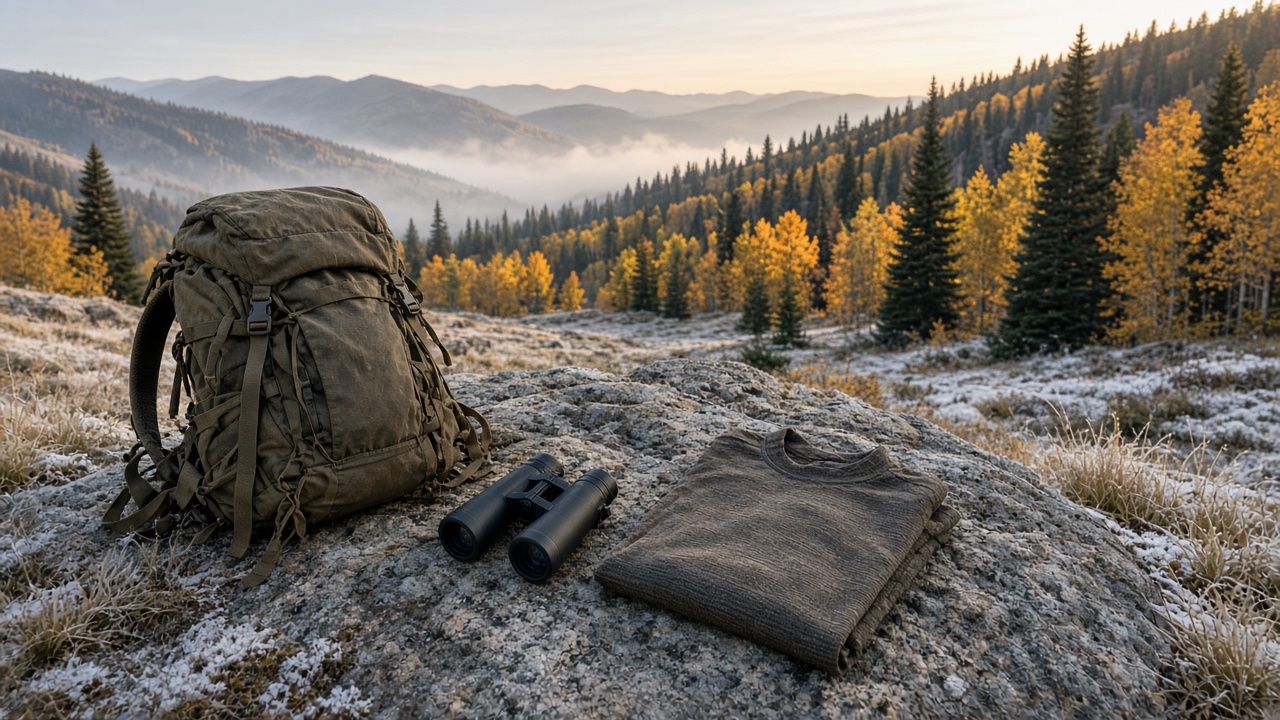
Hunt the first two hours after a cold night on dirt you already have a pin for. Glass the timber before you step, walk in leather you will finish, and wear orange. The rifle and ammunition stay at a licensed dealer.
Key takeaways
- Fresh tracks beat a pretty basin with no sign.
- Glass the dark timber. A walk-under is a flare.
- Wear color. The ridge is also a deer week.
- The firearm stays at a licensed counter.
Bugling a Sunday public elk ridge is a first-light walk on dirt you already have a pin for, glass you will actually sit with, and a vest that is orange because the same timber is a deer-scouting week — not a July creek sit and a cotton hoodie. The short answer: hunt the first two hours after a cold night, sit the dark timber edge before you walk the meadow, and treat the rifle and the ammunition as a licensed-counter job. This page is the walk, the glass, and the boots.
Short version. Pair this with public-land habits, early archery on public edges, and an elk pack you will still carry. Check live prices. Sunday, September 20, 2026, is the last quiet Sunday before the equinox, the week a lot of western units still have bulls talking, and the weekend after Saturday pressure already pushed a herd one drainage over. Share the ridge. Wear color. Do not invent a new unit because a feed said the next county turned on.
This is a field note, not a secret-bugle list. A late-September Sunday after a cold Saturday night is when a herd bull still answers from the dark timber, a satellite walks a wallow edge, and a cow herd uses the first gold aspen as a curtain. Colorado two-track, Idaho timber, Montana basin, New Mexico mesa — the skill is the same: walk slower than you think, sit more than you walk, and do not put a skyline on the meadow you wanted to hunt. The rifle and the boxes stay at a licensed dealer. The walk is this page.
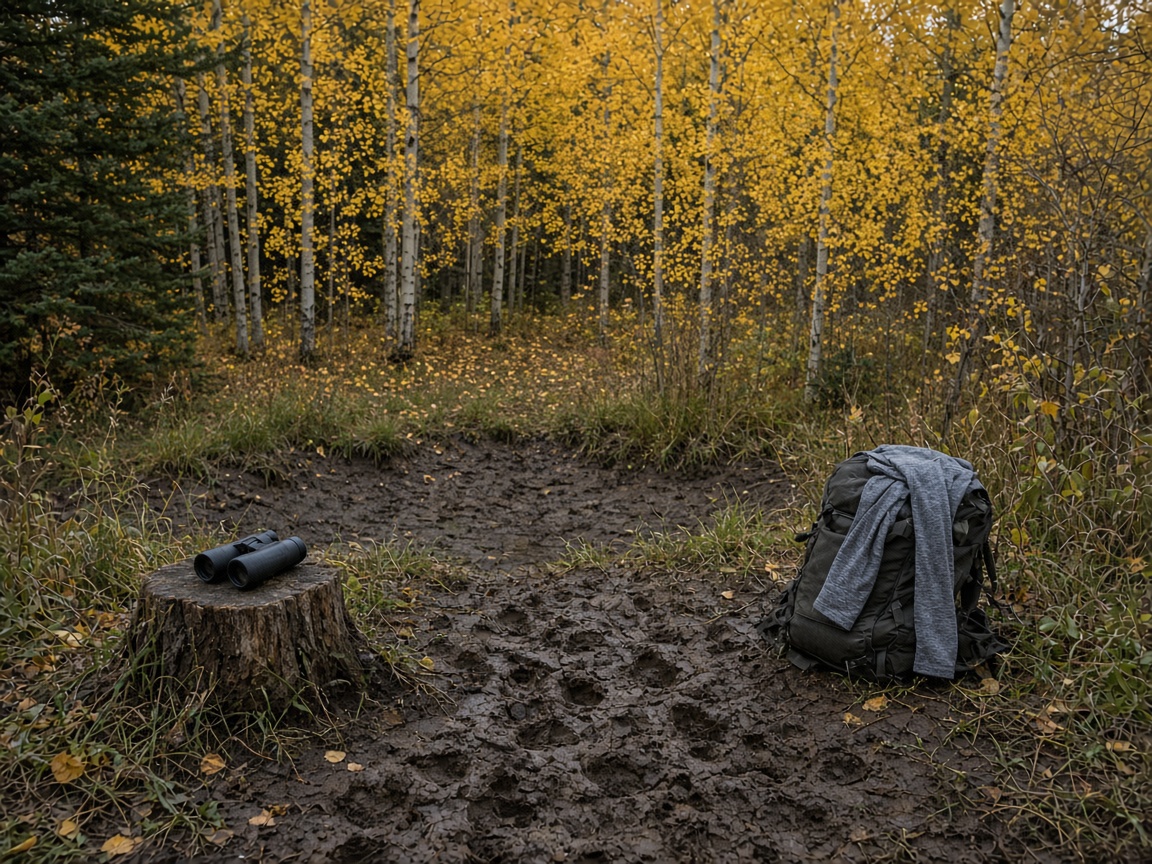
A bugle is a clock. A dry July meadow is a walk-through.
Elk go where the cows and the water still are. Late September is when a lot of high basins already had a freeze, a wallow is still wet, and a Saturday crowd already used the easy two-track. Do not invent a new forest. Walk the timber you already have a tag and a pin for. Fresh tracks — a wallow that is still muddy, droppings that are still dark, a rub that was not there Thursday — beat a pretty basin with no sign. Tracks and cuttings are the lecture. This heading is the Sunday under the aspen that is actually working.
A cold night after a warm week puts them on their feet at first light. Midday sun on a still, 60-degree Sunday still shuts the same timber down. Hunt the first two hours and the last two. Eat lunch off the ridge, or sit a dark-timber edge you already glassed. Public dirt rewards the person who changes the plan, not the person who trespasses a posted ranch because the app showed a green blob.
Leather you will walk miles in. A sit boot is a blister on this Sunday.
Elk is a walk. You will cover more timber than a deer sit. Talus, a wet ditch, a shale two-track — the boot is the hunt if the ankle folds. Rubber 2,000-gram deer boots stay in the truck unless the bottom is a swamp. The Irish Setter 860 Elk Tracker is the 12-inch leather: enough height for wet grass, a sole that does not clack like a parade, leather you already broke in. Check live prices. Upland leather is a different last. An elk pack still wants a boot that will finish the pack-out.
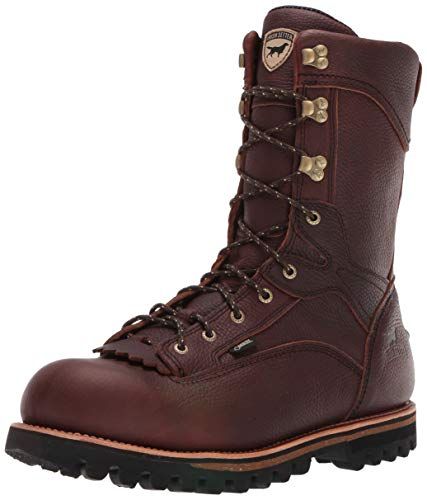
Tape the first hot spot before the ridge. Wet September grass will find a seam you ignored in August. Break them in on a Tuesday grocery lot if they are new. Opening elk Sunday is a bad first mile. Color on the vest and a cap that is not camo-from-the-neck-up. Archery and rifle scouts share the same public in a lot of units this week. Be the person the other hunter sees.
Glass the dark timber before you step. A walk-under is a flare.
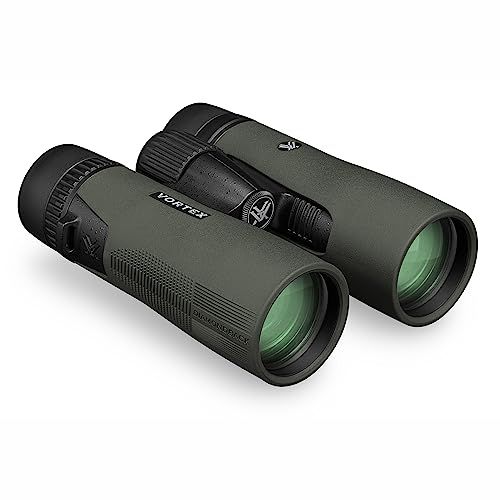
A bull in a high basin is a shape against spruce. Binoculars save the step that sends the herd around the mountain. Sit. Glass. Then walk to the next edge. The Vortex Diamondback HD 8x42 is the glass: enough field to pick a tan rump in timber, enough light at first legal, a harness that is not a toy strap. Check live prices. Binoculars under a working budget is the longer aisle. This heading is the Sunday timber, not a sheep ridge.
Do not glass a person. Identify the target, the space beyond, and the two-track you cannot see through. A bull on a skyline with a county road behind it is not a shot. A satellite on a ranch-edge meadow with a house behind it is not a shot. A first-deer checklist is a later week. This Sunday still wants the same identify-beyond habit. Unload for the truck. Show. Then the ride.
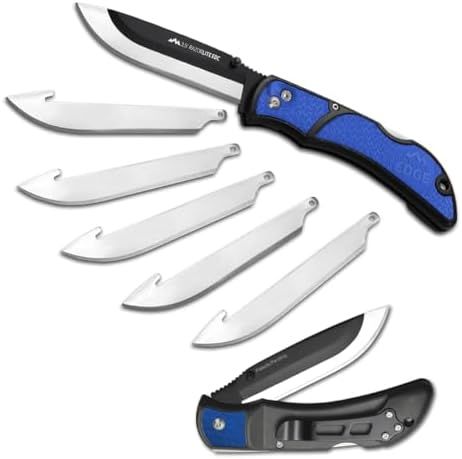
A small replaceable blade is the elk knife you can still swap. A 9-inch movie blade is a costume.
If you keep an animal, you want sharp at the second cut, not a camp cleaver that dulls on hide and a pin. The Outdoor Edge Razor-Lite is the replaceable-blade EDC: a blade you can swap when it dulls, a size that lives in a pocket, enough for the first work if the regulation allows you to start. Check live prices. Cap used blades. Hunting knives for the average hunter is the longer row. This heading is the Sunday knife, not a quartering speech.
Wash it. A Sunday in a warm truck is how a pocket becomes a science project. Keep meat in a game bag or a cooler you will actually ice, not a plastic grocery sack on a dash. Know the regulation for the dirt under your tires: daily limit, possession, whether you can hunt with a rifle this Sunday, whether the unit is already an archery-only week. A forum is not the PDF. A recovery walk is a different hour. Mark the last spot. Do not invent a new drainage because you are proud.
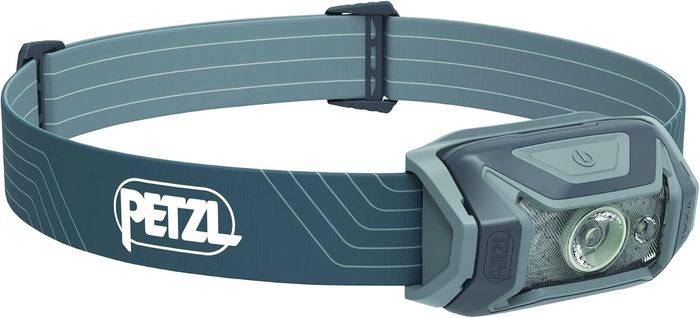
First light is earlier than your July clock. Dark is earlier too.
A 5:50 walk into a timber bowl is a lamp, not a phone at 12 percent. Legal shooting light is a regulation clock, not a feeling. The Petzl Tikka is the three-AAA: a flood you can dim so you do not light the meadow before you hunt it, a lock so it does not cook in the pack. Check live prices. A hunting lamp is the longer aisle. This heading is the walk in and the walk out.
If you cannot reverse the two-track in the dark, you do not have a route. Write the turnaround on the dash. A “one more bugle” is how people finish in a black hollow with a creek they cannot see. Night-hunting habits are a different job. Elk is a daylight hunt. The lamp is the walk, not a night sit. The equinox is Tuesday. Sunday already feels like it.
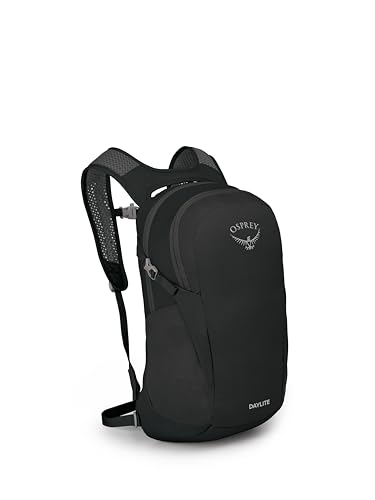
A daypack for water, the layer, and the glass. A meat frame is a comedy on a scouting Sunday.
Water, the merino, the lamp, the glass, a snack, the kit. A fashion tote on a rooty two-track is a grocery trip. A 65-liter expedition bag is a joke for a Sunday ridge walk unless you already have an animal down. The Osprey Daylite is the 13-liter: enough for the loop, a harness that is not a tote, room for the vest if you heat up. Check live prices. The Daylite page is the longer day. An elk pack is a different harness for a later week of meat.
Water in the pack, not only in the truck you left at the gate. High September basins are not a drinking fountain. A canteen still earns the space. Ice in the truck for what you keep. Warm meat in a pack on a 60-degree walk out is how a Sunday becomes a story you did not want.
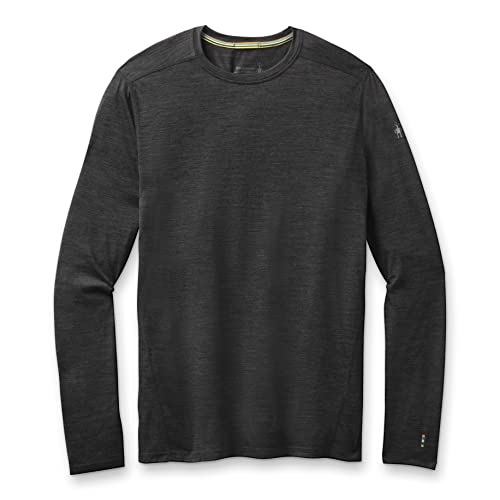
Dress for a 32-degree lot and a sweaty aspen walk in the sun.
Late September lies. The lot is a fleece. The south slope at 2 p.m. is a t-shirt. Cotton stays in the truck. The Smartwool Classic All-Season Merino Base Layer Crew is the shirt: a lightweight merino you can hunt in at fifty and not wake up wet in if the walk out runs late. Check live prices. Base, mid, shell. A light shell in the Daylite if the forecast is a real rain. Radiational cooling after a clear night is why the first hour feels colder than the app.
Orange over the merino. A camo shirt with no color is how an elk hunter becomes another hunter’s problem. Some units want a hat. Read the PDF. Archery on public edges is a different Sunday on some of the same dirt. Give that person room. Do not walk a bedding edge “just to look” with a rifle in your hands. Timber in the middle of a block is the hunt. The ranch fence can wait.
The rifle, the bow, and the boxes stay at a licensed dealer.
A hunting rifle you already know, a used gun that already fits you, a bow you already tuned — those come from a licensed counter or a shop that will still be there in November. Ammunition comes from the same counter. Buy the firearm and the ammunition at a licensed counter, not a marketplace listing. A September range day if the other Saturday is already paper. A locked camp kit if you are already sleeping on the two-track.
Identify. Beyond. Backstop. A bull on a skyline with a two-track behind it is a ricochet conversation. Know the unit. Some public dirt is archery-only this week. Some is already a rifle weekend. A forum screenshot from 2022 is not the regulation. Unload for the truck. Case for the ride. A sling you already fitted is how the rifle rides if you already own one. This Sunday is often a day hunt. The house safe is the house.
Share the basin. Late September is not opening day, and it still has people.
Give the person on the next ridge a real buffer. Do not walk in under the timber they have been watching. A nod is a language. Pack out hulls, a snack bag, the tape you used on a blister. A public basin that looks trashed loses access faster than any single bad bugle year. Dogs in the aspen are a flare unless they are a dog you already run under the rules. Squirrel under the oaks is a different Sunday on eastern dirt. The same orange still goes on.
Keep what the regulation allows. A tag is a tag. A photo of a bull on a phone is not a reason to shoot a second if you already have enough for the freezer. Handle game like you want more next year. Cool it. Do not leave guts on a trail. A deer hunter will walk that trail at dusk.
The week is a cold-night basin, leather, glass, a small knife, a lamp, a Daylite, merino
Bugling a Sunday public elk ridge is a cold-night timber edge that is actually talking, Irish Setter leather you will walk in, Vortex glass on the dark timber, an Outdoor Edge you can still swap, a Tikka for the hollow walk, a Daylite that carries water, and merino under orange. The rifle stays at a licensed dealer. The ranch fence stays posted. The next drainage can wait.
If the walk is the hole, start with the boots and a slower pace. If the timber is the hole, start with the glass and a sit. If the clock is the hole, start at first light and leave before the hollow is black. Check live prices. The next cold night will still put them on their feet. The orange still goes on.
Also in the magazine
Keep going with public-land hunting, elk packs, binoculars under a working budget, and early archery on public edges. Check live prices.
Frequently asked questions
When does a September bugle actually change a Sunday hunt?
After a cold night and fresh sign — a wet wallow, dark droppings, a rub that was not there Thursday. A pretty basin with no tracks is a walk-through.
Should I hunt morning or afternoon on a late-September Sunday?
First two hours and last two on most public timber. Midday sun on still woods still shuts elk down. Sit a dark-timber edge you already glassed if you stay.
Do I need binoculars for elk?
Yes. Glass the shape against spruce before you step. A walk-under is a flare. 8x42 is enough for this Sunday.
Can I buy an elk rifle or ammunition from this article?
No. The firearm and the boxes stay at a licensed dealer. This page is the boots, glass, knife, lamp, pack, and merino.
Is blaze orange required on an elk Sunday?
Read the regulation for the dirt under your tires. Even when it is not required, wear color. Late September public is also a deer-scouting week.
What boots belong on an elk walk?
Leather you will actually walk miles in. A 2,000-gram sit boot is a blister unless the bottom is a swamp. Break them in before Sunday.