
Weekday state parks after the summer crowd
Written by John Wren|
Go Tuesday through Thursday after Labor Day with an Osprey Daylite, a Sawyer Mini, a Petzl Tikka, September merino, a National Geographic idea book as a brainstorm, then the state park hours. The sibling national-park note is a different reservation.
Key takeaways
- Quieter is not abandoned. The gate still closes.
- A daypack you will carry beats a tote.
- Fountains close. Carry a filter.
- Read the state park page, not a national-park rumor.
Weekday state parks after the summer crowd are a gate you still have to catch, a daypack you will actually carry, and a state park page you will actually read — not a national-park icon you mailed because a listing said empty. The short answer: go Tuesday through Thursday after Labor Day, walk with an Osprey Daylite, filter what the fountain no longer offers, and treat the National Geographic book as a brainstorm, then read the state DNR hours.
Short version. Pair this with the sibling national-park note if the other Saturday is already an icon, a family fall hike, and a pack list you will actually carry. Check live prices.
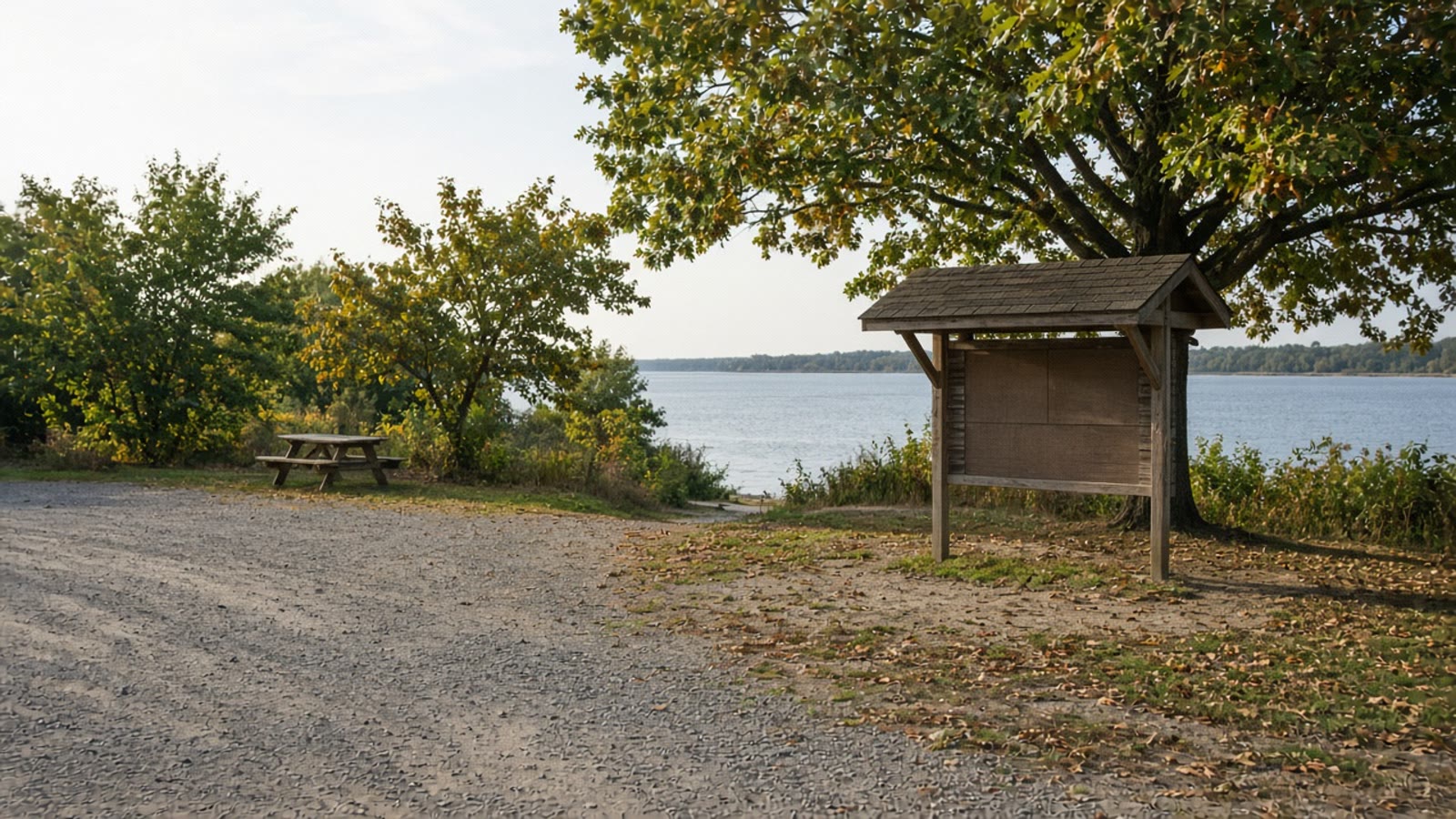
This is a field note, not a secret-entrance list. Wednesday, September 16, 2026 is a midweek after Labor Day, which is the actual empty-lot window at a lot of state parks: school is back, the weekend charity 5K has gone home, and the campground loop that was a generator village in July is a handful of tents. A state park is not a national park. Different rulebook, different fee booth, often a walk-up that still has a gate time. The icon sibling already owns Yosemite and the timed entry. This page is the state lake, the ridge trail, the CCC picnic shelter, and the ranger who still wants you out before the gate.
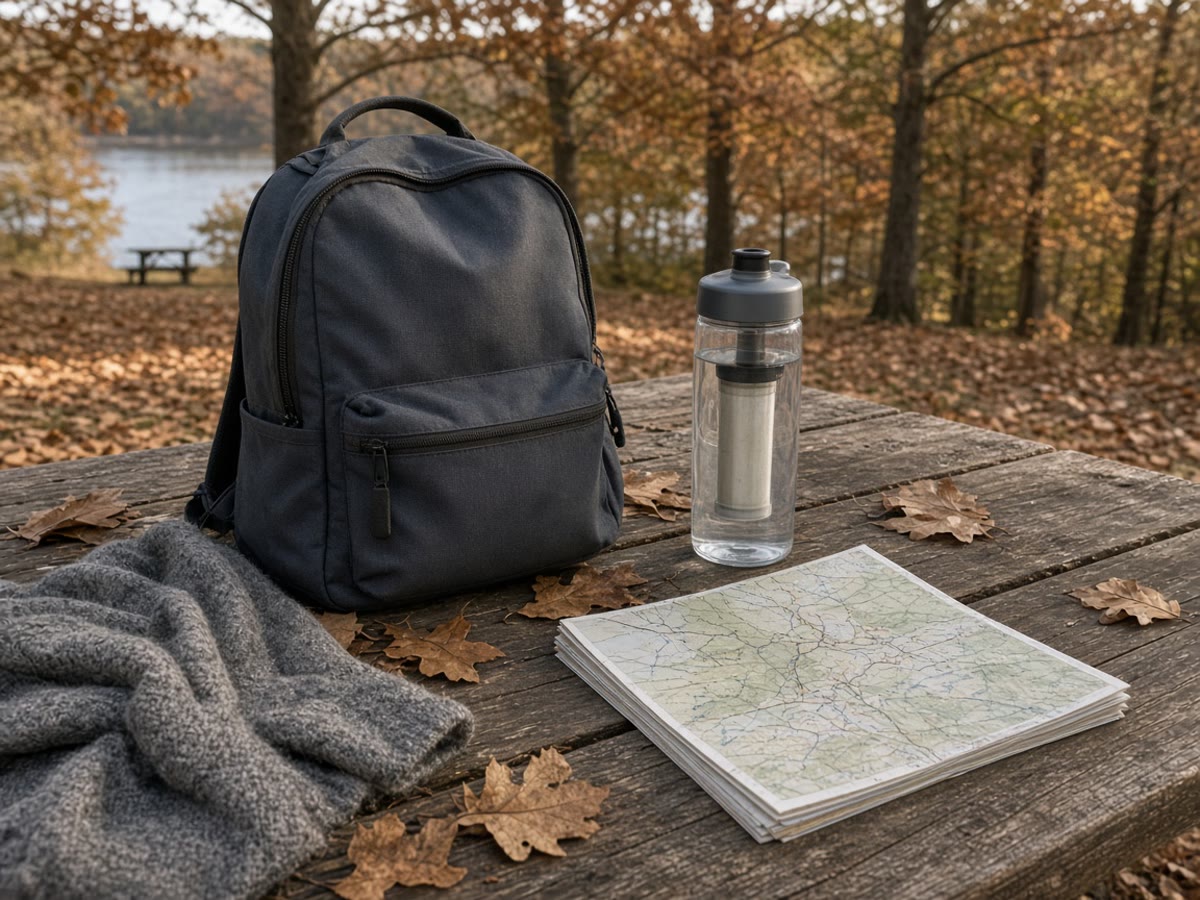
After Labor Day on a weekday is quieter. The gate is not asleep.
Labor Day weekend is still a circus at a lot of state lakes. The Tuesday after is often the opposite: a ranger truck, a couple of anglers, a retired couple on the short loop. Mid-September 2026 is that window. Go midweek if you can. A Saturday in October near a leaf-peeper town can still be a parade. The empty trail is usually the one that does not start at the Instagram overlook.
A state park still has a closing time. Some gates lock. Some loops already closed for the season. Some beaches pull the swim buoy and leave the trail. Read the state page for the dirt under your tires, not a blog from 2019. Shoulder-season national parks are the sibling icon with reservations and timed entry. Do not mix the rulebooks. A state park ranger is not a national-park entrance station. A walk-up can still be a “we sold the last pad.”
A BLM week is a third rulebook. Dispersed dirt is not a state campground. If you want empty and no booth, that is a different Saturday. If you want the lake trail, the flush toilet, and the posted map, this is the park. Pay the fee. Put the receipt on the dash. A quieter lot is not a free lot.
A daypack you will actually carry is the park bag
The walk is usually shorter than a national-park rim. The bag is still a bag. Water, a layer, a lamp, the snack, the kit. A fashion tote on a rooty lake trail is a grocery trip. A 65-liter expedition bag is a comedy on a three-mile loop. Same bag every walk so you know what is in it.
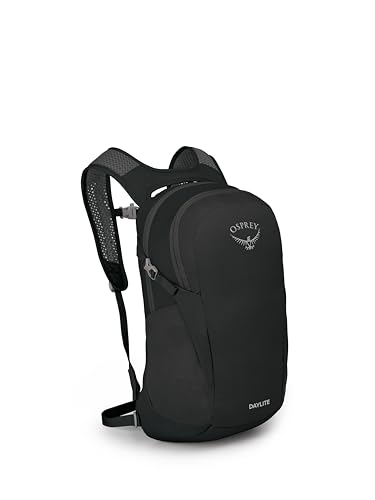
The Osprey Daylite is the live 13-liter we named: enough for the weekday state-park walk, a harness that is not a tote, room for the merino and the filter. It is not a hunting pack. Check live prices.
Hiking essentials is the longer list. Hiking a vacation town is the same bag in a different zip code. This heading is the Daylite. Do: water in the pack, not only in the car you left at the far lot. Don’t: a new pack on the first quiet Tuesday. The quiet park is a bad classroom for a hip belt you have never adjusted.
A filter for the water you will drink. Shoulder-season fountains close.
State park visitor centers still shut a tap after Labor Day. A campground spigot may be on a timer. A lake is not a fountain. Kids will still get thirsty on a 70-degree Tuesday that feels like summer until it does not. Carry more than you did in the July crowd, because the backup tap may already be locked.
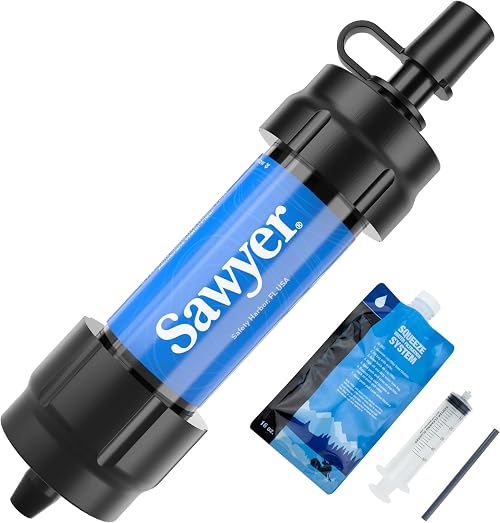
The Sawyer Mini is the live filter we named: a squeeze you practiced at a kitchen tap, light enough for the Daylite, enough for a lake loop if you did not let it freeze in a cold car overnight. Backflush. Check live prices.
Do: a bottle you will actually drink from. Don’t: a first use on the only muddy inlet. A posted “no swimming” is also a reminder that a lake is a living thing, not a tap. Filter what you must. Pack out the bag. The quieter shore is not a dump.
A lamp for the walk that went long. Gate time is the September skill.
A 7:30 p.m. July exit is a 6:20 September exit, and a state park gate may already be on a fall schedule. The lot you planned to leave at dusk can be a locked arm if you read the summer hours. Write the gate time on the dash. A Tikka in the Daylite is how you finish the last half-mile if the overlook ate the clock. It is not permission to miss the gate.
The Petzl Tikka is the live lamp we named: a flood you can dim, a lock so it does not light the pack, enough for a walk back to the lot. Check live prices.
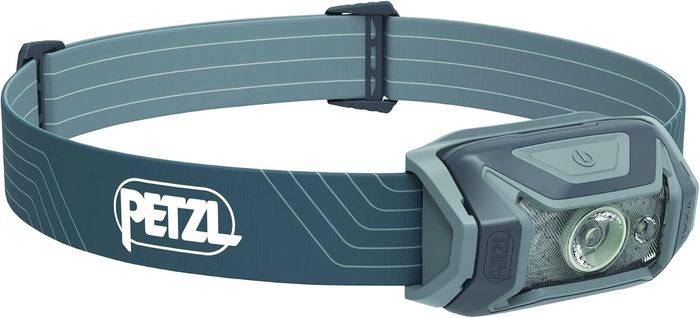
If you cannot reverse the trail in the dark, you do not have a trail. Out and back on the posted loop is the weekday class. A bushwhack to “catch the sunset” is how people meet a locked gate and a ranger who would rather be home. Early dark is the skill. The lamp is the backup, not the plan.
Merino next to skin beats a wet cotton hoodie on a lake wind
Seventy at the playground is fifty-two on the dam at 6 p.m. with a breeze off the water. State parks are full of that trick: a sheltered picnic table and an exposed causeway a quarter-mile later. Cotton stays in the car. A September merino next to skin moves the sweat you will make on the short climb. A fleece in the Daylite goes on at the overlook, not at noon on the playground.
The Smartwool Classic All-Season Merino Base Layer Crew is the live shirt we named: a lightweight merino you can hike in at sixty and not wake up wet in if the walk turns into an unplanned dusk. It is not a winter thermal. Check live prices.
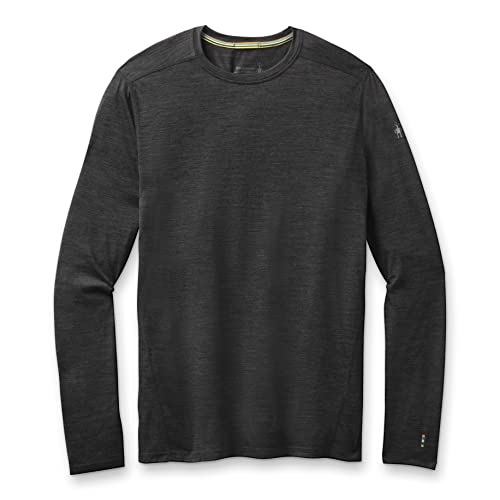
Base, mid, shell is the rule even on a “small” state park loop. A shell if the forecast is a real rain. Mid-September still throws a squall across a lake that looked friendly at lunch. Put the layer on a little too warm. Pride is a shiver on the dam.
A paper idea list is a brainstorm. Then read the STATE park page.
50 States, 5,000 Ideas is the live National Geographic we named: a paper list of parks and side doors you can still read when the lot has no signal. It is a brainstorm. It is not a permit. It is not the hours. After you dog-ear a state, open the actual state park or DNR page for that unit: gate time, hunt dates, which loop closed, whether the boat ramp is still in. Check live prices.
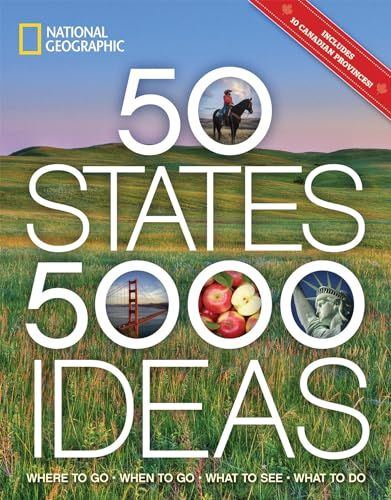
The book will happily suggest a national park you already read about on the sibling page. Stay on the state line for this trip. Write the park you are actually driving to. Write the close time. East-coast national parks are the icon list. Fall in Chattanooga is a town with state and city parks around it — use the town page for the city, then the Tennessee state park page for the ridge, not a rumor from the book’s photo.
A kit you opened at home. Quieter parks still have roots.
A thinner crowd is not a smoother trail. Weekday state parks still have the wet boardwalk, the yellowjacket nest in the picnic table, the kid who finds the first hole of the season. Open the kit at the kitchen table. Know the wrap. Restock what you used at the lake in July.
The Adventure Medical Kits Sportsman Series First Aid Kit is the live kit we named: labeled, a real wrap, blister care for the short loop that still blisters. Check live prices.
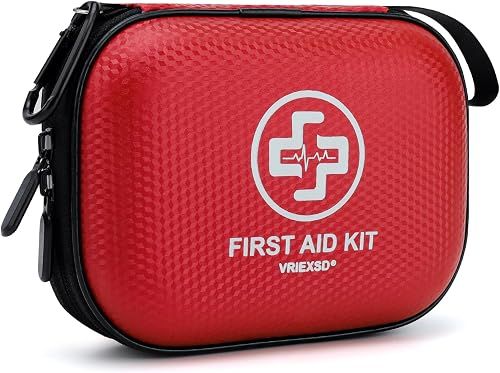
Do: the kit in the Daylite, not in the trunk of the far lot. Don’t: a novelty tin you cannot open with a kid crying. Kids outdoors is the shorter loop and the earlier exit. Go home while they still want Thursday. A quieter park is kinder than July. It is not a 12-mile rim with a six-year-old who wanted the playground.
The rules did not take Labor Day off at the state booth either
Alcohol bans, drone bans, pet leashes, quiet hours, hunt dates on a portion of the unit — state parks keep all of that after the crowd leaves. A first Tuesday in a half-empty campground is how people assume the ranger is a rumor. Fire rings still have restrictions. Pack out the balloon from the weekend you did not attend.
Wildlife still has teeth. A cooler on a picnic table is still a raccoon story, and in some units a bear story. Food in the Daylite or the car, not on the table while you “run to the overlook.” Distance from a rutting deer is the tool. A phone zoom is not a closer walk. The quieter park is not a petting zoo.
Pick the unit for the weekday, not the postcard
The famous falls loop may still hold a weekend line. The lake trail behind the campground may be empty on a Wednesday. Ask the desk. A ranger talk in September is still a ranger talk, and often a better one because they are not managing a circus. Closed for restoration is closed. Walk the loop that is open.
If the state park is a hunt unit this week, wear color and know the calendar. If it is a paddle-in camp, that is a different Saturday and a boat you already know. This page is the walk and the weekday lot. Hiking the destination beats driving to the overlook, photographing the sign, and leaving. The quieter park rewards the extra hour on the unfashionable trail.
A kid in a quieter state park still needs an exit
A family fall hike is the shorter loop, the playground bribe, the merino, the water, the snack. Shoulder-season state parks are built for this: bathrooms, a map, a lake they can throw a stick near without a shuttle. Pick the overlook you can abandon. Write the gate. Bring the kit. Go home while they still want the next park.
A quieter campground is still a campground with a last check-in. This heading is the day walk, not a first family overnight you did not pack for. A dog is the same thermal problem plus water and a leash the park actually requires.
The week is a weekday gate, a Daylite, a Sawyer, a Tikka, merino, a book, and a kit
Weekday state parks after the summer crowd are quieter lots, not empty rules. An Osprey Daylite, a Sawyer Mini, a Petzl Tikka, a Smartwool crew, a National Geographic you treat as a brainstorm, and an AMK you opened. Then the state park page. The national-park sibling is the icon. The BLM week is the dirt. This is the lake trail on a Wednesday in mid-September 2026.
If the water is the hole, start with the Sawyer. If the dark is the hole, start with the Tikka and the gate time. If the lot is the hole, start midweek, not a leaf-peeper Saturday. Check live prices. The quieter park is the access. The hours are the manners.
Also in the magazine
Keep going with shoulder-season national parks, east-coast national parks, family fall hiking, and getting kids outdoors. Check live prices.
Frequently asked questions
Are state parks empty after Labor Day?
Weekdays often are quieter. Weekends near a leaf-peeper town can still be a parade. The gate hours, hunt dates, and closed loops still apply. Read the state page.
Is this the same as the national-park shoulder-season note?
No. That sibling is the icon with reservations and timed entry. This page is weekday STATE parks — different rulebook, often a walk-up, still a gate.
What pack, water, and lamp are you naming?
Osprey Daylite, Sawyer Mini, Petzl Tikka. Fountains close. Early dark and gate time are the September skill. Check live prices.
What layer?
Smartwool Classic All-Season merino crew. Seventy at the playground is fifty-two on the dam. Cotton stays in the car.
How do I use 50 States, 5,000 Ideas?
As a brainstorm. Then read the actual STATE park or DNR page for hours, hunt dates, and closed loops. The book is not a permit.
Is a quieter state park the same as camping on BLM?
No. A state campground is a fee and a rulebook. The BLM week page is a different dirt. Pay the booth. Put the receipt on the dash.