
Three Sisters Springs Boardwalk and Kayak Rules
Written by Outdoors Magazine|
Three Sisters Springs is a boardwalk trip, not a kayak-through-the-springs trip, during Crystal River’s manatee season. From November 15 through March 31, paddlecraft cannot enter Three Sisters Springs; you can still consider a Kings Bay paddle outside protected or closed water. The refuge lists its trails and boardwalk open 8:30 a.m. to 4:30 p.m. local on regular days, but closed on Thanksgiving, Thursday, November 26, 2026.
Key takeaways
- The boardwalk has a land entrance and is closed Thanksgiving, Nov. 26.
- Paddlecraft cannot enter Three Sisters Springs Nov. 15–Mar. 31.
- Plan Kings Bay paddling separately and check the refuge map and current closures.
Three Sisters Springs is a boardwalk trip, not a kayak-through-the-springs trip, during Crystal River’s manatee season. From November 15 through March 31, paddlecraft cannot enter Three Sisters Springs; you can still consider a Kings Bay paddle outside protected or closed water. The refuge lists its trails and boardwalk open 8:30 a.m. to 4:30 p.m. local on regular days, but closed on Thanksgiving, Thursday, November 26, 2026.
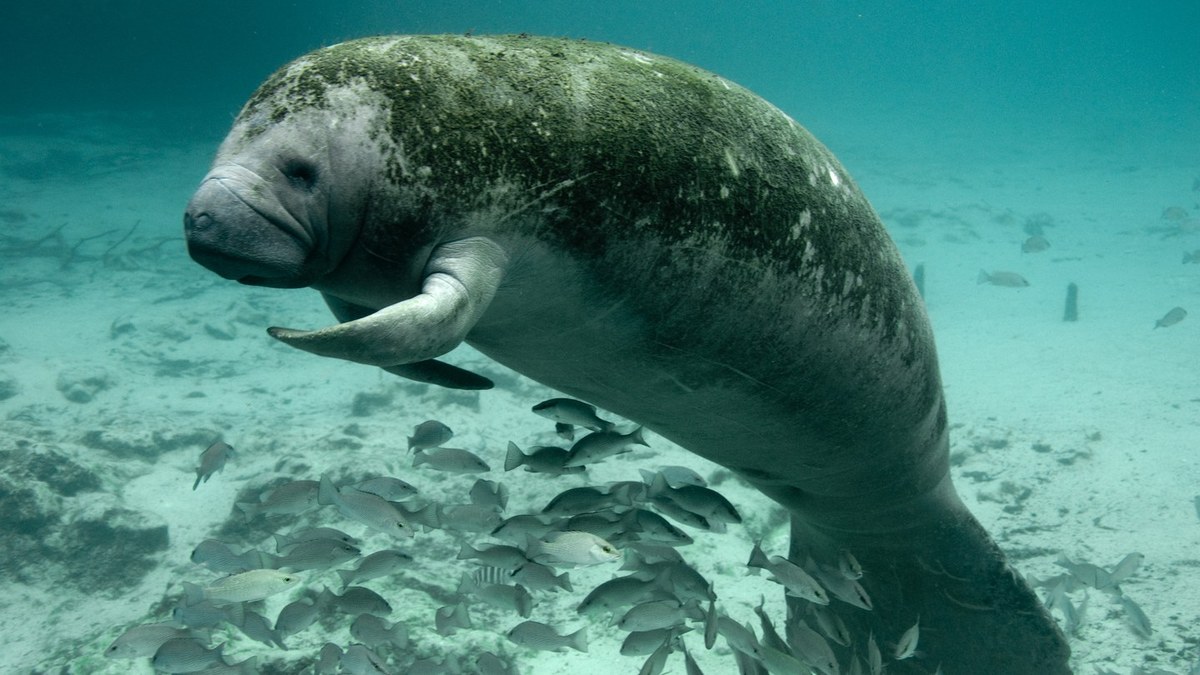
A manatee rests at Three Sisters Springs. File photo: Keith Ramos/USFWS (public domain). USFWS source photo
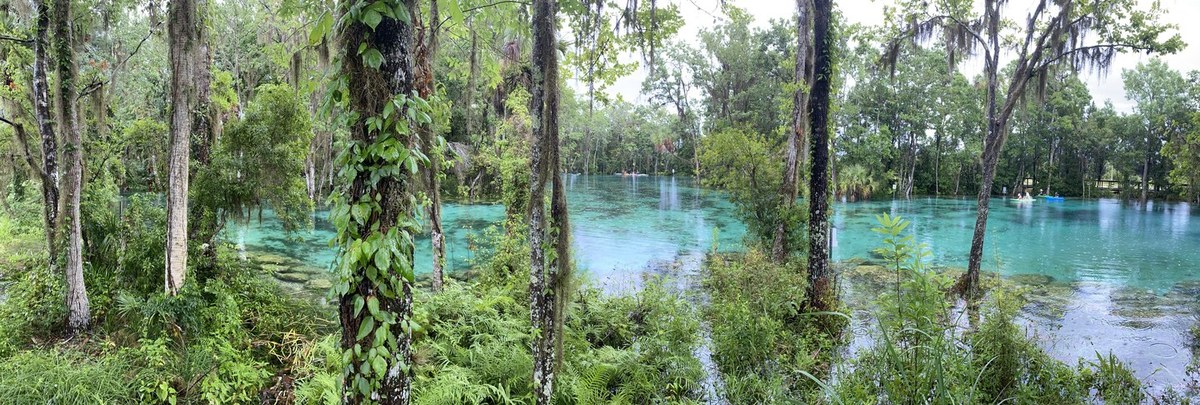
The biggest planning mistake is treating the boardwalk entrance, the spring run and Kings Bay as one access point. They aren’t. Where you can go depends on whether you arrive on land or by boat, the season, and any temporary notices. The boardwalk gives you a view of the springs from shore; it doesn’t give you a place to launch a boat or enter the water.
| If your goal is… | Start here | Important distinction |
|---|---|---|
| See the spring from shore | Three Sisters Springs boardwalk and trails | Check land hours, ticketing and closure notices. No water access from the boardwalk. |
| Paddle into Three Sisters Springs | Plan a different outing in manatee season | No paddlecraft inside from November 15 through March 31. |
| Paddle part of Kings Bay | Identify a legal launch and open route on the refuge map | Some areas are sanctuaries or can close temporarily. A public launch doesn’t make every destination legal. |
Can you visit the boardwalk on Thanksgiving?
No. The U.S. Fish and Wildlife Service lists Thanksgiving among the closure days for the Three Sisters Springs trails and boardwalk, so don’t plan to see the springs from there on Thursday, November 26, 2026. Regular hours are 8:30 a.m. to 4:30 p.m. local, subject to current notices.
For a different day, start with the refuge visitor information, then follow its city link for admission and transportation details. Displayed hours apply to the land visit, not every city service or launch. If a shuttle, ticket window or other connection is important to your plan, confirm its hours separately. That’s particularly useful on a holiday weekend, when a timetable for an ordinary weekday may not describe your visit.
Allow time between arrival and the last part of your walk. A closing time tells you when the site closes, not when an arriving group should expect to begin its visit. Build in time to find the right entry point, settle any admission questions and walk back without rushing. If you’re coordinating a family visit, share the land entrance and meeting point rather than sending everyone a pin in the middle of Kings Bay.
The refuge describes the other trails as generally level with gravel or grass surfaces, distinct from the boardwalk. If a firm route, seating, a restroom or a particular mobility accommodation matters, check the operator’s current information rather than assuming every trail offers the same conditions. A photo of the view doesn’t describe the entire present-day route.
Can you kayak into Three Sisters Springs in winter?
No. The refuge prohibits paddlecraft inside Three Sisters Springs from November 15 through March 31. A kayak, canoe or paddleboard trip on permitted Kings Bay water is a separate outing, not permission to enter the springs. Motorized vessels cannot enter the springs either, and the shore-side boardwalk is not a water entrance.
The refuge’s non-motorized boating guidance explains the difference between reaching the spring run and entering the springs. Don’t assume that following another boat toward the run, seeing people on the nearby boardwalk, or spotting a clear stretch of water overrides a closure. Check the refuge’s map and take the posted boundary as your cue to turn around. A route you paddled before manatee season may not be suitable now.
Plan around what you want to experience. If you’re mainly after the spring view with a group that includes first-time visitors, land access on an open day is the simpler choice. If you mainly want time on the water, choose a route with a worthwhile turnaround point outside restricted water. You shouldn’t need to cross a sanctuary or continue into a crowded channel to make the outing feel complete.
Don’t interpret the paddlecraft restriction as a blanket statement about every possible water activity elsewhere in the refuge. Different activities and areas can have different rules, and temporary restrictions can change the picture. This planning guide focuses on the boardwalk and non-motorized boating. Use current refuge guidance for any other activity before relying on a third-party reservation or itinerary.
Where can you plan a Kings Bay paddle?
Choose an open route from a permitted launch, then verify that the entire route stays outside active sanctuaries and temporary closures. The refuge lists Hunter Springs Park and King’s Bay Park as paddlecraft launch options. Check current launch access and posted restrictions separately, and pick a turnaround you can reach without entering protected water.
Open the Kings Bay manatee protection map before you park or unload. Locate your intended launch, the nearest refuge boundaries, and one backup route. Study the map while you have time to compare it with current notices. The map is a planning aid, not a substitute for posted signs or directions at the launch. If you can’t confidently place the boundary on the water, turn back rather than testing where it begins.
Use a route with a simple return. A light outward paddle doesn’t tell you how the return will feel when wind shifts or a busy area takes more time to cross. Instead of committing to a loop just because it looks short on a phone, choose an early turnaround based on what your least experienced paddler can handle. A short out-and-back also makes it easier to give a reliable return estimate to someone on shore.
For a group, agree before launching on which boat leads, where to regroup and what to do if someone wants to turn around. Avoid choosing a junction or narrow channel as your meeting place. If traffic, weather, closed water or launch conditions make the backup route unsuitable as well, keep the trip on land that day. Being ready to opt out is a better plan than trying to salvage an itinerary at the water’s edge.
Tell a responsible person where you plan to launch, where you’ll turn back and when to expect you. List the people on your trip and how to reach you, and update your contact if the route or return time changes. The kayak float plan checklist has a compact example you can fill in before leaving home.
How do cold weather and posted closures change the plan?
The calendar tells you when seasonal restrictions apply, but it doesn’t tell you whether every ordinarily open area is available on a particular day. Check Crystal River National Wildlife Refuge alerts before leaving, read signs at the site, and be ready to change the route if a cold-weather restriction or another temporary closure is posted.
Recheck the refuge’s current alerts on the morning you visit, even if you made your plans several days earlier. Save the map and any notice you need to reference, but make sure you know when that notice was issued. An old screen capture or social post might describe a restriction that has already changed, or miss one that took effect after it was posted. If conditions and your saved information disagree, follow the current signs and staff directions.
It helps to split the day into three decisions: land access, water access and weather. A holiday closure at the boardwalk doesn’t by itself tell you whether a city launch is open. Likewise, finding an open launch doesn't tell you whether the proposed water route is open or comfortable enough for your group. Treat each as a separate check. If one fails, choose the permitted alternative instead of assuming all other parts of the plan are still workable.
If the group has only one afternoon, simplify the plan rather than combining a boardwalk visit and a paddle under tight timing. Pick the main activity, leave enough time to enjoy it, and keep the other as an option only if hours and conditions allow. That approach is especially helpful when people arrive in separate vehicles or some are renting instead of bringing their own equipment.
How should you watch manatees without disturbing them?
Watch passively: give manatees room to move, stay out of closed areas, and never pursue an animal to improve your view or get a photo. On the boardwalk, watch quietly from the designated route. On open water, change or stop your approach if continuing would crowd an animal or force it to react.
From land, you can change what you see without trying to change what the animal does. Pause where you have a clear view, watch for a while, and offer space to the next group. A camera with some reach lets you photograph from your spot rather than pressing toward an edge or blocking the path. Reflections and the depth of the animals can make sightings difficult to see. A few quiet minutes often offer a better look than constantly changing positions.
From a kayak, your first job near wildlife is to manage your own boat. Give yourself room to stop, leave a clear path and avoid moving directly toward a resting animal. Don’t follow a manatee that swims away. The refuge publishes current guidance and wildlife-viewing information that is more useful than copying how other visitors behave on the day.
No itinerary can guarantee you’ll see a manatee. A warm afternoon, glare, a different water level or limited viewing time can change what you notice. Plan the visit around enjoying the springs and the bay respectfully, not around achieving a certain number of sightings. The underwater hero photograph shows a real manatee at the site, but it’s a USFWS file photo, not an indication of current conditions or what you should expect to see from shore.
What should you check before leaving home?
Check the refuge’s land hours and holiday closures, the date of any water alert, and the route from your intended parking or launch point. Pick either a land visit or a permitted bay route as the priority. If you paddle, wear a properly fitted life jacket and leave a float plan with someone ashore.
For the boardwalk, bring what makes a quiet walk comfortable for your group: layers appropriate for the forecast, water and binoculars if you like observing from farther back. Confirm the access arrangement separately for anyone who needs a particular surface or distance to be manageable. Don’t rely on a photo to judge crowd size, parking convenience or mobility access.
For boating, check the weather, wind and daylight against your group’s abilities. Keep a return margin and an easy-to-reach way to contact help. If you’ll have a rental, ask the operator to point out the current boundaries on a map before you leave; independently check refuge notices too. A life jacket helps only if you have it on and know it fits. Plan a shorter route when you aren't familiar with the bay.
If you can’t verify a restricted boundary or the access point you need, skip that portion of the trip. A clear decision before you reach the site is easier than changing plans after the group has unloaded boats or lined up for entry. On November 26 specifically, the refuge’s stated Thanksgiving closure takes the Three Sisters boardwalk off the list; pick a different day for that view.
The refuge visitor page, boating guidance, protection map and current notices are the controlling trip-planning references here. Rules and temporary closures can change; follow current instructions and signs at the site.
For a split group, write down the land meeting point before anyone launches. Have the person waiting ashore keep a copy of the planned return time and the contact details you agreed to use.
Frequently asked questions
Can you visit the boardwalk on Thanksgiving?
No. The U.S. Fish and Wildlife Service lists Thanksgiving among the closure days for the Three Sisters Springs trails and boardwalk, so don’t plan to see the springs from there on Thursday, November 26, 2026. Regular hours are 8:30 a.m. to 4:30 p.m. local, subject to current notices.
Can you kayak into Three Sisters Springs in winter?
No. The refuge prohibits paddlecraft inside Three Sisters Springs from November 15 through March 31. A kayak, canoe or paddleboard trip on permitted Kings Bay water is a separate outing, not permission to enter the springs. Motorized vessels cannot enter the springs either, and the shore-side boardwalk is not a water entrance.
Where can you plan a Kings Bay paddle?
Choose an open route from a permitted launch, then verify that the entire route stays outside active sanctuaries and temporary closures. The refuge lists Hunter Springs Park and King’s Bay Park as paddlecraft launch options. Check current launch access and posted restrictions separately, and pick a turnaround you can reach without entering protected water.
How do cold weather and posted closures change the plan?
The calendar tells you when seasonal restrictions apply, but it doesn’t tell you whether every ordinarily open area is available on a particular day. Check Crystal River National Wildlife Refuge alerts before leaving, read signs at the site, and be ready to change the route if a cold-weather restriction or another temporary closure is posted.
How should you watch manatees without disturbing them?
Watch passively: give manatees room to move, stay out of closed areas, and never pursue an animal to improve your view or get a photo. On the boardwalk, watch quietly from the designated route. On open water, change or stop your approach if continuing would crowd an animal or force it to react.
What should you check before leaving home?
Check the refuge’s land hours and holiday closures, the date of any water alert, and the route from your intended parking or launch point. Pick either a land visit or a permitted bay route as the priority. If you paddle, wear a properly fitted life jacket and leave a float plan with someone ashore.