
How to Choose a Kayak Paddle Length
Written by Outdoors Magazine|
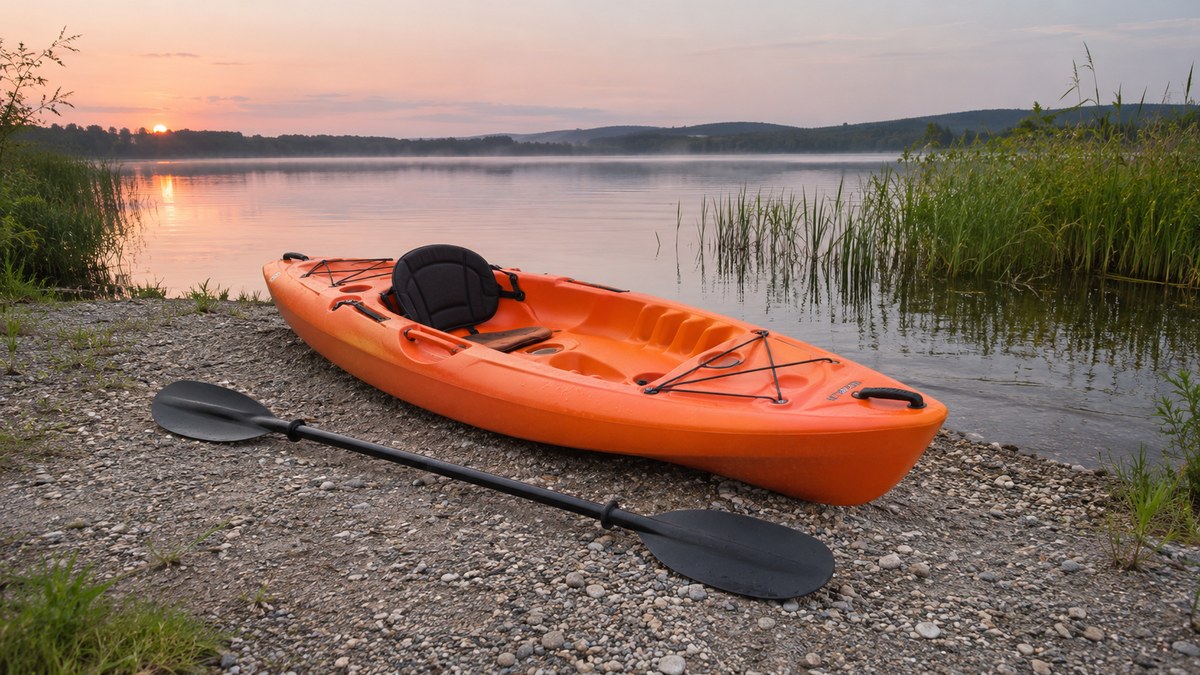
Choose a kayak paddle length by matching your height and your boat’s width to the paddle maker’s chart for the intended blade. Then check the fit from the installed seat. A broad fishing kayak or a raised seat may need more reach than a narrow touring boat with the same paddler.
Key takeaways
- Use the paddle maker’s sizing chart as a starting point.
- Compare from the seat position you actually use.
- When testing two lengths, keep other variables unchanged.
Choose a kayak paddle length by matching your height and your boat’s width to the paddle maker’s chart for the intended blade. Then check the fit from the installed seat. A broad fishing kayak or a raised seat may need more reach than a narrow touring boat with the same paddler.
Generated editorial photograph, not an independent field test.
Do not start with your neighbor’s paddle, your shoe size or a generic clearance rule measured in the driveway. Start with the boat you actually paddle and the paddle model you can actually try. A difference of one catalog size may clear a wide gunwale, but it can also change where you plant the blade and how far the water pulls on your shoulders. The goal is a repeatable stroke without awkward reaching, not the longest paddle you can handle.
This is for recreational, touring and flatwater fishing kayaks, not a sizing chart for whitewater or stand-up paddling. A double-ended kayak paddle marked in centimeters is generally sold by its overall assembled length. Its blade, shaft, ferrule and shape also affect fit. Use the suggestions here to narrow choices, then ask an outfitter or manufacturer to confirm the fit against the exact boat.
Which measurements should you write down before shopping?
Write down the kayak’s published width, your standing height, and where the seat will be set. Confirm the exact kayak model and trim so you do not borrow the dimensions of a similar boat. Note anything that affects reach, including a high chair, wide gunwales, or a seat that changes height.
Find the boat width in the builder’s specification sheet before measuring by eye. If the model is too old to identify, measure the assembled hull at its widest point, from outside edge to outside edge, on stable ground. Measure the hull, not a transport cart, rudder, or an accessory sticking out from the side. Write down both the unit and the precision; a rough tape measurement is not an excuse to claim a more exact specification.
Also measure what you actually experience near the seat. The number on a spec sheet is typically maximum beam, and that may not be at the precise point the blade passes. Sidewalls, molded pockets or a raised rim can still affect how much clearance you feel. Take a side photograph if a shop is helping you remotely. It can show whether the seat is low within the boat or raised off a flat deck.
Seat configuration matters even if maximum beam has not changed. A kayak with two seat heights presents two different reaches for the same paddler. Make a note of the height used most often, and bring the other position up if you intend to change it routinely. If the test boat uses a different seat position from yours, the trial may not transfer.
How should you use the paddle maker’s sizing chart?
Use the chart for the paddle model and water use you are considering. Read across from the boat width and down from your height, or follow the chart’s specific instructions. Treat the result as a starting length, not a guarantee, especially if you sit high or fall between two sizes.
Aqua Bound’s kayak sizing guide shows how a maker uses kayak width and paddler height to pick a starting length. Its whitewater sizing guide uses a different approach. Keep the two uses separate. A chart from one brand or one type of paddle cannot establish that a similarly labeled length from another line will feel the same.
When two sizes bracket your best estimate, write down two options and state why. One might be “shorter, if I can clear the sides without leaning.” The other may be “longer, if I expect to use the raised seat.” That is more useful than asking the shop which number is generally popular. A size is a starting assumption that you can check; it is not the thing you need to defend if the trial reveals a better fit.
Try to change one variable at a time. If the shorter paddle uses a much larger blade while the longer paddle has narrow blades, a difference on the water may be blade load rather than shaft length. If the store has two lengths in the same model, compare those before drawing conclusions about shape, material, weight or price. Note ferrule settings too so a different offset does not confuse the comparison.
How does stroke angle change the fit?
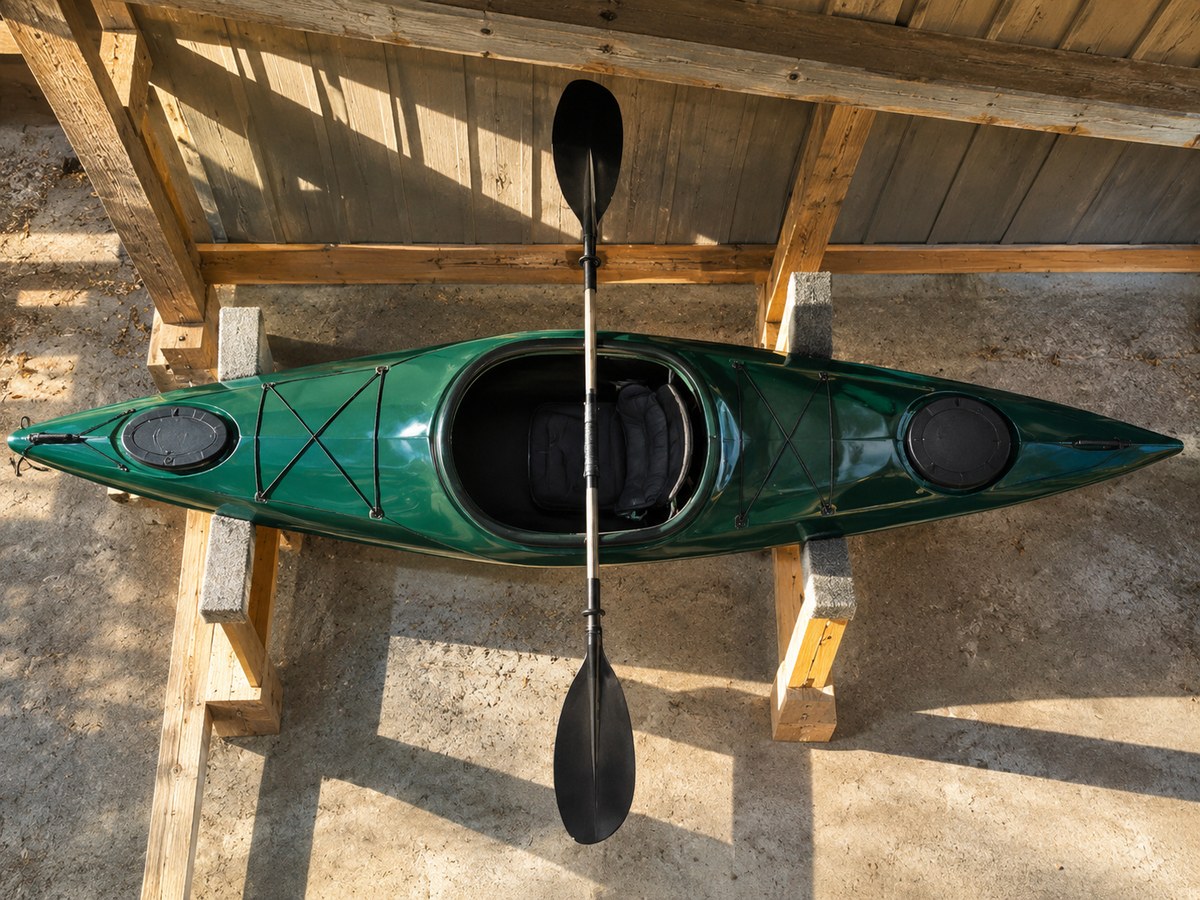
A relaxed low-angle stroke generally sends the blade farther away from the hull. A steeper high-angle stroke plants closer to the boat and is often paired with a shorter paddle in the same setup. Compare lengths designed for your intended stroke without forcing a posture that feels awkward or tiring.
Werner’s design and fit guidance describes high-angle designs and explains why shorter lengths can suit them. This is a design relationship, not a recommendation for one length across every boat. An example can help: a low-seat touring boat can let a paddler plant close to its side without much extra reach. A high-seat fishing kayak may have very different clearance even if the person has the same arm length.
Watch where the blade enters, rather than trying to keep the upper hand at a specific imaginary line. If a comfortably paced stroke keeps hitting the rim, ask whether the seat is set correctly and whether the chosen paddle is meant for that approach. If you are repeatedly spreading your hands far apart just to clear the boat, don’t assume a few more inches of grip movement are a lasting fix. Ask an instructor or outfitter to watch the setup.
Think about what you will do most of the day. A short, exposed crossing and an hour of easy shoreline exploration need not favor the same designs. Match the baseline to regular use, and seek a qualified opinion if specialized paddling conditions are central to the decision. This guide does not tell you to practice close to moving traffic, rocks, or exposed shore.
What should a short on-water fit check feel like?
Look for predictable blade entry, clearance beside the kayak, and a stroke you can repeat without leaning or shrugging. Change only one setup variable at a time. On calm, suitable water, compare two lengths from the same seat position before making a purchase, and stop if a setup causes pain.
If you can demo paddles, ask what the rental or shop supplies and where you can try them in sheltered conditions. Follow the operator’s instructions, wear a properly fitted life jacket, and do not treat a gear fit check as the reason to go out in marginal conditions. A short controlled session gives more useful information than being pushed around by gusts while trying to remember which paddle you used first.
With the first paddle, start with a few easy strokes from your normal seating position. Stop and notice three things: whether the blade can go in cleanly without striking the hull, whether you can keep a relaxed posture, and whether you can repeat the action on both sides. Try the other length with the boat and seat unchanged. Use the same short stretch if water and traffic are still similar. If the result is dominated by wind, current or boats, postpone the comparison rather than treating it as a test result.
A useful note is specific: “shorter option touched the right gunwale twice at the high seat” or “longer option cleared the sides but felt cumbersome during slow turns.” That is something a shop can work with. “Felt weird” may be true, but it does not tell you whether to change length, fit the seat, or use a different blade design. Stop the test if pain appears and seek appropriate guidance rather than trying to adapt to it through repetition.
When does an adjustable paddle make sense?
An adjustable paddle can be useful if more than one person shares it, you switch between substantially different kayaks, or a seat has two regular heights. Check that the available adjustment range covers the lengths you intend to use, and follow the maker’s instructions for locking the parts before launch.
Length adjustment is not the same thing as blade-angle adjustment. A two-piece paddle can come apart for transport, and its blades may be able to sit at different offsets, but neither feature proves the assembled length is adjustable. Read the product instructions or ask a shop to demonstrate the exact mechanism before you depend on it. A fixed length can still be the more suitable choice if you use one kayak from one position.
Think about what the range solves. If two boats require clearly different fits, the idea makes sense only if both workable settings are included. If two people share one paddle but never use it at the same time, adjustment could be convenient; if they paddle together, it does not replace the second paddle. When comparing options, check if you can remember and find the settings without relying on tiny, hard-to-read marks outdoors.
Follow size and assembly directions exactly and stay inside the indicated range. Do not try to create extra reach by bypassing the lock or using the paddle partially engaged. If an adjustment mechanism is sticky or fails to hold, ask the maker or a shop before using it. Record the model and length setting that fit each kayak once you verify it.
How do you decide when the chart and your test disagree?
Choose the length that works in your actual boat and setup, provided it is within the equipment’s intended use. Repeat the comparison if the conditions, paddle model, or seat changed between trials. When neither option lets you paddle comfortably with reasonable clearance, revisit the boat setup or ask for help.
Do not dismiss consistent observations because a chart appears authoritative. The chart does not know how a seat fits your body, whether you sit lower after gear is loaded, or whether fittings near the cockpit constrain the stroke. If the trial uses a shop boat, verify that it is the same trim and that the seat and other relevant settings match yours before relying on the result.
Before spending money, use a one-minute handoff note. Include your kayak model, published width, seat position, paddle line, the two lengths tried, and what each did beside the hull. For someone who paddles one kayak, start with the version that provided clean clearance and the least unnecessary reach. For someone with multiple kayaks or a height-adjustable seat, list which setting produced which result rather than assuming one adjustment fits all of them.
A sound gear choice is still only the first decision before leaving shore. Plan for the water and the weather, carry what local rules require, and let someone know where you are going. Our kayak float plan checklist covers the details that remain important regardless of paddle length. The right paddle helps you repeat a comfortable stroke; it does not change the conditions outside the launch.
A useful comparison survives the trip home. A rental desk may lend a different paddle next time, and the boat you use with a friend may have higher sides. Keep the length and model in the same note rather than just writing “the short one.” If the water trial was not representative, say why. That simple record also helps when you need a spare: you may accept a different blade design for occasional use, but you still want an assembled paddle you can use normally from the same seat.
Frequently asked questions
Which measurements should you write down before shopping?
Write down the kayak’s published width, your standing height, and where the seat will be set. Confirm the exact kayak model and trim so you do not borrow the dimensions of a similar boat. Note anything that affects reach, including a high chair, wide gunwales, or a seat that changes height.
How should you use the paddle maker’s sizing chart?
Use the chart for the paddle model and water use you are considering. Read across from the boat width and down from your height, or follow the chart’s specific instructions. Treat the result as a starting length, not a guarantee, especially if you sit high or fall between two sizes.
How does stroke angle change the fit?
A relaxed low-angle stroke generally sends the blade farther away from the hull. A steeper high-angle stroke plants closer to the boat and is often paired with a shorter paddle in the same setup. Compare lengths designed for your intended stroke without forcing a posture that feels awkward or tiring.
What should a short on-water fit check feel like?
Look for predictable blade entry, clearance beside the kayak, and a stroke you can repeat without leaning or shrugging. Change only one setup variable at a time. On calm, suitable water, compare two lengths from the same seat position before making a purchase, and stop if a setup causes pain.
When does an adjustable paddle make sense?
An adjustable paddle can be useful if more than one person shares it, you switch between substantially different kayaks, or a seat has two regular heights. Check that the available adjustment range covers the lengths you intend to use, and follow the maker’s instructions for locking the parts before launch.
How do you decide when the chart and your test disagree?
Choose the length that works in your actual boat and setup, provided it is within the equipment’s intended use. Repeat the comparison if the conditions, paddle model, or seat changed between trials. When neither option lets you paddle comfortably with reasonable clearance, revisit the boat setup or ask for help.