
How to Write a Kayak Float Plan
Written by Outdoors Magazine|
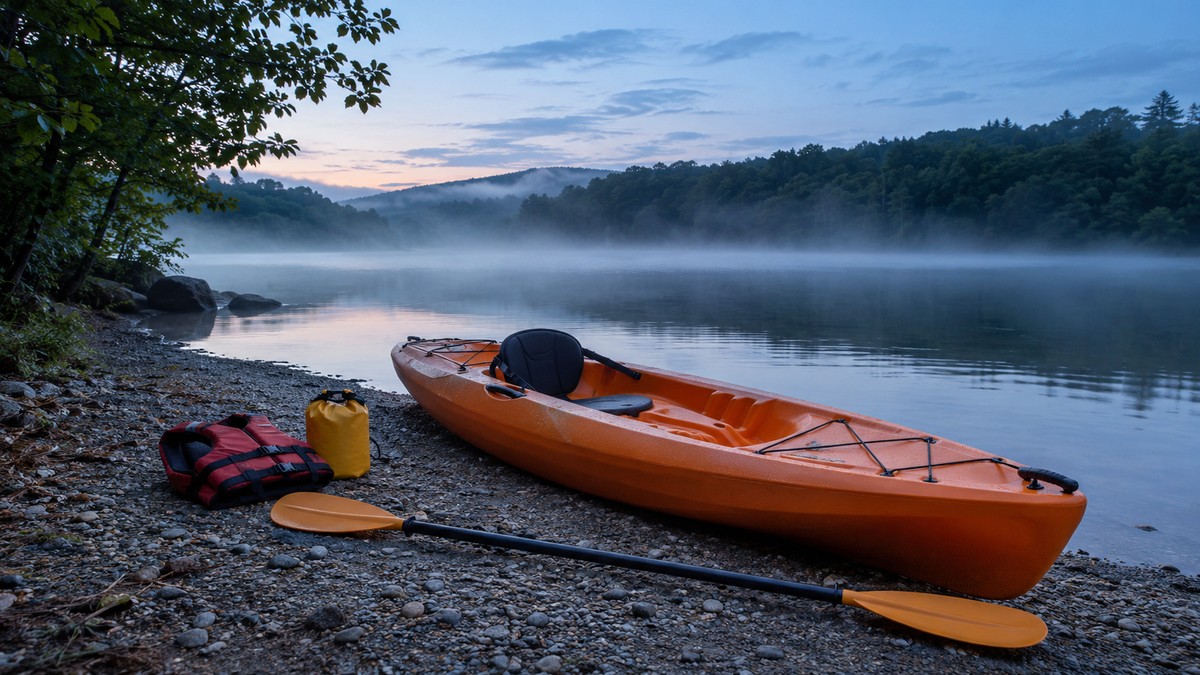
A kayak float plan tells a trusted person where you will paddle, what your group and boats look like, when you expect to return, and what to do if you do not check in. Share it before launching, agree on an overdue time, and close the plan after everyone returns safely.
Key takeaways
- Use a trusted shore contact and agree on an overdue action before launch.
- Describe the exact launch, take-out, route, craft, and communications plan.
- Update material changes promptly and affirmatively close the plan when everyone returns.
A kayak float plan tells a trusted person where you will paddle, what your group and boats look like, when you expect to return, and what to do if you do not check in. Share it before launching, agree on an overdue time, and close the plan after everyone returns safely.
What is a kayak float plan?
A kayak float plan is a shareable record of a planned paddle, not a permit or an emergency signal. It gives someone on shore enough information to recognize a missed check-in and describe the outing to responders. Use one for a small kayak as well as for a larger boat.
The U.S. Coast Guard describes a float plan as useful for paddlers as well as people aboard larger vessels. The main point is not using a particular format. It is giving the right person information that would be hard to reconstruct after you are already overdue. A file nobody can open or a message nobody agreed to watch does not accomplish that.
Think of the plan as having two audiences. The shore contact needs simple instructions about when to act. A responder needs to know where to begin understanding the trip without having to infer names, places, boat colors, or which access point the group chose. A useful note serves both audiences without assuming they know the local nicknames you use with friends.
What should your shore contact receive?
Include the date, participant names, boat descriptions, exact launch and expected take-out, planned route, communications equipment, expected return, and an agreed action time if you are overdue. Add a reachable number and a location reference that still makes sense if a map link fails or the recipient has never visited the area.
A name like “the north ramp” can describe several places around one reservoir. Use the park, agency, or facility name and an address, map pin, or coordinates you have checked against the access point. For a loop, clearly state that you start and finish in the same place. For a one-way trip, distinguish the launch from the take-out and explain where you expect a shore pickup.
For boats, describe visible hull colors and distinguishing details. If the group has two similar craft, identify the paddlers by name and specify which description belongs to each. If you carry a radio or another emergency device, state the type and useful contact information without implying that it works everywhere. Include a vehicle description when it helps identify the launch location. Send sensitive details only to people who need them.
Who should get the float plan before you launch?
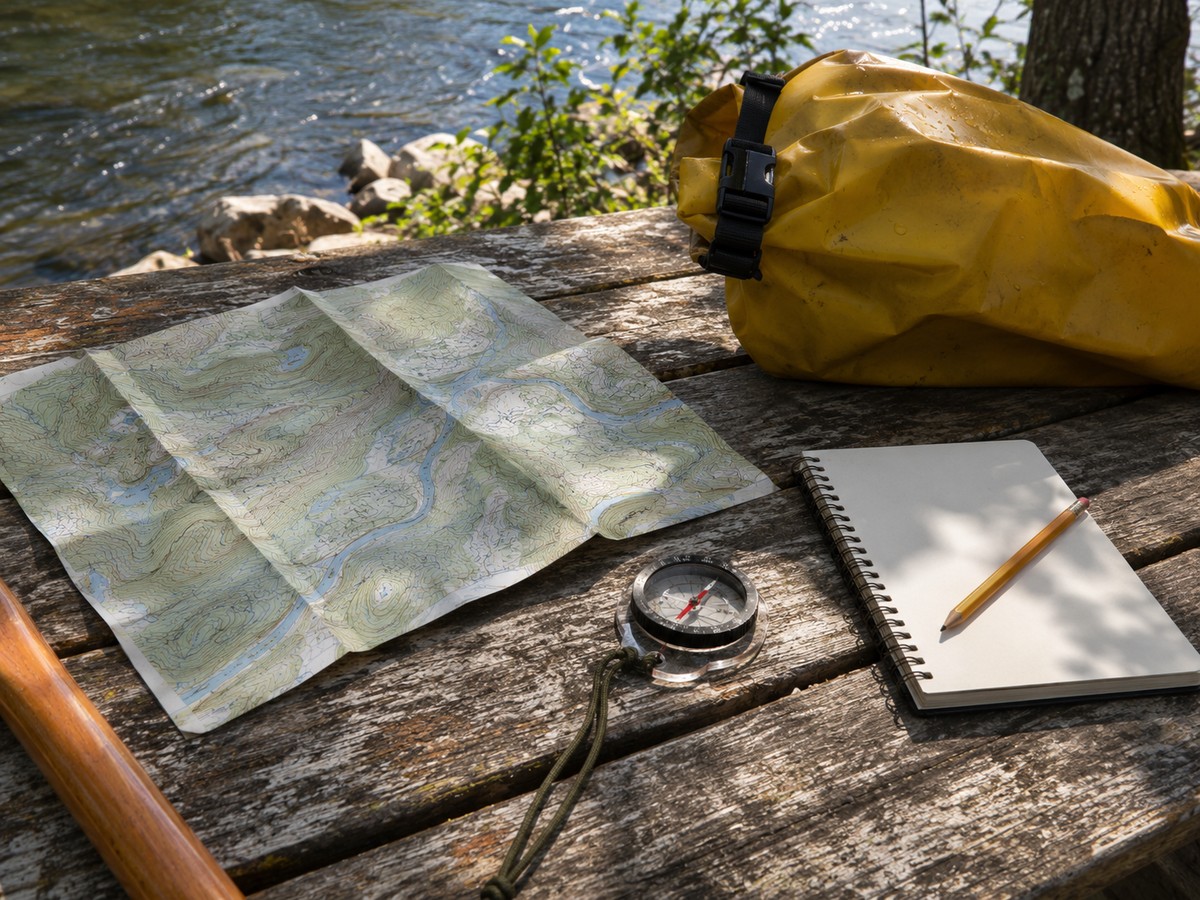
Choose a responsible person staying on shore who can receive updates, understand the route, and take action at the agreed time. Share the plan directly and get an acknowledgment. The Coast Guard Auxiliary says the Coast Guard does not accept float plans, so do not treat a submission to the agency as your check-in system.
Talk through what the contact is agreeing to do. Sending a long text during their work shift is less useful than asking them beforehand whether they will be available to act. A backup contact can help if the first person’s schedule changes, but identify who has the primary role. If several people receive the plan, avoid a situation where each thinks someone else will make the first call.
Keep the details in a form that works for them. A plain message with a pinned location might be better than a complicated form if they can find it quickly. A file is helpful if it is easy to open and clearly labeled. The contact need not understand paddling technique; they do need to recognize the difference between an ordinary late return and the point at which you agreed they should call for help.
How do you set a credible check-in and overdue time?
Give your contact a planned return time and a separate, explicit time to begin the agreed overdue procedure if you have not closed the plan. Leave a realistic margin for landing, unloading, and reaching reception, but do not use a generous cushion to make a questionable route seem safer than it is.
An expected time is when you intend to return. The overdue time is an action threshold, not a second estimate of when you will get home. Pick both before launching. Take into account the actual take-out, known reception limits, expected time off the water, and conditions that could shorten the window you are willing to accept. For a trip facing material uncertainty, reconsider the trip rather than stretching the margin.
Use a clock time with a time zone if the recipient is elsewhere or the trip crosses one. “Back before dinner” invites interpretation. So does a plan that says to call if someone is “really late.” Say when to try the agreed contact method and when to use the plan to alert the appropriate emergency authorities. Do not expect a person on shore to infer an emergency from a constantly moving shared location dot.
How should you handle a route change or stalled progress?
Tell your shore contact about any material change before following the new route if possible. Send the updated access point, direction, destination, and check-in time, and ask them to acknowledge it. If you cannot get an update through, avoid depending on an unacknowledged change to keep the original plan accurate.
Some changes are small: returning along the shoreline you already identified or stopping briefly within the planned route. A different landing or an additional exposed crossing is a much bigger departure. Make it clear in advance which alternatives are part of the original plan and which would require a new message. A route that is easy to describe ahead of time is often easier to understand under pressure.
Do not take a risky extra leg just to satisfy a plan you sent earlier. The plan describes intentions, not an obligation to arrive at a particular ramp despite deteriorating conditions. If a group stops early at a safe authorized landing, notify the contact as soon as it is safe to do so. If there is an immediate emergency, use the emergency communications available to you rather than expecting the shore contact to solve it from a delayed text.
What does a one-screen float plan look like?
Organize a short plan in the same order the shore contact will use it: date and group, craft descriptions, launch and take-out, route, communications, then check-in and overdue actions. Use clear labels, keep the main details in the message, and treat external map links as helpful supplements rather than the only record.
Here is a fictional structure. Replace the examples with verified details before using it:
- Date and people: Saturday, three paddlers; names and reachable contact number recorded.
- Boats: one teal sit-on-top, one white sit-inside, and one yellow canoe; identify who is in each.
- Launch and return: public access on the north side of Example Lake, checked location attached; same site is the expected take-out.
- Route: short shoreline loop from the launch to the signed park boundary and back, no opposite-shore crossing.
- Communication: group lead will text from the launch once everyone is off the water and accounted for.
- Timing: expected check-in at 11:45 a.m. local time; overdue action at the separately agreed time if the group has not checked in.
- If overdue: follow the agreed contact and emergency procedure and provide the route and equipment details.
Do not copy the example’s timing for a real outing. The point is making the order predictable. A recipient should never have to comb a long chat for the most recent take-out location. If there is a revision, label it explicitly and send a complete enough update that the contact can tell which details replaced the original ones.
What should the shore contact do if the group is overdue?
The shore contact should follow the actions agreed in the plan and share its details promptly with the appropriate emergency service when the escalation point is reached. Do not wait for a second arbitrary deadline or launch an independent search. Mention the last reliable contact, intended route, group, and craft descriptions.
Set up the instructions while everyone is calm. If the contact has tried the agreed number and cannot reach anyone, make sure they know how to use the plan and which authorities serve the area. They should not need to guess sensitive details or phone around for common boat information first. For an immediate emergency in the United States, use the appropriate emergency contact, generally 911 on a phone; local procedures and available marine communications vary.
If new information arrives, separate what is confirmed from what someone merely thinks happened. “The paddler texted from the park entrance at 8:12 a.m.” is useful. “They probably changed lakes” may be possible but can mislead if presented as certain. Keep messages and the plan available, and let responders direct any further actions.
How do you close a float plan after you return?
Send a definite check-in after everyone is safely off the water and accounted for. Contact every person you asked to act on the plan, not just whoever answers first. If an overdue call has already gone out, tell the shore contact immediately so they can update responders through the appropriate channel.
Closing a plan should not depend on a phone’s location silently appearing back at the parking lot. A direct “off the water, all three safe, plan closed” keeps the record clear. If someone leaves the group at a different authorized location, make sure the person is accounted for before declaring the entire outing complete. This matters most when a group had split responsibilities or more than one vehicle.
Afterward, note any practical change for the next outing. Maybe the access name was ambiguous, the cell signal began later than expected, or the map pin landed on the far side of a locked gate. Adjust the next plan rather than editing the old one to make it look more accurate. A brief correction to the routine is more useful than accumulating longer forms nobody reads.
Does a float plan replace on-water safety equipment?
No. A float plan helps someone on shore understand your trip, but it does not prevent a capsize, tell you whether conditions suit your group, or guarantee a rescue. Choose routes consistent with your skills, wear a properly fitted life jacket, and use appropriate safety and communications equipment for the water you will paddle.
A strong plan can expose a weak itinerary. If the group cannot name an alternate take-out or explain how it would check in, shorten the route or pick simpler water. Look at official conditions and local guidance, and do not mistake a map or a phone app for an independent safety measure. Stay within the abilities of the least experienced person rather than planning around the fastest boat.
A float plan also does not need to be perfect before it can be useful. A short message with a clear route, craft description, and exact check-in is generally better than a form with twenty neatly completed fields and no assigned contact. Build the habit for familiar short trips as well as ambitious ones, so the instructions remain ordinary when something unexpected changes.
For a group outing, decide who sends the trip’s message before vehicles split up. For newcomers, give everyone the same basic route and take-out information rather than allowing the leader to keep the only copy. That small check can reveal confusion before anyone leaves the ramp.
Read more about kayak-fishing safety and planning around wind on the water. Official references: U.S. Coast Guard Float Plan guidance, Coast Guard Auxiliary Float Plan Central FAQs, and Coast Guard recreational boating safety resources.
Frequently asked questions
What should the shore contact do if the group is overdue?
The shore contact should follow the actions agreed in the plan and share its details promptly with the appropriate emergency service when the escalation point is reached. Do not wait for a second arbitrary deadline or launch an independent search. Mention the last reliable contact, intended route, group, and craft descriptions.
How do you close a float plan after you return?
Send a definite check-in after everyone is safely off the water and accounted for. Contact every person you asked to act on the plan, not just whoever answers first. If an overdue call has already gone out, tell the shore contact immediately so they can update responders through the appropriate channel.
Does a float plan replace on-water safety equipment?
No. A float plan helps someone on shore understand your trip, but it does not prevent a capsize, tell you whether conditions suit your group, or guarantee a rescue. Choose routes consistent with your skills, wear a properly fitted life jacket, and use appropriate safety and communications equipment for the water you will paddle.