
Reasons To Pick a Hiking Backpack With Metal Buckles
Written by John Wren|
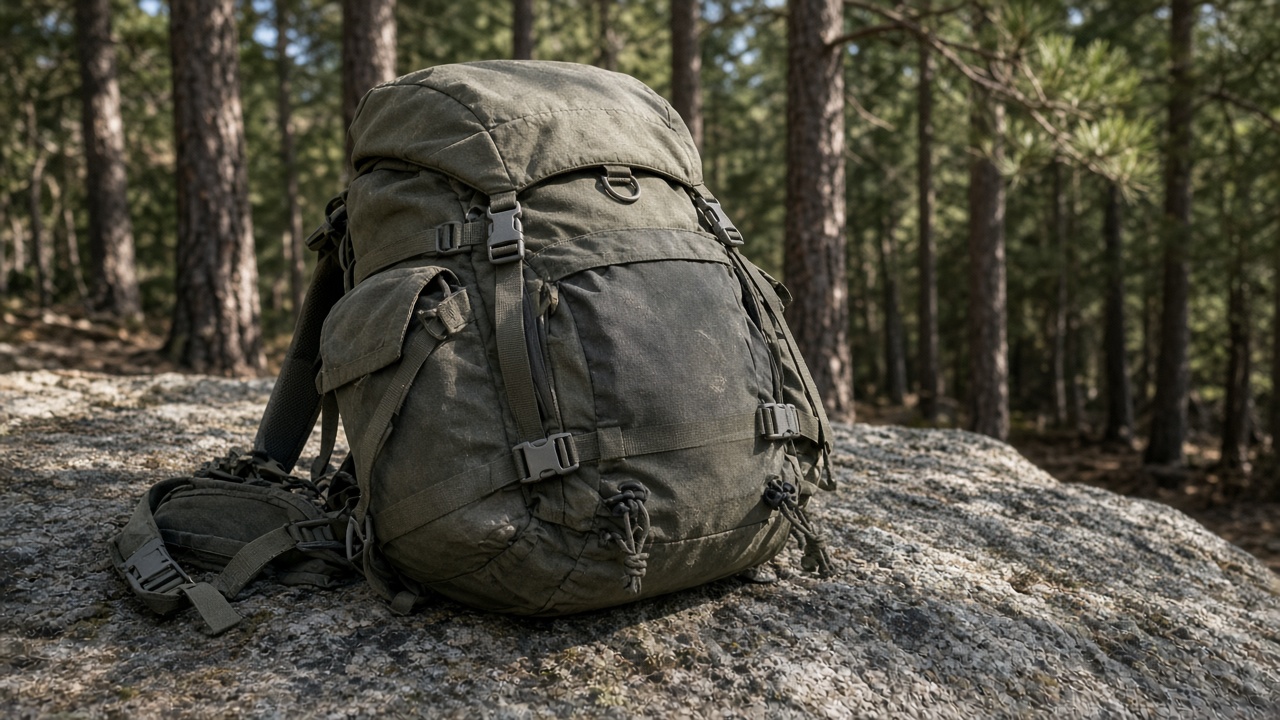
Look at hip and sternum hardware before the logo. Metal usually wears instead of shattering. Buy a pack that fits, and a brand that sells spare clips.
Key takeaways
- Cold and impact are the plastic failure modes.
- Hip and sternum clips are cyclic wear.
- Fit beats hardware. Hardware keeps the fit locked.
- Spare parts are a feature, not an afterthought.
Hikers shop liters, frames, and pocket counts. They should also shop the little hardware that holds the load shut when it is cold, wet, and sideways. Plastic buckles are fine until they are not — a snapped sternum clip at the lot is comedy, a snapped hip-belt buckle on a ridge is a carry problem. In 2026 metal hardware is still the boring reason some packs last a decade and some become a sewing project in year two.
Short version. Metal does not like to shatter at 20 degrees. It wears instead of snapping. It still needs a pack that fits. the Osprey Daylite is the Osprey daypack we will name because we already ran that review. trail gear you cannot skip is the rest of the trail kit. Check live prices. We do not invent numbers.
This is not a claim that every plastic buckle is junk. It is a claim that hardware is a wear part you should look at before you look at the logo.
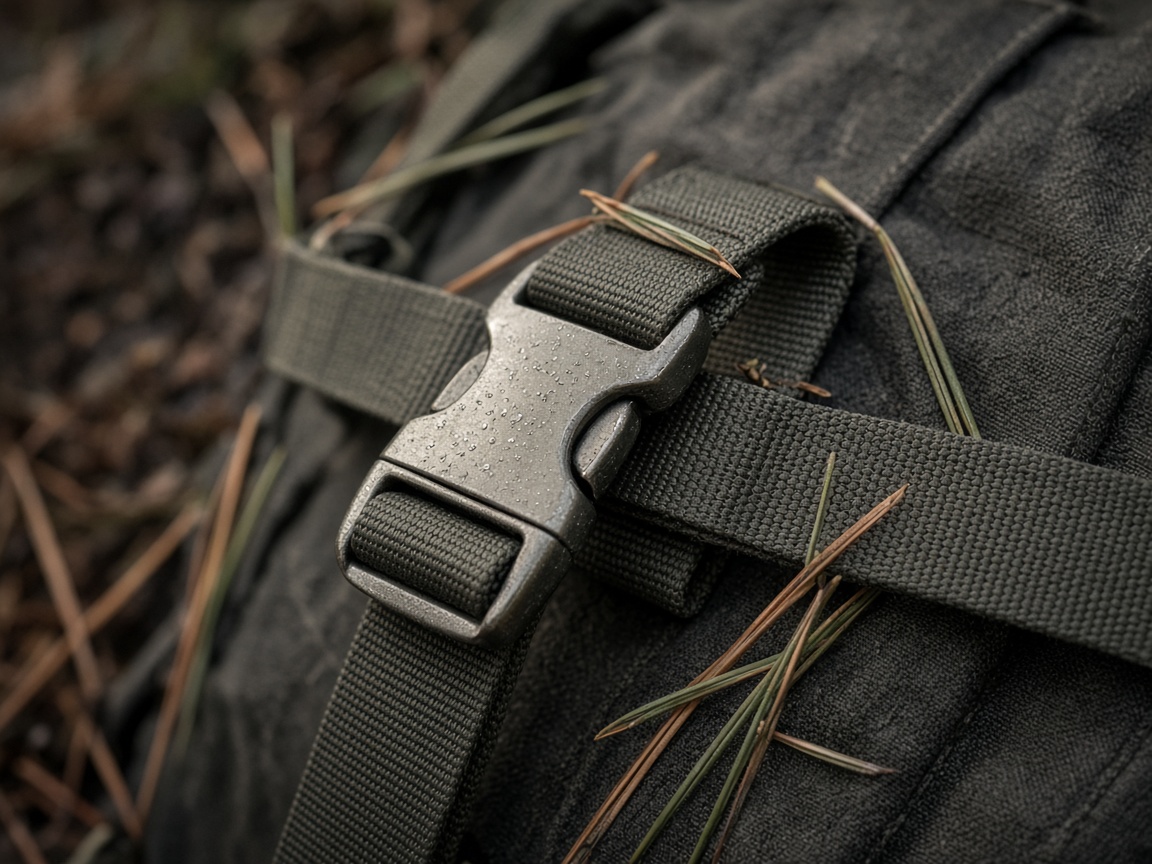
Cold and impact are where plastic shows its religion
Acetal clips get brittle in winter and when they are old. A pack that lives in a truck and then hits a January trailhead is a common failure. Metal ladderlocks and buckles take the same hit and usually bend or scuff. You can still have a problem — a bent gate, a frozen slider — but you are less likely to be tying webbing in a knot with numb hands.
Impact is the other test. A pack that slides down granite, a buckle that takes a ski-edge nick, a hip belt that gets stood on in a hut — plastic fails as a clean break. Metal fails as a scar. Scars you can inspect. Breaks you replace on the weather’s schedule.
winter snowshoe days if the day is actually snowshoes. Hardware that works with gloves on is part of winter. Tiny slick clips are a summer picnic feature.
Wear, sand, and the buckle you use fifty times a day
Sternum straps and hip belts get clicked more than any other part of a pack. That is cyclic load. Cheap plastic develops slop, then a surprise open. Metal hardware with a positive close stays honest longer if you keep grit out of the mechanism. Rinse sand after a beach or a desert trip. A buckle full of quartz is a grinder in any material.
Webbing stretch and a slipped cam can dump a load even if the buckle is steel. Look at the whole system: stitch lines, bartacks, and the ladder. Metal is not a magic spell over a pack that was sewn for a weekend market.
Replacement parts matter. A brand that sells a buckle or a spare hip-belt clip is a brand that expects the pack to live. A mystery import with no spare is a disposable even if the foil looks tactical.
Fit still beats hardware
A metal-buckle pack that does not fit will still wreck your shoulders. Torso length, hip-belt bones, and a load that is not a bowling ball in the bottom pocket are the real comfort system. Hardware is how that fit stays locked. It is not the fit.
Daypacks and big bags have different jobs. A 20-liter park pack does not need a haul-bag gate. It needs a buckle that will still close after two years of weekly use. The Osprey Daylite is the small pack we name because we already tested the idea of a simple, attachable daypack. It is not a 70-liter expedition bag. Check the live listing. If you want the women’s-specific carry, the Osprey Kyte 46 is the Kyte page.
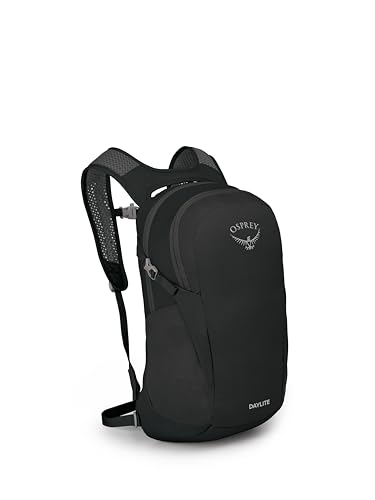
The point of naming a real pack is so this does not become a fake “10 best buckles” list with no hardware you can buy.
Field failures we actually see
A hip-belt buckle that opens on a scramble because the release is proud and catches a branch. A sternum clip that died in a cold lot so the shoulder straps wander. A compression strap cam that will not hold after sand. None of these are dramatic. All of them change the day. Tape and a spare buckle in the lid are not silly. They are how a metal-or-plastic argument stays a conversation instead of a hike-out.
Kids and borrowed packs are buckle-killers. Teach people to open the release, not to pry the webbing. A guest who sits on a hip belt on a granite lunch rock is a maintenance event. Look at the pack when you look at your feet at the end of the day.
what to pack if the question is what goes in the bag. Hardware cannot fix a load that is a jumble of cast iron and a leaking bottle.
How to shop without a caliper
Pick the pack up and cycle every buckle ten times. Look for sharp flash on plastic, sloppy pins, and webbing that is already frayed in the store. Prefer metal or mixed hardware on the parts you click the most: hip, sternum, and the lid. Compression can stay plastic if it is a known brand and you accept it as a wear part.
Ask about spare parts. Ask about the hip-belt size. A beautiful buckle on the wrong torso length is jewelry. shoes that last the day if you are buying a pack and still wearing a dead shoe. The pack cannot walk for you.
Skip the tacticool gate that exists to look like a plate carrier. You want a pack that disappears on a trail, not a costume.
Hardware is a wear part. Buy it like one.
Metal buckles are a reason to pick a hiking pack when you hike in cold, on rock, and often. They are not a substitute for fit. Name a daypack when the day is a day. Check live prices. We do not invent numbers. Carry a spare clip if your season is long. That is the whole argument, and it is enough.
Rain, freeze, and the buckle you cannot feel
A wet plastic buckle is slick. A frozen plastic buckle is a puzzle you solve with teeth. Metal still gets cold — it will bite skin if you grab it bare at 10 degrees — but it usually still opens. Wear a thin glove. Practice the release at home so the first time is not on a ridge in the wind. Hardware you have never opened in gloves is hardware you do not know.
Rain covers and overstuffed lids hide buckles and then you yank the wrong webbing. Keep the hip belt visible. A pack that needs a rain cover every Tuesday may just need better fabric or a shorter trip. Covers also catch wind and lever hardware you then blame. Sometimes the buckle was fine and the cover was a sail.
Salt air and desert dust are different grinders. Rinse. Dry. A drop of dry lube on a metal slider can be the difference between a quiet pack and a seized one. Do not oil webbing into a dirt magnet. A little on the metal, none on the strap, is the habit.
What you clip is what you trust
Ice tools, a helmet, a bear can, a tripod — add-on straps are where mystery clips live. If the extra strap is a dollar-bin side buckle, treat that item as inside the pack or on a known loop. A camera that hangs from a tired plastic clip is a camera you will meet again on a rock.
Kids’ packs fail at school and at the trailhead the same way: the sternum clip. If you hike with children, inspect their hardware as often as you inspect their shoes. A spare clip in your lid covers both packs. Teach them to clip, not to twist.
Ultralight cottage gear sometimes uses tiny aluminum hooks that are strong and also easy to unclip on brush. Know the design. A hook that opens backward on a branch is a feature until it is a lost pad. Test the motion in the yard against a shrub. It sounds silly. It is cheaper than a pad in a ravine.
Field fixes that are not theater
A zip tie, a spare buckle, and a short piece of webbing will solve most hardware days. A needle and dental floss will solve a bartack that has not fully let go. Do the repair at lunch, not at dark. If the hip belt is truly gone, pad the shoulders, shorten the day, and carry less. Hero-hiking a failed belt is how people hurt a back they needed for Monday.
At home, replace the worn clip before the trip you care about. Order the part from the brand if you can. A “close enough” buckle from a bin may not match the webbing width and will slip. Measure. The 20 mm versus 25 mm mistake is a classic.
If the pack is otherwise dead — foam gone, fabric delaminating — new buckles are jewelry on a corpse. Retire it. Hardware cannot resurrect a bag that has already packed out. That is the same lecture as dead running shoes.
Buy once, then stop shopping
A good pack with honest hardware should disappear for years. The industry would like you to replace it when the color changes. Ignore that. Stitch, replace a clip, wash the salt out. The metal-buckle argument is really an anti-disposable argument. You are choosing a tool that can be serviced.
Secondhand packs are fine if you cycle every buckle and look at the stitch lines in daylight. A cheap used bag with shattered hip clips is a no. A used bag from a brand that still sells parts is a yes. That is how outdoor kit stays out of a landfill and on a trail.
Wash grit out of the hip buckle after desert and beach trips. Quartz in a gate is how even metal starts to feel sloppy. A rinse and a dry is cheaper than a spare clip you never ordered.
At the trailhead, do a two-second buckle check the way you check a boot lace. Hip, sternum, lid. If something feels sloppy, fix it in the lot. A click you do not trust at the car will not get more honest on a sidehill. That habit is how metal hardware actually earns the weight.
If you hike in cactus or catclaw country, inspect the webbing faces, not only the metal. Thorns cut nylon and then the beautiful buckle is holding a strap that is already a tear. Hardware is a system. Look at the whole system.
Also in the magazine
Keep going with Osprey Daylite review, trail gear, hiking pack list, and all-day shoes. We only link pages that already live here. Check live prices. We do not invent numbers.
Frequently asked questions
Are metal buckles always better?
They take cold and impact better than old plastic. Fit still matters more than the metal.
Will plastic always snap?
No. Good plastic on a known pack is fine in mild use. It is a wear part. Inspect it.
Which pack are you naming?
The Osprey Daylite as a simple daypack we already reviewed. Not a fake best-ten of buckles.
Do I need metal on compression straps?
Prefer metal or mixed hardware on hip and sternum, the clips you use constantly.
What should I carry as a spare?
A buckle that matches your webbing width, plus the knowledge of how to lash a hip belt if it fails.
Does metal add much weight?
A little. On a hiking pack the failure you do not have is worth more than grams you will not notice.