
How to Keep a Backpacking Water Filter From Freezing
Written by Outdoors Magazine|
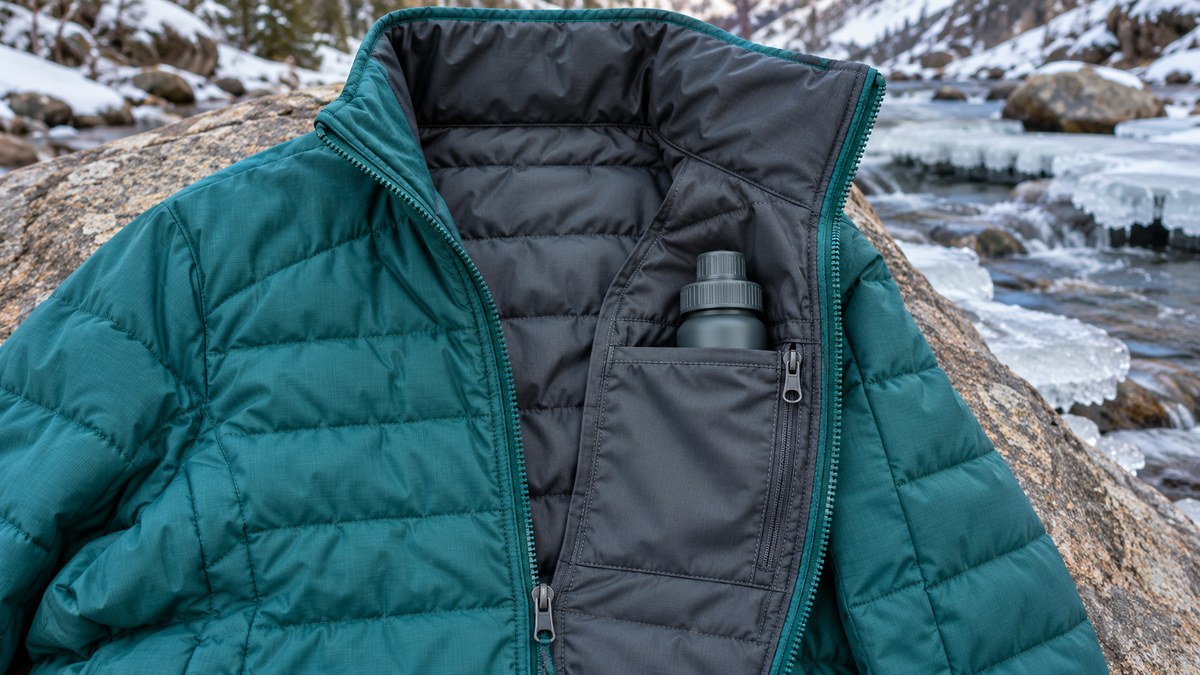
Keep a used backpacking water filter from freezing by carrying it close to your body during the day and keeping it with you inside your sleeping bag at night. If it may have frozen after getting wet, stop relying on it: use safe water you carried, boil water from a suitable source, or switch to an independent treatment method appropriate for that source. Normal flow after thawing does not prove the filter is safe.
Key takeaways
- A wet filter belongs near your body by day and inside your sleeping bag at night.
- Do not trust looks or flow rate after suspected freezing. Check the exact manufacturer’s guidance.
- Carry a safe water reserve and an independent way to treat more water on your route.
Keep a used backpacking water filter from freezing by carrying it close to your body during the day and keeping it with you inside your sleeping bag at night. If it may have frozen after getting wet, stop relying on it: use safe water you carried, boil water from a suitable source, or switch to an independent treatment method appropriate for that source. Normal flow after thawing does not prove the filter is safe.
AI-generated editorial illustration. Carry the pocket close to your body when hiking; a jacket laid down on cold rock cannot keep a wet filter warm.
Why can a wet filter fail after it thaws?
Water left inside a wet cartridge can freeze even after you drain the housing. Ice can damage some filter media without leaving a visible crack. A filter that looks intact or still passes water may no longer remove what its manufacturer says it removes. Check the instructions for your exact model, not just its general filter type.
Think of water flow and water treatment as two separate questions. You can observe one in a campsite; you cannot verify the other by holding the output up to the light. A filter can clog for reasons unrelated to freezing, and a cartridge that passes water easily is not necessarily intact. The outside may be dry while water remains inside the treatment element. For that reason, treat a used cartridge as freeze-sensitive unless its own instructions clearly say otherwise for the conditions in question.
Sawyer, for example, says its Squeeze can tolerate freezing before initial wetting but recommends replacing the filter if you suspect freezing after its first use. That distinction comes from Sawyer’s care instructions and should not be assumed for every filter brand. If you keep a spare packed away for winter, note whether it has ever been wetted and check its own instructions before deciding where to carry it. A cartridge you rinsed or primed at home is not a never-wetted spare just because it has not yet been on trail.
Where should you carry the filter during the day?
After use, drain the filter as its maker directs and put it in a separate leak-resistant pouch inside a jacket pocket close to your body. Move it when you change layers. An outer pack pocket, insulated sleeve alone, or pouch left in a removed jacket cannot benefit from your body heat.
Pick the pocket before you leave, and make it the filter’s only storage spot during cold travel. The routine can be as simple as “filter, cap, pouch, inside pocket.” Do it immediately after each water stop instead of leaving the unit on a rock while you refill bottles, put gloves on, or check the map. Use a pouch you can open with cold hands, but close it before storing the filter so drips do not wet your insulating layers. Fit and security matter more than which side of your jacket you use.
The filter goes with the person, not with the layer. If you unzip or remove a jacket while climbing, transfer the pouch to a protected layer you are still wearing. At lunch, keep the cartridge protected while the rest of the water kit is on the snow. If your setup uses a gravity bag, do not leave the wet cartridge hanging outside while you make camp or head off to collect more water. A filter hanging from a branch is easy to forget once everyone has a full bottle.
Keep the untreated-water bag and its fittings separate from clean bottle mouths and caps. If your unit has inlet and outlet caps, follow the maker’s instructions for using them. Develop that habit indoors before the trip so you are not working out which end goes where with numb fingers. An insulated pouch is useful to slow heat loss, but it is not a heat source or a promise that a filter will stay above freezing.
How do you protect the filter overnight?
Bring the used cartridge into your sleeping bag in a closed, leak-resistant pouch, and position it where it stays near you rather than drifting into a cold corner. Keep it out of unheated vestibules and parked vehicles. In the morning, transfer it directly to the protected pocket you will wear hiking.
Sawyer specifically recommends keeping its filter close to your body inside the sleeping bag during sleep. For a different system, check how its maker tells you to drain and store the parts exposed to untreated water. The point is to protect the treatment element, not merely the bottle or external sleeve. Some systems may have more than one wet component that needs attention for the setup to work the next morning.
When setting up camp, move the filter before routine jobs take over. A pocket on the pack can seem convenient if the bag is coming into the tent, but a tent is a wind barrier, not a heated room. An unheated hut, a camp kitchen, and the outside of a sleeping bag all pose the same planning problem: you do not know how cold the device itself got while you were asleep.
Keep some safe drinking water accessible for morning as well. Relying on a cold, questionable filter to produce your first water of the day gives you fewer options. In a group, agree on who is carrying the backup, where it is at night, and who will refill clean bottles. If everyone assumes another person has the active filter or fuel, a manageable problem can leave the whole group short on water.
What should you do if you think the filter froze?
Set the cartridge aside and stop counting it as treatment. Protect whatever safe water you still have, tell your group, and use the backup you planned. Do not trust a thawed cartridge just because it looks normal, does not leak, or flows freely. Follow the exact manufacturer’s instructions before using it again.
Think through what happened rather than trying to give an uncertain device the benefit of the doubt. Was it wet before a night in the pack? Did you find ice in an exposed part after leaving it outside in the cold? Did somebody pack it away after using it and no one knows where it spent the night? In those cases, you do not need proof of damage to switch to your backup. Keep the questionable cartridge separate so another person does not put it back into service by mistake.
Do not treat a backflush as a safety test. Backflushing, when supported, is a cleaning procedure and is not proof that filter media survived ice. The same goes for blowing through it, squeezing water through it, checking for visible particles, or matching its usual flow rate. Do not improvise a home test in place of a procedure specifically documented for your model. Where the manufacturer says to replace the element after suspected freezing, do that.
If you already ran water through the questionable filter, treat that batch as not reliably treated. Keep it away from water you know is safe. Do not add it to a clean bottle that already contains your safe supply. Use an appropriate independent treatment method for that batch if the source is otherwise suitable, or use a different safe supply. Record what happened when you get back so that cartridge does not end up repacked for the next trip.
<!-- INLINE_IMAGE -->
Which water backup works if the filter is out of service?
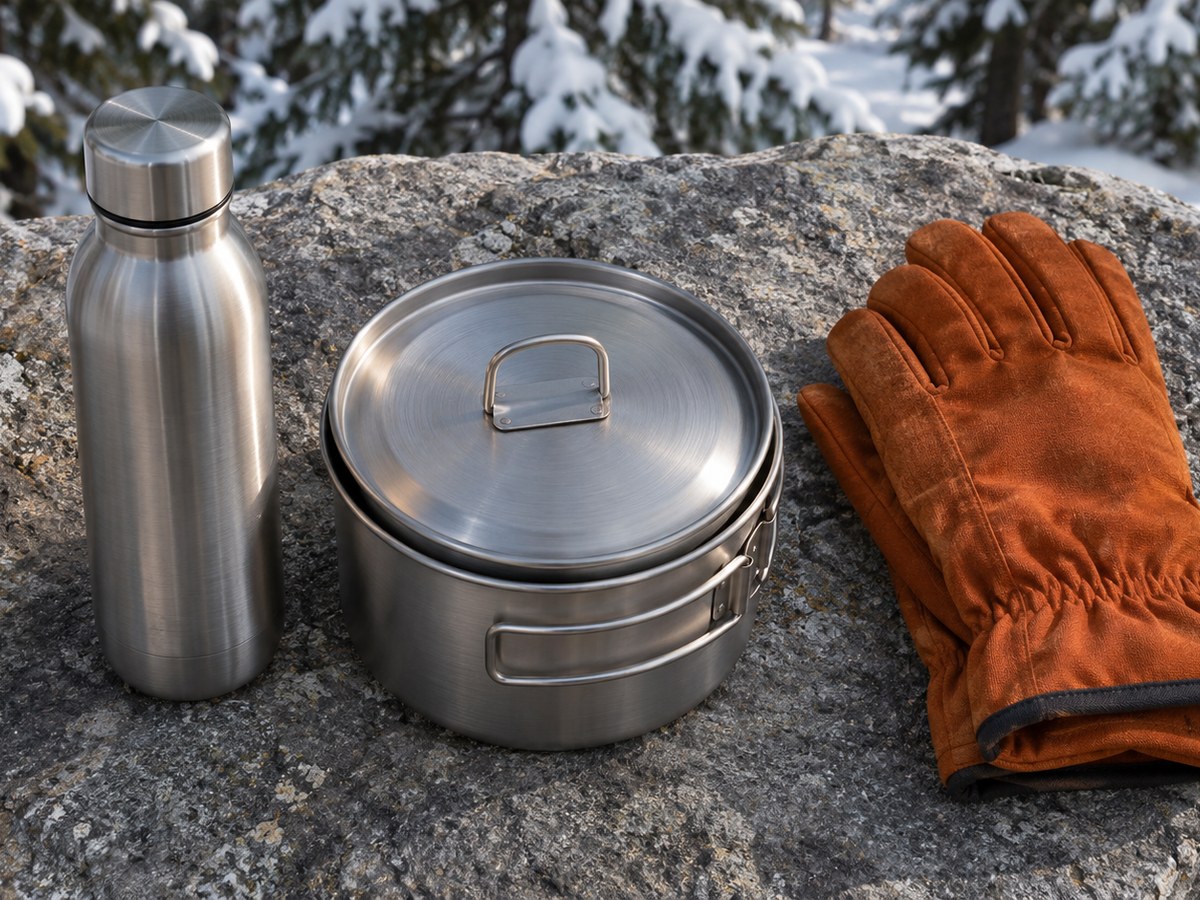
Start with safe water you carried or water from a verified potable source. If those are not available, boiling suitable water is the CDC’s most reliable way to kill germs. Plan for the stove, fuel, pot, and cooling time beforehand, and avoid any source known or suspected to contain harmful chemicals.
For backcountry treatment, the CDC’s hiking and camping guidance calls for a full rolling boil of clear water for one minute, or three minutes above 6,500 feet. A pot that is steaming or starting to bubble is not yet at a rolling boil. Let the water cool before handling or drinking it and keep it in a clean container. Do not run newly boiled water through the questionable filter or pour it into the bag you used to collect untreated water.
Check stove restrictions along the route before relying on a stove as the sole backup. Use it only where permitted, outdoors, on a stable level base and according to its instructions; never use a camp stove in a tent or enclosed shelter. Carry enough fuel for the extra boil cycles you would need, not just food. A stove and pot that can make dinner for one or two people may be slow to produce all the water a larger group needs before departure.
If the backup is a disinfectant, read the product label before the trip. Check what germs it is intended to address, its limitations, and the directions for contact time, temperature and water condition. CDC notes that disinfectants vary, especially against parasites, and that filtering followed by disinfection is the next-best general approach after boiling. A possibly damaged filter is not the reliable filtration part of that combination. Neither boiling nor disinfection makes water with harmful chemicals, toxins or radioactive contamination safe. Use verified safe water or find a different source instead.
How do you build a cold-weather water plan before leaving?
Choose a primary method, an independent backup, and a point at which you would turn back if neither is practical. Identify water sources and legal stove locations in advance, carry safe drinking water for the first leg, and account for the group’s needs if an expected source is inaccessible or frozen.
A filter that stays warm does not help if you cannot reach the water. A creek behind an ice shelf, a seasonal tap that has been shut off, and a source requiring a scramble onto unstable ice are not reliable stops. Check the park, forest, or land manager’s current conditions and advisories. Build enough flexibility into the route that skipping one stop does not force you to take chances near moving water or to depend on an unverified source later.
Decide how you would handle the problem on both legs of the trip. On a day hike, carrying extra safe water and returning to the trailhead may be more practical than lighting a stove. On an overnight, a second method only helps if it is physically usable and the person carrying it is still with you. Two used cartridges left in the same freezing pack are not independent. A known-good backup stored separately, or a boil kit with adequate fuel where permitted, gives you another route.
Give the group a clear decision point before anyone is thirsty or tired. For example, at the last confirmed potable refill, decide whether you have enough safe water to reach the next known source and return by a shorter route if that source fails. Count the water already in your bottles, not the capacity of an empty bag. If the backup needs a particular person’s stove, fuel, or instructions, check that all three are with the group. If you would not have a safe fallback after that checkpoint, use the shorter route.
Finally, run a short rehearsal at home. Locate the cold-weather instructions for your exact filter and save them offline. Identify the untreated and clean containers, practice capping and stowing the parts you actually carry, and look up how your backup works before you ever need it with cold hands. For other treatment designs, see our Sawyer Squeeze and Katadyn BeFree comparison and survival water filter guide. Neither replaces the care instructions for your cartridge. The simplest rule is the useful one: if a wet filter may have frozen, switch methods rather than trying to prove that it is still good.
Sources: Sawyer freeze and replacement guidance, Sawyer’s cold-weather carrying advice, and CDC backcountry treatment guidance.
Frequently asked questions
Can you use a backpacking filter after it thaws?
Do not rely on it if it may have frozen after getting wet. Flow or an intact shell does not prove it still works. Follow the exact manufacturer’s directions and use safe water or an independent treatment method in the meantime.
Will draining a filter keep it from being damaged?
Not necessarily. Draining can remove loose water, but water may remain in the treatment element. Do not treat a previously wetted filter as never-wetted just because it no longer drips.
Does an insulated pouch keep a filter from freezing?
Not on its own. A pouch can slow heat loss, but it does not make heat. Carry the wet filter in a protected pocket close to your body and follow the device’s care instructions.
How long should you boil backcountry drinking water?
For suitable clear water, bring it to a rolling boil for one minute, or three minutes above 6,500 feet. Let it cool before using it. Boiling does not make water contaminated with harmful chemicals safe.