
How To Choose the Best Tennis Racket for Your Game
Written by John Wren|
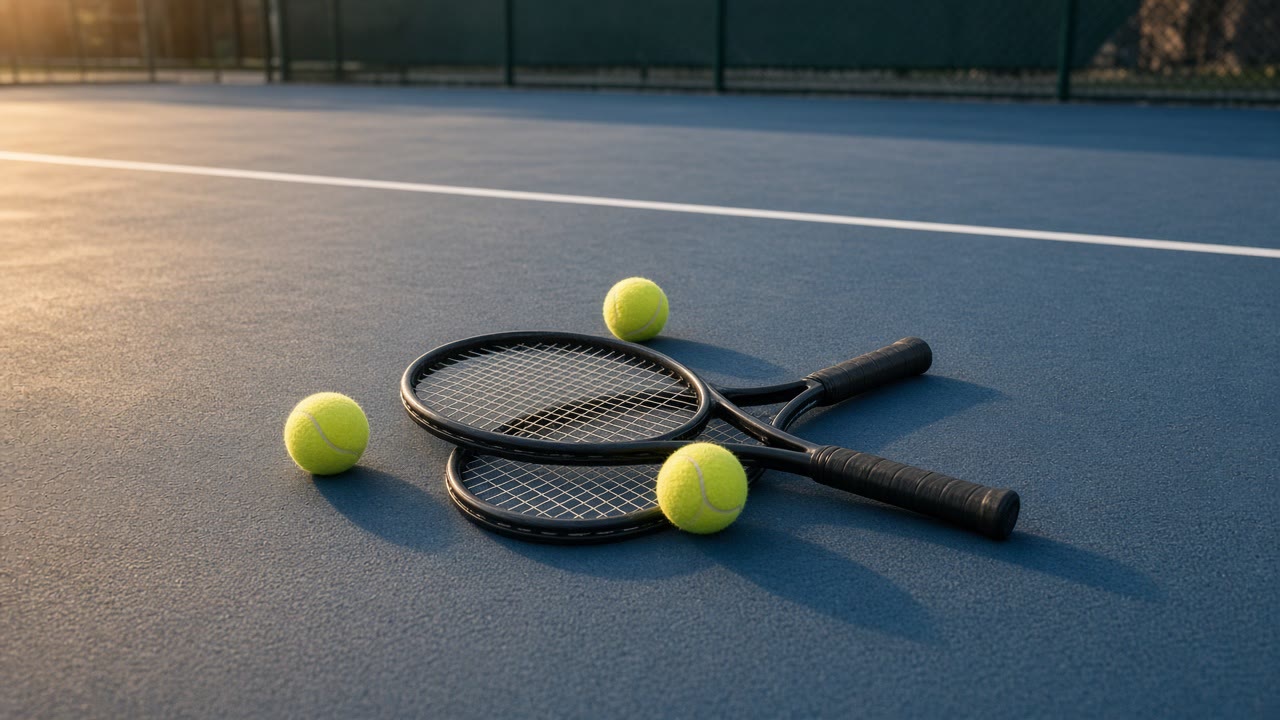
Buy a 100-square-inch mid-weight frame for most rec singles. Buy a 107 face if you want more forgiveness at net. Measure grip size. Demo if a shop will let you.
Key takeaways
- 100-inch is the rec lane.
- Grip size is not a guess.
- Flex and mid-weight finish the set.
- 95-inch frames can wait.
The racket that matches your game is a head size you can still find, a weight you can finish a set with, and a grip you can hold when the hand is wet. The short answer: most rec players want a 100-square-inch, mid-weight frame they can swing late in the third — not a 95-inch player’s frame because a listing said “control.”
Short version. Demo if a shop will let you. Grip size is the one number you should not guess. Pair with the small game fixes and pickleball kit if the other court is the Saturday. Check live prices.
This page is tennis. A wall-ball session in running shoes is still a blister. Tape logic is the same skin.
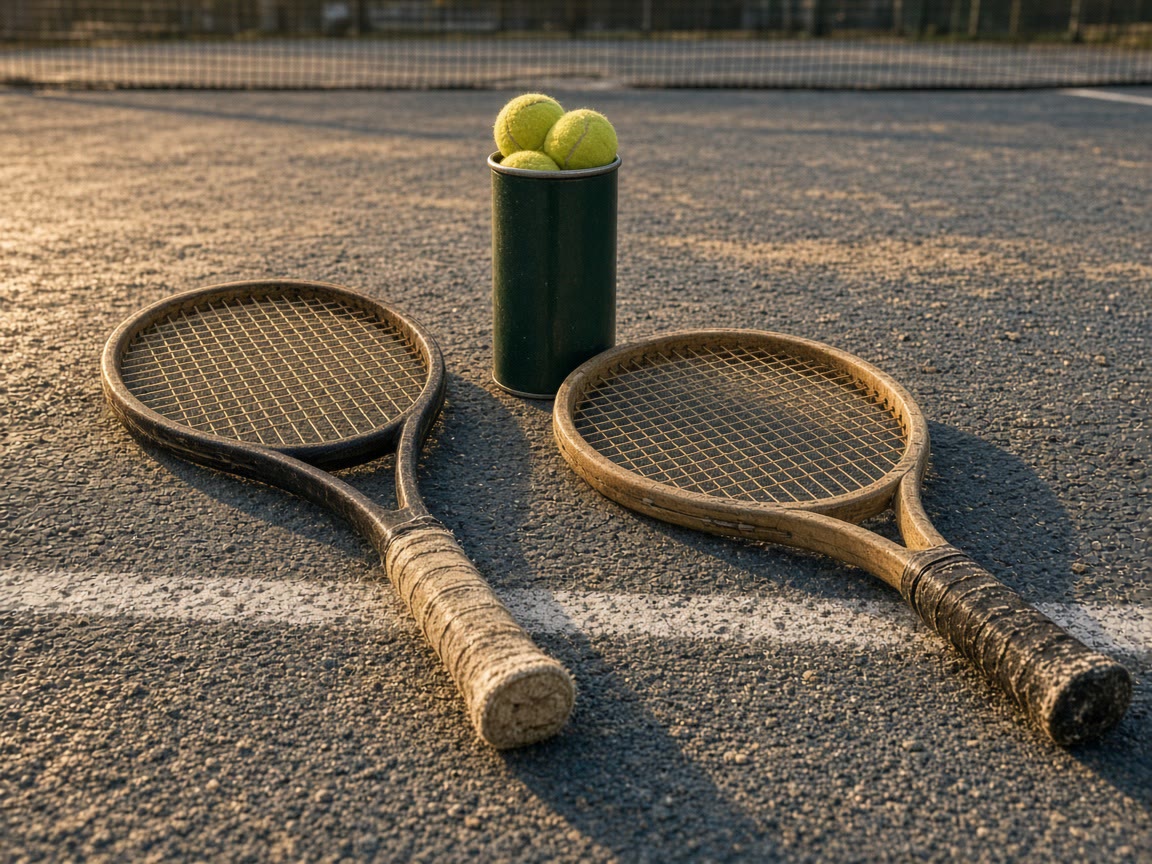
A 100-inch head is the rec sweet spot
Oversize (107+) is forgiveness and a launch you will sail long until you learn to take pace off. Midplus (98–100) is where most league players live. Mid (95 and under) is a smaller target and a player who already hits the middle. Beginners who buy a 95 because a pro uses it spend a year missing. Buy the head you can find, then string tension and lessons do the rest.
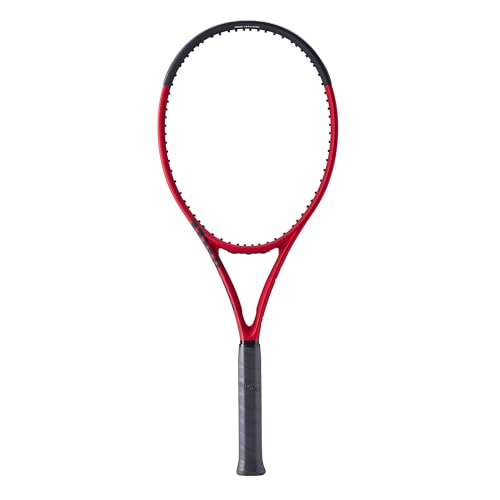
The Wilson Clash 100 V2 is the live flexible 100 we named: a frame people can swing without the arm feeling like a board, a 16×19 pattern that still bites. Confirm grip size on the listing — 4 1/8 is not 4 3/8. Check live prices.
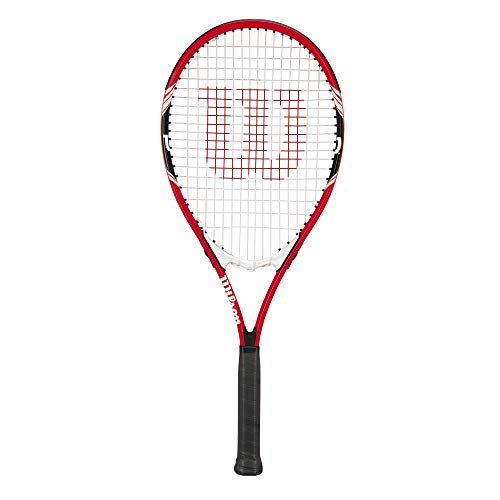
The Wilson Federer adult rec frame is the live pre-strung first racket we named: a 100-inch alloy hoop, grip size 3 on this listing, a bumper you can actually replace. It is the Tuesday racket for a new adult, not a tour stick. Confirm the grip on the listing you click. Check live prices.
Grip size is the number people guess wrong
Too small: the racket twists, the elbow talks, you squeeze. Too big: you cannot snap, the wrist locks. The usual check is the index finger of the other hand in the gap when you hold the handle. A shop will put a grip in your hand in thirty seconds. An online chart is a start. An overgrip adds a little. Two overgrips on a too-small handle is a wad.
Weight: a light frame (under ~10.5 oz strung) is easy to swing and unstable on a heavy ball. A heavy frame is plow and a late set you cannot finish. Mid-weight is the rec lane. Balance: head-light helps the net. Head-heavy helps a late groundstroke and a tired shoulder. Demo beats a paragraph.
Strings: polyester is spin and a stiff arm if you are not a heavy hitter. Multifilament is comfort. A hybrid is a conversation with the stringer. Tension in the middle of the printed range is the boring start. A control frame still needs a string you can feel.
Match the frame to the Saturday, not the ad
Singles grinders who still grow into the ball want the Clash-class 100. Doubles volleyers who miss a little high want the 107 face. Juniors want a junior length until they do not. A 27.5-inch extended frame is a serve and a late takeback, not a first racket. Seniors with a tender elbow want flex and multifilament, not a board.
Used frames: a bumper that is worn through is a frame that has eaten courts. A cracked grommet strip is a string job waiting to notch. A shop that will inspect a used Clash is worth more than a trunk sale. New is simpler if you cannot read a bumper.
Shoes are not this page and they still end more seasons than frames. A hard-court shoe, not a running shoe. All-day shoes if the other Saturday is a trail. Tennis is a court.
Demo the 100, measure the grip, finish the set
Clash-class 100 if you already play and want flex. Federer rec if you need a pre-strung first adult frame. Grip you can hold wet. Check live prices. A 95-inch player’s frame can wait until you are already finding the middle.
Strings are the second racket hiding in the first
A Clash-class 100 with polyester at the top of the range is a different frame than the same head with multifilament in the middle. Polyester is spin and a stiff arm if you are not a heavy hitter. Multifilament is comfort. A hybrid is a conversation with the stringer, not a listing that says “tour.” Start in the middle of the printed tension range. Then change one variable.
Fresh strings matter more than a new bumper. Dead poly is a board. Dead multi is a trampoline you cannot aim. Rec players who string once a year are playing a different racket every month. A simple rule: string as many times a year as you play in a week, or at least when the pocket feels gone. Game fixes still need a string you can feel.
Grommets and a bumper that is worn through are a frame that has eaten courts. A cracked strip is a notch waiting to cut a string. A shop that will look at a used Clash is worth more than a trunk sale. New is simpler if you cannot read a bumper. Check live prices.
Weight and balance are the set you can finish
A light frame under about 10.5 ounces strung is easy to swing and unstable on a heavy ball. A heavy frame is plow and a late set you cannot finish. Mid-weight is the rec lane. Balance: head-light helps the net. Head-heavy helps a late groundstroke and a tired shoulder. Demo beats a paragraph. Lead tape is a later conversation when you already know the head size.
Seniors with a tender elbow want flex and multifilament, not a board. Juniors want a junior length until they do not. A 27.5-inch extended frame is a serve and a late takeback, not a first racket. Doubles volleyers who miss a little high often like the 107 face. Singles grinders who still grow into the ball want the 100.
Arm pain is information. A stiff, heavy, poly-strung 95 is how people meet a doctor. Flex, mid-weight, comfort string. The hobby dies when the elbow dies. Lessons and a stringer beat a third frame.
Demo the Saturday, not the ad
A shop that will let you hit two frames for a week is the whole method. Play the set you actually play: league doubles, Sunday singles, a wall. The frame that feels “connected” in the first ten minutes and still lets you finish the third is the racket. The frame that feels like a weapon for six balls and a brick in the third is a listing.
Grip size is still the number people guess wrong. Index finger in the gap. An overgrip adds a little. Two overgrips on a too-small handle is a wad. Confirm 4 1/8 is not 4 3/8 on the Clash listing, and confirm grip 3 on the Federer rec listing. Check live prices. A shop will put a grip in your hand in thirty seconds.
Pickleball if the other court is the Saturday. A tennis frame is not a paddle. Do not buy a 95-inch player’s frame because a pro uses it. Buy the head you can find. Then string tension and lessons do the rest.
A cover, a dry trunk, and a bumper you glance at
Heat in a car cooks glue and strings. A trunk in July is an oven. Take the frame in. A damp bag after a wet set is a mildew story and a grip that slides. Unzip. Dry the bumper. Replace the overgrip when it is slick — that is cheaper than a new handle and it is how the size you measured stays the size you measured.
Do not stand rackets on the head in a puddle. Do not toss them in a bed of balls that ding the hoop. A travel cover is enough. A rigid case is for air travel and a partner who throws luggage. Tape logic applies to a hot racket hand too. An overgrip and a little powder beat a rip you will play through.
Shoes are not this page and they still end more seasons than frames. A hard-court shoe, not a running shoe. A walk is a different Saturday. Tennis is a court. Tape a blister before it is a week off.
When to change frames — and when to change lessons
You outgrow a 107 when you are already finding the middle and sailing long. You outgrow a soft 100 when you want a more precise hoop and you already finish sets. You do not outgrow a frame because a catalog said “upgrade.” A lesson that fixes a late contact will do more than a 95-inch hoop.
Used market: bumper intact, grommets not razors, no rattle. A rattle can be a foam piece or a crack. A shop tap test is cheap. A cracked throat is a dump. A gift that is a frame only works if you know the grip size and the head they already demoed. A gift card to the stringer is kinder than a surprise 4 5/8.
Two-frame bags are honest for a league player who wants a spare with the same grip. Three frames you never strung is a closet. Own the Saturday. Then add a spare if you break a string in a match that matters.
Finish the set, then buy the hoop
Clash-class 100 for most rec singles. Federer rec if you need a pre-strung first adult hoop. Grip you can hold wet. Strings you can feel. A demo if a shop will let you. Check live prices. A 95-inch player’s frame can wait until you are already finding the middle and you still want a smaller target.
The ad will still be there in 2027. Your elbow will not grow a new tendon because a listing said control. Play the set. Then click. Then play again.
Closer: measure the grip, pick the head you can find, string for comfort until you hit heavy, and wear a court shoe. That is a racket for your game — not a poster’s game.
Demo the set you actually play. League doubles is not a wall session. The frame that still lets you finish the third is the racket. Grip you can hold wet. Strings you can feel — multifilament until you hit heavy. A trunk in July is an oven; take the frame in. Replace the overgrip when it is slick so the size you measured stays the size you measured. Lessons beat a third hoop. Check live prices.
A 95-inch player’s frame can wait until you are already finding the middle. A 107 face helps if you miss a little high at net. Clash-class 100 is the rec singles lane. Court shoes, not running shoes. Pickleball if the other Saturday is the other court. Tape a blister before it is a week off. The ad will still be there in 2027. Your elbow will not grow a new tendon because a listing said control.
Two frames with the same grip are honest for a league spare. Three frames you never strung are a closet. A shop that will look at a used bumper is worth more than a trunk sale. Play, then click, then play again.
Also in the magazine
Keep going with tennis game fixes, pickleball starters, outdoor hobbies, and activities that raise the pulse. Check live prices.
Frequently asked questions
How do I choose a tennis racket?
Most rec players want a 100-square-inch mid-weight frame and a grip measured in a shop. Demo if you can. Do not start on a 95-inch player’s frame.
Wilson Clash or the Federer rec frame?
Clash 100 V2 if you already play and want flex. The Federer adult rec racket if you need a pre-strung first hoop and a known grip size.
What grip size should I buy?
The one that leaves about an index finger of space when you hold the handle. Too small twists. Too big locks the wrist. Overgrip adds a little.
Do beginners need an oversize racket?
A 100 is enough for most. 107+ helps if you miss the middle a lot. Giant game-improvement frames can launch the ball long.
What strings should I use?
Multifilament for comfort. Polyester if you already hit heavy and want bite. Start in the middle of the printed tension range.
Can I learn on a used racket?
Yes if the bumper is intact and a shop will look at it. A cracked grommet strip is a notched string job.