
The Garmin Panoptix LiveScope System: What It Actually Changes for Anglers
Written by John Wren|
LiveScope earns its price for anglers who fish vertically, cast to visible fish, or work structure precisely, since it shows real-time fish behavior rather than a historical scrolling record. It requires a compatible chartplotter and has a genuine learning curve.
Key takeaways
- LiveScope shows a live, real-time image, not a scrolling history.
- It excels at vertical jigging, forward-facing casting, and structure work.
- There is a real learning curve to interpreting the image quickly.
- Traditional CHIRP and side-imaging remain a capable, cheaper alternative.
Garmin's Panoptix LiveScope system genuinely changed competitive and recreational fishing by showing anglers real-time, live scanning sonar images of fish, bait, and structure around the boat instead of the historical, scrolling record traditional sonar provides — you can watch a fish approach your lure and react to your retrieve in real time, even while the boat sits perfectly still. The short answer: LiveScope is a serious investment that earns its keep for anglers who fish vertically or around specific structure and want to actually see fish behavior, not just detect that fish are present.
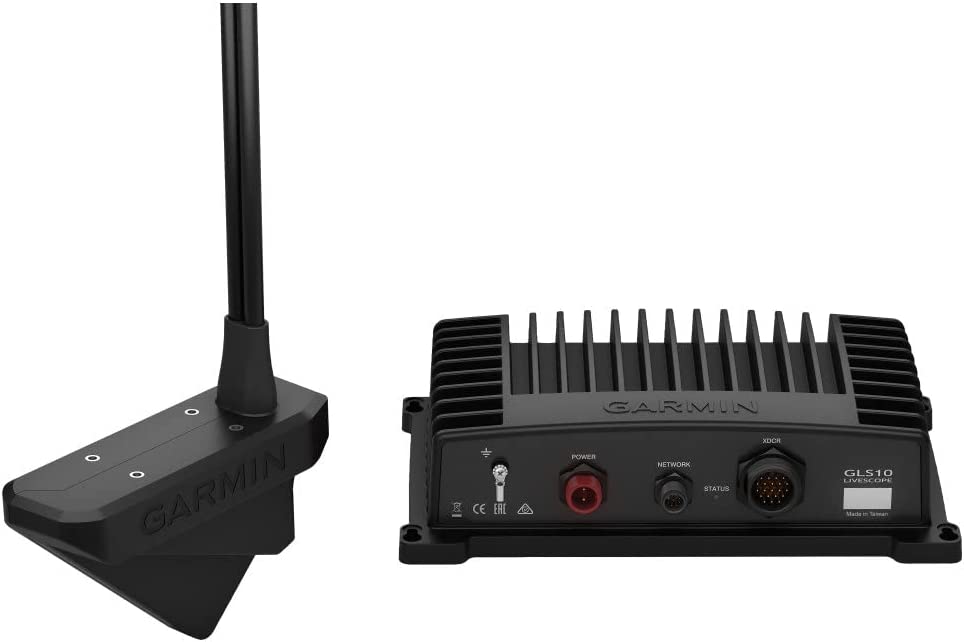
Short version. LiveScope shows live, moving sonar images rather than a scrolling history, which lets you watch fish react to your bait in real time. It requires a compatible Garmin chartplotter and a mounting setup — transducer only, or bundled with a black box unit depending on the specific model. It is a genuine technique-changer for vertical jigging, forward-facing casting to visible fish, and precise structure fishing, but it has a real learning curve and a real price tag.
How LiveScope actually works
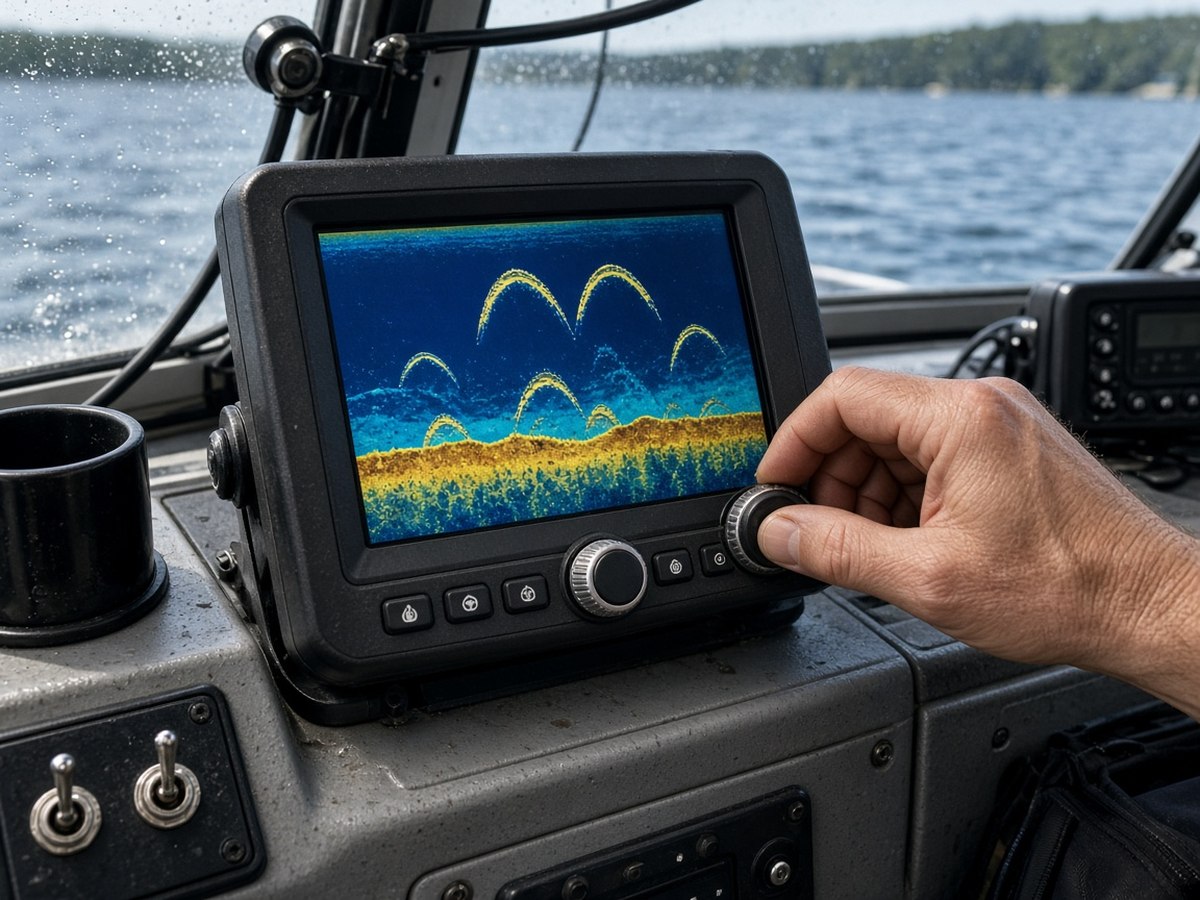
Traditional sonar and even CHIRP-based fishfinders show a scrolling history of what passed beneath or around the boat, updating as the boat moves and building a picture over time. LiveScope instead produces a continuously updating, real-time image using a phased-array transducer, which means you see fish, bait, and structure exactly as they are positioned and moving right now, not a few seconds or minutes in the past. This distinction matters enormously for techniques where precise, real-time positioning of your lure relative to a specific fish is the entire point.
The transducer can typically be aimed forward, to see structure and fish ahead of the boat before you reach them, or down, to see directly beneath the boat for vertical presentations. Some transducer models combine both views without needing to physically reposition the unit, which adds versatility for anglers who switch between casting and vertical techniques during the same outing.
The equipment you actually need
A complete LiveScope setup requires a compatible Garmin chartplotter with sufficient processing power to handle the live sonar feed, the LiveScope transducer itself, and depending on the specific system generation, a separate black box sonar module that processes the transducer signal before sending it to the display. Confirm compatibility with your specific existing chartplotter model before purchasing, since not every Garmin unit, particularly older models, has the processing capability LiveScope's real-time imaging demands.

Mounting options include a transom mount, a trolling motor shaft or barrel mount, and various third-party accessory mounts designed for specific boat types. A trolling motor mount is popular among bass and structure anglers specifically because it allows you to aim the transducer independently of boat position by simply turning the trolling motor, giving real flexibility in scanning an area without repositioning the entire boat.
Techniques that benefit most from LiveScope
Vertical jigging for suspended fish, particularly crappie, walleye, and various saltwater species holding at a specific depth around structure, is one of the clearest LiveScope use cases, since you can watch your jig fall to a specific fish's depth and see the fish's reaction in real time rather than guessing based on a static depth reading. Forward-facing casting to visible fish — often called "livescoping" in bass fishing circles — has become a genuinely dominant competitive technique, letting anglers see and cast directly to individual bass holding around cover before making a single cast.
Structure fishing benefits similarly, since LiveScope shows the actual shape and composition of brush piles, rock piles, and other structure in real time as you approach, letting you position bait precisely relative to structure edges where fish often hold rather than guessing based on a chart or a previous scrolling sonar pass.
The learning curve is real
LiveScope's live image takes real practice to interpret quickly and accurately — distinguishing a fish from a baitfish school, understanding the image orientation relative to your boat and lure, and developing the reflexes to react to what you see in real time are skills that take meaningful time on the water to develop. Many new LiveScope owners find the first several outings more confusing than immediately productive, since the technology fundamentally changes what information you are processing compared to traditional sonar.
Watching tutorial content from experienced LiveScope anglers and practicing in familiar, known-fish water before relying on it in unfamiliar territory shortens this learning curve considerably. Patience during the first several outings pays off substantially once the image interpretation becomes intuitive.
Is the cost justified for a recreational angler?
LiveScope systems carry a real price premium over traditional sonar and even standard CHIRP or side-imaging units, and that cost is genuinely justified primarily for anglers who fish techniques where real-time fish positioning matters — vertical jigging, forward-facing casting, and precise structure work. An angler who mostly trolls open water or fishes shoreline structure with traditional casting techniques may find less practical benefit relative to the cost compared to an angler who fishes vertically or does technical structure work regularly.
Why competitive anglers adopted it so quickly
Professional and tournament bass fishing has been transformed significantly by forward-facing sonar technology like LiveScope, with top competitors crediting it for a meaningful edge in locating and catching fish that traditional sonar or blind casting would miss entirely. This competitive adoption has, in turn, driven broader recreational interest, since techniques and confidence developed in a tournament context tend to filter down into how serious recreational anglers approach their own fishing over time.
Alternatives if LiveScope is out of budget
Traditional CHIRP sonar combined with side-imaging remains a genuinely capable and far more affordable combination for structure identification and fish detection, even without LiveScope's real-time imaging capability. Many successful anglers fished at a high level for decades using traditional sonar interpretation skills that remain valuable today, and a smaller budget invested in a quality traditional unit paired with strong fundamental fish-finding skills can still produce excellent results without the LiveScope price premium.
Species-specific applications worth knowing
Crappie anglers were among the earliest and most enthusiastic LiveScope adopters, since crappie frequently suspend at specific depths around brush piles and standing timber, making them an ideal target for the technology's real-time depth-and-position feedback. Watching a jig fall past a suspended crappie and adjusting depth in real time based on the fish's reaction has become a standard, highly effective technique in crappie fishing circles specifically because of LiveScope's capabilities in this exact scenario.
Bass anglers use forward-facing sonar somewhat differently, scanning ahead while easing along a bank or ledge to spot individual fish holding around cover before making a single, well-placed cast rather than blind-casting an entire stretch of shoreline. This technique, often called "livescoping" as a verb in bass fishing culture, has fundamentally changed competitive bass tournament strategy over the past several seasons, with many top finishers crediting the technology directly for locating fish that would have gone completely undetected with traditional methods.
Saltwater and offshore applications
LiveScope is not exclusively a freshwater technology — saltwater anglers targeting structure-oriented species like snapper, grouper, and various reef fish use it similarly to freshwater structure fishing, identifying precise fish positions relative to wrecks, reefs, and other bottom structure before dropping bait. Some offshore anglers also use forward-facing sonar to locate and track bait schools and the predator fish feeding on them, adding a genuine tactical advantage in open water where traditional sonar's scrolling history provides less actionable real-time information.
Installation considerations for DIY versus professional setup
LiveScope installation ranges from a straightforward transducer swap for anglers who already have compatible Garmin electronics and simply need to add the LiveScope-specific hardware, to a more involved full electronics upgrade for anglers starting from an incompatible or outdated system. Trolling motor mounting in particular benefits from careful attention to cable routing and mount security, since a poorly secured transducer mount can shift or vibrate loose during a day of hard fishing in rough conditions.
Many anglers choose professional installation specifically for the trolling motor mounting and cable management aspects, even if they are comfortable with general boat electronics work, simply because a properly integrated, clean installation reduces the risk of cable damage or mount failure over a season of regular use in a wet, vibration-heavy environment.
Power consumption and battery considerations
Running LiveScope alongside a chartplotter, trolling motor, and other electronics draws meaningfully on your boat's battery system, particularly during a full day of continuous use. Anglers running LiveScope regularly often find it worthwhile to upgrade or add dedicated battery capacity specifically for their electronics system, separate from starting or trolling motor batteries, to avoid the frustration of a dead electronics battery partway through a productive day on the water.
| Feature | LiveScope | Traditional sonar |
|---|---|---|
| Image type | Live, real-time | Scrolling history |
| Best technique fit | Vertical jigging, forward-facing casting, structure work | General detection, trolling, broad coverage |
| Learning curve | Real, requires practice to interpret quickly | Familiar to most experienced anglers already |
| Cost | Significant premium | Wide range, more budget-friendly options |
Our take: LiveScope is a genuine technique-changer for anglers who fish vertically, cast to visible fish, or work structure precisely, and it earns its price for that specific use case. For anglers whose techniques do not lean on real-time fish positioning, a traditional CHIRP and side-imaging setup remains a capable, more affordable choice.
Resale value and upgrade paths
LiveScope systems tend to hold value reasonably well on the used market compared to many other marine electronics categories, partly because demand from anglers looking to enter the technology at a lower price point remains strong. This makes upgrading to a newer LiveScope generation, or switching between compatible chartplotter ecosystems, a somewhat less financially painful decision than it might otherwise be, since a well-maintained used transducer or black box unit typically finds a buyer without excessive depreciation.
Where the technology is headed
Garmin has continued to refine LiveScope hardware and software since its initial release, improving image resolution, reducing latency, and adding features like Perspective Mode that shows a more intuitive, camera-like view compared to the original top-down or side-view orientations. Competing manufacturers have also released their own forward-facing sonar systems, which has driven meaningful improvement and some price competition across the category, benefiting anglers regardless of which specific brand they eventually choose.
Expect continued refinement rather than a fundamentally different next-generation technology in the near term — the core real-time imaging concept has proven itself, and manufacturer focus has shifted toward making that core capability easier to interpret, install, and integrate with other onboard systems rather than reinventing the underlying approach. Anglers buying today are getting a mature, proven system rather than an early, unproven version of the technology. That maturity is a real point in favor of buying now rather than waiting for a hypothetical future breakthrough that may not materialize on any predictable timeline.
Frequently asked questions
What makes Garmin LiveScope different from regular sonar?
LiveScope shows a continuously updating, real-time image of fish, bait, and structure, while traditional sonar shows a scrolling history of what passed beneath the boat over time.
Do I need a specific chartplotter for LiveScope?
Yes. LiveScope requires a compatible Garmin chartplotter with enough processing power for the live sonar feed. Confirm compatibility with your specific model before buying.
What fishing techniques benefit most from LiveScope?
Vertical jigging for suspended fish, forward-facing casting to visible fish, and precise structure fishing benefit the most from LiveScope's real-time imaging.
Is LiveScope hard to learn to use?
Yes, there is a real learning curve for interpreting the live image quickly and accurately. Most new owners find the first several outings more confusing than immediately productive.
Is LiveScope worth the cost for a recreational angler?
It depends on your technique. Anglers who fish vertically or work structure precisely get real value. Anglers who mostly troll or cast to shoreline structure may see less practical benefit relative to the cost.
What is a more affordable alternative to LiveScope?
Traditional CHIRP sonar combined with side-imaging remains a capable, far more affordable option for structure identification and fish detection, without real-time imaging.