
Best Inflatable Kayaks for Whitewater (2026)
Written by Ben Jackson|
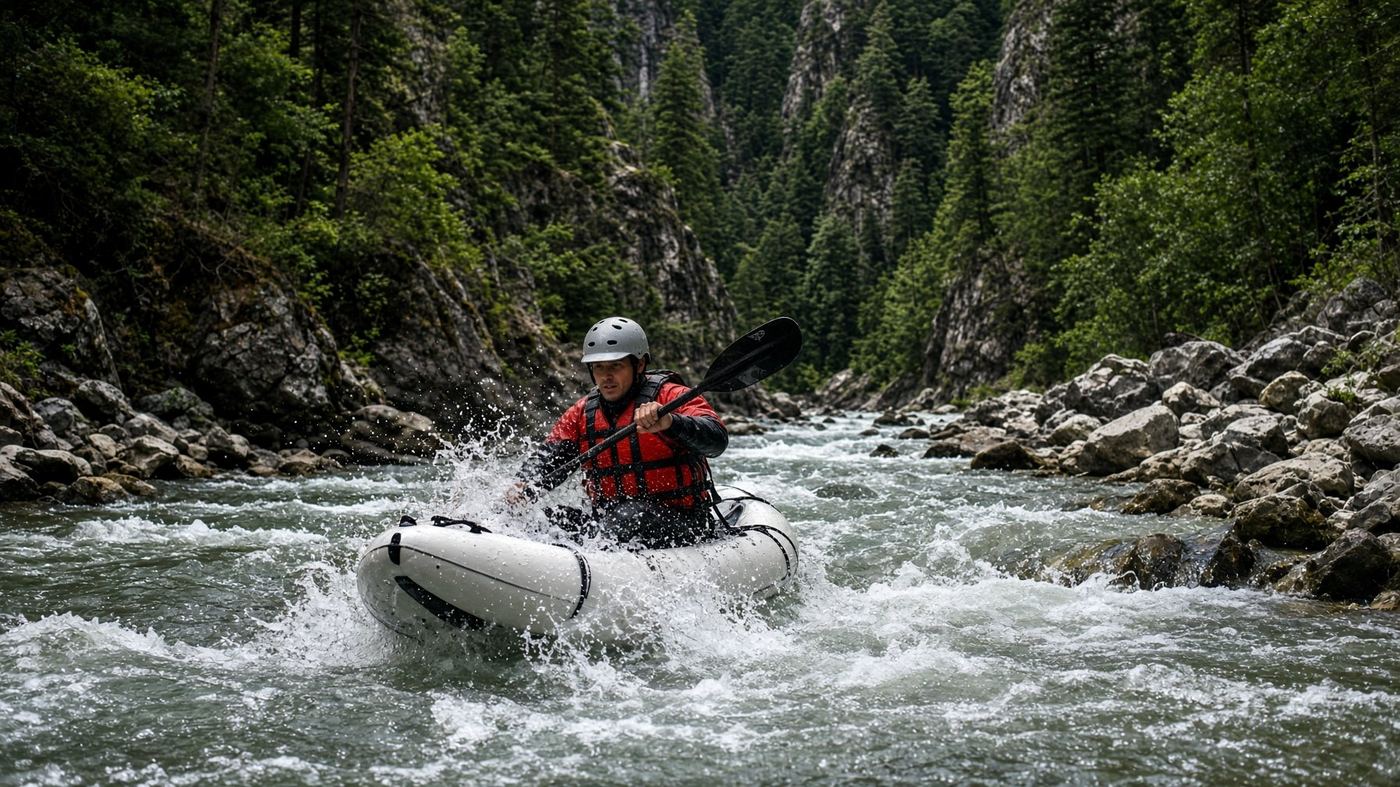
Buy a thick-PVC rec inflatable with rocker (Driftsun Rover 220) for Class II family runs. Pump it hard. Wear a helmet and a PFD. Buy hard plastic when the rapid has pin potential.
Key takeaways
- Rocker and pressure beat a whitewater sticker.
- Helmet in current. Always.
- Lake boats are not rapids boats.
- Patch pinholes. Retire seam rips.
An inflatable “whitewater” kayak on Amazon is usually a tough rec boat with rocker, not a creek boat. That distinction is the whole page. Driftsun Rover 220 will take a Class II wave train and some Class III if you know the rapid and the tubes are pumped hard. It will not take a sieve, a drop, or a pin you would not want in a playboat. In 2026 we still send people to the Rover when the hull has to live in a trunk, and we still tell them to buy hard plastic when the run has pin potential.
Short version. Buy the Rover 220 if you want a 1000D PVC rec inflatable that will bounce a wave. Buy Advanced Elements AE1007-R if you want a convertible touring inflatable that tracks on flats and dabbles in current. Buy a Coleman Quikpak only for lakes and ponds — it is here so you do not take a lake boat into a rapid. Buy a Perception Tribe or Coleman Colorado when the honest next step is hard plastic. Helmet. PFD. Gauge on the pump. Check live prices. We do not invent numbers.
Fishing kayaks and duck hunting kayaks are siblings if current is not the point. This page is current, honesty, and a tube you can patch.
What actually makes an inflatable a whitewater boat?
Rocker so the bow climbs a wave instead of stuffing. Fabric thick enough to bounce a rock instead of folding. Pressure you can measure. Thigh straps or a seat that does not eject you on the first hole. A listing that says “whitewater” on a drop-stitch rec kayak is a marketing department. If you cannot swim the rapid, you should not paddle it in a $400 inflatable.
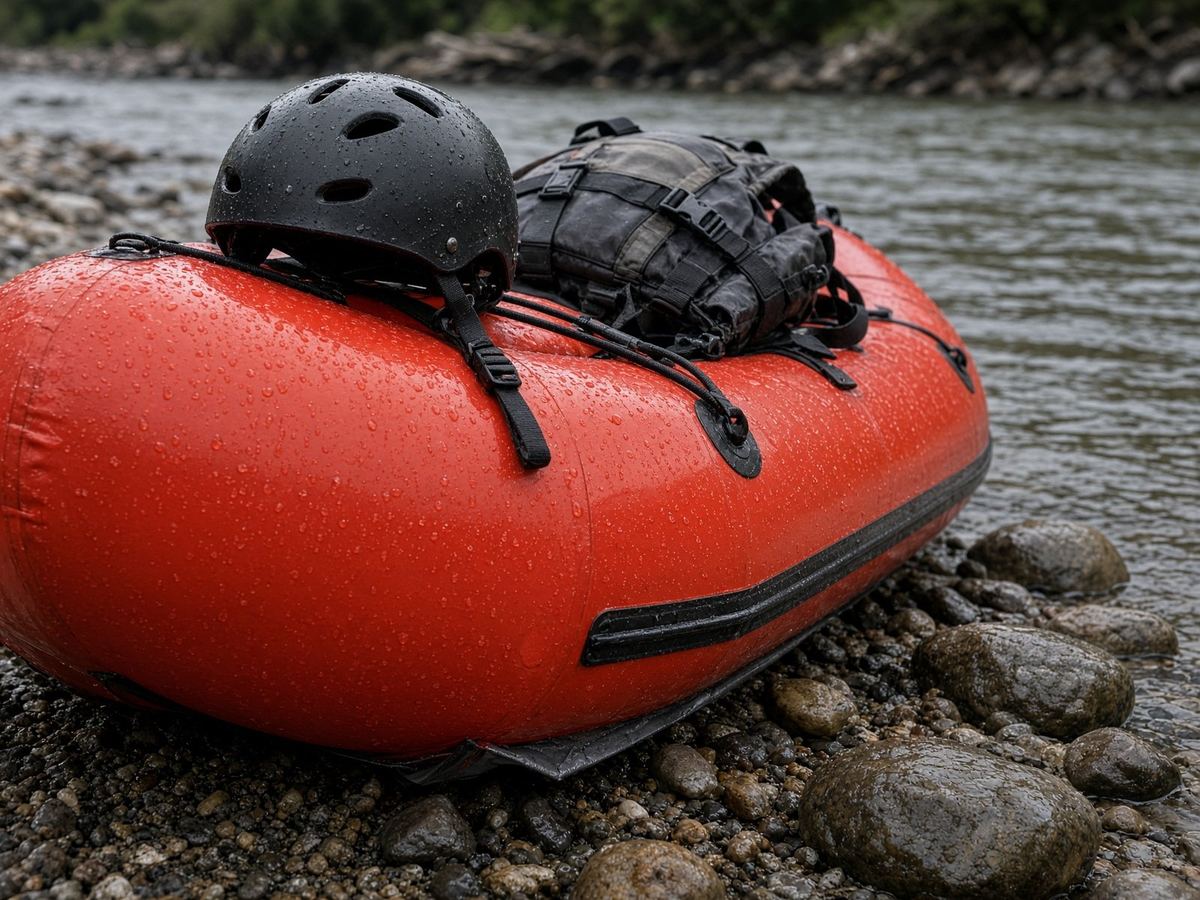
Driftsun Rover 220 and Advanced Elements AE1007-R
Rover 220 is why this page exists: thick PVC side tubes, tarpaulin floor, rocker, a seat you can actually sit in, tie-downs that are not a wish. Class II family runs, a wave you would swim, a car-camp river you cannot roof-rack a creek boat to. Pump it hard. Recheck at the put-in. Temperature dropped pressure on the drive.
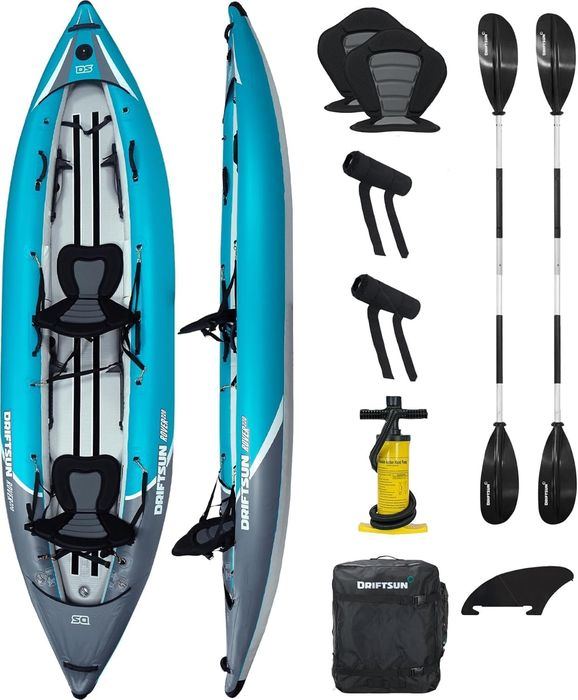
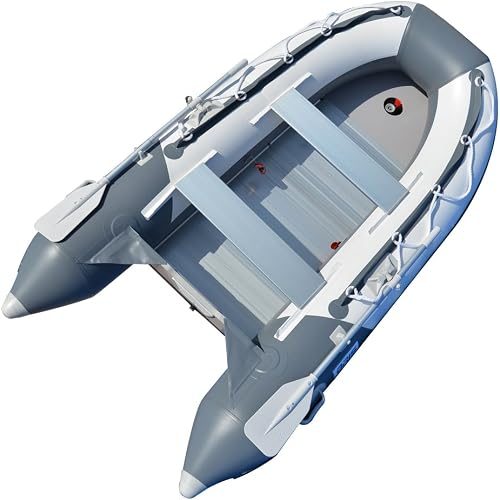
AE1007-R is a convertible touring inflatable — tracks better, punches worse. Aluminum ribs, a hull that wants a lake with a little current, a tandem option that is a coordination test. Practice on Class I. A skeg helps on flats and hurts in rock gardens. Know whether yours is on. A paddle that floats and is not a toy.
Coleman Quikpak, Colorado, and Tribe — the honest “not this rapid” aisle
Quikpak is a pond and lake boat. Using it in whitewater is how you own a rag. We put it on this page so the contrast is a product, not a lecture. Coleman Colorado is a tandem hard SOT for two people who will not buy two hulls — rec plastic, not a hole. Perception Tribe 9.5 is the stable rec SOT you buy when you are done pretending a tube is a creek boat.
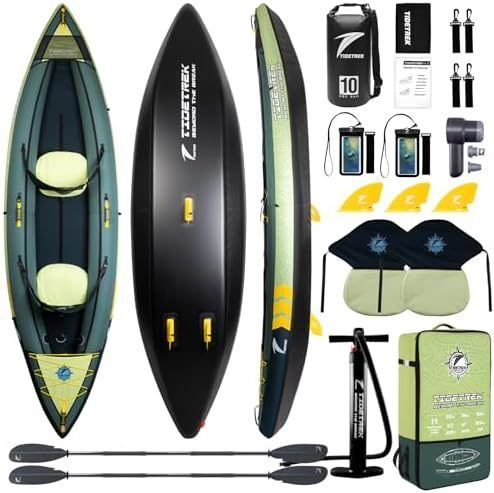
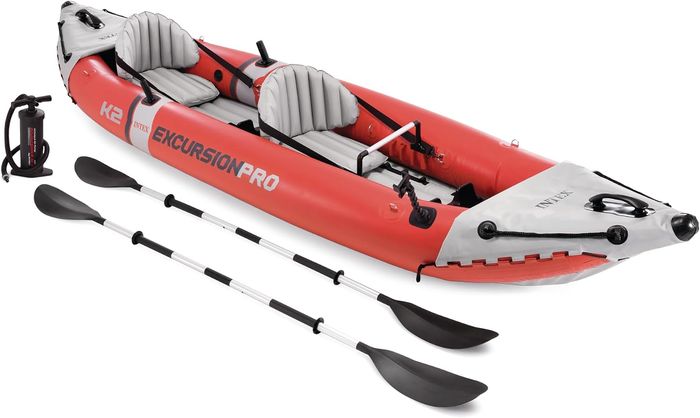
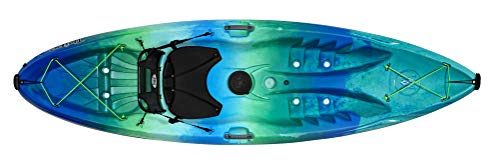
Kayak safety still applies. Helmet always in current. Throw bag. Shoes that stay on. Repair kit: patches, glue that is not expired, a valve wrench. Inflatables usually ride in the trunk. That is the point. Do not store a rolled boat under wet firewood for a month.
| Boat | Best job | Water | Watch-out |
|---|---|---|---|
| Driftsun Rover 220 | Trunk WW rec inflatable | Class II / some III | Not a creek boat |
| AE AE1007-R | Tour and dabble | Flats, easy current | Punches worse than Rover |
| Coleman Quikpak | Lake / pond | Flat | Not whitewater |
| Coleman Colorado | Two people, hard plastic | Rec | Heavy, not a hole |
| Perception Tribe 9.5 | Stable hard SOT | Rec / marsh | When you outgrow a tube |
Our pick: Rover if the hull has to be a bag and the rapid is honest Class II. AE if you tour and dabble. Quikpak if you want a lake. Hard plastic when the run has pin potential. Helmet on. PFD on. Gauge on the pump.
Class ratings Amazon listings lie about
A 1000D PVC rec inflatable is not a creek boat. Driftsun Rover 220 and boats like it will take a Class II wave and some Class III if you know what you are doing and the boat is pumped hard. They will not take a sieve, a drop, or a rapid you would not swim. Water skills still apply. If you cannot swim the rapid in a PFD, you should not paddle it in a $400 inflatable.
Rocker helps the bow climb a wave instead of stuffing. The Rover’s profile is why the original review liked it. Advanced Elements AE1007-R is a convertible touring inflatable — tracks better, punches worse. Coleman Quikpak is a pond and lake boat. Using a Quikpak in whitewater is how you own a rag. Match the boat to the water. The listing that says “whitewater” on a drop-stitch rec kayak is a marketing department, not a guide.
Pressure: pump to the spec. A soft tube folds on a rock and then you swim. A hard tube bounces. Bring a pump and a gauge, not “I blew it up at the house.” Temperature drops pressure. Sun raises it. Recheck at the put-in. A pressure relief valve is not a reason to skip the gauge.
Helmet, PFD, throw bag, and a brain
Helmet. Always. A rec inflatable in current is still a head against a rock. PFD that actually fits, not a seat-cushion vest. A throw bag someone else can use. Shoes that stay on. A whistle. Tell someone the run. Kayak safety is not only fishing. Current is current.
A paddle that floats and is not a toy. Spare at the takeout if you are new. Inflatable boats weathercock. A skeg helps on flats and hurts in rock gardens. Know whether yours is on. The AE convertible can be a tandem. Tandem in whitewater is a coordination test. Practice on Class I.
Repair kit in a dry bag: patches, glue that is not expired, a valve wrench. A pinhole at the put-in is a 20-minute job. A ripped tube in a rapid is a swim. Inspect before you inflate. UV and a roof rack without a cover cook PVC. Roof racks still apply — inflatables usually ride in the trunk. That is the point. Do not put a rolled boat under a heap of wet firewood for a month.
When to buy hard plastic, and when the tube is done
Buy a hard whitewater kayak when you are running real Class III+ on purpose, when you want to roll, when the run has pin potential. An inflatable is the car-camp river, the Class II family run, the trip you cannot roof-rack a creek boat for. Honest inflatables have a job. Pretending they are playboats is how people swim.
Done: a tube that will not hold overnight, a floor that delaminates, a valve that hisses after you tighten it, PVC that is chalk from UV. Patch pinholes. Retire rips at a seam. Check live prices. We do not invent numbers. Rover if you want a tough rec inflatable that will take a wave. AE if you want to tour and dabble in current. Quikpak if you want a lake. Helmet on. PFD on. Gauge on the pump. That is inflatable whitewater on Amazon in 2026. The rest is a catalog rapid you will not paddle.
Two-boat kits are honest for people who do both: a hard rec or WW hull for the river you care about, an inflatable for the trip the airline or the trunk dictates. That is not excess. That is matching the put-in. A single Rover you take into water that wants a creek boat is a story. A single Quikpak you take into a rapid is a shorter story.
A Class II family run is not a creek
Name the rapid. If you cannot, you are not shopping a whitewater boat. You are shopping a picnic. Driftsun Rover 220 will take a wave train you would swim in a PFD. It will not take a sieve, a drop, or a pin you would not want in a playboat. Water skills still apply. If you cannot swim the rapid, do not paddle it in a $400 tube.
Pump at the put-in. Temperature dropped pressure on the drive. Sun will raise it on the shuttle. Recheck. A soft tube folds on a rock and then you swim. A hard tube bounces. A gauge is not optional because the listing said “high pressure.” Bring a pump that is not a toy. A foot pump that takes twenty minutes is how people launch soft and call the boat bad.
Helmet. Always. A rec inflatable in current is still a head against a rock. A PFD that fits, not a seat-cushion vest. Throw bag. Shoes that stay on. Whistle. Tell someone the run. Spare paddle at the takeout if you are new. Inflatable boats weathercock. A skeg helps on flats and hurts in rock gardens. Know whether yours is on.
Repair kit in a dry bag: patches, glue that is not expired, a valve wrench. A pinhole at the put-in is a 20-minute job. A ripped tube in a rapid is a swim. Inspect before you inflate. UV and a roof-rack without a cover cook PVC. Most of these boats ride in a trunk. That is the point. Do not store a rolled boat under wet firewood for a month.
When the next boat is plastic
Buy a hard whitewater kayak when you are running real Class III+ on purpose, when you want to roll, when the run has pin potential. An inflatable is the car-camp river, the Class II family run, the trip you cannot roof-rack a creek boat for. Honest inflatables have a job. Pretending they are playboats is how people swim.
Coleman Quikpak is a lake boat. Using it in whitewater is how you own a rag. Advanced Elements AE1007-R is a touring convertible that will dabble in current and track on a flat. It is not a Rover. Match the boat to the water. The listing that says “whitewater” on a drop-stitch rec kayak is a marketing department, not a guide.
Done: a tube that will not hold overnight, a floor that delaminates, a valve that hisses after you tighten it, PVC that is chalk from UV. Patch pinholes. Retire rips at a seam. Roof racks still apply when you eventually buy plastic. Check live prices. We do not invent numbers. Rover if you want a tough rec inflatable that will take a wave. AE if you want to tour and dabble. Quikpak if you want a lake. Helmet on. PFD on. Gauge on the pump.
Two-boat kits are honest: a hard hull for the river you care about, an inflatable for the trip the airline or the trunk dictates. That is not excess. That is matching the put-in. A single Rover you take into water that wants a creek boat is a story. A single Quikpak you take into a rapid is a shorter story.
Frequently asked questions
Can an inflatable kayak do whitewater?
A tough rec inflatable like the Rover can do Class II and some Class III if it is pumped hard and you can swim the rapid. It is not a creek boat. Lake boats with a whitewater sticker are rags.
What class is safe in a Rover 220?
Class II family runs, wave trains you would swim. Not sieves, not drops, not pin potential you would not want in a playboat.
Do I need a helmet in an inflatable?
Yes. Current is still a head against a rock. PFD that fits. Throw bag. Shoes that stay on.
How hard do I pump it?
To the spec, at the put-in, with a gauge. Temperature drops pressure on the drive. A soft tube folds on a rock and then you swim.
When should I buy hard plastic instead?
When you are running real Class III+ on purpose, when you want to roll, when the run has pin potential, when you are tired of patching.
Is the Coleman Quikpak a whitewater kayak?
No. It is a lake boat we included so you do not take it into a rapid. Match the boat to the water.