
Best Ice Fishing Flashers (2026)
Written by John Wren|
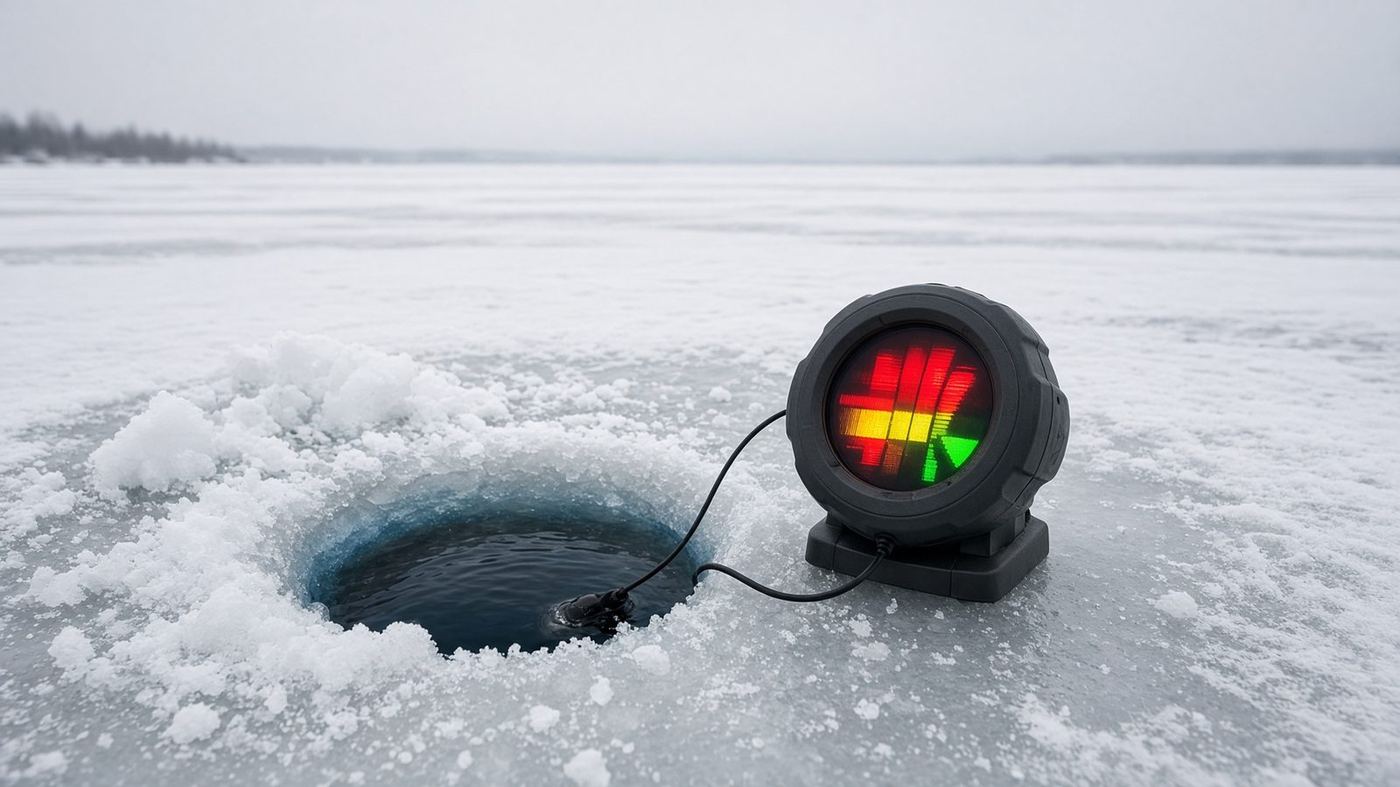
Buy a dedicated ice flasher (Vexilar FL-8se or Marcum) if you ice-fish often. A Garmin Striker Plus 4 in flasher mode is the crossover. Hang the transducer in a straight hole and set gain until you see your jig.
Key takeaways
- If you cannot see the jig, you are not fishing the flasher.
- Low power in shallow water.
- Lithium batteries. Frozen SLA packs die.
- A camera is not a flasher.
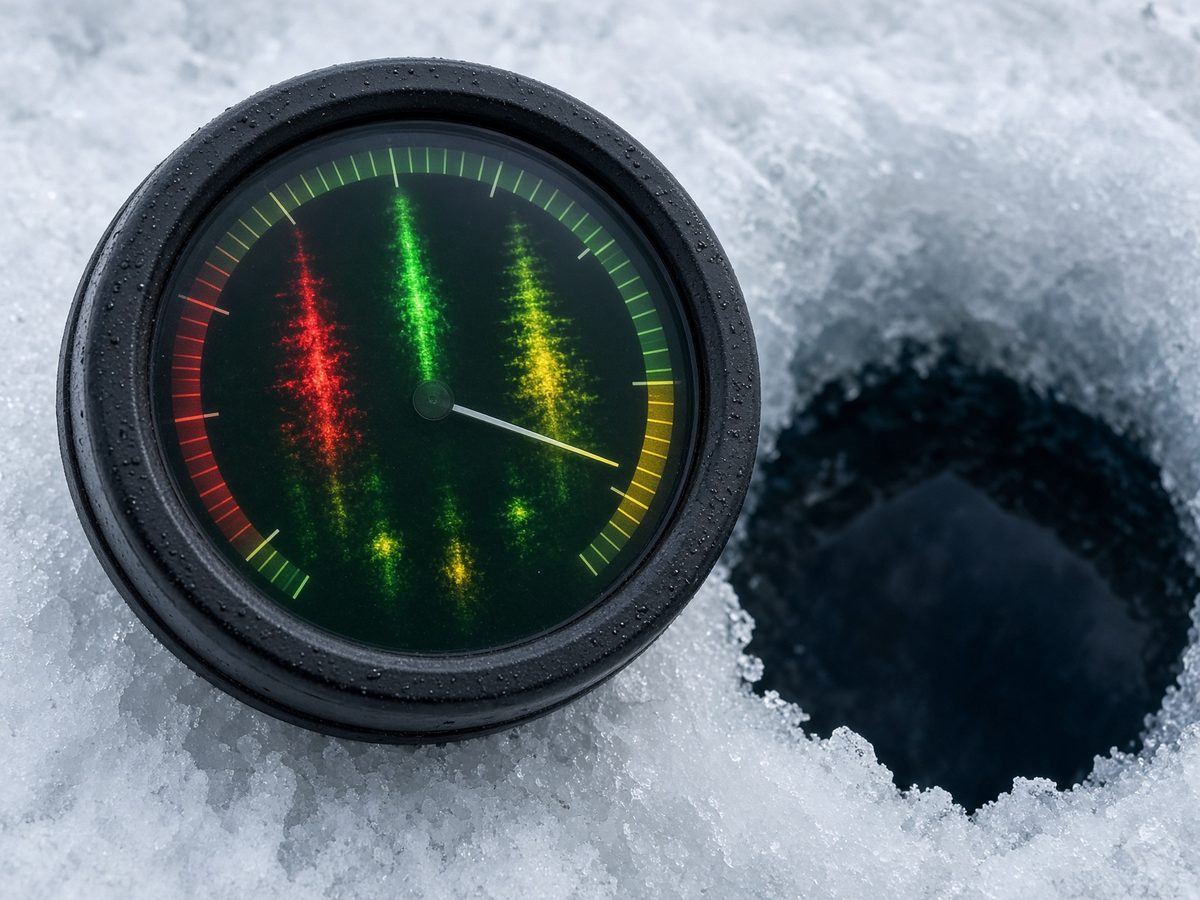
An ice flasher is a round sonar clock that shows your jig and the fish in real time. It is not a summer graph you stared at in July. Red is usually the strongest return, yellow weaker, green the whisper — brands vary, the idea does not. If you cannot see your jig, you are not fishing a flasher. You are sitting on a bucket looking at a dead hole.
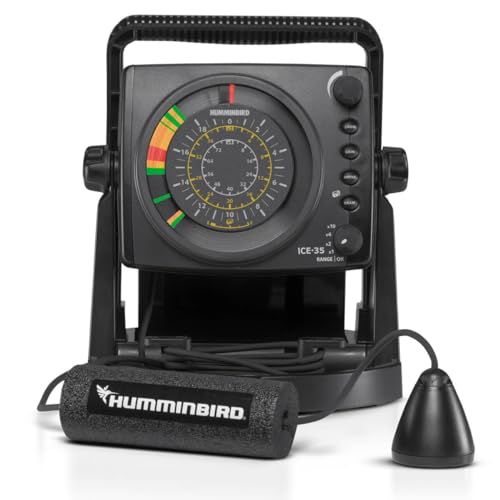
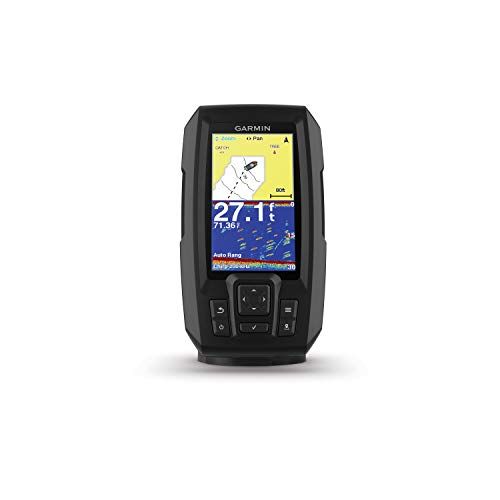
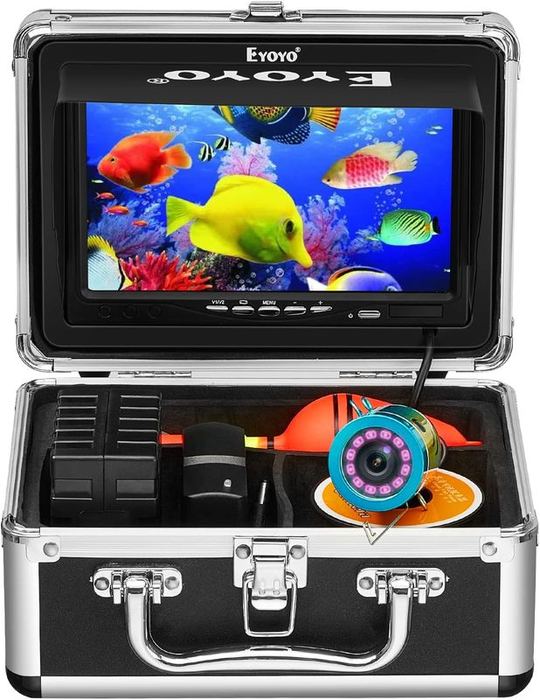
Short version. Buy a Vexilar FL-8se or a Marcum LX-7 if ice is a season. Buy a Humminbird ICE-35 if you found a working three-color flasher. Buy a Garmin Striker Plus 4 if you already live in graphs and want flasher mode plus waypoints. An Eyoyo screen is a camera/graph hybrid — useful, not a Vexilar. Plan the ice including thickness and a partner.
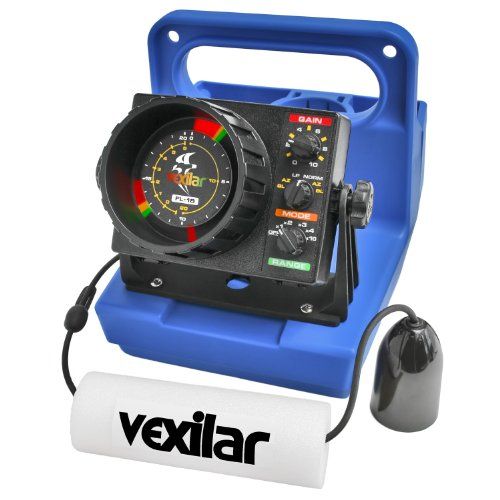
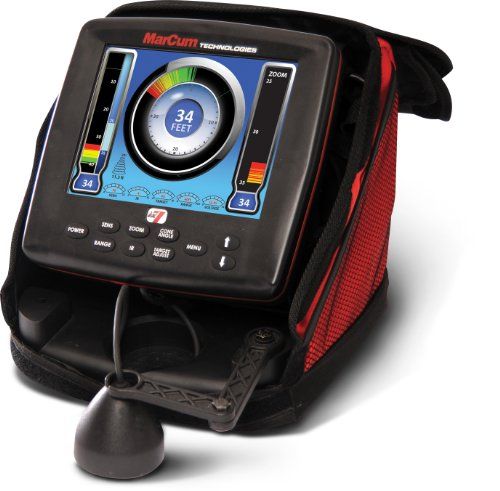
Vexilar FL-8se and Marcum LX-7 — the real flashers
Vexilar’s FL-8se Genz pack is the classic three-color flasher a lot of ice anglers learned on: a ducer, a pack, a round screen you can read with cold eyes. Marcum LX-7 is the step into more sonar — zoom, more information, more money. Both beat a graph you cannot interpret at 8 a.m. on 10 inches of ice.
Gain in the middle, drop the jig, raise until the jig is a clean mark. Shallow water: low power, ducer high in a straight hole. Deep water: set the range you are actually fishing. The reel just picks up slack. The flasher tells you whether to stay.
Humminbird ICE-35, Striker Plus 4, and Eyoyo
Humminbird ICE-35 is the other three-color flasher that still shows up used and new-old-stock. Garmin Striker Plus 4 is the graph that ice anglers actually put in flasher mode with a portable battery — the under-$200 default doing winter duty. Eyoyo’s 7-inch is a portable camera-style screen. It is not a Vexilar. Do not buy a camera and write a flasher review.
Lithium batteries. A frozen SLA is a dead morning. Keep the pack inside the coat on the walk. Ice fish finders is the graph-shaped version of this page. Under $300 is the open-water sibling.
| Unit | Best for | Type | Watch-out |
|---|---|---|---|
| Vexilar FL-8se | Classic ice flasher | Flasher | Learn gain |
| Marcum LX-7 | More sonar, still ice | Flasher / sonar | Price, battery |
| Humminbird ICE-35 | Three-color flasher | Flasher | Used market varies |
| Garmin Striker Plus 4 | Graph plus flasher mode | Graph | Portable kit / battery |
| Eyoyo 7-inch | Camera / portable screen | Camera-graph | Not a dedicated flasher |
Our pick: Vexilar or Marcum if ice is the season. Striker Plus 4 if you already own it. ICE-35 if the price is honest. Camera last. Lithium always.
What flasher mistakes look like a dead hole you sat too long?
Gain too high paints the whole cone. Gain too low and you never see the jig. Start in the middle, drop the jig, and raise gain until the jig is a clean mark without the screen becoming a Christmas tree. Shallow water wants low power. Deep water wants range you actually set, not the default from last weekend’s lake.
The transducer has to hang in the hole, not on a slush shelf, not bouncing off the ice edge. A crooked hole is a crooked cone. Drill straight. Keep the ducer high in shallow water. If you cannot see your jig, you are not fishing a flasher. You are staring at a clock.
A graph like a Striker in flasher mode is how people start. A Vexilar or Marcum is how people who ice-fish 30 days a year stop missing the mark. An Eyoyo screen is a camera-and-graph hybrid that is not a flasher. Do not buy a camera and then write a flasher review that is really a “I wanted sonar” review.
Battery: lithium is the grown-up pack. A frozen SLA in a bucket is how you own a dead unit at 9 a.m. Keep the battery inside your coat on the walk. Plan the ice trip including ice thickness, a pick, and a partner. A flasher does not make bad ice safe.
When to spend: Vexilar or Marcum if ice is the season. Striker Plus 4 if you already own one and ice is a side hustle. Humminbird ICE if you found a used one that works. Spend the next money on an auger that starts and a shelter that blocks wind. The flasher is the brain. The hole is still the fishery.
A first-ice drill so the screen means something
Straight hole. Ducer in the water, not on slush. Range set to a little more than the depth. Jig in. Gain up until the jig is a clean mark. Then look for fish. If you skip “see the jig,” you will sit a dead hole and call the lake empty. The lake may be empty. Your gain may also be a Christmas tree. Fix the tool before you blame the basin.
Shallow: low power, ducer high. Deep: set the range you are fishing, not last weekend’s 40 feet on a 12-foot weed flat. Zoom if you have it and you are marking a layer. The reel just picks up slack. The flasher tells you whether to stay. Two marks and no eat can still be a stay. Twenty minutes of nothing is a move. An auger that starts is how you move. A flasher without an auger is a very expensive reason to sit.
Lithium on the walk lives inside the coat. A frozen lead-acid pack is a dead unit at 9 a.m. Charge at home. Name the spare. Gloves that can still click a knob matter. Walleye on ice is the tactic sibling. This page is the clock. Red is usually the strongest return, yellow weaker, green the whisper — brands vary, the idea does not.
Striker in flasher mode is how a lot of people start, and that is allowed. It is still a graph doing winter duty. A Vexilar FL-8se or Marcum is the ice tool if you live out there. Eyoyo is a camera-style screen. Useful in clear water. Not a Vexilar. Do not buy a camera and write a flasher review. Buy the tool you mean.
Batteries, used units, and what we skipped
Used ICE-35 and old Vexilars show up. Ask if it powers. Ask about the ducer. A flasher without a working transducer is a clock without hands. Cables crack in the cold. Budget a spare. Spend the next money on an auger that starts and a shelter that blocks wind before you spend it on a seventh color of sonar you will not learn.
Care: dry the unit before the truck. Melt is salt’s cousin. Do not store it in a wet bucket with the fish. A screen you cannot read at noon is a visor problem or a dead backlight, not a reason to buy a camera. Keep the ducer from becoming an ice club on the walk. A cracked face is a season.
What we skipped: $2,000 live-imaging ice boxes, helicopter drones, and “you must have a Marcum or you are not fishing.” You can catch fish without a flasher. You will sit dead holes longer. Our pick remains Vexilar or Marcum if ice is the season, Striker Plus 4 if you already own it, ICE-35 if the price is honest, camera last, lithium always. Check live prices. We do not invent numbers. See the jig. Then see the fish. Then decide whether to stay. That is the whole skill.
Partner and ice thickness still beat any sonar. Ice fish finders is the graph-shaped version of this page. Under $300 is the open-water sibling. A flasher is not a summer Helix. A Helix is not a flasher. Stop trying to make one screen do a different sport without admitting you bought the compromise on purpose.
When to stay and when to drill again
See the jig. Then see the fish. Two marks and no eat can still be a stay. Twenty minutes of a blank clock is a move. An auger that starts is how you move. A flasher without an auger is a reason to sit a dead hole and call it fishing. Plan the ice including thickness and a partner. The screen does not make bad ice safe.
Gain in the middle. Straight hole. Ducer in the water. Range honest. Lithium in the coat. That is the drill. A Christmas-tree screen is gain, not a lake full of fish. A blank screen with no jig mark is the ducer or the gain, not a dead basin you have proved. Fix the tool. Then judge the hole.
Used units: ask if it powers. Ask about the ducer. Cables crack. Budget a spare. Spend the next money on an auger and a shelter before a seventh sonar color. Check live prices. We do not invent numbers. Vexilar or Marcum if ice is the season. Striker if you already own it. Camera last. See the jig. That is the whole skill, every lake, every year including 2026.
Shallow cones and deep range
Shallow water wants low power and the ducer high in a straight hole. The cone is small. You can still see the jig. Deep water wants a range you set on purpose, not last weekend’s 40 feet on a 12-foot weed flat. Zoom if you have it and you are marking a layer. If you cannot see the jig, you are not fishing a flasher. You are staring at a clock.
Striker flasher mode is a crossover and it is allowed. Vexilar and Marcum are the ice tool if you live out there. Eyoyo is a camera. Useful in clear water. Not a Vexilar. Do not buy a camera and write a flasher review. Lithium in the coat. Frozen SLA packs die at 9 a.m. Charge at home. Name the spare.
Used ICE-35: ask if it powers. Ask about the ducer. Cables crack in the cold. Budget a spare. Spend the next money on an auger that starts and a shelter that blocks wind. Check live prices. We do not invent numbers. Partner and ice thickness still beat any sonar. See the jig. Then the fish. Then stay or drill. That is the skill. A dead hole you sat because you loved the screen is the expensive hobby. Keep the ducer from becoming an ice club on the walk. A cracked face is a season you bought with a careless bucket.
Dry the unit before the truck. Melt is salt’s cousin. Do not store it with the fish. A visor at noon is cheaper than a new backlight you will blame on the brand.
Frequently asked questions
Why buy an ice fishing flasher?
It shows your jig and fish in real time so you know whether to stay or drill another hole. Sitting a dead hole all morning is the expensive hobby.
How do I use a flasher?
Hang the transducer in a straight hole, set range, drop the jig, raise gain until you see the jig cleanly. Fish the mark. If you cannot see the jig, fix gain or the ducer before you blame the lake.
Flasher or graph for ice?
A flasher is faster for jigging a hole. A Striker in flasher mode is how a lot of people start. Dedicated Vexilar or Marcum is the ice tool if you live out there.
What battery should I use?
Lithium. A frozen lead-acid pack is a dead unit at 9 a.m. Keep it inside your coat on the walk.
Do flashers work in shallow water?
Yes, with low power and the transducer high in a straight hole. The cone is small. You can still see the jig and a fish.
Is a camera a flasher?
No. A camera is a camera. Useful in clear water. Not the same as a sonar clock. Buy the tool you mean.