
Aqua-Bound Sting Ray Carbon Versa-Lok
Written by John Wren|
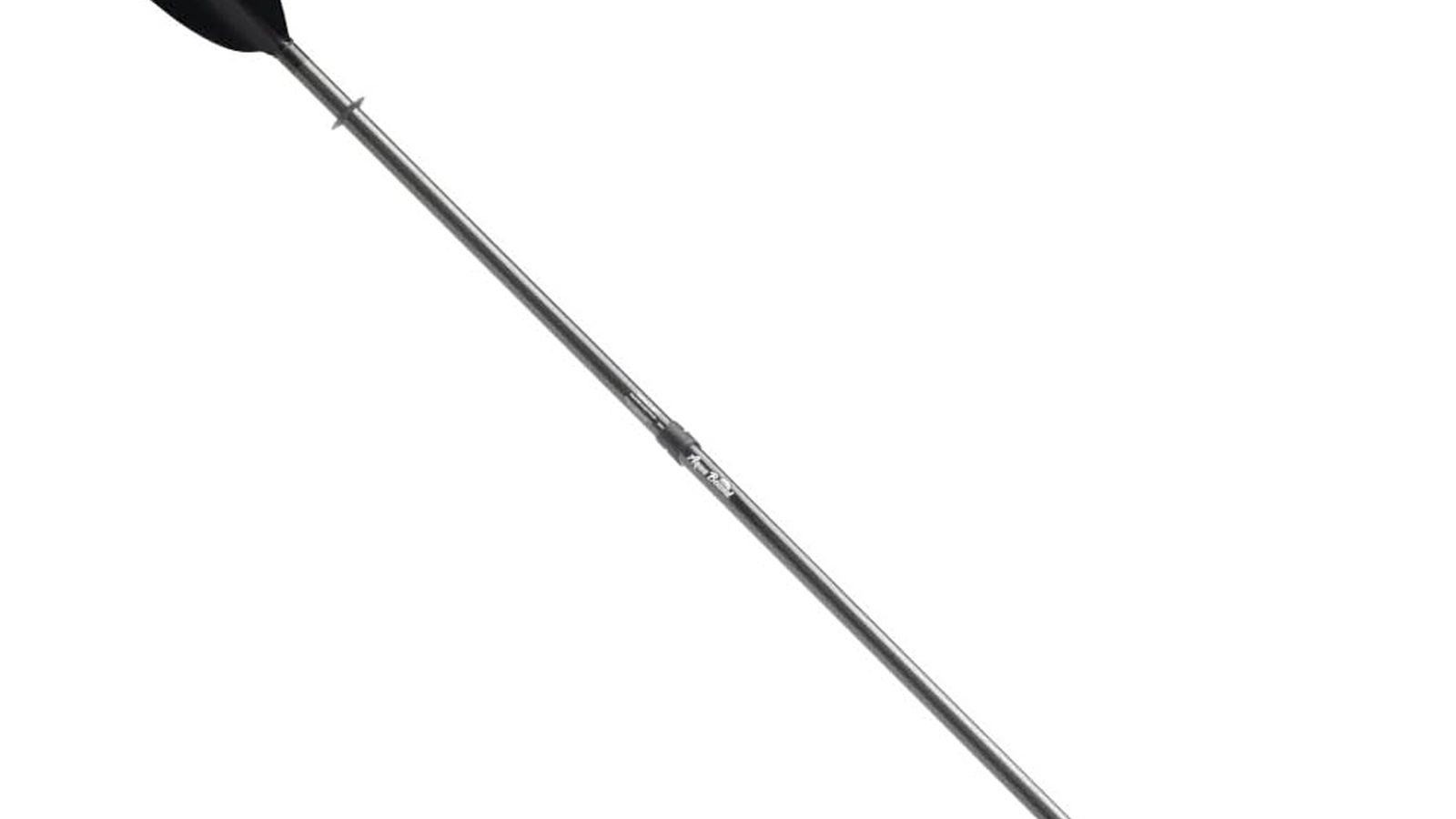
Choose the Aqua-Bound Sting Ray Carbon 2-piece Versa-Lok when you want a low-angle carbon-shaft paddle you can set from 200 to 215 centimeters. Confirm Versa-Lok and that length window. A Posi-Lok or a 4-piece is a different paddle.
Key takeaways
- This card is the 2-piece Versa-Lok, 200 to 215 centimeters.
- Posi-Lok and the 4-piece are different Sting Rays.
- Low-angle touring blade, carbon shaft, reinforced nylon blades.
- A PFD still comes first. The paddle is not the safety kit.
Buy the Aqua-Bound Sting Ray Carbon 2-piece Versa-Lok if you want a low-angle touring paddle with a carbon shaft, reinforced nylon blades, and a ferrule that changes length. The card that matches the photo is the 200 to 215 centimeter Versa-Lok, not a fixed-length Posi-Lok and not the 4-piece travel break. Confirm the word Versa-Lok and the centimeter range on the box before you paddle. A listing can mix those names in the bullet text. The shaft in your hands is the one that counts.
Short version. Fishing paddles are a wider conversation. This one is a flatwater touring blade. A PFD still goes on before the spray skirt or the paddle. A handheld VHF is the radio if the water is big enough to need one, and kayak habits still matter more than the shaft material. Check live prices. Then check the centimeters.
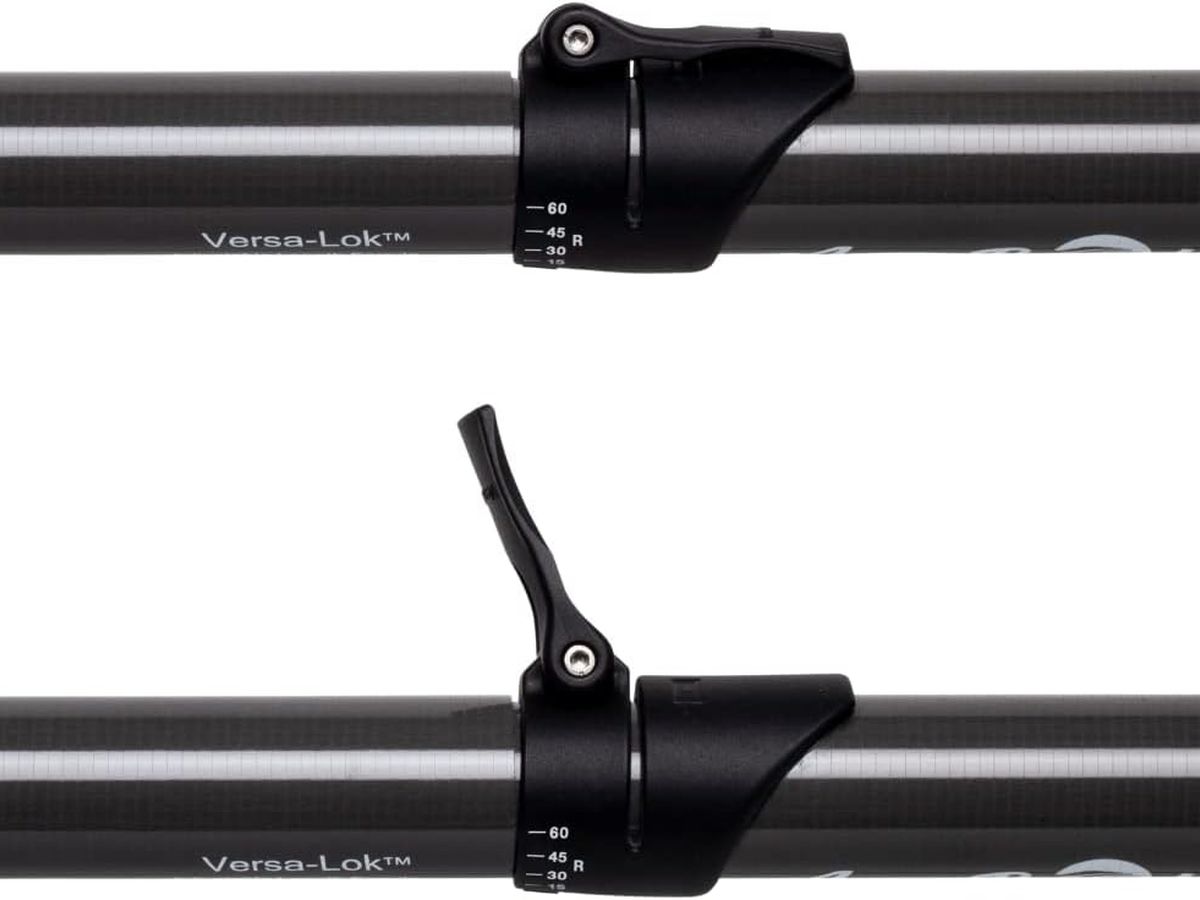
Versa-Lok is Aqua-Bound's adjustable-length ferrule. Posi-Lok is the ferrule that locks a feather angle and does not give you the same length range. The photo on this card shows a Versa-Lok marked for 200, 205, 210, and 215 centimeters. If your box says Posi-Lok, or 4-piece, or a single centimeter such as 230, you bought a different paddle even if the blade shape still says Sting Ray. The blade shape and the ferrule are separate decisions. Do them both.
| Job | This Sting Ray Carbon card | A different Sting Ray | Our call |
|---|---|---|---|
| Fit a shorter paddler or a narrow boat, and still change length | Versa-Lok, 200 to 215 cm | A longer Versa-Lok range, or a fixed Posi-Lok in the centimeter you measured | This card only if 200 to 215 cm covers you |
| Change feather, not length | Versa-Lok also feathers | Posi-Lok is the fixed-length feather lock | Read the ferrule name |
| Break the paddle into four pieces for a suitcase | This card is the 2-piece | The 4-piece Sting Ray | Buy the 4-piece if the car is not the plan |
| A high-angle wing, or a SUP paddle | Wrong blade | Wrong blade | A different paddle entirely |
| A day on cold water | The paddle is not the safety kit | Same | PFD, and a way to get back on |
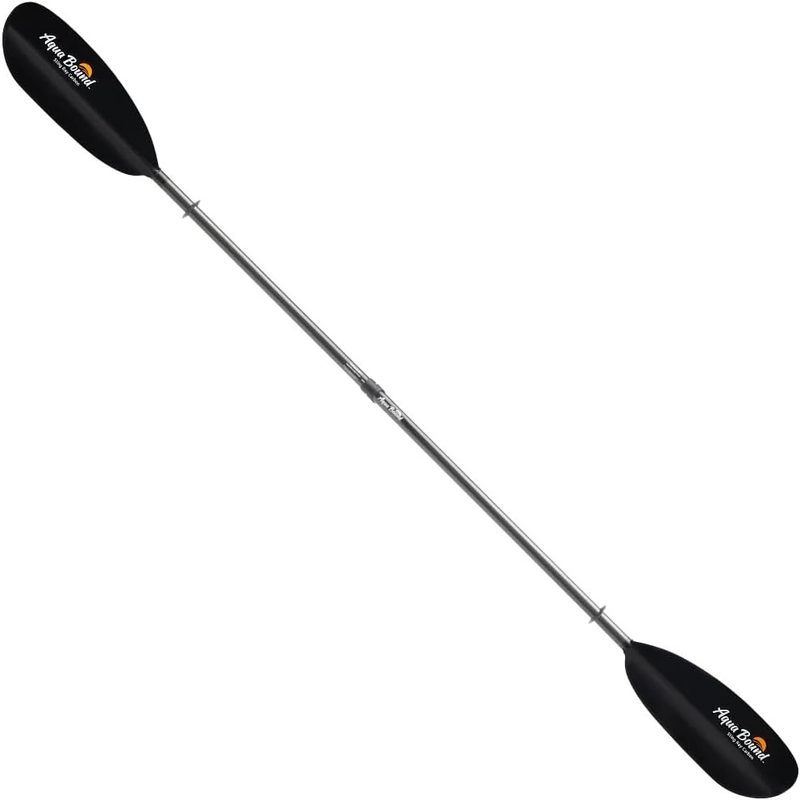
Title on the live card: Sting Ray Carbon, 2-piece, Versa-Lok, carbon shaft, reinforced nylon dihedral blades. Length window shown with the paddle: 200 to 215 centimeters. Confirm both before you leave the driveway.
Who should buy this Versa-Lok Sting Ray?
Buy this paddle if your stroke is low and long, the boat is a recreational or touring kayak, and a shaft you can set between 200 and 215 centimeters actually fits your torso and your boat. Low-angle means the top hand stays lower, the blade sweeps out to the side, and you are not punching a high-angle racing stroke. The Sting Ray is Aqua-Bound's popular blade for that relaxed catch. The carbon shaft is the light part. The blades are reinforced nylon, not a solid carbon layup. You are buying swing weight and a ferrule, not a racing wing.
Skip this exact card if you are tall, the kayak is wide, or you already know you paddle a 230 centimeter shaft. A Versa-Lok only adjusts inside its range. Two hundred to two hundred fifteen is a short-to-medium window. It will not become a 240. People who "make it work" with a short paddle on a wide boat lift their arms, shrug their shoulders, and call it a shoulder injury later. Measure first. Sit in the boat, or sit on the floor with your legs in the same bend, and see where the blade would bury when your lower hand is near the water and your top hand is around chest height. If that length is outside 200 to 215, buy the range that contains it.
Skip it if you need the paddle to break into the hull of a suitcase. This card is the two-piece. The four-piece Sting Ray comes apart smaller. The two-piece is the better paddle on the water, because there are fewer joints, and the worse paddle in an overhead bin. Pick the trip you actually take.
What the Sting Ray blade is for
The blade is a mid-size low-angle shape with a dihedral, the shallow ridge that keeps the blade from fluttering as it pulls. Flutter is the buzzing you feel when a cheap blade twists in the stroke. A dihedral blade tracks. It is not magic, and it is not a wing. A wing paddle is a different tool for a high-angle racer who wants the blade to lock. If you tour, fish, or just want to go across a lake without thinking about cadence, the Sting Ray's shape is the ordinary good answer. Fishing from the boat wants that same calm stroke, plus a paddle you can stow when the rod comes out. A two-piece ferrule is how it stows across the deck or beside the seat.
Reinforced nylon is tougher to the touch than a thin carbon blade and heavier than one. It shrugs off a gravel beach better than a race blade will. It will still chip if you use it as a pole to push off rocks, and it will still delaminate if you leave it baking in a car with the ferrule loaded crooked. Rinse sand out of the joint. Sand in a ferrule is how a smooth adjuster becomes a grinder.
Do: bury the whole blade and pull with your torso, not with a bent wrist. Don't: grip the shaft in a death hold. A light paddle still gives you blisters if you strangle it. The shaft is ovalized where the hands go so you can index the blade without looking. Use that. A blade that enters flat and loud is a technique problem, not a reason to buy a heavier paddle.
Versa-Lok, feather, and the box that disagrees with itself
Set the length on land. The Versa-Lok on this card steps through 200, 205, 210, and 215 centimeters. Pick one, paddle a hundred meters, and change it if your shoulders shrug or the blade misses the water. Write the number down. You will forget it in the spring. Feather is the twist between the blades. A feathered paddle puts the top blade on edge to the wind so it does not catch. Zero feather is easier to learn and worse in a beam wind. A modest feather is the usual touring setting. Right-hand control and left-hand control are mirror images. If you paddle with your right hand staying mostly still and your left hand doing the work, you want the control that matches that. Get it backward and every stroke feels wrong in a way you will blame on the boat.
The awkward part of this listing is the text around it. Bullets on the product page also talk about a Posi-Lok ferrule, a 4-piece break, and a blade area. Those sentences describe other Sting Ray builds. The title that belongs with the Versa-Lok photo is the 2-piece Versa-Lok. When the box arrives, read the ferrule. Versa-Lok means length and feather. Posi-Lok means feather on a shaft that stays one length. Four-piece means extra buttons in the blades. If the words do not match what you ordered, send it back before you peel a sticker you cannot unpeel. A paddle is too long a companion to "close enough."
Aqua-Bound builds paddles in Osceola, Wisconsin. That does not change the centimeter you need. It does mean a broken ferrule is a conversation with the builder, not with a mystery importer. Keep the proof of what you bought. A photo of the ferrule label takes ten seconds and saves the argument later.
How long the paddle should be
Boat width and your torso matter more than a chart on a hang tag. A narrow sea kayak wants a shorter shaft than a wide recreational boat, because your hands are already closer to the water. A high seat wants a longer shaft than a low seat. The 200 to 215 centimeter window on this card fits a lot of smaller paddlers and a lot of narrower boats. It does not fit everyone, and the Versa-Lok cannot be guilted into a length it does not have.
A simple check: sit in the boat, hold the paddle overhead with your elbows at about a right angle, and see where the blades end. Then take a stroke. The lower hand should end near your hip, the blade fully buried, without your top hand crossing the center of the boat in a wild way. If you are reaching, the paddle is short. If you are slapping the water with a half-buried blade because the shaft is long, it is long. Change the Versa-Lok one step and paddle again. Do this at the ramp, not after a five-mile headwind has already made the decision for you.
Kids and smaller adults are the people this range is kind to. A full-size adult in a wide fishing kayak should measure before they assume 215 is enough. Fishing kayaks sit you higher and wider. The paddle that felt perfect in a friend's narrow boat can be short in yours.
The paddle is not the safety kit
Cold water does not care about carbon. Wear a PFD that fits. Know how you will get back on the boat if you swim. A paddle leash can save the paddle and can also tangle you. If you use one, practice the release. On big water, a floating handheld VHF is the radio that still works when the phone does not. Tell someone the ramp and the hour. None of that is printed on the ferrule, and all of it matters more than the dihedral the first time the wind comes up.
Kayak fishing habits still apply if the rod is the point of the day: PFD on, weather checked, paddle secured when you are fighting a fish so you are not chasing it downwind. The Sting Ray will float for a moment and then it is a long swim. Clip it or park it where your hand already knows.
What actually fails on this paddle
The ferrule fails when sand lives in it. Rinse the joint with fresh water after salt or after a muddy put-in. Do not grease it with something that collects grit. A dry, clean ferrule locks. A crunchy one will round off the buttons. The blades fail at the tip if you pole off rocks. Use the boat, or a real shove-off, not the paddle as a stake. The shaft fails when a roof rack strap is cranked on it at a sharp angle, or when it rides loose and chatters against a crossbar for an hour. Pad the rack. The drip rings, if they are on your paddle, slide and then disappear. They are a small part and an annoying wet lap without them.
Sun in a closed car fades grips and cooks adhesives. Bring the paddle inside. It is a two-piece. It fits in a closet. A paddle that lives on the lawn develops a ferrule full of grit and a blade full of UV chalk. That is storage, not a brand flaw.
What this paddle is not
It is not a stand-up paddle. A SUP paddle is longer, single-bladed, and the wrong lever in a kayak seat. It is not a whitewater paddle with a small blade and a tough alloy shaft for rocks at your elbow. It is not a wing. It is not an aluminum rental paddle, which is heavier and louder and still better than no paddle. If you are upgrading from that rental, the Sting Ray Carbon is the upgrade only when the length range fits. A light paddle in the wrong length is a precise way to hurt your shoulder.
It is not every Sting Ray Aqua-Bound makes. Two-piece Versa-Lok, 200 to 215 centimeters, carbon shaft, reinforced nylon blades. That is the card. Posi-Lok, four-piece, and a longer centimeter are real paddles and they are not this one.
So should you buy this Sting Ray?
Buy it if you tour or rec-kayak with a low-angle stroke and your measured length sits between 200 and 215 centimeters. Set the Versa-Lok on the ramp, pick a feather you can repeat, and rinse the ferrule after sand or salt. If you need a longer shaft, a fixed Posi-Lok, or a four-piece break, buy that paddle instead of hoping the bullets on a listing will turn this one into it. Wear the PFD. Know the way back into the boat. The carbon shaft makes the day easier. It does not make the water smaller.
Frequently asked questions
Who should buy this Sting Ray Carbon?
A low-angle touring or recreational paddler whose measured length sits between 200 and 215 centimeters, and who wants the 2-piece Versa-Lok.
Is Versa-Lok the same as Posi-Lok?
No. Versa-Lok on this card changes length inside 200 to 215 centimeters and sets feather. Posi-Lok is a fixed-length feather lock and a different paddle.
Is this the 4-piece travel paddle?
No. This card is the 2-piece. Buy the 4-piece Sting Ray if the paddle has to break down for a suitcase.
What length paddle do I need?
Sit in your boat and take a stroke. If 200 to 215 centimeters is too short or too long, buy the range that fits. A wide, high seat usually wants more length.
Does a carbon shaft replace a PFD?
No. Wear a PFD that fits, and know how you will get back on the boat. The paddle is not the safety kit.
How do I keep the ferrule working?
Rinse sand and salt out of the joint. Do not store the paddle loaded with grit, and do not use the blade as a pole on rocks.