
What Are the Most Reliable Golf Cart Brands?
Written by John Wren|
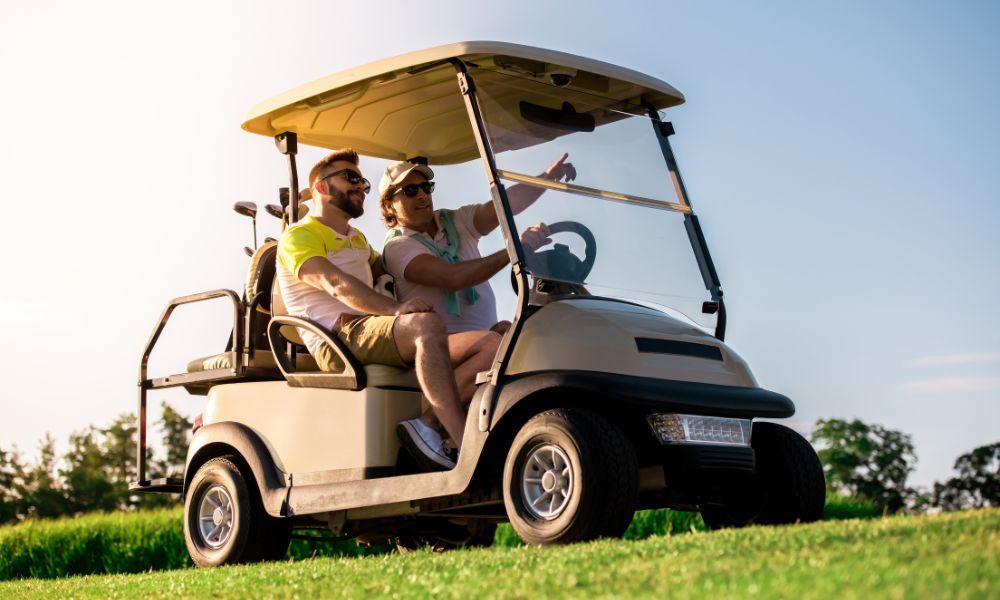
Buy Club Car, E-Z-GO, or Yamaha from a dealer who stocks parts. Choose electric if you have a plug, gas if the loop is long. A crate brand with no shop is a season.
Key takeaways
- Fleet three: Club Car, E-Z-GO, Yamaha.
- Parts in your county beat a logo.
- Batteries fail before brands.
- Cover a cart that lives outside.
The golf-cart brands that still show up in fleet yards after a decade are Club Car, E-Z-GO, and Yamaha. The short answer: buy the brand your local dealer can still get parts for, in the powertrain you will actually charge or gas, and treat a no-name import as a season — not a decade.
Short version. The carts themselves are dealer and auction machines, not Amazon. A cover, lights, and a bag you add is the kit this page can name. Pair with work you can do off the course. Check live prices.
This page is reliability. A lifted mall-cart with a sound bar is a different hobby. A real off-road machine is not a golf cart.
Club Car, E-Z-GO, and Yamaha are the fleet answer
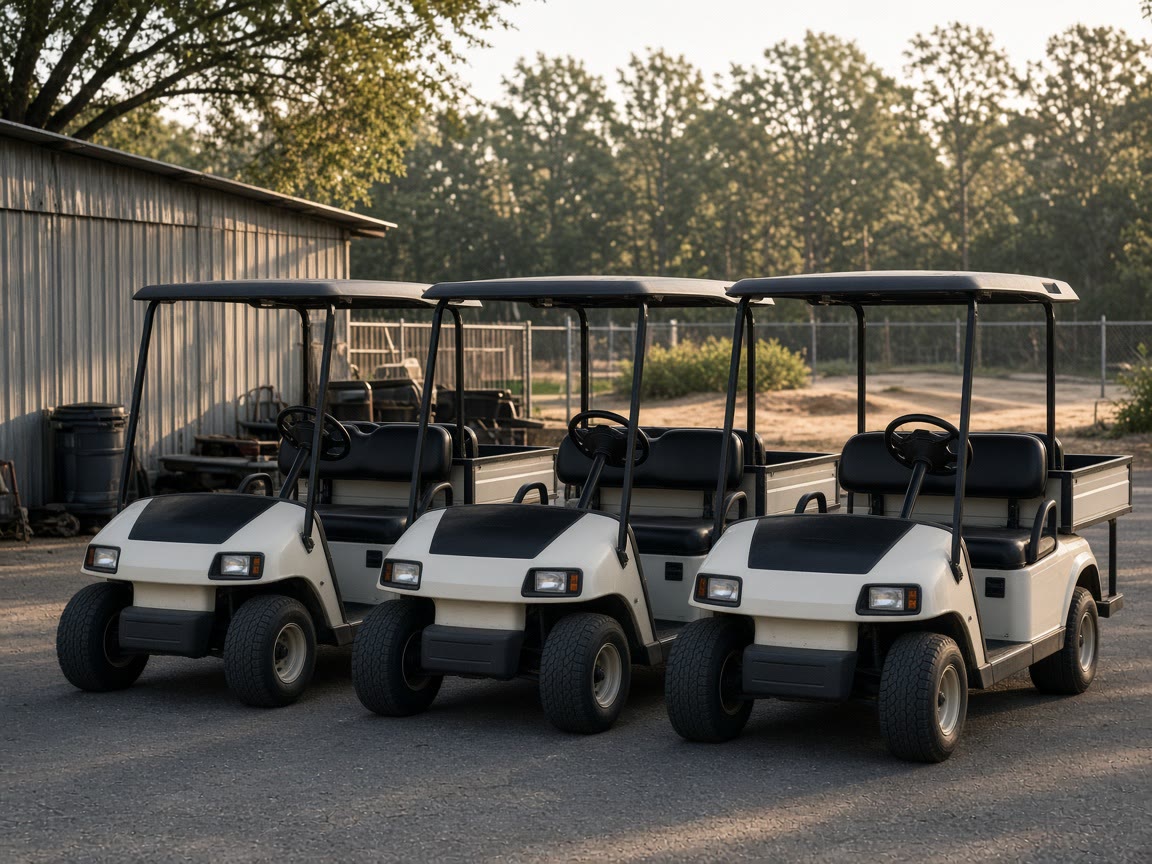
Courses buy what they can keep running. That is why those three names dominate a lot that has fifty carts and one mechanic. Club Car has a reputation for simple electric guts and a Precedent/Onward line people still wrench. E-Z-GO is the other half of American fleet life, TXT and RXV, a dealer in a lot of counties. Yamaha shows up as gas and electric, a quiet reputation on hilly courses that still want a governor that works.
None of that means a 20-year-old barn find is “reliable.” Batteries are the electric cart. A set of tired 6-volts is a cart that dies on the back nine and a weekend of cables. Gas carts are carburetors, fuel that sat, and a governor someone “fixed.” Sit on the one you will buy. Drive it. Ask who has parts in your county. A brand with no dealer in 80 miles is a forum and a freight bill.
Newer lithium packs change the ownership math if the wiring is meant for them. A cheap lithium drop-in in an old lead cart is a fire story some people learn once. Have the dealer do the pack if you are not the person who already meters packs.
Gas or electric is the Saturday, not a personality
Electric: quiet, a plug, a range you will learn the hard way on a long ranch loop. Fine for a course, a campus, a neighborhood that allows them. Gas: longer days without a plug, heat, a can, a neighbor who hates the sound at 6 a.m. Ranch and hunting-camp loops that are miles from a receptacle still lean gas or a lithium pack you sized on paper.
Speed is a governor and a local rule. A cart that will do 25 on a public road is often a legal problem, not a flex. Neighborhood and ranch use still wants lights, a cover, and brakes you have tested. A lifted cart with the wrong tires is a rollover on a sidehill that a stock fleet cart would have walked.
Used market: fleet carts with service logs. Private sellers who “just put new batteries” — meter them. Serial plates that match the model you think you are buying. A Club Car body on the wrong frame is a parts hunt.
A cover is the weather kit Amazon actually sells
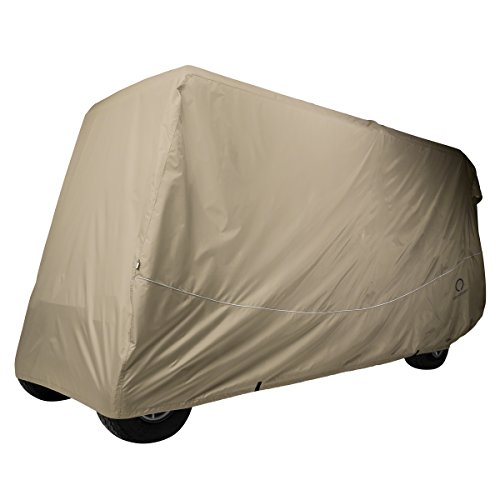
The cart lives outside more than people admit. UV cooks seats. Rain sits in a bag well. A cover that fits the roof length — two-person, four-person, stretched six — is the piece that keeps a reliable brand looking like one. Tie-downs. A vent so it does not become a greenhouse of mildew.
The Classic Accessories Fairway Quick-Fit is the live cover we named: weather fabric, a rear zipper, tie-downs, a cut for a long roof if that is the cart you have. Measure the roof. A two-person cover on a stretched cart is a sail. Check live prices.
Lights, a bag, a rear seat are the other honest add-ons. A no-name 72-volt controller from a listing that said “fast” is not a reliability upgrade.
What “reliable” is not
A marketplace cart with no plate and a Bluetooth sound bar. A lift kit from a forum and no shop. A brand that exists only as a logo on a crate. Icon, Evolution, and other street-legal names are a local-law conversation and a dealer — not a reliability trophy until your town has parts. If the county will ticket a 25-mph cart on a numbered road, the brand does not matter.
Batteries: distilled water on lead, a charger that matches the pack, a winter storage charge. A dead pack is most “unreliable Club Cars.” The brand was fine. The water was not.
Brakes, kingpins, a steering slop you can feel. A reliable name with a bent spindle is a wreck. Drive it in a parking lot before you trailer it home. The trailer is part of the purchase if the cart is not street-legal to your driveway.
Buy the dealer, then the name
Club Car, E-Z-GO, or Yamaha if your county can still get parts. Electric if you have a plug. Gas if the loop is long. A cover that fits the roof. Check live prices. A crate brand with no shop is a season.
The dealer in your county is the reliability spec
Club Car, E-Z-GO, and Yamaha stay in fleet yards because a mechanic can still get a spindle, a solenoid, and a seat. A logo with no shop in 80 miles is a forum and a freight bill. Call the dealer before you fall in love with a barn find. Ask what they will still touch. A 20-year-old Precedent with logs is often a better cart than a three-year crate brand with a Bluetooth bar and no plate.
Sit on it. Drive it. Meter a “new batteries” story. Serial plates that match the model you think you are buying. A Club Car body on the wrong frame is a parts hunt. Lights and a bag are the add-ons this page can name. The cart itself is dealer and auction. Check live prices on the cover, not on a fake machine listing.
Ranch and street jobs still want the same three names if you need parts in October. A lifted mall-cart is a rollover, not a reliability upgrade. A UTV is the machine if the two-track is a two-track. Hunt machines if the country is a mountain.
Batteries fail before brands
A tired set of 6-volts is a cart that dies on the back nine and a weekend of cables. Distilled water on lead. A charger that matches the pack. A winter storage charge. A dead pack is most “unreliable Club Cars.” The brand was fine. The water was not. Newer lithium packs change the math if the wiring is meant for them. A cheap drop-in in an old lead cart is a fire story some people learn once. Have the dealer do the pack if you are not the person who already meters packs.
Gas carts are carburetors, fuel that sat, and a governor someone “fixed.” A long ranch loop still leans gas or a lithium pack you sized on paper. Electric is quiet and a plug. Fine for a course, a campus, a neighborhood that allows them. Four-wheel care is a cousin habit: fluids, a wash that is not a pressure-washer into the wrong hole, a cover.
Range you will learn the hard way. Do not discover a dead pack at the far fence at dusk. Lights if you will be out late. A spare key. A charger cord that is not a trip across a sidewalk.
Used fleet beats pretty private
Courses sell carts with hours and a mechanic who already replaced the ugly parts. Private sellers sell a paint job and a story. Fleet carts with service logs. Drive it in a parking lot before you trailer it home. Brakes, kingpins, a steering slop you can feel. A reliable name with a bent spindle is a wreck.
Title and a VIN if the state titles carts. A marketplace cart with no plate and a sound bar is a hobby, not a decade. Icon, Evolution, and other street-legal names are a local-law conversation and a dealer — not a reliability trophy until your town has parts. If the county will ticket a 25-mph cart on a numbered road, the brand does not matter.
Trailer the cart you cannot legally drive home. Ramps you have practiced. Straps that are not a hope. Tow manners scale down to a utility trailer. A cart that shifts on the highway is a second accident.
Speed is a governor and a local rule
A cart that will do 25 on a public road is often a legal problem, not a flex. Street-legal kits are a dealer and a VIN, not a forum. Lights, seat belts if they asked, a speed that is a bicycle. Neighborhood loops only if the town said yes. A numbered road is often a ticket.
HOAs write letters about 6 a.m. gas carts under a bedroom window. Electric in a cul-de-sac. Charge where you said you would charge. Kids: a cart is not a toy. Keys up. A rule about standing on the back. Kids outdoors is a walk. A cart is a privilege you can take back.
Insurance if you will leave the fairway. A ranch policy is not a golf-course policy. Ask. A claim after a driveway rollover is a conversation you want to have before the driveway.
Tires and a cover are the weather kit
Slicks on wet grass are a slide. All-terrain on a stock fleet cart is a look and a taller center of gravity. Stay stock-ish if the job is a path. Sidehills still roll carts. A Classic Accessories Fairway-class cover still earns the weather: measure the roof, vent it, tie it. UV cooks seats. Rain sits in a bag well. Check live prices.
A two-person cover on a stretched six is a sail. A greenhouse of mildew is a cover you sealed. Rear seats and lights are honest. A 72-volt controller from a listing that says “fast” is how people meet a tow truck.
Winter: a trickle, a cover, tires off a slab if you can. A garage is the brand-preservation plan. A tree is a limb through a roof. Park it where the next storm is a story you already planned.
Buy the shop, then the badge
Club Car, E-Z-GO, or Yamaha if your county can still get parts. Electric if you have a plug. Gas if the loop is long. Water the lead pack. Cover the roof. Check live prices. A crate brand with no shop is a season. A fleet three with a dealer is a decade if you do the water and the brakes.
Do not lift it into a UTV. Do not treat a governor as a suggestion on a public road. The reliable cart is the one that still starts in March and still has a spindle in stock. That is a boring sentence. It is also the whole page.
Closer: drive it, meter the pack, ask who wrenches it in your zip code, and put a cover on it if it lives outside. Then keep the receipt energy for the batteries, not a fourth logo.
Call the dealer before the barn find. Ask what they will still touch. Meter a “new batteries” story. Water the lead pack. A dead set of 6-volts is most “unreliable Club Cars.” The brand was fine. The water was not. Lithium only if the wiring is meant for it and a shop does the pack. A cover that fits the roof if the cart lives outside. Check live prices.
Electric if you have a plug. Gas if the loop is miles. Speed is a governor and a local rule. A 25-mph cart on a numbered road is often a ticket. Ranch and street jobs still want the fleet three and a shop in the county. Do not lift it into a UTV. Drive it in a lot before you trailer it home. Brakes, kingpins, a slop you can feel. A crate brand with no shop is a season. A fleet name with a spindle in stock is a decade.
Kids: keys up. A cart is not a toy. Charge where you said you would charge. A cable across a sidewalk is a fall. Quiet at 6 a.m. in a cul-de-sac. The reliable cart is the one that still starts in March.
Also in the magazine
Keep going with cart upgrades, carts off the course, a barn that keeps weather off, and off-season storage logic. Check live prices.
Frequently asked questions
What are the most reliable golf cart brands?
Club Car, E-Z-GO, and Yamaha still dominate fleet yards because dealers can get parts. A no-name crate cart is a season, not a decade.
Gas or electric?
Electric if you have a plug and a shorter loop. Gas if you are miles from a receptacle and you will live with the noise.
Can I buy a Club Car on this page?
No. Carts come from dealers and auctions. We named a Classic Accessories cover that fits a measured roof. Check live prices.
Why do old Club Cars die?
Often the batteries, not the brand. Water the lead pack. Use the right charger. Meter a 'new batteries' story.
Are street-legal carts reliable?
They are a local-law and dealer question. Speed on a numbered road is often a ticket. Reliability still means parts in your county.
Do I need a cover?
If the cart lives outside, yes. UV and standing water age seats and bags faster than the motor.