
How to Store a Sleeping Bag Between Trips
Written by Outdoors Magazine|
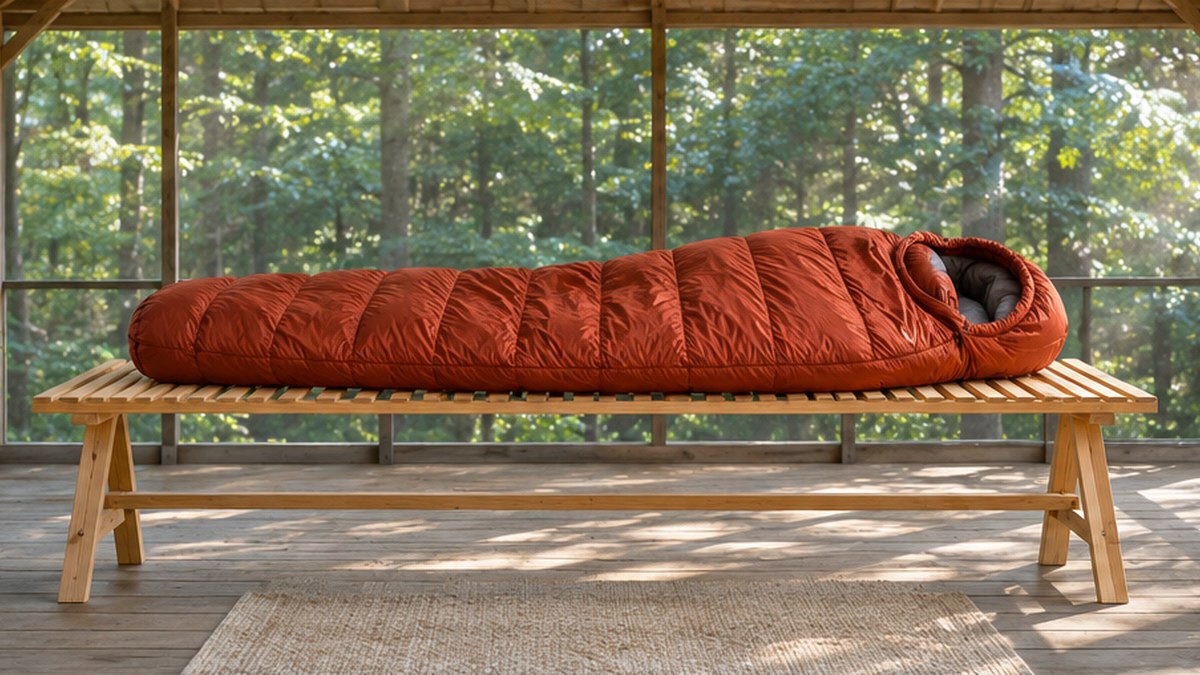
Take your sleeping bag out of its travel sack as soon as you get home. Let both the fabric and the insulation dry completely, then store the bag loose in a large breathable sack or on a clean, dry shelf away from anything that would press it flat.
Key takeaways
- Open the travel sack immediately and check that the shell, lining, and fill are dry.
- Store down or synthetic bags loose on a dry shelf or in a roomy breathable sack, without weight on top.
- Follow the maker’s cleaning and drying instructions; compress only when you need the space for transport.
Take your sleeping bag out of its travel sack as soon as you get home. Let both the fabric and the insulation dry completely, then store the bag loose in a large breathable sack or on a clean, dry shelf away from anything that would press it flat.
Hero: Generated editorial photograph for illustration.
What should you do when you unpack after a trip?
Empty the travel sack first, even if the sleeping bag seems dry or you plan to leave again soon. Open the zipper and spread the bag out where air can reach the lining and shell. Keep it separate from a wet tent or groundsheet, and check the hood, collar, and footbox for moisture.
Make the unpacking order work for you. If the car is full of gear and you have only enough time to unload the essentials, put the sleeping bag somewhere it can open up before you deal with the rest. Separate your wet kit on the way in rather than letting it sit in one heap overnight. If the bag lived inside a waterproof liner on the hike, take it out of the liner, too. The barrier that kept rain out on the trail can also hold moisture in once you get home.
Look at the lining and shell while the bag is open. Shake out grit, check the zipper for dirt, and note any snag, missing pull, or area that needs cleaning before the next trip. A quick inspection now is easier than sorting out a jammed zipper while lying in the dark. Our camping equipment inspection guide covers other pieces worth checking during the same unpack.
Set the little travel sack aside where it can dry separately. Put it back with your trip gear only after it is dry. It does not need to go around the bag just to make the pair easier to find. If you have multiple bags, keep each travel sack beside its matching storage sack, rather than using whichever small sack appears first on departure morning.
How can you tell whether the bag is dry enough to store?
Dry the bag until the lining, shell, and insulation are dry, not just until the outside feels dry. Turn it over and check areas that dry slowly, especially the footbox and padded collar. If a section still feels damp or the fill is clumped, keep it out of the storage sack and continue drying.
A clean rack is useful because you can drape the bag loosely over several bars and shift it as the fabric dries. Avoid bunching all of the material over one narrow rung. If one layer rests against another, change the position and open the zipper farther if the bag allows. Follow the bag's label on direct sun and heat. An indoor rack with good airflow is often easier to supervise than a bag left out through another wet evening.
NEMO’s sleeping bag care guidance recommends airing a relatively clean bag on a line for at least 24 hours in low humidity. Treat that as an example of the time drying can take, not a universal timer. A thick bag that came home wet may take longer, particularly if the room is humid or there is little airflow. A bag that only picked up light condensation may need a different amount of time. Check the actual material and fill before putting it away.
Use your hands to compare a suspect area with the drier parts of the bag. Feel around seams and at the foot, gently spreading the fabric instead of wringing or twisting it. Sea to Summit’s care guide treats persistent clumps after drying as a sign to keep going, particularly with down. If something still seems wrong after a patient dry, ask the maker before storing it or relying on it for a cold outing.
When should you clean it instead of just airing it out?
A bag that picked up only light condensation or a little loose dirt may need airing and spot care, not a full wash. If body oils, dirt, or a lingering smell call for cleaning, check the sewn-in care label first. Dry the bag completely afterward before deciding how and where to store it.
Start by matching the response to the problem. A bit of gritty dirt near the zipper is different from an oily collar, and both are different from a bag that was soaked in mud. Remove loose debris gently. If the label permits spot cleaning, give the treated area time to dry fully before returning it to the shelf. A small damp patch can hide where damp layers touch one another, particularly around a collar or folded shell.
Do not assume your washing machine, detergent, or dryer is suitable just because it works for jackets. Cascade Designs’ sleeping bag guidance distinguishes down-specific cleaning needs from routine spot care and cautions that excessive dryer heat can damage fabrics. Manufacturer instructions may specify a machine type, a cleaner, and a drying method. For a very dirty bag whose label is gone, try to identify it or ask the maker rather than guessing at a cleaning recipe. Follow any permitted dryer settings, and do not assume a dry shell means the fill has finished drying.
If the bag smells musty after drying, inspect it before putting it beside other gear. Do not mask the smell with a spray and call the problem solved. Follow the maker’s cleaning or repair guidance, especially for persistent mildew, discoloration, a damaged baffle, or a problem that may be affecting the insulation. The storage sack is the last step, not a place to wait for the issue to go away.
What should you store a sleeping bag in at home?
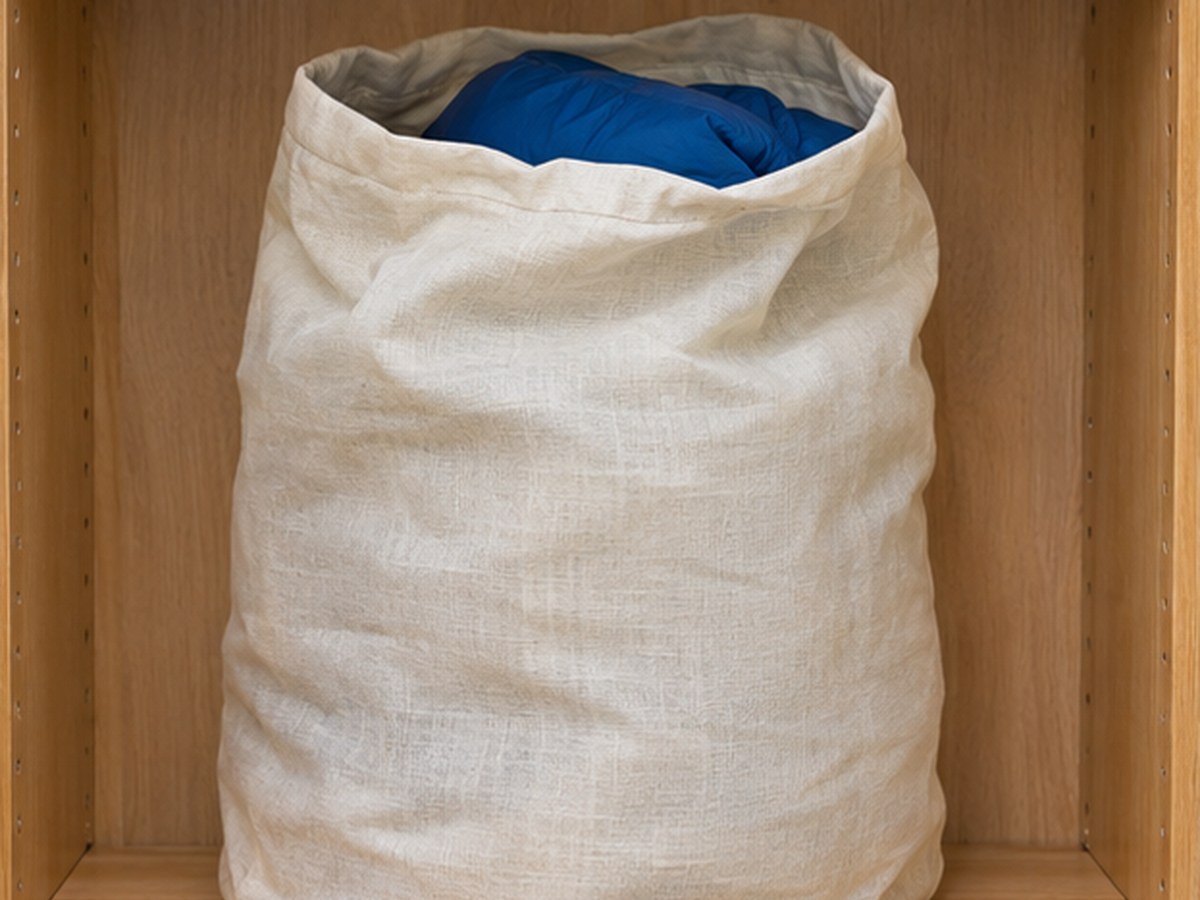
Use a large breathable storage sack that lets the insulation expand, or leave the bag loose on a clean shelf where nothing presses on it. Do not keep it in a tied-down compression sack, a vacuum bag, or a sealed plastic tote. The goal is room to expand and a dry place to stay.
Start by identifying which sack came with the bag. The compact one that fits in a backpack is usually for travel; the larger fabric or mesh one is meant for storage. Cascade Designs recommends the larger breathable sack for low-compression storage and notes that hanging or lightly folding an unpacked bag is another option. Sea to Summit also points to a large cotton storage sack. Use whatever gives your bag enough room; the word “storage” on a label is less useful than how the bag sits inside it.
Give the bag a simple shelf test. Put it in the sack without leaning on it or forcing the mouth closed. Set it on the shelf and look at what happens when the door shuts or another bag is put nearby. If it becomes a hard bundle or gets wedged under heavy bins, move it. If you prefer to leave it unpacked, aim for broad, relaxed folds instead of cramming it into a narrow stack. If you hang it, use a method supported by the maker rather than suspending a heavy bundle from a zipper pull.
Choose a dry, shaded indoor spot with reasonable airflow. A damp garage, a leaky wall, or a floor where a spill can reach the shelf is a poor match even if the room is otherwise convenient. Do not share the shelf with wet boots or a tent that routinely goes away damp. A large mesh sack will not make a humid closet dry. Fix the location, not just the container.
If closet space is tight, make room by moving items that do not need space to expand. A stack of cook pots can go into a bin; a bag full of insulation should not go beneath it. An empty open shelf can work just as well as a special cabinet. Check the bag again after rearranging seasonal gear. Pressing a winter bag to the back of a closet behind coats defeats the point of its roomy sack. If you keep a spare bag in a car or trailer for convenience, bring it inside between trips when that storage spot gets damp or hot, and check for moisture after transporting it.
How should you treat down and synthetic bags differently?
Both down and synthetic bags should go away dry and uncompressed. Give down fill time to separate and expand as it dries, and check the care label for fill-specific washing and drying instructions. Synthetic insulation also benefits from loose storage; a bag being synthetic is not a reason to keep it tightly rolled.
With a down bag, compare the puffy areas with any flat or clumped baffle once the bag has had time to dry. The shell can feel ready before the fill inside is ready. Do not aggressively shake, twist, or pull at a wet section to make it look even. Follow the maker's care directions and let the insulation settle back into place naturally. If a section still has little fill or noticeably less loft after complete drying, inspect for damage or get advice rather than counting on the bag to perform normally.
Synthetic bags have a different fill structure, but the storage decision is similar. Sea to Summit advises against repeatedly folding and rolling a synthetic bag in exactly the same way for packing, because that can stress the insulation along consistent folds. At home the practical solution is easier: skip the tight roll entirely, use a generously sized sack, and keep weight off the bag. This matters whether it is your regular backpacking bag or a bulky spare you rarely use.
Mixed-fill bags and quilts are another reason to keep the label or a copy of the instructions. Use the care routine for that piece of gear, not for the closest-looking item in the closet. The point of separate fill instructions is to handle washing and drying safely. They do not change the basic storage check: dry through, free to expand, and not pressed under other gear.
When is it fine to use a compression sack?
Use a stuff or compression sack to fit a dry sleeping bag into a pack or carry it between camps. Take the bag out when space is no longer the priority, especially after the trip. For another outing soon, leaving it open at home is simpler than treating travel packing as storage.
On a multi-day hike, unpack the bag at camp as soon as conditions let you do so safely. Set it on a dry surface, let it expand, and check for moisture before closing it up again in the morning. If it is wet and you must carry it, keep it away from dry layers and give it a drying chance when you reach shelter. Packing for necessary transport and putting a bag away on a shelf are different decisions.
Protection from rain while hiking is also separate from letting the bag breathe between trips. A pack liner or dedicated dry sack can keep a dry bag away from leaking gear. Neither is an overnight storage solution after a wet trip. See our backpack liner guide for how to pack dry layers separately. Back at home, the normal handoff is straightforward: empty the travel sack, assess moisture, dry or clean if needed, and move the loose bag to its storage place.
Before a cold trip, pull the bag out early enough to inspect the insulation and zipper, especially if it spent months on a crowded shelf. If you find persistent flat spots or damage, sort that out before depending on it. The bag is only one part of the overnight setup; our sleeping pad R-value guide covers the insulation underneath you. At the door, put the sleeping bag in its small sack only when you are ready to load the pack.
Frequently asked questions
Can a dry sleeping bag stay in a compression sack between trips?
Use a compression sack for transport rather than storage, even if the bag is dry. Once you are home, take the bag out and give the insulation room to expand. A roomy breathable storage sack or a clean, dry shelf is a better place to keep it.
How long should a sleeping bag air out before you put it away?
There is no universal drying time. It depends on how wet the bag got, the airflow and humidity, and how long the thick sections take to dry. Check the lining, shell, footbox and insulation rather than trusting a timer or the feel of the outside alone.
Does a synthetic sleeping bag need to be stored loose?
Yes. Both synthetic and down insulation benefit from storage without sustained compression. Keep the synthetic bag dry and out of a tight roll or small travel sack, and do not stack heavy gear on it.
Can you store a sleeping bag without its original storage sack?
Yes. If the bag is dry, a large cotton or mesh sack with enough room for the insulation to expand works, as does a clean, dry shelf with no weight on the bag. The fit and storage environment matter more than whether the sack came with it.