
Ocean Signal rescueME PLB3 AIS Beacon Guide
Written by John Wren, Co-Founder|
Outdoors Magazine is a participant in the Amazon Services LLC Associates Program. We may earn a commission if you buy through links on this page, at no extra cost to you. Affiliate disclosure.
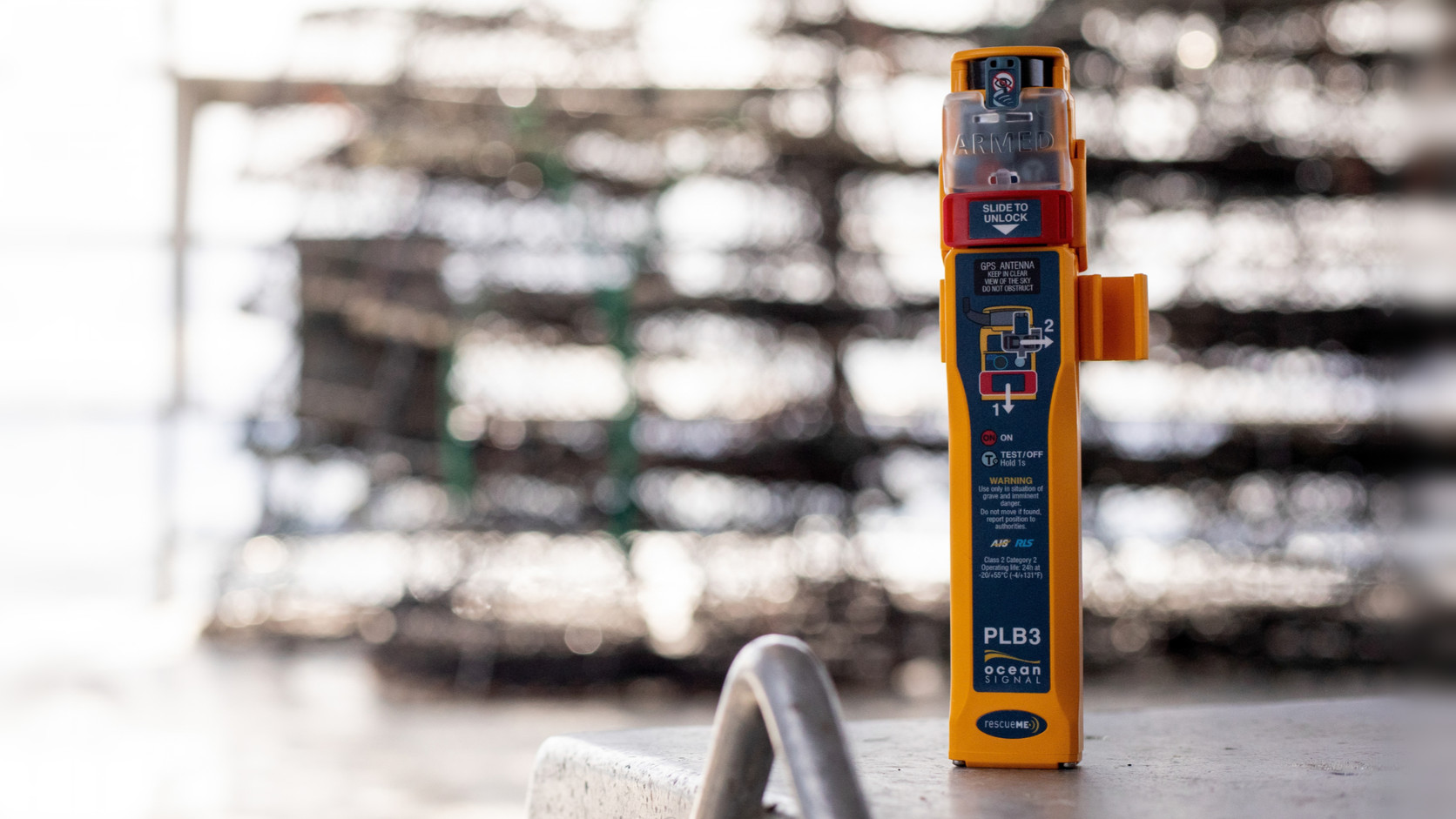
Buy Ocean Signal rescueME PLB3 when you want a 406.031 MHz beacon with AIS, Return Link Service, NFC, and 121.5 MHz homing in a 190 g body, with no subscription. Register the HEX ID at NOAA before the first trip. It needs the flotation pouch to float. It is not an inReach.
Key takeaways
- PLB3 is Ocean Signal SKU 732S-03668, a 406.031 MHz PLB with AIS at 1 W EIRP, RLS, NFC, and 121.5 MHz homing. No subscription.
- Official cells include 190 g, 200 × 36 × 22 mm, over 24 hours at −20 °C, and a 6-year / 5-year battery window.
- Ocean Signal prints that PLB3 needs the flotation pouch to float and is not a floating operating position.
- Register the HEX ID at NOAA. Mini 2 is a two-way messenger with a plan. ACR 2830 versus 702S is an EPIRB fight.
Register it before you clip it. Ocean Signal rescueME PLB3 is a 406.031 MHz personal locator beacon with AIS, Return Link Service, NFC, and 121.5 MHz homing. NOAA’s beacon registration database is the US paperwork. There is no subscription. There is no Amazon card on this URL. Buy it from a marine dealer, then register the HEX ID at beaconregistration.noaa.gov before the trip that would have been the first time you opened the blister pack.
inReach Mini 2 is a two-way messenger with a plan. Personal locator beacons is the 406 MHz class note. ACR 2830 versus Ocean Signal 702S is a Category I EPIRB fight, not a PLB. Hiking alone is why a PLB even comes up on land. Fisherman versus MoveVent is the PFD the PLB3 flotation pouch clips to. A 72-hour kit is what keeps you alive until the helicopter, not the beacon itself.
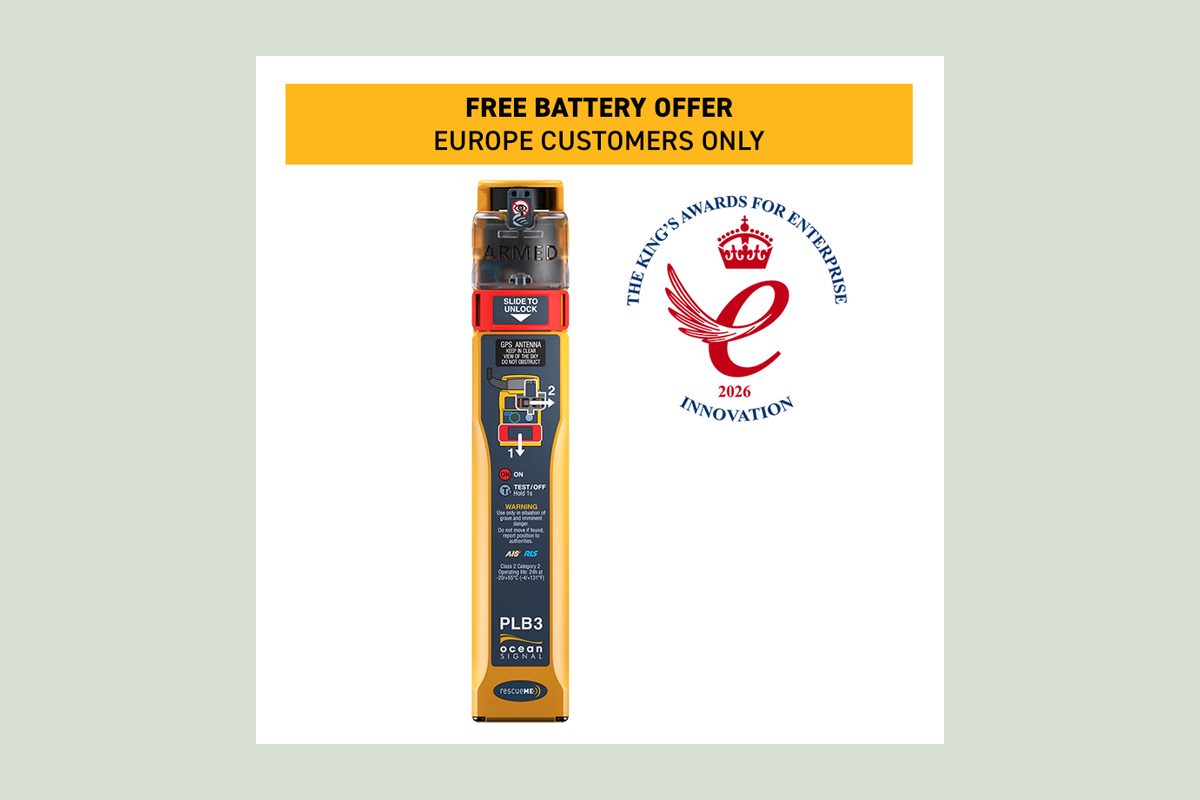
| Spec | Ocean Signal rescueME PLB3 |
|---|---|
| SKU | 732S-03668 |
| 406 MHz transmitter | 406.031 MHz ±1 kHz; 5 W typical |
| AIS transmitter | 161.975 / 162.025 MHz ±500 Hz; 1 W ±3 dB EIRP |
| Homing | 121.5 MHz |
| Return Link / NFC | RLS acknowledgement; NFC for the app and self-test path Ocean Signal prints |
| Size | 200 × 36 × 22 mm |
| Weight | 190 g |
| Operating temperature | −20 °C to +55 °C |
| Operating duration | Over 24 hours at −20 °C once activated |
| Battery replacement | 6 years from manufacture or 5 years after entering service |
| Immersion | Over 10 m for over 60 minutes |
| Buoyancy | Requires flotation pouch; not a floating operating position |
| Subscription | None |
Cells come from oceansignal.com/products/plb3-ais-personal-locator-beacon/, where Ocean Signal lists the beacon as SKU 732S-03668. US registration is NOAA, not Ocean Signal. The flotation pouch is not in Ocean Signal’s in-the-box list; it is a separate PLB3 Floatation Pouch accessory. Buy where the HEX ID and the dealer invoice can still be matched.
Sources, as of November 12, 2026: Ocean Signal rescueME PLB3; Ocean Signal US dealer locator; PLB3 Floatation Pouch; NOAA beacon registration.
Who is rescueME PLB3 actually for?
PLB3 is for a sailor, paddler, or coastal walker who wants a 406 MHz alert plus AIS, RLS, and 121.5 homing in a 190 g body, with no monthly plan. Ocean Signal prints more than 24 hours at −20 °C and a 6-year / 5-year battery window. Register it with NOAA before the first trip.
Skip it if you wanted two-way texts. Mini 2 is that URL, and Mini 2 still wants a plan. Skip it if you wanted a Category I EPIRB that auto-deploys from a bracket. ACR 2830 versus Ocean Signal 702S already owns that fight. Skip it if you will not carry the flotation pouch; Ocean Signal says PLB3 needs that pouch to float.
A 72-hour kit is still water, calories, and a way to stay found. The beacon is the doorbell. It is not lunch.
What does Ocean Signal actually print for PLB3?
The PLB3 page prints a 406.031 MHz transmitter at 5 W typical, AIS at 1 W EIRP, 121.5 MHz homing, Return Link Service, NFC, 200 × 36 × 22 mm, 190 g, −20 °C to +55 °C, over 24 hours at −20 °C once activated, and no subscription. Immersion is over 10 m for over 60 minutes.
Buoyancy is the cell people skip. Ocean Signal prints that PLB3 requires the flotation pouch and is not a floating operating position. Operate it clear of the water, antenna upright, with a view of the sky. That is Ocean Signal’s carriage line, not a swimming lesson from this magazine.
NFC is how Ocean Signal wants you to run the prescribed self-tests and read the beacon. It is not a chat app. RLS is the acknowledgement that the distress alert was received. AIS is the local broadcast so nearby AIS sets can see you while COSPAS-SARSAT works the 406. Neither radio replaces a VHF DSC call if you still have a radio in your hand.
How do you register PLB3 with NOAA?
You register a US-coded 406 MHz beacon in NOAA’s registration database before you need it. NOAA’s beaconregistration.noaa.gov form is the live paperwork. You will need the HEX ID from the beacon label, owner contacts, and the vessel or activity details NOAA asks for. Register it. Keep the invoice.
This desk will not walk a fake HEX ID or a screenshot of someone else’s registration. Use the label on the unit you bought. Keep the dealer invoice with the HEX. If you travel, NOAA’s page is still the US coding path; other administrations have other registries. Do not invent a second country’s form here.
The older PLB class note on this magazine already says the same thing: if it does not register with NOAA, treat it as a gadget. PLB3 does not change that rule. Ocean Signal’s NFC tests are not a registration. A green light in an app is not a NOAA account.
When is PLB3 the wrong beacon next to an inReach?
PLB3 is the wrong beacon when the job is a check-in text, a weather download, or a running-late message. Mini 2 is that device, on a plan. PLB3 is the wrong beacon when you wanted a Category I EPIRB. 2830 versus 702S is that fight. PLB3 is the no-subscription 406 with AIS and RLS.
Carrying both is a budget choice, not a contradiction. Mini 2 talks. PLB3 knocks on COSPAS-SARSAT’s door and tells nearby AIS sets. Hiking-alone safety is still a turnaround time and a person who knows it. A beacon in a checked bag in the hold is a beacon you do not have.
Do not test-activate on 406 because you were curious. Ocean Signal prints prescribed self-tests. NOAA and COSPAS-SARSAT treat a live 406 as a distress. This magazine will not give you a backyard activation recipe.
Where does the flotation pouch actually go?
The pouch goes on the PFD you will be wearing, not in a ditch bag at the other end of the cockpit. Ocean Signal says PLB3 needs that pouch to float and should be operated clear of the water. Fisherman versus MoveVent is the foam-vest fight. Clip it where a gloved hand can find it.
Immersion over 10 m for over 60 minutes is the water-ingress cell, not a diving rating you take wreck diving. PLB3 is a personal beacon. It is not a dive computer and it is not an EPIRB in a hydrostatic housing. If the trip is a Category I raft, buy the EPIRB fight instead.
Battery life in the cupboard is the expiry label. Six years from manufacture or five years in service is Ocean Signal’s interval. Follow the label on the unit in your hand. A deal on a dusty display beacon is only a deal if the date still works. Ocean Signal’s US dealer locator lists shops that sell and service the beacon; ask for US country coding before you pay. Match the model name rescueME PLB3, not a PLB1 leftover.
Which other rescue pages should you open instead?
Open Mini 2 if you need two-way satellite text. Open the PLB class note if you still need the 406 versus inReach lecture. Open ACR 2830 versus Ocean Signal 702S if the boat needs an EPIRB. Open hiking-alone and the 72-hour kit if the hole is skills and calories, not a radio.
A floating backup chart handheld is GPSMAP 79sc, not a 406 MHz beacon. This URL is one Ocean Signal PLB. Owning PLB3 does not make Mini 2 obsolete. Owning Mini 2 does not make NOAA registration optional on a 406 you also carry. If you are gift-buying, you are buying a beacon plus the afternoon to register it. Send the Ocean Signal product URL, not a photo of “a PLB.”
When a dealer page updates photos, re-check the model name. PLB1 is a different Ocean Signal beacon. MOB1 and MOB2 are man-overboard AIS/DSC units, not this PLB. rescueME PLB3 remains the anchor. Price lives at the dealer. Registration lives at NOAA. End of the practical loop: buy, register, clip the pouch, cited Ocean Signal numbers, no Amazon card.
AIS on PLB3 is not a toy AIS transponder for racing. Ocean Signal prints 161.975 / 162.025 MHz at 1 W ±3 dB EIRP, 9600 baud, with the messages that page names. Nearby AIS sets can see you. COSPAS-SARSAT still owns the 406. RLS is the acknowledgement path. NFC is the test-and-info path. None of those radios is a subscription. None of them is a chat thread with a spouse.
Operating temperature −20 °C to +55 °C is the cell next to the 24-hour duration at −20 °C. A beacon stored on a dashboard in July is outside the care you should give a safety radio. Follow the expiry label. Six years from manufacture or five years in service is Ocean Signal’s replacement interval. A cheap display unit with last year’s date is only cheap until the label is the problem.
Buy from a US dealer on Ocean Signal’s locator and confirm US country coding, because a beacon coded for another country registers with that country’s authority, not NOAA. Match the model name. PLB1 is smaller and is not this AIS/RLS unit. MOB1 and MOB2 are man-overboard devices. An EPIRB1 is the compact EPIRB on the 702S fight. This URL stays on PLB3.
Self-tests are the prescribed ones Ocean Signal prints, including the NFC path. A live 406 activation is a distress. This magazine will not give you a backyard 406 recipe, a homing-beacon tune, or a way to disable a feature. If the unit is damaged, send it through Ocean Signal’s service path, not through a kitchen repair.
HEX ID, emergency contacts, and a current phone number are the NOAA fields that fail in real searches when they are stale. Update the registration when the boat, the truck, or the person who would answer at 2 a.m. changes. PLB3 does not do that for you. The form does.
Carry PLB3 where a gloved hand finds it on the PFD, then forget it until you need it. That is the opposite of Mini 2, which you actually use for check-ins. Mixing those habits is how a 406 lives at the bottom of a dry bag. Ocean Signal’s pouch, NOAA’s form, and the expiry label are the whole ownership loop. Leave the Amazon cart out of it.
A Category I bracket, a hydrostatic release, and a 48-hour EPIRB are the other Ocean Signal family. They are not PLB3. If the boat already has an EPIRB, PLB3 is still the personal clip for the person who leaves the boat. If the boat has nothing, start with the EPIRB fight, then add PLB3 for the crew. Registration is still NOAA either way.
Frequently asked questions
Does PLB3 need a subscription?
No. Ocean Signal prints no subscription. NOAA registration is paperwork, not a monthly plan. Mini 2 is the device that wants a plan.
Does PLB3 float by itself?
No. Ocean Signal prints that it requires the flotation pouch and is not a floating operating position. Operate it clear of the water.
Is this an EPIRB?
No. ACR 2830 versus Ocean Signal 702S is the Category I EPIRB fight. PLB3 is a personal locator beacon you clip to a PFD.
Where do you register a US PLB3?
NOAA’s beacon registration database at beaconregistration.noaa.gov. Use the HEX ID on the unit you bought. Update contacts when they change.
Can I test-activate on 406?
Not as a curiosity. Ocean Signal prints prescribed self-tests, including NFC. A live 406 is a distress. This magazine will not give a backyard recipe.
Is PLB1 the same beacon?
No. PLB1 is a different Ocean Signal unit. MOB1 and MOB2 are man-overboard devices. Match rescueME PLB3 on the dealer invoice.