
How to Keep Ski Goggles From Fogging
Written by Outdoors Magazine|
Start with completely dry goggles, leave the vents clear, and keep your breath from blowing up under the frame. If the lens fogs, stop somewhere visible from above and out of the travel path. Let the inside air-dry instead of rubbing the wet anti-fog surface.
Key takeaways
- Start with dry goggles and check that the helmet and face covering leave the vents clear.
- Stop where you are visible from above and out of the travel path before clearing the lens.
- Shake off loose snow, let treated inner surfaces dry, and never rub a wet inner lens.
Start with completely dry goggles, leave the vents clear, and keep your breath from blowing up under the frame. If the lens fogs, stop somewhere visible from above and out of the travel path. Let the inside air-dry instead of rubbing the wet anti-fog surface.
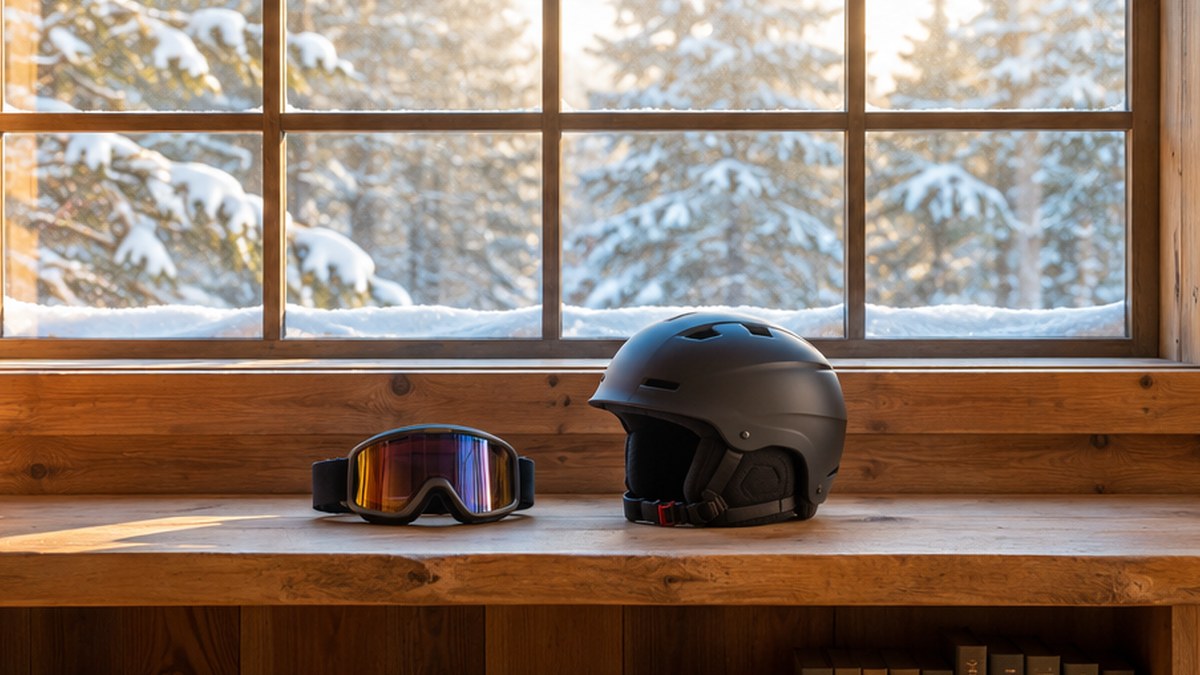
Hero: Generated editorial photograph for illustration.
How can you tell what is blocking your view?
First tell inner fog from outer snow or moisture. Once stopped safely, take the goggles off and tilt them toward the light without touching the lens. Snow or droplets on the outside, a mist on the inside, and haze trapped between two lens layers call for different responses.
You do not have to diagnose the problem on the move. Wait until you are well clear of others, then look at both surfaces in good light. On the outside you may see distinct snow grains, beads of water, or an ice crust. On the inside, condensation can look like a more even haze, or you may find droplets and wet foam after a fall. Both faces can be wet at once. Look before reaching for a cloth so you know where it needs to go, if anywhere.
If the view appears milky even after the goggles dry fully, look for scuffs, scratches, peeling material, or haze that seems to sit behind the surface. Persistent haze inside a double lens is not something you can remove by cleaning the two exposed faces. Let the goggles dry and check the maker's instructions or ask its support team about inspection and replacement. Do not separate bonded lens layers, push a cloth into the seam, or test uncertain visibility on a run.
Also check what you can see with the goggles off while safely stationary. Falling snow or flat light can make features hard to distinguish even with a clean lens. If the lens is clear but you still cannot reliably read the terrain, changing your cleaning technique will not solve the visibility problem.
How do helmet fit, vents, and face coverings work together?
Try the goggles with the helmet and face covering you actually wear. Aim for even foam contact without crushing the frame, and check that the helmet rim and clothing leave the vents open. If your breath is directed up toward the nose bridge, reposition the fabric while keeping appropriate face protection.
Put all three pieces on before judging fit. A frame that feels comfortable alone can be pushed down by the helmet rim. It can also sit askew if the strap routes awkwardly over a thick helmet accessory. Look for consistent contact around both cheeks and the nose. Tightening the strap is not the answer if the maker's intended vent openings are already pressed against the helmet or a strip of fabric. Adjust the gear in the order you normally put it on and then check again.
Pay particular attention during stops, when you have time to notice where your breath goes. A neck gaiter may shift up as you speak or cover the lower vent after you pull it higher in wind. Use a fit or face covering designed to let breath exit away from the goggles. Do not expose skin in conditions that call for protection just to clear the lens. If the current combination cannot keep you both protected and able to see, take a sheltered break and change the setup there.
For a new pair, look at the whole interface rather than just an anti-fog label. Put on your helmet, pull the strap to its normal tension, and move your head side to side and up and down. Verify that the frame stays seated and that the vent path is not blocked. A different frame shape may fit better than forcing one that leaves drafts or puts undue pressure on the nose.
What should you do if your goggles fog on a run?
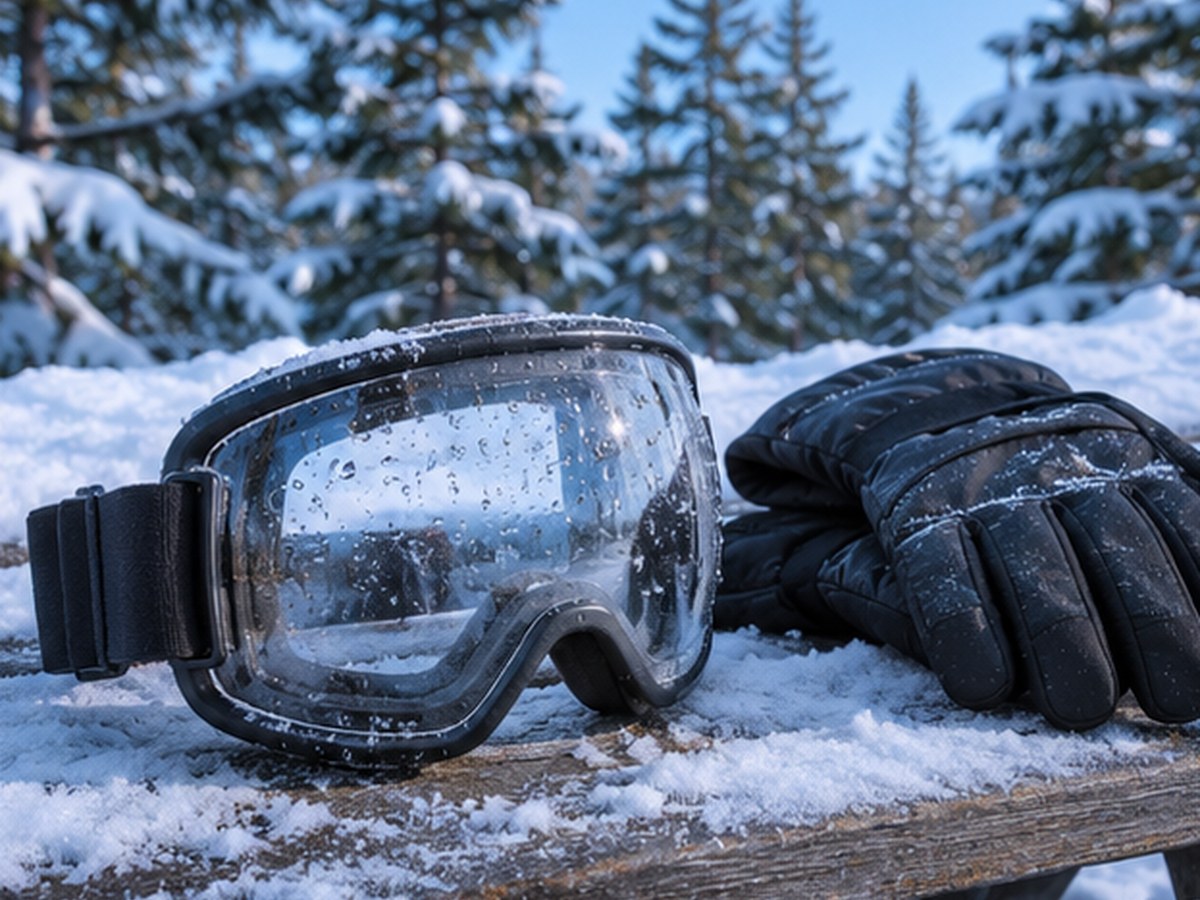
Stop as soon as you can do so safely, at a spot visible from above that does not restrict traffic. Do not try to clear goggles while moving. Once safely stationary, let moisture escape and remove loose snow gently. If usable visibility does not return, stay put and ask ski patrol or resort staff for help.
The National Ski Areas Association says to stay in control and stop where uphill users can see you without blocking the trail. Avoid stopping just below a rollover, at a blind bend, where trails merge, or in a landing zone. Do not head into unfamiliar terrain simply to get farther from traffic. If you cannot see enough to move safely, do not try to ski by memory or feel. Follow the area's directions for getting help when you cannot continue.
Once clear of the travel path, turn away from blowing snow, take the goggles off, and let humid air escape. On a lift, follow the area's safety rules and wait for a suitable place to handle loose gear. Leaving goggles over a damp forehead or hat can feed the same moisture back into the frame. Store them briefly in a secure, dry spot if you cannot wear them, rather than putting them into a wet glove pocket.
Look at the lens and foam before starting again. A clear patch in the center is not enough if the sides remain obscured or the fog returns immediately. Start only when you can see the terrain and nearby people. Look uphill and yield before reentering the trail. If you are still unsure, wait and use the route or assistance the resort recommends.
How should you clear snow from the outer lens?
Start by shaking loose snow off gently instead of dragging it across the outer lens. If the manufacturer's instructions permit, use a clean, soft microfiber cloth or the supplied bag to blot remaining water. Leave stuck ice until it releases naturally in shelter, and do not scrape it with gloves or a hard object.
The outside is easier to inspect, but it is not scratchproof. Snow can contain grit from a bench, glove, or parking lot, and a dirty cloth can move that grit across the lens. Hold the frame instead of pinching the lens. If the temperature and setting allow, let snow soften away from direct heat, then let water run off without pushing it across the surface. Check the manufacturer's outer-lens instructions before using any cleaner or rinsing the goggles.
Blotting means touching the clean cloth lightly to the moisture and lifting it, not polishing in circles. Keep a dedicated clean cloth or bag in a dry pocket away from keys and wet gear. If it picks up grit, change to a clean one rather than turning it over and hoping the other side is clean.
Repeated buildup on the outside can be a weather and visibility issue, not a sign that the inside coating has failed. Address the outer moisture first when you are safely stopped. If you still cannot see clearly in blowing snow or freezing precipitation, take a break rather than trying to ski through it.
Why should you avoid wiping the inside of a wet lens?
Many ski goggles have an anti-fog treatment on the inside, and rubbing that surface when wet can damage it. The safest default is to let it dry without touching it. If your manufacturer specifically allows blotting, lightly lift droplets with a clean approved cloth or bag and do not drag it.
Oakley's snow-goggle instructions distinguish lightly touching the supplied microfiber bag to absorb excess moisture from rubbing the treated surface. Giro's cleaning guide likewise favors gently dabbing instead of wiping and advises against household cleaners. Smith warns that smearing wet snow across the inside can damage the anti-fog coating. Read the instructions for your own lens before doing more than removing loose snow and letting the goggles dry.
Do not use a glove, jacket sleeve, tissue, or paper napkin on that surface. Do not assume a spray approved for glasses, a car windshield, or a different brand is safe on a treated snow lens. Use only products your goggle maker approves for that specific surface. A recurring problem is a reason to check airflow and care, not to layer a new product over the original coating.
If the surface is already scratched or cloudy when dry, more rubbing is unlikely to help. Check the maker's guidance on compatible replacements and when to remove a damaged lens from use. Do not substitute an unverified lens just because it appears to fit the frame.
What changes if you wear glasses under ski goggles?
Check whether the glasses, the goggle lens, or both are fogging. Choose a goggle that fits over your frames without pressing them into your face or blocking the vents. Let both pairs of lenses dry separately, and follow each maker's care instructions instead of treating them as the same surface.
A clear goggle lens cannot repair condensation on the glasses beneath it. Once stopped and away from traffic, remove the goggles first and inspect the glasses without twisting the frames. If the spectacles are wet, clean or dry them according to their own lens instructions. A product acceptable on your glasses might not be approved for the treated inside of your goggles.
Before heading out again, check whether the glasses temples lift the goggle foam away from your cheeks, or whether the goggle lens sits close enough to rub the glasses. Try your actual frames with your helmet, not just a display pair in a shop. An over-the-glasses frame is designed to make room, but the label does not guarantee the fit for large prescription frames or a particular helmet shape. If a setup keeps fogging even when dry and clear of clothing, an optician or a qualified fitting shop can help compare compatible options.
How do you dry and store goggles between ski days?
Take goggles out of their case or bag and let the lens, face foam, vents, and strap dry in a ventilated place at room temperature. Keep them away from direct heaters and avoid sealing them while damp. Once everything is dry, store them in a clean protective bag or case away from abrasive gear.
A lens can look clear long before the foam is dry. Set the goggles on a clean shelf so air can reach the frame instead of leaving them in a wet boot bag or closed locker. Do not aim a hot hair dryer or boot dryer at the lens, set the goggles on a radiator, or leave them in strong direct sunlight to speed things up. Check the maker's guidance on removing a lens for drying; there is no need to force a lens out to dry a routine damp setup.
Before packing, check for a damp feel in the face foam, water in the strap, and grit inside the bag. Clear loose debris without rubbing the lens. Keep the goggles protected from buckles, sharp equipment and anything that could press the lens out of shape. A spare dry pair or a compatible spare lens only helps if it is clean, protected and can be fitted in a safe place.
Make this part of the same reset as drying gloves and layers. The next morning, put dry goggles on with the helmet and face covering, check airflow, and start with a clear lens rather than assuming a run will dry it out. If you're getting your winter kit together for the first time, see our beginner snowboarding gear and setup guide before you head out.
Sources: Smith fog prevention, Giro lens cleaning, Giro fit and ventilation, Giro fit over glasses, Oakley snow-goggle care instructions, National Ski Areas Association Responsibility Code.
Frequently asked questions
Can I rub the inside after the goggles dry?
Not as a general rule. Follow your lens maker's instructions. Some call for gently dabbing the inner surface rather than wiping it, even when you are cleaning at home. A dry lens is not permission to scrub.
Is a fogged lens always a failed anti-fog coating?
No. Moisture, blocked vents, breath rising behind a face covering, and wet foam can fog goggles that were clear before. Dry them fully and check the fit before assuming coating damage.
Should I put fogged goggles on my helmet?
Not while skiing with impaired vision. When safely stopped, a dry, sheltered place with airflow is better for clearing them. Avoid using a wet helmet, hat, or forehead as a place to dry goggles.
Can I speed drying with a heater?
Avoid direct heat. Let the lens, foam, and strap dry at room temperature with ventilation before putting the goggles in their case.