
Grizzly vs Yeti Coolers: Which One Should You Buy?
Written by John Wren|
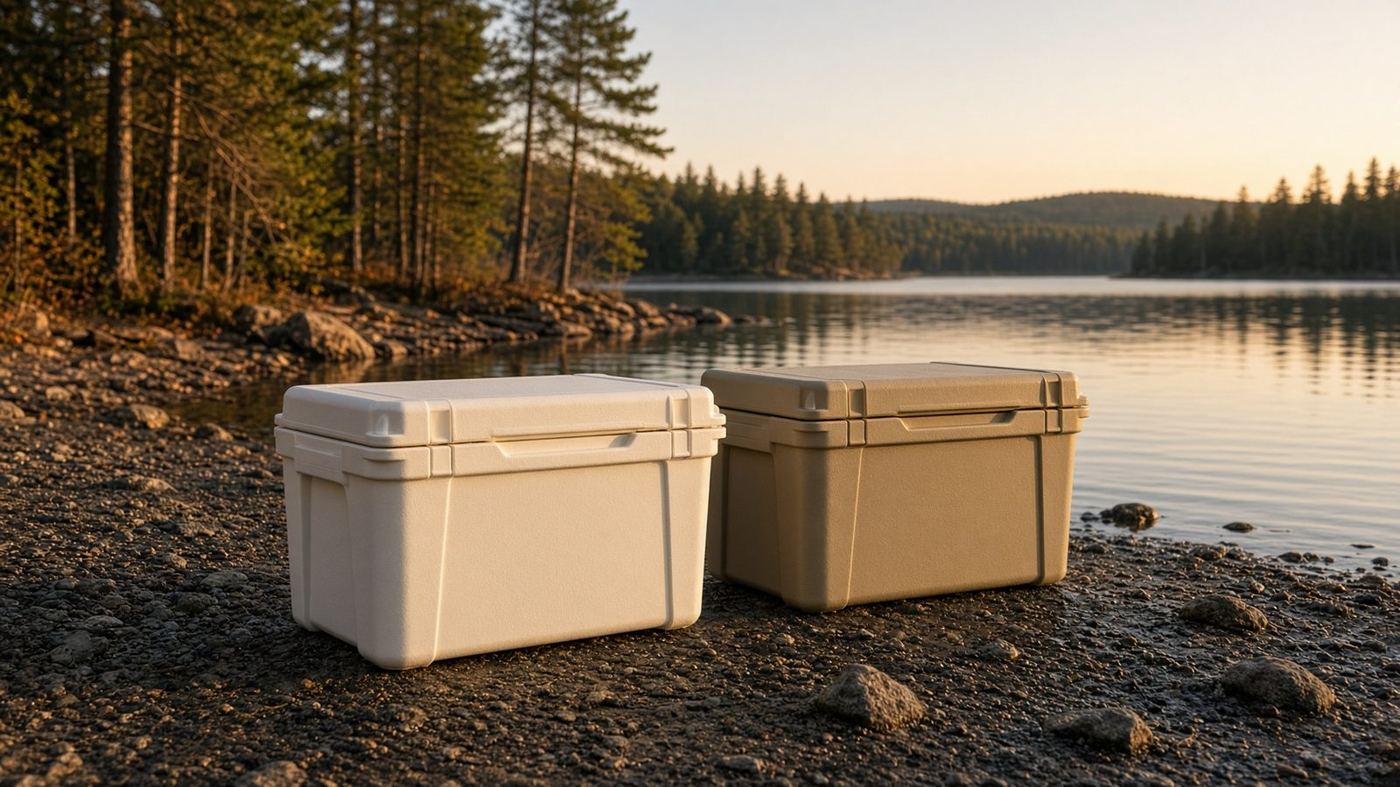
Buy a Grizzly if you want honest quarts and a lifetime warranty. Buy a Yeti Tundra if you need IGBC bear-resistant certification, dealer support, or the T-Rex latch. Ice retention is close enough in camp that packing beats branding.
Key takeaways
- Compare true quarts, not the number on the lid — a Tundra 45 is not 45 quarts.
- Grizzly wins value and warranty; Yeti wins certification and latch feel.
- Pre-chill, use block ice, and stop opening the lid if you want day-four cubes.
- For most weekends, the Grizzly 40 is the box we would spend our own money on.
If you are shopping rotomolded coolers in 2026, the Grizzly vs Yeti question is the one that still stops people at the tailgate. Both boxes will take a beating, hold ice for days, and double as a camp seat. The difference is not whether they work. It is what you are paying for: true quart capacity, warranty length, latch feel, and whether you care about the bear-resistant badge on the lid.
Here is the short version, then the long one. Buy a Grizzly if you want honest quarts, a lifetime warranty, and more cooler for the money. Buy a Yeti Tundra if you want the lightest handling in a given size class, the widest dealer network, and IGBC bear-resistant certification already on the tag. For a mid-size weekend box, we would rather park a Grizzly 40 next to an RTIC 45 than stretch the budget just to say Yeti.
Who should buy Grizzly, and who should buy Yeti?
Match the cooler to the trip, not the sticker. A deer camp in 40-degree nights does not need the same ice budget as a July sandbar. A boat cooler that lives in salt spray has different hardware needs than a truck-bed box that only sees county roads. Grizzly is the better default for most people who actually pack food. Yeti is the better default if you hunt or camp where a ranger or a land manager will ask whether the cooler is certified bear-resistant, or if you already own Yeti accessories and want the same latch language across camp.
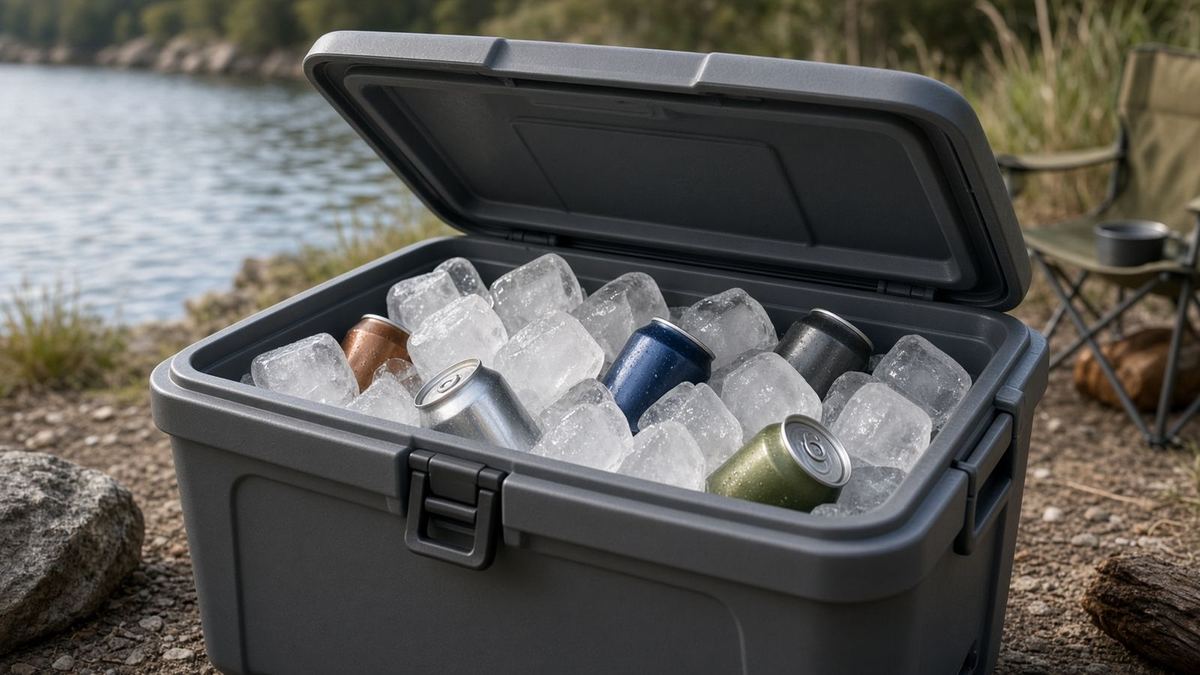
Think in days of ice, not brand loyalty. A properly packed rotomolded 40- to 65-quart cooler, pre-chilled, with a 2:1 ice-to-food ratio and the lid shut, will still have usable ice on day four in moderate weather. In 95-degree truck-bed sun, you will lose a day. Color matters: a white or tan lid runs cooler than charcoal. Drain the melt only when you must. Every extra open is a tax.
How do the two companies actually differ?
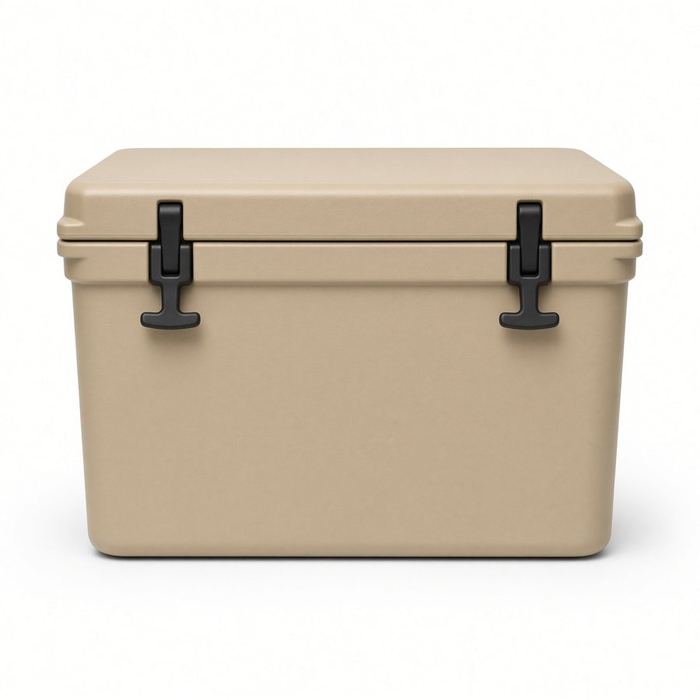
Grizzly is a Rotocast brand out of Decorah, Iowa. The rotomolded line is made in the United States, which is not marketing fluff — it is why the lifetime warranty is not a shrug. Rotocast has been molding plastic for decades. The Grizzly cooler is the consumer face of that process: thick walls, oversized drain, and a rectangular rubber “bear claw” latch that wraps a molded peg. Sizes are honest. A Grizzly 40 is a 40-quart box. A Grizzly 60 is 60.
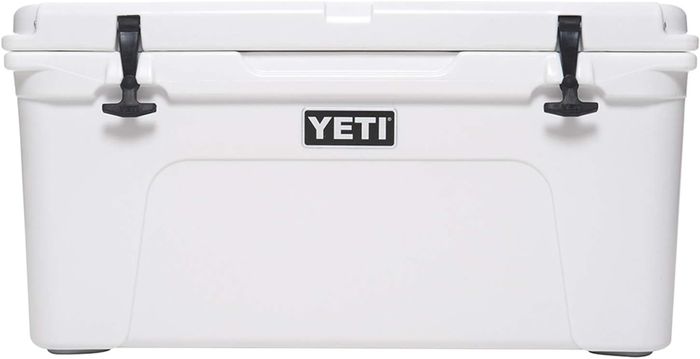
Yeti started in Austin in 2006 and turned a ranch cooler into a lifestyle brand. Tundra coolers are rotomolded with thick polyurethane foam and a freezer-style gasket. The famous T-Rex rubber latches stay put when the lid is up, which sounds minor until you are holding two drinks and a bag of ice. Yeti sizing is the part that still trips people. A Tundra 45 is closer to 38 quarts of usable volume. A Tundra 65 is not 65 quarts. You are paying a premium for a slightly smaller interior than the number on the lid. That is not a defect. It is a naming habit you should price against.
Warranty is the quiet decider. Grizzly’s rotomolded coolers carry a lifetime warranty. Yeti’s Tundra warranty is five years for the original owner, and their service network is excellent. If you keep gear for a decade and actually use the box as a bench, bumper, and step, lifetime coverage is worth real money. If you want a dealer who can swap a latch tomorrow in a coastal town, Yeti still wins the errand.
How do the sizes actually compare?
Compare true volume, empty weight, and how you will move the thing. A cooler that is “45” on the lid but 38 inside is a different shopping trip than a true 40. We treat the Grizzly 40 as the fair fight against the Tundra 45, and the Grizzly 60 against the Tundra 65.
| Matchup | True volume | Empty weight (approx.) | Best use | Our call |
|---|---|---|---|---|
| Grizzly 40 vs Tundra 45 | 40 qt vs ~38 qt | Grizzly a bit heavier | Weekend for two, day boat | Grizzly 40 |
| Grizzly 60 vs Tundra 65 | 60 qt vs ~57 qt | Both need two hands | Four people, multi-day hunt | Grizzly 60 unless you need IGBC |
| Grizzly 20 vs Roadie-class | True 20 vs smaller Yeti day cooler | Carry with one hand | Tailgate, solo day | Toss-up — buy on price |
Weights vary by generation and color. Confirm the current spec on the listing before you order a size you plan to carry far from the truck.
If you boat, also read our marine cooler notes. A box that lives in a skiff wants a drain you can work with wet hands, non-skid feet, and hardware that does not mind salt. Both brands can do that job. Grizzly’s larger drain is the friendlier one when you are trying to dump melt over a gunwale without soaking the deck.
What do you actually get with the Grizzly 40?
The Grizzly 40 is the size we send most people to. It fits a weekend of food for two, or drinks for a sandbar afternoon, without becoming a two-person deadlift. The lid is a seat. The drain is fast. The rubber latches take a learning day and then become muscle memory. It is not as “clicky” as Yeti’s T-Rex balls. It is simpler, and the pegs are part of the molding, so there is less hardware to lose.
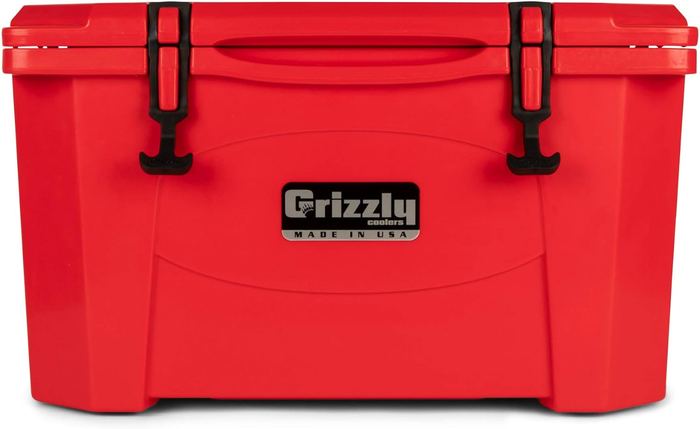
Pack it like this. Pre-chill the empty box overnight with a sacrificial bag of ice. Dump that. Load block ice on the bottom, food in the middle, cubes on top for the drinks you will grab first. Keep the protein low and the condiments high. Do not drain until the ice is gone unless you need the weight. A wet ice bath still cools; an empty, drained box does not.
Where Grizzly loses: the empty weight can surprise you next to a Tundra 45, and the latch is not as tidy when the lid is vertical. Where it wins: you get the quarts you paid for, a lifetime warranty, and a price that usually undercuts the Yeti by enough to buy the extra block ice, a padlock, and lunch.
When is the Yeti Tundra 45 the right cooler?
The Tundra 45 is the cooler people picture when they say Yeti. It is the right call if you want IGBC certification, a latch that stays out of the way, and a box that is slightly easier to slide on a truck liner. It is also the right call if you already live in the Yeti world — Roadie for the boat, Hopper for the walk, Tundra for camp — because replacement parts and knowledge are everywhere.
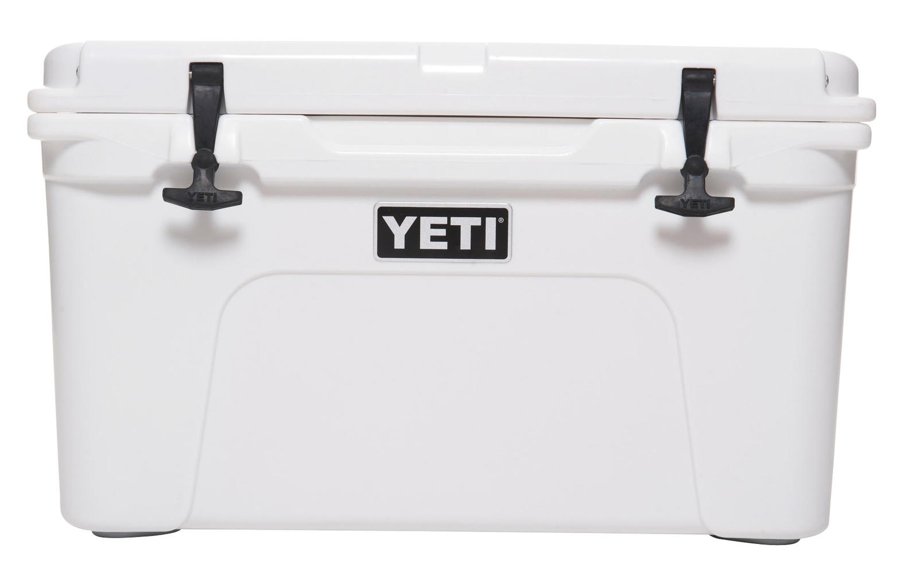
Do not buy it because a neighbor has one. Buy it because you hunt public land that requires a certified bear-resistant cooler, or because you will actually use the five-year warranty through a dealer instead of mailing a box to Iowa. The ice retention in the mid-size Tundras is excellent. Independent tests over the years bounce between Yeti and Grizzly depending on color, starting ice, and whether anyone cheated and opened the lid for a hero photo. In hot, still air, the Tundra 45 often still has cubes when a same-day Grizzly 40 is down to cold water. In real camp use with a lid that opens, the gap shrinks to “both are fine.”
If you need more volume, skip the 45 and look at the Tundra 65 against the Grizzly 60. That is the hunt-camp and family-float size. Two people should lift it. One person should not pretend.
Who actually keeps ice longer?
Ice tests are theater unless you copy the protocol. Same starting ice weight, same food load, same shade, same number of openings, same color if you can get it. Outdoor Empire’s big cooler ice challenge is the honest public version of that, and it is worth watching before you spend four hundred dollars on a logo.
What those tests keep showing: rotomolded premium coolers cluster. Yeti, Grizzly, RTIC, Engel, and a handful of others finish in the same neighborhood. Cheap injection-molded grocery coolers die on day two. The winner among the premium boxes changes with the year and the size. That is why we will not crown a forever champion. We will tell you this: if ice through a long weekend is the job, any of these three brands will do it. If ice through a hot week in a truck bed is the job, buy bigger than you think, pre-chill, use blocks, and stop opening it for a soda every twenty minutes.
Small coolers flip the script. In the 15- to 20-quart class, Grizzly has often beaten Yeti on remaining ice because the Grizzly is a true 20 and the comparable Yeti is not. If you only need a day cooler, that gap is the whole review.
What about latches, durability, and bears?
Yeti’s T-Rex latches are the nicer daily interface. They stay up. They are easy to replace. Grizzly’s bear-claw straps are bombproof and a little fiddly with cold hands. Neither is a reason to skip the brand if the rest of the box fits your trip.
Both lines are rotomolded tanks. People drive over them in ads. You should not. You should expect the lid to take a standing adult, the corners to scar instead of crack, and the gasket to still seal after a season of sand. Lock hasps are standard. A padlock deters a bored stranger. It does not deter a determined one, and it does not replace hanging food in true bear country.
Bear-resistant certification is a paperwork and testing process, not a magic spell. Yeti Tundras in the relevant sizes carry IGBC certification when used with locking hasps as specified. Grizzly also sells certified configurations — read the current spec, because not every color and generation is in the same letter. If a forest order requires a certified cooler, buy the certified SKU. If you are car-camping in a state park with raccoons, a latch that actually stays shut is the real requirement.
Is Yeti worth the extra money?
On the Grizzly 40 vs Tundra 45 matchup, Yeti still asks more money for fewer true quarts. On the 60 vs 65 matchup, the gap is larger. You can spend that difference on ice, a second drain plug, and a cheap backup soft pack for the walk from the truck. Or you can spend it on the badge. We are not going to pretend the badge has no value. It has resale value, parts value, and camp-credit value. It does not make sandwiches colder.
Our pick for most readers remains Grizzly. Lifetime warranty, honest capacity, made in Iowa, close enough on ice that the trip will not notice. Choose Yeti when certification, dealer support, or the latch experience is the actual requirement. If you are still torn between value boxes, read the RTIC vs Yeti breakdown next — RTIC is the other way to stop paying the Yeti tax, with its own latch and warranty tradeoffs.
Last packing notes, because this is where coolers actually fail. Freeze water bottles as extra ice that becomes drinking water. Keep raw meat in a sealed bin so a leak does not flavor the peaches. Park the cooler in shade or under a towel. Do not leave it in a closed truck in July and then write a one-star review. The physics do not care who made the plastic.
Frequently asked questions
Is Grizzly as good as Yeti?
For ice and durability, yes — close enough that trip conditions matter more than the logo. Grizzly gives you true quarts and a lifetime warranty. Yeti gives you slightly nicer latches, a huge dealer network, and easier access to IGBC-certified setups.
Which size should I buy for a weekend?
A true 40-quart class (Grizzly 40 or Yeti Tundra 45) for two people. Step up to the 60/65 class for four people, a hunt camp, or a long float. Measure the truck seat or skiff well before you order.
Does Yeti keep ice longer than Grizzly?
In controlled mid-size tests, Yeti often still has cubes a little longer. In camp use with a lid that opens, both last a long weekend if you pre-chill, use block ice, and stop draining the melt for fun.
Are these coolers bear proof?
Rotomolded coolers can be certified bear-resistant when locked as specified. Yeti Tundras are the easy certified buy. Confirm the current Grizzly SKU if a forest order requires IGBC. A padlock is not a bear strategy by itself.
Should I buy RTIC instead?
If price is the main lever and you do not need bear certification, RTIC is the third box in this fight. Read our RTIC vs Yeti guide for latches, true volume, and warranty.