
Best Bolt-Action Elk Rifles (2026)
Written by John Wren|
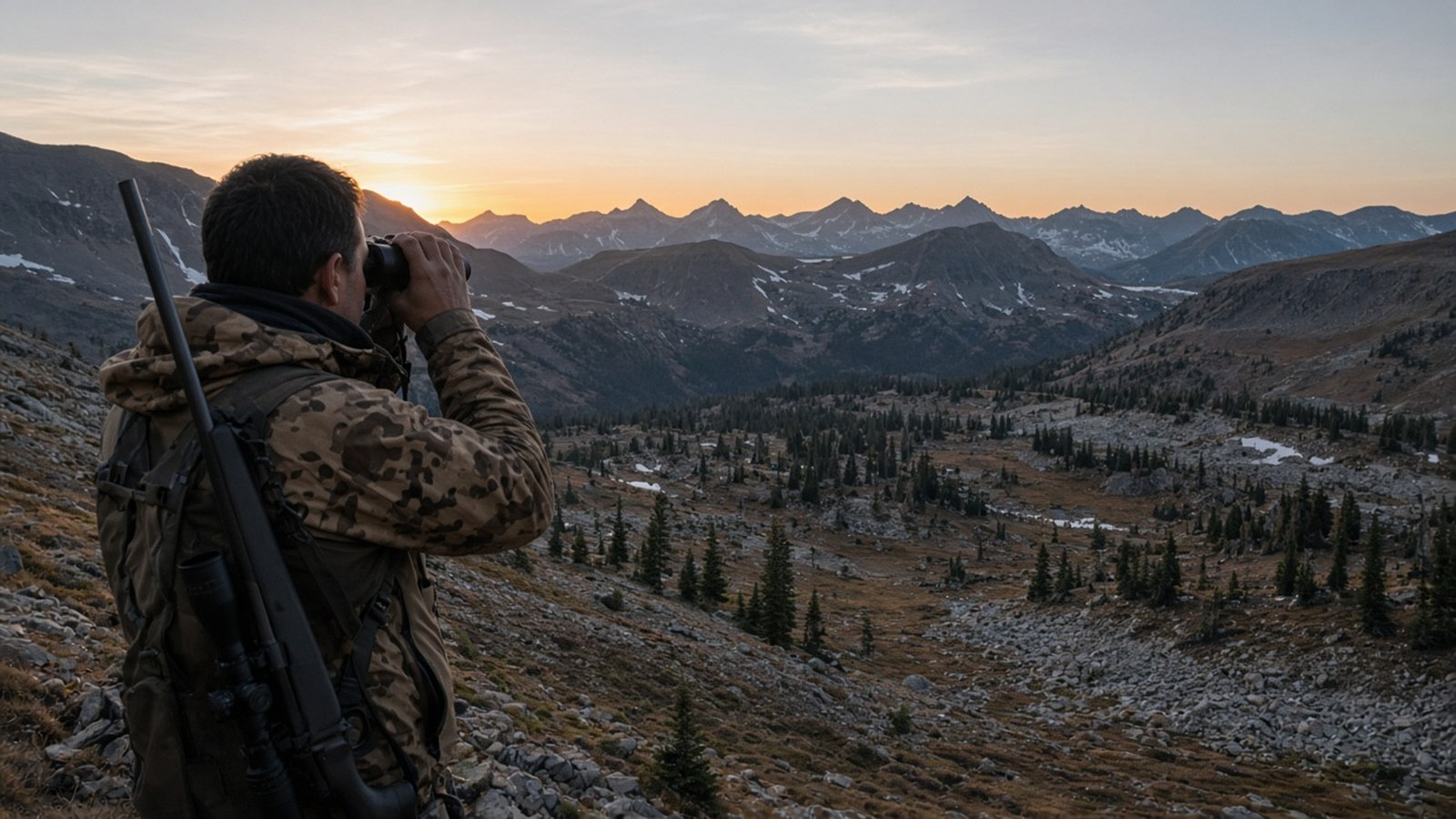
A Tikka T3x or Bergara B-14 in .300 Winchester Magnum or 7mm Remington Magnum covers most elk hunters well. Step up to a Christensen Arms Ridgeline or Kimber Mountain Ascent only for genuine backcountry weight savings. Buy through a licensed dealer, never a marketplace listing.
Key takeaways
- .30-06, .300 Win Mag, and 7mm Rem Mag remain the classic elk calibers.
- Tikka T3x and Bergara B-14 offer proven accuracy at a fair price.
- Christensen Arms and Kimber ultralights earn their premium on backcountry miles.
- Buy only through a licensed dealer with a background check — no marketplace shortcuts.
A bolt-action elk rifle needs three things: a caliber with enough energy to anchor an animal that can weigh 700 pounds on the hoof, a rifle you can carry all day on a mountain hunt without hating it, and reliability you can trust after it has been rained on, dropped in the truck bed, and carried through a week of hard country. In 2026 the honest field is still built around .30-caliber magnums and the 6.5/7mm long-range magnums for flatter trajectory at extended range, in a rifle weighing under eight pounds if you are hunting on foot in real elevation.
Short version. A Tikka T3x or Bergara B-14 in .300 Winchester Magnum or 7mm Remington Magnum is the honest, widely available, well-reviewed choice most elk hunters land on. A Christensen Arms Ridgeline or Kimber Mountain Ascent in the same calibers is the lighter, pricier option if you are counting ounces on a backcountry hunt. Buy from a licensed firearms dealer or directly from the manufacturer — never a marketplace listing without a background check and a real paper trail. Pair with a scope built for the same range you will actually shoot and a pack sized for a real elk hunt.
This page names real manufacturers and models. There are no Amazon links here, and there should not be: rifles are sold through licensed dealers with a background check, not a marketplace cart. Every link below goes to the manufacturer or a licensed retailer's actual product page.
Caliber: what actually anchors an elk
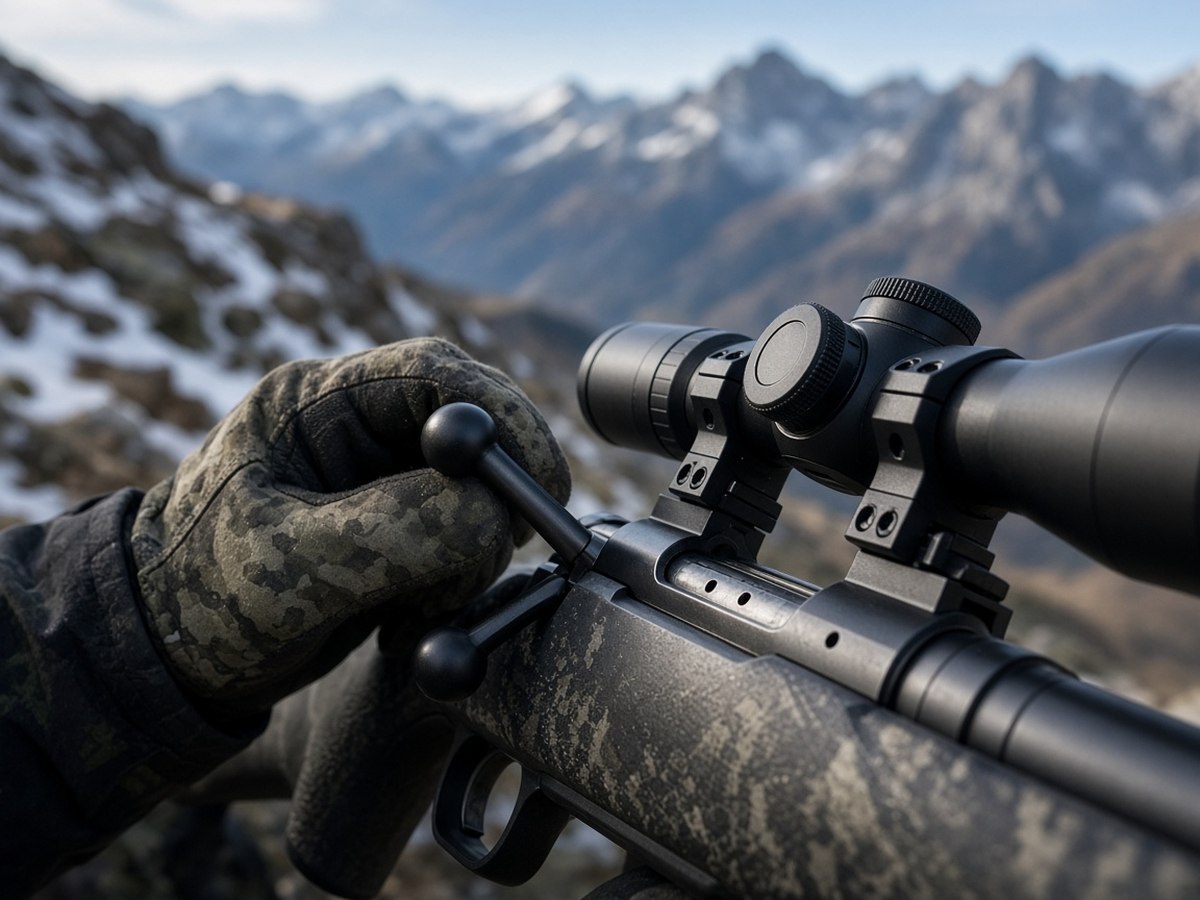
Elk are considerably larger and tougher than deer, and a marginal deer caliber pushed to its limits is not the right tool. The classic, still-excellent elk calibers are .30-06 Springfield, .300 Winchester Magnum, and 7mm Remington Magnum — all of which deliver enough energy at realistic hunting ranges with premium controlled-expansion bullets to reliably take elk with correct shot placement. Newer options like 6.5 PRC and 7mm PRC have gained real ground for their flatter trajectories and manageable recoil, especially for hunters who will take longer shots in open country.
Do not oversize the caliber past what you can shoot accurately and comfortably. A hunter who flinches through a .338 Winchester Magnum and puts a bad shot on an animal has made a worse choice than a hunter who places a clean shot with a well-managed .30-06. Recoil management, not raw case capacity, is what actually kills elk cleanly.
Tikka T3x — the widely trusted factory rifle
The Tikka T3x line has built a strong reputation among elk hunters for consistent factory accuracy, a smooth action, and a price point well below many competitors while matching or beating their out-of-box performance. The T3x Lite and Compact Tactical Rifle models chambered in .300 Winchester Magnum or 7mm Remington Magnum are common, well-proven choices for elk hunters who want a rifle that shoots well without a custom gunsmith bill.
Find current T3x models and specifications at tikka.fi, and check inventory and pricing with a licensed dealer near you or a major retailer like Sportsman's Warehouse or Cabelas. All firearm purchases require an in-person transfer through a licensed dealer and a completed background check, regardless of where you research or price the rifle.
Bergara B-14 — accuracy at a fair price
Bergara built its reputation on barrel manufacturing before becoming a full rifle maker, and that shows in the B-14 line's consistent, often sub-MOA accuracy out of the box. The B-14 Ridge and Hunter models in .300 Winchester Magnum or 6.5 PRC are strong choices for elk hunters who want genuine long-range capability without stepping up to a full custom rifle price.
Check current models and specs at bergara.online. As with any bolt-action rifle purchase, buy through a licensed dealer who will run the required background check and handle the transfer paperwork correctly.
Christensen Arms Ridgeline — lightweight for backcountry miles
If you are hunting elk on foot in genuinely steep, remote country, the weight of your rifle matters over a ten-mile day in a way it simply does not on a rifle you carry from a truck to a stand. The Christensen Arms Ridgeline uses a carbon-fiber-wrapped barrel and a lightweight action to bring total rifle weight well under seven pounds in most chamberings, without sacrificing the accuracy a mountain hunt demands for a longer, more deliberate shot.
Explore current Ridgeline models at christensenarms.com. The weight savings come at a real price premium over a Tikka or Bergara, which is the honest trade-off: pay more to carry less, or carry a bit more rifle for meaningfully less money.
Kimber Mountain Ascent — the ultralight specialist
Kimber's Mountain Ascent line pushes ultralight rifle design further still, built specifically for hunters who count every ounce on a backcountry sheep, goat, or elk hunt where the rifle spends most of its time on your back rather than in your hands. That weight savings comes with a felt-recoil cost in the harder-hitting magnum chamberings — practice with your actual hunting load before the season, because a rifle this light in .300 Winchester Magnum kicks noticeably harder than the same cartridge in a heavier rifle.
Find current Mountain Ascent specifications at kimberamerica.com. A muzzle brake is worth considering on an ultralight magnum rifle if recoil becomes a genuine accuracy problem in practice, accepting the trade-off of increased muzzle blast for you and anyone standing nearby.
Weatherby Mark V Backcountry — flat-shooting proprietary options
Weatherby's Mark V Backcountry line pairs a lightweight, weather-resistant build with Weatherby's proprietary high-velocity cartridges alongside standard chamberings, appealing to hunters who want the flattest practical trajectory available for longer shots in open western elk country. The trade-off with a proprietary Weatherby cartridge is ammunition availability and cost compared to a standard chambering like .300 Winchester Magnum, which is stocked at nearly every sporting goods counter in elk country.
Review current Mark V Backcountry models at weatherby.com. If you hunt far from home and might need to replace ammunition on the road, weigh that availability question seriously against the ballistic advantage of a proprietary cartridge.
Buying through a licensed dealer, not a shortcut
Every rifle named on this page is sold through a Federal Firearms License holder, and that is not optional friction — it is the correct, legal, and safe way to buy a rifle. Price and compare online through manufacturer sites and major retailers, then complete the actual purchase and background check through a licensed dealer, either locally or via a transfer to your local FFL if you buy from an online retailer that ships to a dealer rather than directly to you.
Do not buy a used rifle through an unverified private listing without a proper transfer through a licensed dealer in states where that is required, and always confirm your state and local laws on rifle purchases, magazine capacity, and caliber restrictions before you buy, since these vary meaningfully by state.
Match the scope and ammunition to the rifle, not the other way around
A great elk rifle with a poorly matched scope or the wrong ammunition will underperform a more modest rifle set up correctly. A rifle scope built for the ranges you actually hunt — a lower-power variable for timber, a higher-magnification long-range optic for open country — matters as much as the rifle choice itself. Buy premium controlled-expansion hunting ammunition specifically loaded for elk-sized game rather than a lighter, cup-and-core bullet built for deer, and confirm your specific rifle's zero with the exact ammunition you plan to hunt with, not a different load you happened to have on hand at the range.
Practice with the rifle you will actually hunt with
The best elk rifle on paper is worthless if you have not put real rounds downrange with the exact load you plan to hunt with. Zero your rifle at the range, but do not stop there — practice from field positions you will actually use on a hunt: off a pack, prone with a bipod, kneeling behind a rock, and standing offhand for the close, fast shots that timber hunts often demand. A rifle that shoots a beautiful group off a bench and a hunter who has never fired it from a real field position is a mismatch that shows up at the worst possible moment.
Confirm your zero and point of impact shift, if any, across the realistic temperature range you will hunt in — a rifle zeroed on a warm September range day can shoot slightly differently on a 20-degree October morning at elevation. Serious elk hunters re-check zero the week before a hunt, not just once at the start of the season, since scope mounts can shift slightly from travel and rough handling in a truck or on a pack frame.
Shot placement and ethical range limits
No rifle or caliber substitutes for correct shot placement. A well-placed shot from a modest .30-06 kills faster and cleaner than a poorly placed shot from the flattest-shooting magnum on this list. Know your own honest maximum effective range — the distance at which you can consistently place a shot in a vital-zone-sized target under field conditions, not just from a steady bench — and do not take a shot beyond that range regardless of what the rifle and cartridge are theoretically capable of.
Elk are considerably larger than deer, and a marginal hit that would anchor a whitetail can result in a long, difficult tracking job on an elk. Prioritize a broadside or quartering-away shot angle that gives you access to both lungs, and pass on a marginal angle or a longer shot than your practiced range, even if it means going home without a tag filled that season.
Buying used, and the FFL transfer process
A used rifle from a reputable dealer can be an excellent value, particularly for a Tikka or Bergara where used prices often run meaningfully below new retail while the rifle's accuracy and function remain essentially unchanged. Buy used rifles through a licensed dealer's consignment counter rather than an unverified private sale, so the transfer, background check, and any applicable state paperwork happen correctly and legally.
If you buy a rifle online from a retailer or manufacturer that ships to a dealer rather than directly to your door, budget for a transfer fee at your local FFL — typically a modest cost that is well worth the legal, documented chain of ownership it provides. Ask your local dealer about their transfer process and fee before you buy online, so there are no surprises when the rifle arrives.
| Rifle | Best job | Watch-out |
|---|---|---|
| Tikka T3x | Reliable factory accuracy at a fair price | Not the lightest option for steep backcountry |
| Bergara B-14 | Sub-MOA accuracy, strong barrel pedigree | Check specific model weight before a mountain hunt |
| Christensen Arms Ridgeline | Genuinely lightweight for backcountry miles | Real price premium over Tikka or Bergara |
| Kimber Mountain Ascent | Ultralight for sheep, goat, and elk backcountry hunts | Noticeably more felt recoil in magnum chamberings |
| Weatherby Mark V Backcountry | Flattest trajectory with proprietary high-velocity loads | Ammunition availability for proprietary cartridges |
Our pick: a Tikka T3x or Bergara B-14 in .300 Winchester Magnum or 7mm Remington Magnum covers the overwhelming majority of elk hunters at a fair price with proven accuracy. Step up to a Christensen Arms or Kimber ultralight only if you genuinely need every ounce for a backcountry pack-in hunt. Buy through a licensed dealer, and match your scope and ammunition to the rifle before the season, not the week before.
Frequently asked questions
What is the best caliber for elk hunting?
.30-06 Springfield, .300 Winchester Magnum, and 7mm Remington Magnum are the classic, still-excellent elk calibers. Newer 6.5 PRC and 7mm PRC options offer flatter trajectories for open-country shots.
What is the best lightweight rifle for a backcountry elk hunt?
The Christensen Arms Ridgeline and Kimber Mountain Ascent are built specifically for hunters counting ounces on steep, remote terrain, at a real price premium over a standard factory rifle.
Is a Tikka T3x good enough for elk?
Yes. The T3x is widely trusted for consistent factory accuracy in elk-appropriate calibers like .300 Winchester Magnum and 7mm Remington Magnum, at a price well below many competitors.
Can I buy an elk rifle on Amazon?
No. Rifles are sold through licensed firearms dealers with a background check and a legal transfer, not through a marketplace cart. Buy directly from the manufacturer's dealer network or a licensed retailer.
Do I need a muzzle brake on an elk rifle?
Not always, but it is worth considering on an ultralight magnum rifle if felt recoil is affecting your accuracy in practice. The trade-off is increased muzzle blast.
How much should I spend on an elk rifle?
A Tikka T3x or Bergara B-14 covers most elk hunters well at a moderate price. Spend more only if you specifically need the weight savings of a Christensen Arms or Kimber ultralight for a backcountry pack-in hunt.