
Why Spring Is the Best Time for Women Anglers to Gear Up
Written by John Wren|
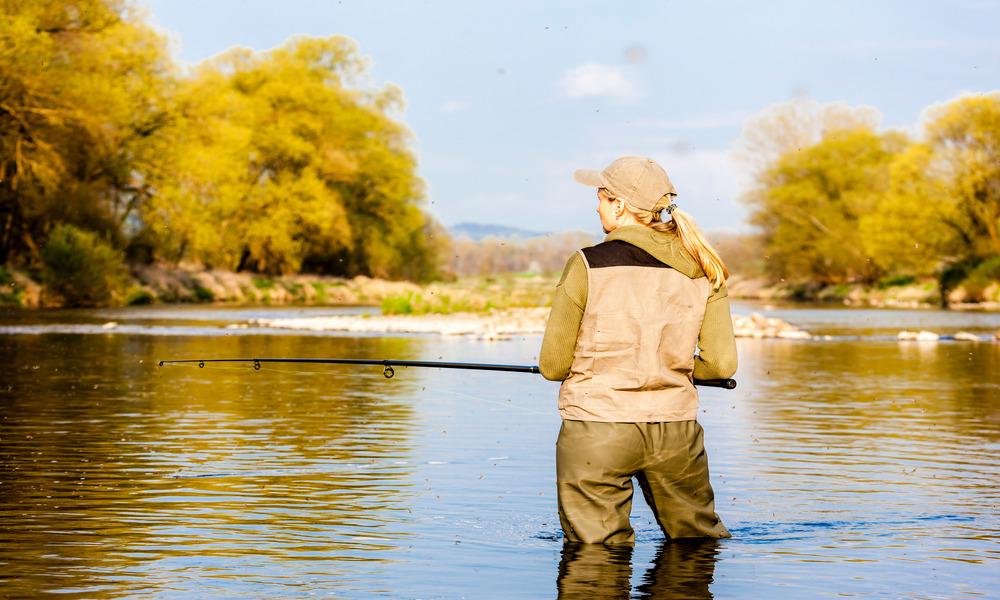
Buy in spring for the widest selection and best promotions, and prioritize genuine fit — waders, wading boots, and outerwear built around women's proportions — over gendered marketing labels. Try gear on with your real intended layers and socks before committing.
Key takeaways
- Spring offers the widest gear selection and best promotions of the year.
- Wader and boot fit affects comfort, mobility, and safety significantly.
- Rod weight should match your target species, not gendered marketing.
- Build a gear collection over time as real fishing experience guides you.
Spring is genuinely the best season for women anglers to invest in properly fitted gear, since it is when fish activity picks up after winter, tackle shops and manufacturers refresh inventory with new season lines, and there is a full season ahead to actually use and break in new equipment rather than buying at the tail end of a season with limited time to enjoy it. The short answer: prioritize properly sized rods, waders, and outerwear built for a woman's proportions rather than a unisex or scaled-down men's product, since fit genuinely affects both comfort and casting mechanics.
Short version. Spring stocking and new product releases mean the best selection of the year is available now, not in the fall clearance season. Properly fitted waders and wading boots matter enormously for comfort and safety, and women-specific sizing has improved significantly in recent years compared to the scaled-down men's gear that used to be the only option. A rod and reel sized to your actual casting style and target species matters more than buying whatever is marketed as a "women's" version by default.
Why spring timing matters for gear shopping specifically
Spring is when most fishing tackle manufacturers release new season lines and retailers restock inventory after a quieter winter season, which means the widest selection of sizes, colors, and specific models is available now rather than later in the season when popular items sell out and are not restocked until the following year. Buying in spring also means you have the entire fishing season ahead to actually use and enjoy new gear, rather than purchasing at the tail end of a season with limited opportunity to fish before winter arrives again.
Many retailers also run genuine spring promotions tied to new season launches, which can make this timing financially advantageous in addition to the selection benefits, particularly for larger purchases like waders or a rod and reel combo where waiting for the right sale timing can represent real savings.
Why fit matters more than most anglers realize
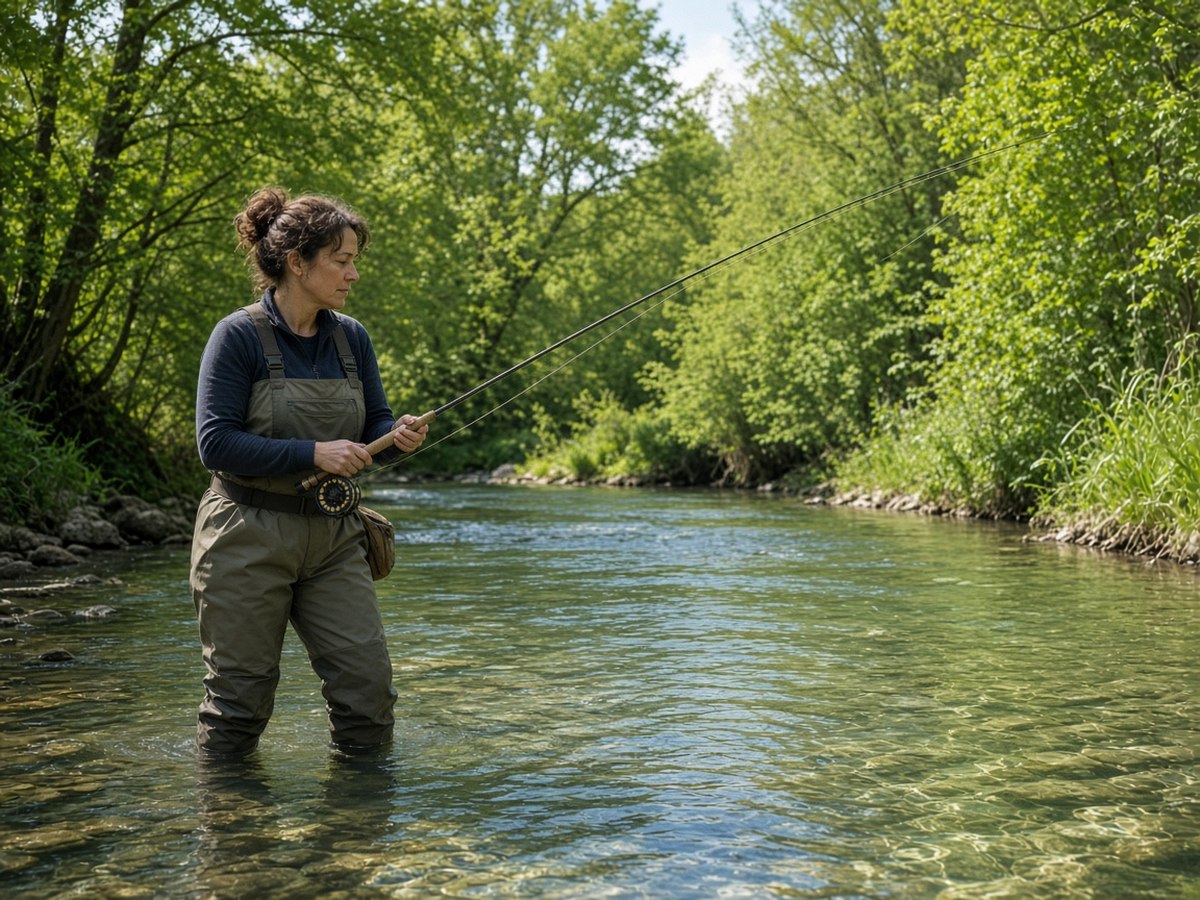
Waders, wading boots, and technical outerwear designed around women's proportions — different torso-to-leg ratios, hip and shoulder proportions, and overall sizing curves compared to men's gear — fit fundamentally differently than a simply scaled-down men's product, affecting comfort, mobility, and even safety during long days on the water. Ill-fitting waders in particular can cause real discomfort and even safety issues, since excess material can catch on brush or rocks and poor fit around the boot area affects stability while wading.
The fishing gear industry has made genuine progress in recent years offering properly designed women's-specific sizing rather than the scaled-down men's products that were often the only option in the past, and trying on gear in person when possible, rather than relying solely on size charts, remains the best way to confirm genuine fit before committing to a purchase.
Choosing a rod and reel matched to your actual casting style
A rod's weight and action should match your target species and casting style, not a marketing label suggesting it is designed "for women" — a 5-weight fly rod remains the honest default for most trout fishing regardless of the angler's gender, and spinning or baitcasting rod weight should similarly match the target species and lure or bait weight you plan to use rather than any gendered marketing consideration.
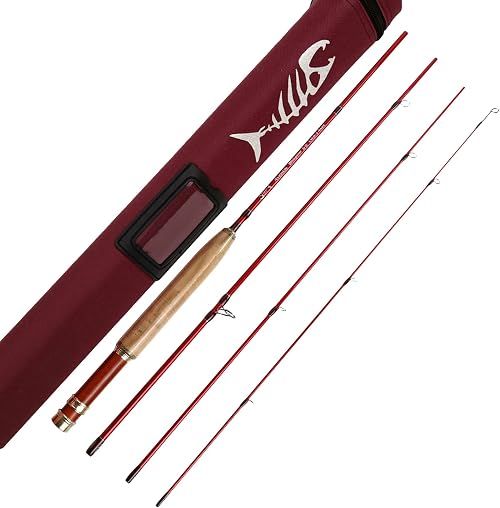
What genuinely does vary by individual, regardless of gender, is grip circumference and rod length relative to your own height and arm length, both of which affect casting comfort and mechanics meaningfully. Test-casting a rod before buying, or at minimum reading detailed reviews from anglers with a similar build and casting style to your own, helps confirm a good match beyond generic weight and action specifications alone.
Waders and wading boots: where fit differences matter most
Wader fit differences between men's and women's designs are often most pronounced in the torso length and hip proportions, and a poorly fitted wader in these areas creates genuine discomfort and can affect mobility during a long day of wading. Try waders on with the actual layers you plan to wear underneath during real fishing conditions, not just a t-shirt in a warm shop, since the fit you need with proper layering can differ meaningfully from how the same wader feels in a quick, lightly dressed try-on.
Wading boots should be sized to accommodate the specific socks and any liner you plan to wear while wading, and a boot that fits perfectly with thin socks may feel cramped and uncomfortable with the wool wading socks most cold-water anglers actually use, so try on boots with your real intended sock system rather than whatever you happen to be wearing that day.
Building a spring fly and lure selection
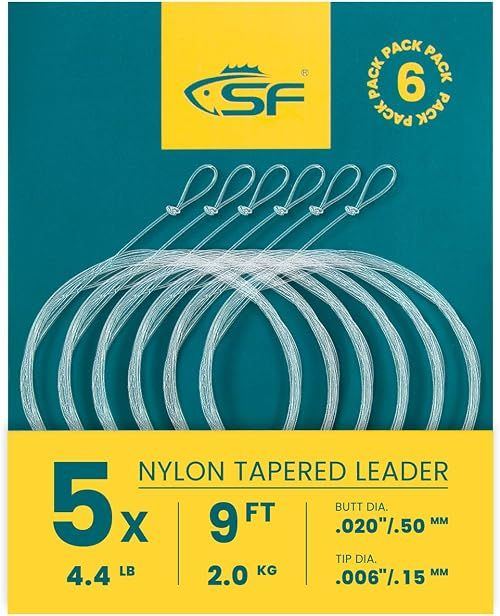
Spring fishing often means transitioning fly and lure selection away from winter patterns toward the insects and baitfish activity that pick up as water temperatures rise, making spring a genuinely good time to refresh your fly box or tackle selection alongside any apparel and equipment purchases. A well-rounded trout fly assortment covering both nymphs for subsurface fishing and a selection of dry flies for when surface activity picks up gives you flexibility across the range of conditions spring fishing typically presents.
Finding community and mentorship as a woman angler
Women-specific fishing clinics, clubs, and online communities have grown significantly in recent years, offering a genuinely supportive environment for building skills, getting gear recommendations from anglers with similar body types and casting mechanics, and finding fishing partners for outings. Seeking out this kind of community, particularly if you are newer to fishing or feel that mainstream fishing culture and marketing has not historically addressed your specific needs well, can meaningfully improve both your skill development and overall enjoyment of the sport.
Building a gear collection over time rather than all at once
Prioritize the highest-impact purchases first — a properly fitted rod and reel matched to your target species, and quality waders if wet wading is part of your fishing style — before smaller accessories and specialty gear that matter less to overall comfort and success. Spreading gear purchases across a season or even multiple seasons, rather than attempting to buy a complete outfit all at once, also lets you learn what you actually need through real fishing experience rather than guessing at a complete kit before you have logged meaningful time on the water.
Layering for spring's unpredictable temperature swings
Spring fishing often means dressing for a cold morning start that warms considerably by midday, requiring genuine layering flexibility rather than a single heavy or light outfit choice. A moisture-wicking base layer, an insulating mid-layer that can come off as the day warms, and a breathable, waterproof outer shell handle the temperature range spring fishing typically presents, and layers designed around women's proportions fit and function better under waders than oversized men's layers that bunch uncomfortably.
Pack extra layers beyond what the morning forecast suggests, since spring weather is notoriously changeable, and a sudden cold front or rain shower can turn a comfortable morning into a genuinely uncomfortable afternoon without adequate backup layers in your pack.
Organizing tackle and gear for a season of use
A well-organized tackle bag or vest, sized appropriately to fit comfortably rather than a bulky men's design that hangs awkwardly, makes a genuine difference in how enjoyable a full day of fishing feels. Look specifically for vests and packs with adjustable straps and a chest and back panel shaped for a woman's proportions, since an ill-fitting pack can cause real discomfort and even minor injury from straps digging in over a long day on the water.
Sun protection deserves real consideration for spring fishing
Spring sun exposure is easy to underestimate, since cooler temperatures can mask the real UV intensity of a clear spring day on open water, where sun reflects off the water's surface in addition to direct exposure. Sun-protective clothing designed for fishing, along with a quality hat and polarized sunglasses that also help you spot fish and read water conditions, are worth prioritizing alongside more obviously exciting gear purchases like a new rod or reel.
Building confidence through properly fitted gear
Gear that fits and functions correctly builds genuine confidence on the water, removing the distraction of constant readjustment or discomfort that ill-fitting equipment causes, and letting you focus entirely on reading water, casting accurately, and actually enjoying the fishing itself. This confidence factor is a real, if less commonly discussed, benefit of investing in properly fitted gear specifically, beyond the more obvious comfort and performance arguments already covered.
| Gear category | Why fit matters | Spring advantage |
|---|---|---|
| Waders | Torso and hip proportions affect comfort and mobility | Best selection of the year, spring promotions common |
| Rod and reel | Grip and length matter more than gendered marketing | Full season ahead to break in and enjoy |
| Wading boots | Fit depends on actual sock system used | New inventory means widest size range available |
Our take: spring's combination of new inventory, promotions, and a full season ahead makes it the best time to invest in properly fitted gear. Prioritize genuine fit over gendered marketing labels, and try gear on with your real intended layers and socks before committing.
Researching before you buy, not just relying on marketing
Read detailed reviews specifically from other women anglers with a similar body type and fishing style before committing to a significant purchase, since these reviews often surface genuine fit and function insights that a manufacturer's marketing copy or generic size chart cannot capture. Online women's fishing communities and forums are a genuinely useful resource for this kind of practical, experience-based research before a purchase, particularly for items like waders and wading boots where fit varies so significantly between brands and individual body types.
Supporting local shops that understand fit
A local fly shop or tackle store with knowledgeable staff who take fit seriously, rather than simply pointing you toward the "women's section" without real fitting guidance, is worth seeking out and supporting even if online prices are occasionally slightly lower. The value of trying gear on in person with hands-on guidance from someone who understands the specific fit considerations discussed throughout this piece often outweighs a modest price difference, particularly for higher-stakes purchases like waders where a poor fit is a genuinely expensive and frustrating mistake to discover only after you are already on the water. A good local shop relationship also pays off across many future seasons, not just the current purchase. That relationship becomes especially valuable as your skills and gear needs evolve over multiple seasons of fishing. Treat it as an investment in your fishing future, not just a single transaction.
Frequently asked questions
Why should I buy fishing gear in spring specifically?
Spring is when manufacturers release new season lines and retailers restock, offering the widest selection of the year, plus a full season ahead to actually use and enjoy new gear.
Do women really need different-fitting fishing gear?
Yes, particularly for waders, wading boots, and technical outerwear, where different torso-to-leg ratios and hip and shoulder proportions genuinely affect fit, comfort, and mobility.
What rod weight should a beginner fly angler start with?
A 5-weight fly rod is the honest default for most trout fishing regardless of gender. Grip circumference and rod length relative to your height matter more than gendered marketing.
How should I try on waders before buying?
Try them on with the actual layers you plan to wear while fishing, not just a light shirt in a warm shop, since fit can change meaningfully with real layering.
Should I buy a complete fishing outfit all at once?
No, prioritize a properly fitted rod, reel, and waders first, then build out accessories over time as you learn what you actually need through real fishing experience.
Are there fishing communities specifically for women anglers?
Yes, women-specific clinics, clubs, and online communities have grown significantly, offering support, gear recommendations, and fishing partners in a welcoming environment.