
Wheeler F.A.T. Wrench 710909 vs Fix It Sticks
Written by John Wren|
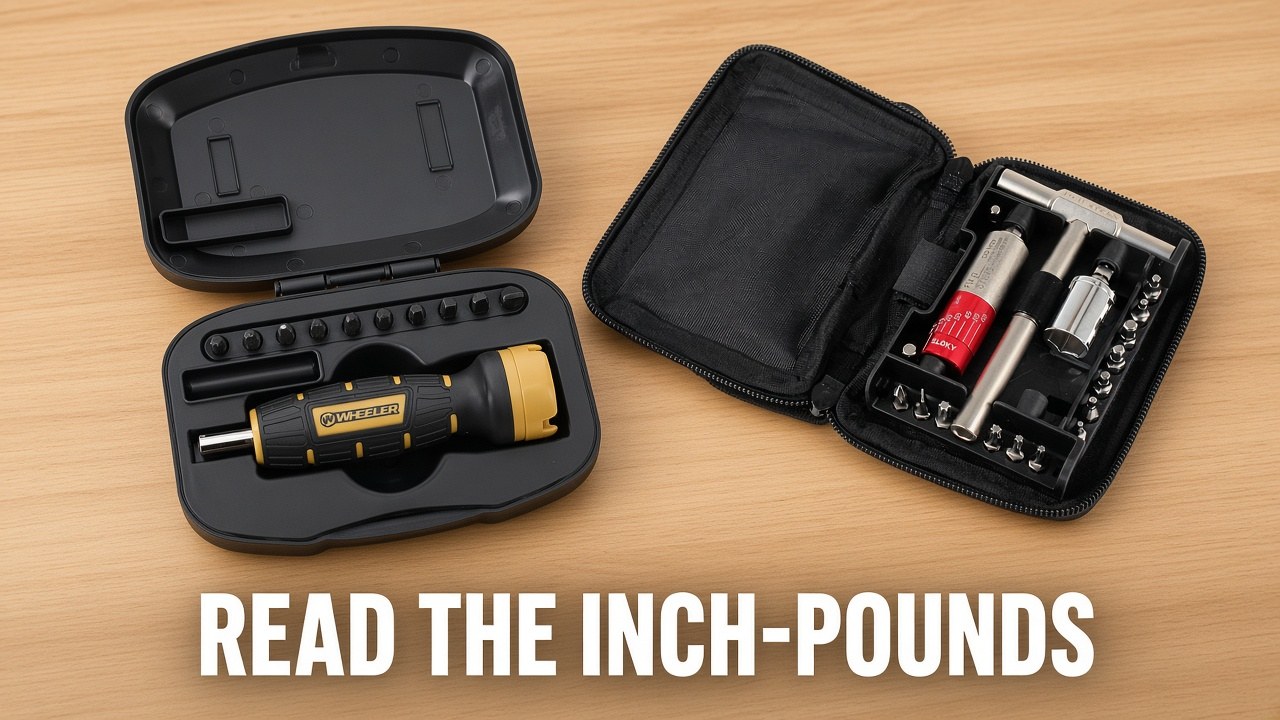
Choose Wheeler model 710909, UPC 661120109099, for the digital torque wrench with an LCD, a tone, and a 15 to 100 inch-pound range, plus the bit case. Choose the Fix It Sticks kit when the tool has to live in a range bag and the screws you care about sit inside the band printed on that kit. The firearm and the ammunition stay at a licensed dealer.
Key takeaways
- 710909 is the digital F.A.T. Wrench, 15 to 100 inch-pounds.
- UPC 661120109099 is the barcode on that Wheeler model.
- The Fix It Sticks kit belongs in the range bag. Read its inch-pound band.
- Neither listing is a firearm or ammunition.
The Wheeler F.A.T. Wrench is the better tool on a bench, where you set one torque value and work through a rifle’s screws with the bits standing in a case. The Fix It Sticks 15–65 in-lb kit is the better tool in a range bag, where you want a limiter you can throw in with a couple of bits and not think about a display. Both are inch-pound torque tools for optics, rings, and action screws. Neither is a gun, and this piece does not sell guns or ammunition.
A scope that walks, a rail that loosens, or a base screw that was cranked down with a pocket screwdriver are the usual reasons people buy one of these. Firearms live with small fasteners and published torque values. Guessing those values with a driver from the kitchen drawer is how rings get marred and how bases end up either loose or crushed. A torque tool is the boring purchase that keeps the rest of the setup honest.
If you are buying the rifle itself, buy it from a licensed dealer. Amazon is the right counter for these tools. It is not the counter for the firearm or the ammunition that goes with it.
How each tool applies torque
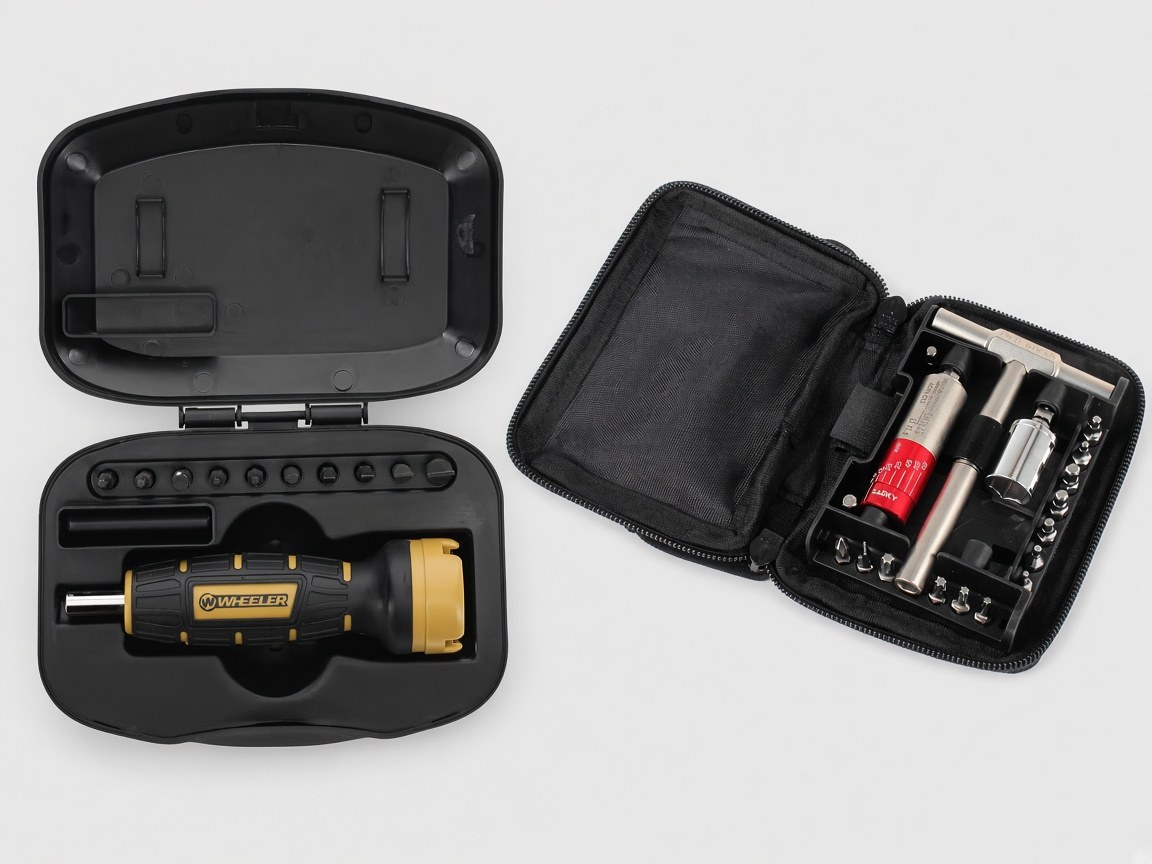
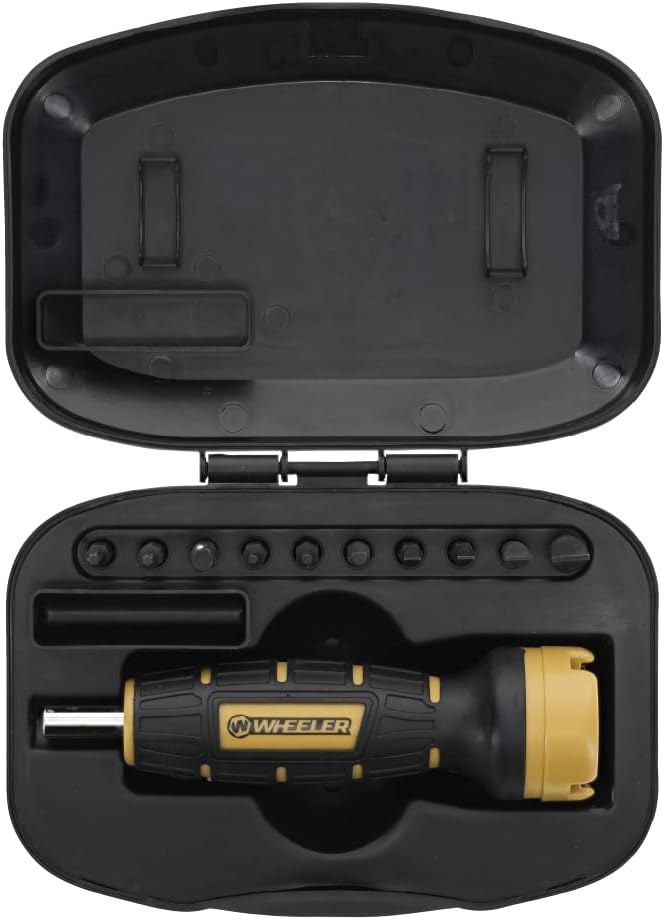
Model 710909 is the digital F.A.T. Wrench, not the older click handle that jumps in five-inch-pound steps. Wheeler’s sheet for 710909 puts the range at 15 to 100 inch-pounds, with an LCD, an audible tone, and a visual indicator when you hit the number you set. UPC 661120109099 is the barcode on that model. The bits in the kit are the Torx and hex sizes that show up on rings, bases, and many action screws, in S2 steel. You set the value on the display, keep the driver in line with the screw, and stop when it tells you. A low battery makes the display a liar. Change the cell before a mount job, not during one.
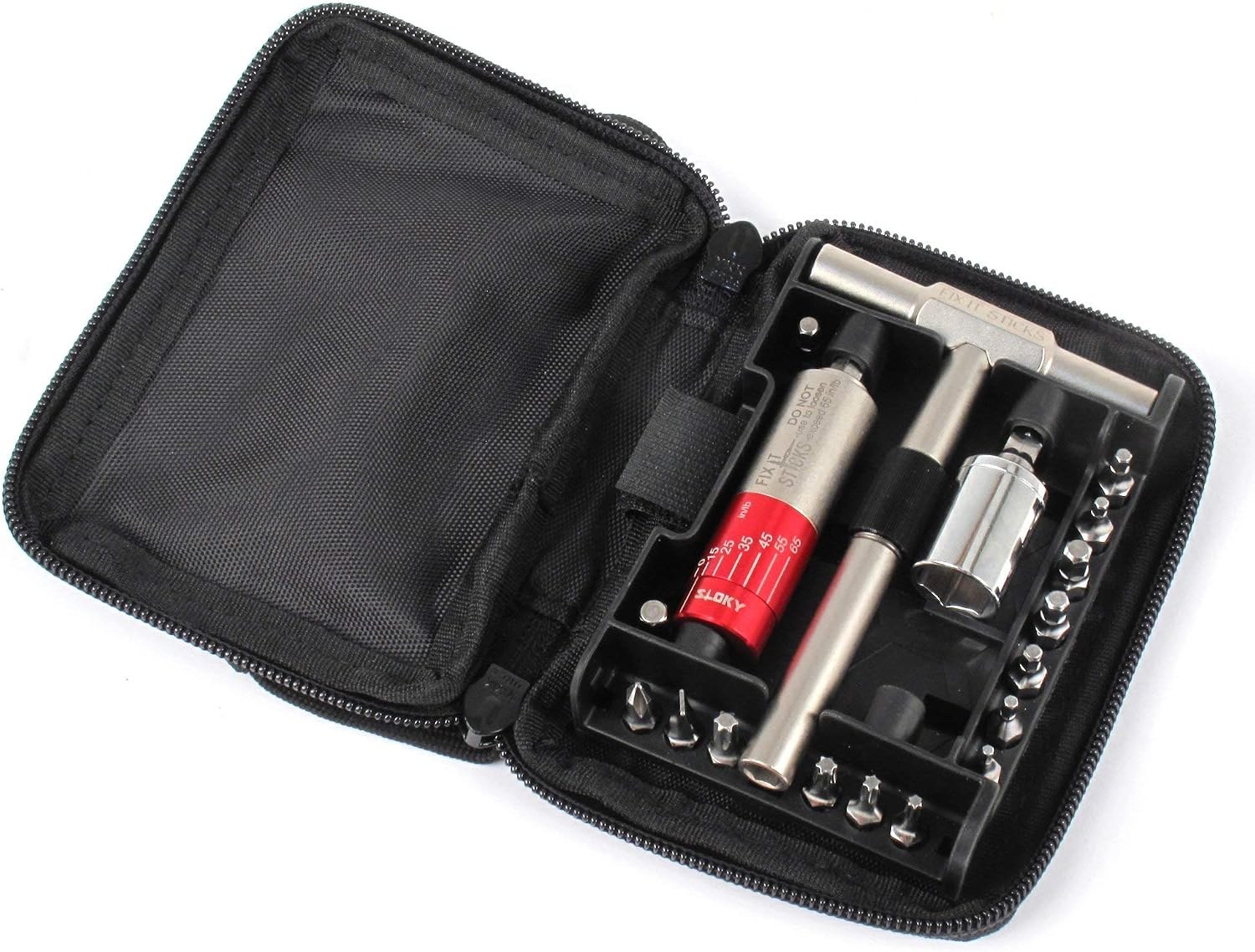
Fix It Sticks uses a different idea. The limiter is a separate piece you put on a driver, preset or marked for an inch-pound band, and you swap bits on the end. Read the band printed on the Fix It Sticks card in your hand before you assume it covers every screw on the rifle. You are not setting an LCD between every screw. You pick the limiter that matches the job and stop when it clicks. The tools pack into a small pouch. That is the point. A range bag does not have room for the Wheeler case, and a display you cannot read in bad light is a display you will mis-set.
The numbers that matter
Most scope-ring screws from the common makers land somewhere between about 15 and 25 inch-pounds. Action screws and some rail clamps sit higher, often in the 30- to 65-inch-pound band, and a few factory specs go higher still. Read the maker’s sheet for the rings and the rifle you actually own. Do not inherit a number from a forum post about a different mount.
The Wheeler wrench is useful across that spread because you set the value yourself, inside the wrench’s range. The Fix It Sticks 15–65 kit covers the same everyday band: ring screws on the low end, many rail and action screws on the high end. If your spec is above 65 inch-pounds, this particular kit is the wrong limiter and you need the next range up, not more muscle on this one. If your spec is under 15, you are in the territory of small optic screws and you should confirm the tool will click before the screw is already too tight. A limiter that starts at 15 does not protect a 8-inch-pound screw.
Bits, fit, and the screws you will ruin
A torque tool with the wrong bit is a rounded screw and a confident feeling that you did it right. Both kits ship with bits sized for the fasteners on modern rings and bases. Match the bit to the recess until it seats fully. A Torx bit that “almost” fits is the one that cams out. Replace a worn bit. They are cheap compared with a screw you have to drill.
Hold the driver in line with the screw. A torque wrench used at an angle lies about the torque and levers the bit against the recess. On a bench, the Wheeler’s longer handle makes that alignment easy. In a bag, the Fix It Sticks T-handle is shorter and you have to pay attention, especially on a rail screw tucked under a turret.
Do not use either tool as a breaker bar. If a screw will not start, stop. A drop of the proper oil and a correctly fitting bit solve more stuck screws than a harder twist. These tools are for final torque, not for extracting a screw someone else glued in with thread locker you were not supposed to use.
Where each one lives
Keep the F.A.T. Wrench at the bench where you mount optics, check rings after the first range trip, and torque action screws when you pull a stock. It is the tool you will actually use for a full mount job because the bits are all there and the display is in front of you. It is a poor travel tool. The case is bulk you will leave at home, and then you will be back to guessing at the range.
Keep the Fix It Sticks kit in the range bag. A loose ring at the firing line is a two-minute fix if the limiter and the right bit are in the pouch, and a ruined afternoon if they are not. The kit is a weaker choice as your only bench tool if you mount a lot of optics, because working through a full set of screws is slower when you are swapping small bits and watching a limiter instead of a display you set once.
Owning both is the setup that matches how rifles actually get worked on: carefully at home, and occasionally in a parking lot when something shifted. If you will only buy one, buy the Wheeler if the work happens at a bench and the Fix It Sticks if the work happens wherever the rifle is that day.
Thread locker, lube, and the second check
Torque specs assume a condition. Some makers want the threads clean and dry. Some want a specific locker. A drop of oil on a screw that was supposed to be dry will let you overshoot the clamp load at the same inch-pound reading. Read the ring maker and the rifle maker before you add anything. If you do use a non-permanent locker, apply it to the threads, not the head, and torque while it is still wet. Then leave it alone until it sets.
Check the screws after the first string of fire and again after the first trip home in a case. Rings settle. A torque tool makes that check take less time than arguing about whether the scope “looks” tight. Marking screws with a paint pen is a useful habit on a rifle you trust. The pen is not a substitute for the click.
What the clip shows
The clip is Fix It Sticks explaining the difference between their all-in-one torque drivers and their individual limiters. It does not show the Wheeler 710909 digital wrench. The Wheeler in this article is the bench tool with the LCD. The video is the bag-sized Fix It Sticks idea, not a mount job on a rifle.
What to buy
Buy Wheeler 710909 if you mount optics at a bench and want the digital driver, 15 to 100 inch-pounds, with the bits in the case. Buy the Fix It Sticks kit if the tool has to live in a range bag and the fasteners you care about sit inside the band printed on that kit. Check the spec on your rings and your action screws before you order. A tool that cannot reach the number on the sheet is the wrong tool, no matter how well it is made.
What stays at the dealer
The rifle stays at a licensed dealer. The ammunition stays there too. This page is the wrench and the limiter. Amazon is the counter for 710909 and for the Fix It Sticks kit. It is not the counter for the gun. If you are mounting an optic you already own, the torque sheet from the ring maker is the number. If you are buying the optic and the rings in the same cart, read that sheet before you set 710909, and do not inherit a number from a video about a different mount.
Hearing is the other thing people forget on the same bench day. Foam plugs and muffs are the range kit. A torque tool does not replace them. A perfect inch-pound reading on a ring screw does not make a shot quiet. Pack the plugs in the same bag as the Fix It Sticks if that kit is the one that leaves the house.
Set the number from the sheet
710909’s range is 15 to 100 inch-pounds. A ring screw at 18 is inside that range. An action screw at 55 is inside it. A tiny optic screw at 8 is not, and this wrench will not protect it. The Fix It Sticks kit protects the fasteners inside the band printed on its own card. If that band starts at 15, it has the same blind spot on the small screws. Buy the tool whose range contains the number you are about to use. Do not “get close” with the wrong range and call it torqued.
Keep 710909 on the bench, battery fresh, bits in the case. Keep the Fix It Sticks pouch in the range bag. Check the screws after the first shots and after the first ride in a case. A paint pen on the screw head tells you if something moved. The firearm you are working on came from a licensed dealer. These two tools did not, and they do not change that. Put the rifle away when the screws are marked. The wrench is not a reason to keep handling a loaded gun on the bench. If the display on 710909 will not wake up, the battery is the fault, not the torque spec. Replace it before you guess.
Frequently asked questions
Can I torque scope rings with a regular screwdriver?
You can turn the screw. You cannot know the clamp load. Ring makers publish inch-pounds for a reason. A driver from a household set is how rings end up marred or loose. Use a limiter that clicks in the range the sheet asks for.
Does the Fix It Sticks kit cover action screws?
Only if the band printed on that kit includes the inch-pounds on your rifle’s sheet. Wheeler 710909 covers 15 to 100. A Fix It Sticks limiter that tops out under your action-screw spec is the wrong tool for that screw. Read both numbers before you buy the smaller kit as your only wrench.
Is the Wheeler F.A.T. Wrench a firearm?
No. It is a torque screwdriver and a bit set. The same is true of the Fix It Sticks kit. Buy the rifle from a licensed dealer if you are buying a rifle. These listings are tools.
How often should I recheck ring screws?
After the first range session with a new mount, and any time the rifle has been bounced in a vehicle or a case hard enough that you are no longer sure. A paint pen on the screw head tells you if something moved between checks.
Do I need thread locker?
Only if the ring maker or the rifle maker calls for it. Dry threads and oiled threads do not produce the same clamp load at the same torque reading. Follow the sheet that came with the mount.
Which tool is more accurate?
Both are limiters meant to stop you at a set value, not laboratory standards. Used in line with the screw, with the right bit, either one is accurate enough for rings and bases. The difference is where you will actually use it, not a contest of calibration certificates.