
Howard Leight LPF-1 vs 3M Classic 310-1001
Written by John Wren|
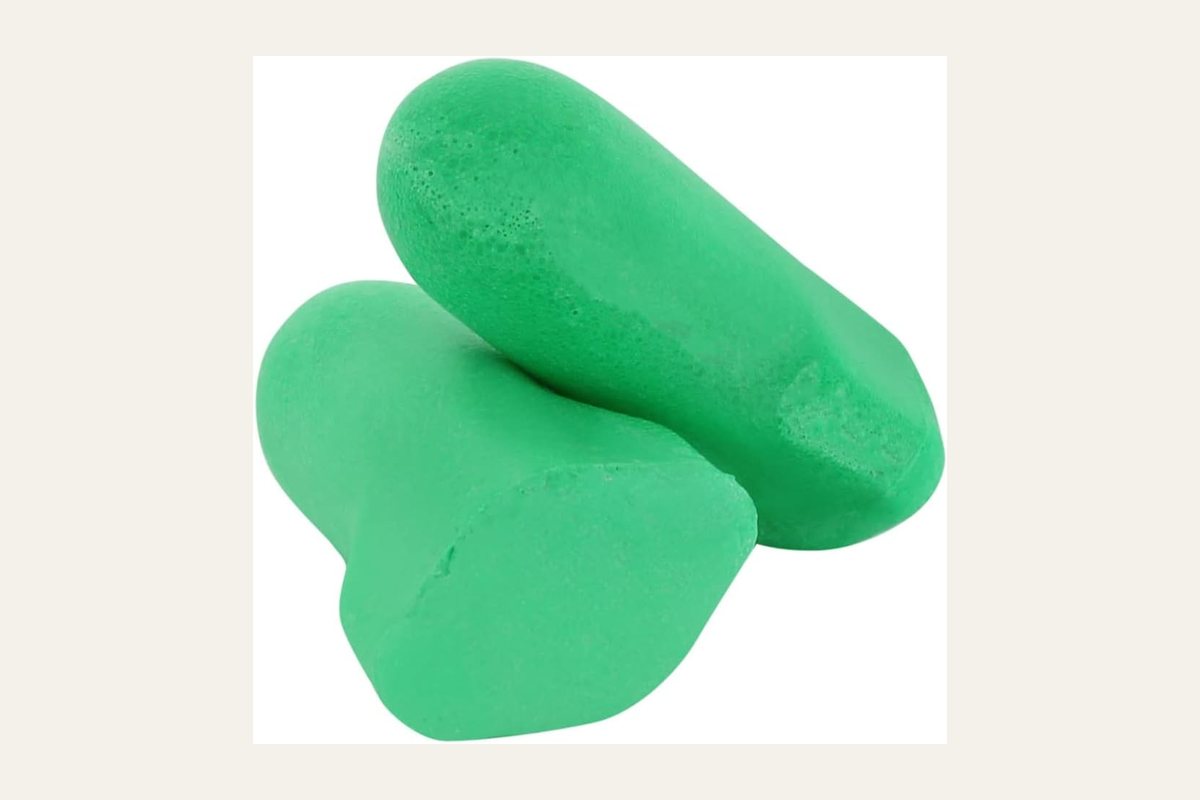
Choose Howard Leight Max Lite LPF-1, UPC 033552002901, for the uncorded green T-shape plug at NRR 30 for smaller ear canals. The 200-pair title is the count. The 0.27 g cell is not a box. Choose 3M E-A-R Classic 310-1001, UPC 080529100009, for the yellow uncorded pillow-pack plug at NRR 29. The title says 200 pairs. The pieces cell says 40. Count them. Both are foam. A firearm stays at a licensed dealer.
Key takeaways
- LPF-1 is the uncorded green plug, NRR 30, smaller canals, 200-pair title.
- The weight cell says 0.27 g. That is not 200 pairs of foam.
- 310-1001 is the yellow Classic, NRR 29, uncorded pillow packs.
- The 3M title says 200 pairs. The pieces cell says 40.
Buy the Howard Leight Max Lite, model LPF-1, when you want the uncorded green foam plug the card rates at NRR 30, sized for smaller ear canals, in a 200-pair pack, UPC 033552002901. Buy the 3M E-A-R Classic, model 310-1001, when you want the yellow uncorded PVC foam plug in pillow packs, NRR 29, CSA Class AL, UPC 080529100009, sold as 200 pairs. Both are disposable foam earplugs. Neither one is a muff, a firearm, or a box of ammunition.
Short version. An electronic muff is a different tool you can take off between shots. Glasses do not cover an ear. A cable lock does not lower a noise rating. A lens pen does not belong in an ear. The firearm stays at a licensed dealer. This purchase is the plug.
The Howard Leight card's title is Maximum Lite low-pressure disposable foam earplugs, 200 pairs, LPF-1, green. The bullets say the plug is for smaller ear canals, that the low-density polyurethane foam expands gently, that a closed-cell skin resists dirt, and that the contoured T-shape delivers an NRR of 30. The manufacturer line calls it an uncorded single-use plug. The detail block prints model LPF-1, part LPF-1, UPC 033552002901, number of pieces 200, package size 200 pair, a warranty line of 1 year, and item dimensions 5.12 by 11.81 by 7.76 inches. The item-weight cell says 0.27 g. Two hundred pairs of foam do not weigh a quarter of a gram. Ignore that cell. The unit-count cell says 2E+2 Count, which is 200 written as scientific notation. Read it as 200, then count the pairs if the box is what you needed. The ASIN cell on the detail block prints B000RMFGGY. Match LPF-1, the green plug, and the 200-pair line, and do not reorder from that ASIN cell alone.
NRR 30 is the rating printed on the bullet, tested the way the maker tested it. It is not the number you will get if the plug is half inserted or if you skip the roll. The T-shape is the handle. Smaller canals is the fit sentence. If your ears are not the ears that sentence describes, a plug that never seals is not an NRR 30 plug in your head, whatever the box says. The 1-year warranty line is on the detail block. A disposable plug you have already worn is not a warranty story. A box that arrived crushed, with the count short, is the conversation.
The 3M card's title is E-A-R Classic, pillow paks, uncorded, PVC foam, yellow, 200 pairs, and the model line is 310-1001. The bullets say sold as 200 per pair, flame-resistant and moisture-resistant, compatible with the E-A-Rfit validation system, NRR 29 dB, CSA Class AL, and latex free. The description says slow-recovery, low-pressure foam. The detail block prints model 310-1001, part 310-1001, UPC 080529100009, color yellow, product style uncorded, item weight 14.4 ounces, dimensions 11.8 by 9.2 by 6.1 inches, and number of items 200. The number-of-pieces cell says 40. The unit-count cell says 1. Those two cells do not say 200 pairs. The title and the sold-as bullet do. Count the pillow packs. The ASIN cell prints B01KZTDF7A. Match 310-1001 and the yellow pillow pack, not the ASIN cell by itself.
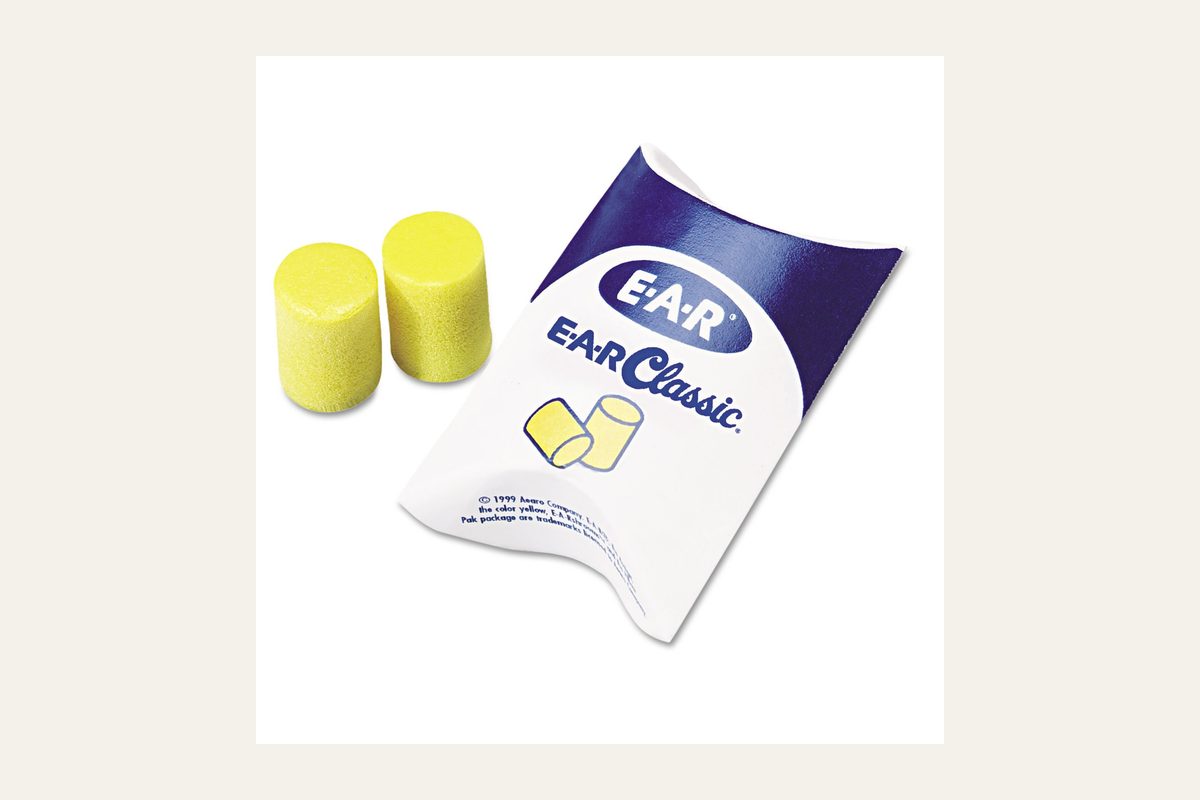
| Job | Howard Leight LPF-1 | 3M 310-1001 | Buy |
|---|---|---|---|
| A foam plug for a noisy hour | Uncorded, T-shape, NRR 30, smaller canals | Uncorded yellow PVC, NRR 29, pillow pack | Either, after you roll it and it seals |
| How many the title claims | 200 pairs | 200 pairs | Count the box. The cells argue. |
| A weight you can believe | 0.27 g. Do not believe it. | 14.4 ounces, for the box the cell measured | 3M if you needed a weight that could be a box |
| A cord | The manufacturer line says uncorded | The title and the style cell say uncorded | Neither, if you wanted a cord |
| A firearm or a round | A plug | A plug | Neither. A dealer sells the firearm. |
Howard Leight LPF-1, UPC 033552002901, NRR 30, 200-pair title. 3M 310-1001, UPC 080529100009, NRR 29, yellow pillow packs. A corded plug and a muff are different cards.
Who should buy the Max Lite, and who should buy the Classic?
Buy LPF-1 if smaller ear canals are the fit you already know you need, and you want the T-shape the bullet says you can pinch. NRR 30 is the printed rating. The green color is the color in the title. The 200-pair line is what you verify by counting, because the weight cell is not a check you can use. 0.27 g is not a box of plugs. The 5.12 by 11.81 by 7.76 inch cell is a carton size you can compare to the carton in your hand. The 1-year line is the warranty cell. It does not make a used plug reusable. Single-use is the manufacturer sentence.
Buy 310-1001 if you want the yellow cylinder that supervisors can see, in a pillow pack, with NRR 29 and CSA Class AL printed on the bullet. The 14.4 ounce cell is a plausible box weight. The pieces cell of 40 is not a plausible reading of a 200-pair title. Open the box or read the pillow-pack count before you call the order complete. Latex free is on the bullet. If latex is a medical issue for you, that word matters, and it is not a promise about every other 3M plug in the aisle. Moisture-resistant is the bullet's reason the expansion time stays consistent in humidity. A plug that got wet in a pocket is still a plug you roll and check.
Do not buy either box to replace a muff you can put on in one motion when a shot is about to happen and take off when you need to hear a voice. A muff is that tool. Foam is the tool you seat before the noise starts and leave seated. Do not buy either box and skip the roll. An unrolled plug that falls out is not the NRR on the card. Do not buy a corded version and expect these model numbers to describe it. Both of these cards say uncorded.
What the LPF-1 is actually for
Smaller canals is the design sentence, not a slogan. If a standard cylinder hurts or never stays, the Max Lite's lower-pressure foam and T-shape are the reason this card exists. You still roll it small, pull the ear up and back if that is how your ear opens, and hold the plug while it expands. The T is the part your fingers keep. The stem is not a cord. There is nothing to clip to a collar. When you take it out, it is done. The manufacturer line says single-use. Washing a foam plug and calling it new is how a seal becomes a guess.
UPC 033552002901 and model LPF-1 are the reorder. The 200-pair title is the quantity. The unit-count cell's 2E+2 is the same 200, written in a way a spreadsheet would understand and a person might misread as two. It is two hundred. The weight cell's 0.27 g is the cell to cross out. A single plug can be light. A 200-pair carton is not a third of a gram. If a shipper's scale and the cell disagree, believe the scale and the count, not the cell. The detail ASIN B000RMFGGY is a string to notice. If a reorder page shows a different pair count or a cord, you left LPF-1.
Do: roll, insert, hold, and confirm you hear less before the noise starts. Don't: assume NRR 30 is what a loose plug delivers. Don't: share a used plug. Don't: store the box where it gets crushed into a brick. The foam has to expand. A plug that stays wrinkled does not seal. The closed-cell skin is there to resist dirt, not to survive being driven over in a range bag.
What the 310-1001 is actually for
The Classic is the yellow cylinder people already recognize. Slow-recovery foam is firm enough to insert after you roll it, then soft enough to fill the canal. Pillow packs are how a pair stays clean until you open it. The bullet says 200 pairs that way. NRR 29 dB and CSA Class AL are the ratings on the bullet, not a field measurement of your ear. The E-A-Rfit line means the plug can be fit-tested with that system. It does not mean the box includes a test. Latex free and moisture-resistant are the other two claims worth keeping. Flame-resistant is on the bullet too. It is not a reason to lean into a torch.
Model 310-1001 and UPC 080529100009 are the reorder. Yellow is the color cell. Uncorded is the style cell. 14.4 ounces and 11.8 by 9.2 by 6.1 inches are the box, not one plug. The pieces cell of 40 is the cell that will start an argument. The title says 200 pairs. If you count 40 pieces and each piece is a pair, you do not have 200 pairs. Count. The detail ASIN B01KZTDF7A is the same kind of trap as the other card. A case of 2,000 is a different buy even when the model family is 310-1001. Read the pair count in the title of the listing you are paying for.
Do: roll the cylinder until it is a thin crease-free tube, insert it, and hold it while it expands. Don't: yank it out by a cord it does not have. Don't: assume the pieces cell and the title are the same count. Don't: use a plug that will not expand. The moisture-resistant claim is about humidity and expansion time, not about a plug you dropped in a puddle and put in your ear.
How to seat a foam plug you already own
Wash your hands. Roll the plug between clean fingers until it is small. Reach over your head with the free hand and lift the ear if that straightens the canal for you. Insert the plug far enough that it can expand in the canal, not perched in the bowl. Hold it. Let go only when it has grown enough that a gentle tug meets resistance. If you can still hear a normal voice at full volume across a quiet room, it is not seated. Roll a fresh one. A plug that will not compress is done, even if it looks clean.
At a range, seat the plugs before you step to the line, and keep them seated. A muff over a sealed plug is a second layer some people want for a brake or a short barrel. The muff is a different product. The plug is this one. Between strings, if you need to hear a person, step back and remove the plug with clean fingers. Do not shout around a plug and call that communication. Eyes stay on for the whole session. Plugs stay in for the noise. The firearm itself is not in this box. A licensed dealer is where that transfer happens. These two cards are the foam.
Store the unused pairs in the pillow pack or the dispenser, not loose against a key. Dirt on the skin of the plug is dirt in the ear. The Howard Leight bullet says the closed-cell skin resists that. It does not resist a plug you rolled on a tailgate. The 3M pillow pack is the clean storage the title is selling. Use it.
What actually fails on these two cards
The LPF-1 reorder fails when the pair count changes or a cord appears and you still call it LPF-1. It fails when you believed 0.27 g. It fails when you read 2E+2 as two. It fails when the plug is the wrong size for a canal the bullet already said was the smaller one, and you needed a larger cylinder. NRR 30 does not resize your ear.
The 310-1001 reorder fails when the pieces cell of 40 and the title of 200 pairs are treated as the same sentence. Count the pillow packs. It fails when you buy a case and wanted a box, or a box and wanted a case. It fails when you wanted a cord. The style cell says uncorded. It fails when a plug is reused until it no longer expands and you still quote NRR 29.
The other failure is shopping for a firearm on an earplug card. There is no firearm here and no ammunition. A dealer is the counter for the gun. A muff is the other hearing tool. Glasses are the eye tool. A lock is the lock. This comparison is two boxes of foam, and the only honest test is whether the plug seals in your ear before the noise starts.
What this comparison is not
It is not a muff, an electronic earbud, or a custom molded plug. It is not a corded foam plug. It is not a promise that NRR 30 and NRR 29 feel one decibel apart in your head. Fit decides that. It is not a promise that the detail-block ASIN and the listing you opened are the same string on either card.
It is not a substitute for stepping away from the noise. Foam is the layer you seat correctly. If it will not stay, try the other shape, or a muff, before you pretend the rating on the box is the rating in the canal. The gun stays a dealer purchase. The plugs are the box in your hand.
So which foam plug should you buy?
Buy Howard Leight LPF-1, UPC 033552002901, when you want the uncorded green T-shape plug at NRR 30 for smaller canals, in the 200-pair title, and you will ignore the 0.27 g cell. Buy 3M Classic 310-1001, UPC 080529100009, when you want the yellow uncorded pillow-pack plug at NRR 29, and you will count pairs because the pieces cell says 40. Both are foam. Neither is a firearm.
Frequently asked questions
Max Lite or Classic for a foam plug?
LPF-1 if you want NRR 30 and the T-shape for smaller canals. 310-1001 if you want the yellow pillow-pack plug at NRR 29. Both titles say uncorded.
Is either box a firearm?
No. One box is green foam plugs. The other is yellow foam plugs. A muff is a different product. A firearm stays at a licensed dealer.
Does 0.27 g mean the Howard Leight box is empty?
It means the weight cell is wrong for 200 pairs. Ignore 0.27 g. Count the pairs. The unit-count cell says 2E+2, which is 200.
Why does the 3M pieces cell say 40?
The title and the sold-as bullet say 200 pairs. The pieces cell says 40. Those are not the same count. Open the box and count pillow packs.
Do these plugs have cords?
No. The LPF-1 manufacturer line says uncorded. The 310-1001 title and style cell say uncorded. A corded plug is a different card.
Is NRR 30 the protection you will get?
NRR 30 and NRR 29 are the ratings printed on the cards. A plug that is not rolled and seated does not deliver the number on the box. Fit it before the noise starts.