
Master Lock 107DSPT vs 94DSPT
Written by John Wren|
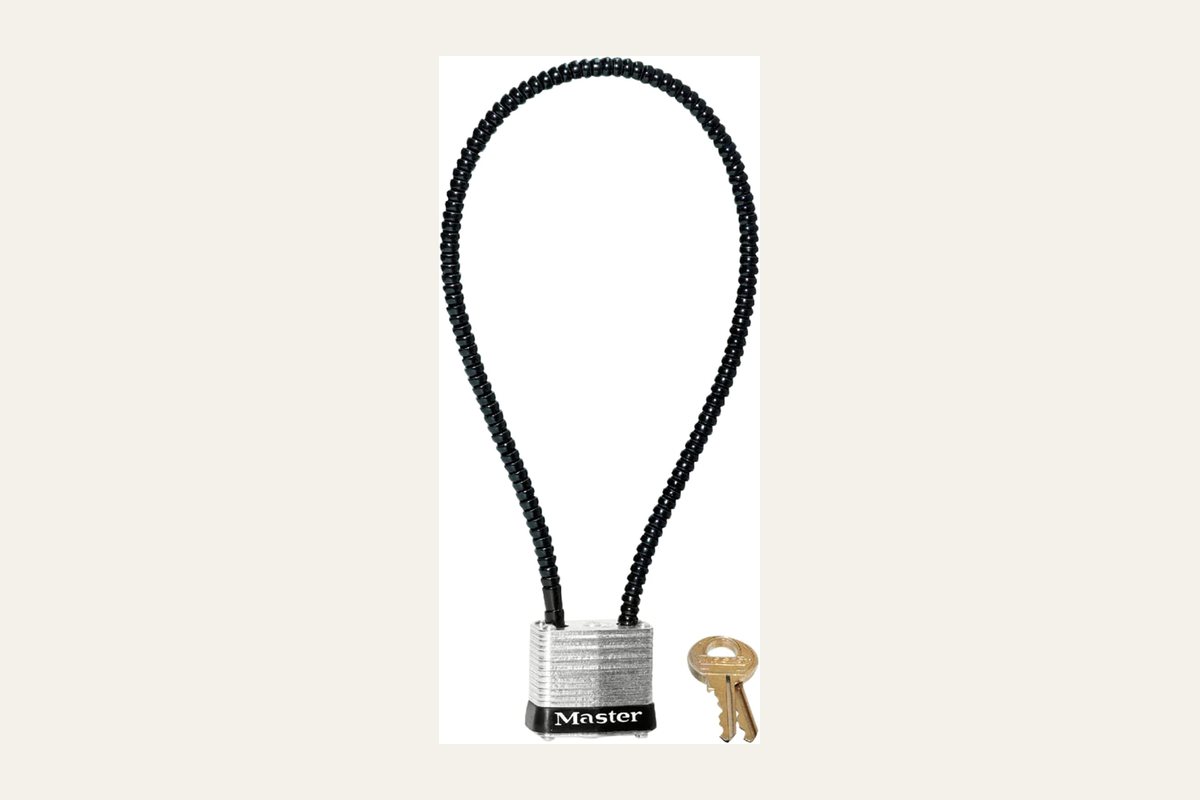
Choose Master Lock 107DSPT for the 14-inch cable the card sizes at 0.22 by 1.13 by 14 inches, with two keys. Choose Master Lock 94DSPT for the gray three-dial combination trigger lock with rubber pads and no key. Both are locks. Neither is a firearm or ammunition.
Key takeaways
- 107DSPT is a 14-inch cable, two keys, UPC 071649214301.
- The dimension cell is 0.22 by 1.13 by 14 inches. The door-backset bullet is not this lock.
- 94DSPT is a gray three-dial combination, UPC 071649014918.
- The trigger lock says it fits many guns, not every gun.
Buy the Master Lock cable gun lock, model 107DSPT, when you want the 14-inch vinyl-coated cable, two keys, and a laminated body the card sizes at 0.22 by 1.13 by 14 inches. Buy the Master Lock trigger lock, model 94DSPT, when you want the gray three-dial combination lock with rubber pads and no key. Both are locks. Neither one is a firearm, and neither one is ammunition.
Short version. A 4-ounce oil protects metal. It does not block a trigger. A rifle case carries a gun. It is not a lock unless you add one. A lockbox is a different purchase from a cable or a trigger lock. A squeeze bottle of CLP does not belong in the same decision as where the keys live. If you do not already have the firearm, that purchase is a licensed dealer. This purchase is the lock.
The cable card is Master Lock model 107DSPT, also printed 107dspt, UPC 071649214301, with a second UPC 666669916238 also on the cell. The GTIN cell prints 00071649214301, which matches the first UPC. The title says a 14-inch steel vinyl-coated cable and two keys. The included-components line says one gun lock and two keys. The dimension cell prints 0.22 by 1.13 by 14 inches, which lines up with the description: 14 inches long, 0.22 inch diameter braided steel, and a 1-1/8 inch laminated body. The description says the lock is California approved and tested to AB106, with a limited lifetime warranty. The bullets add a 4-pin cylinder, a dual locking lever, and a deadbolt that opens and closes only with the key turned.
Two cells on that cable card are not the lock in your hand. Number of pieces says 4, and number of packs says 4, while the included-components line says one lock and two keys. Count what is on the blister. A bullet also tells you to measure a door's backset, cross bore, and thickness. That sentence is a door lock. It has nothing to do with a 14-inch cable. Ignore it. The color field says Steel. The finish says vinyl coated. The recommended-use line says securing handguns, rifles, and shotguns against accidental or unauthorized use. The photo on this listing is the lock and the keys.
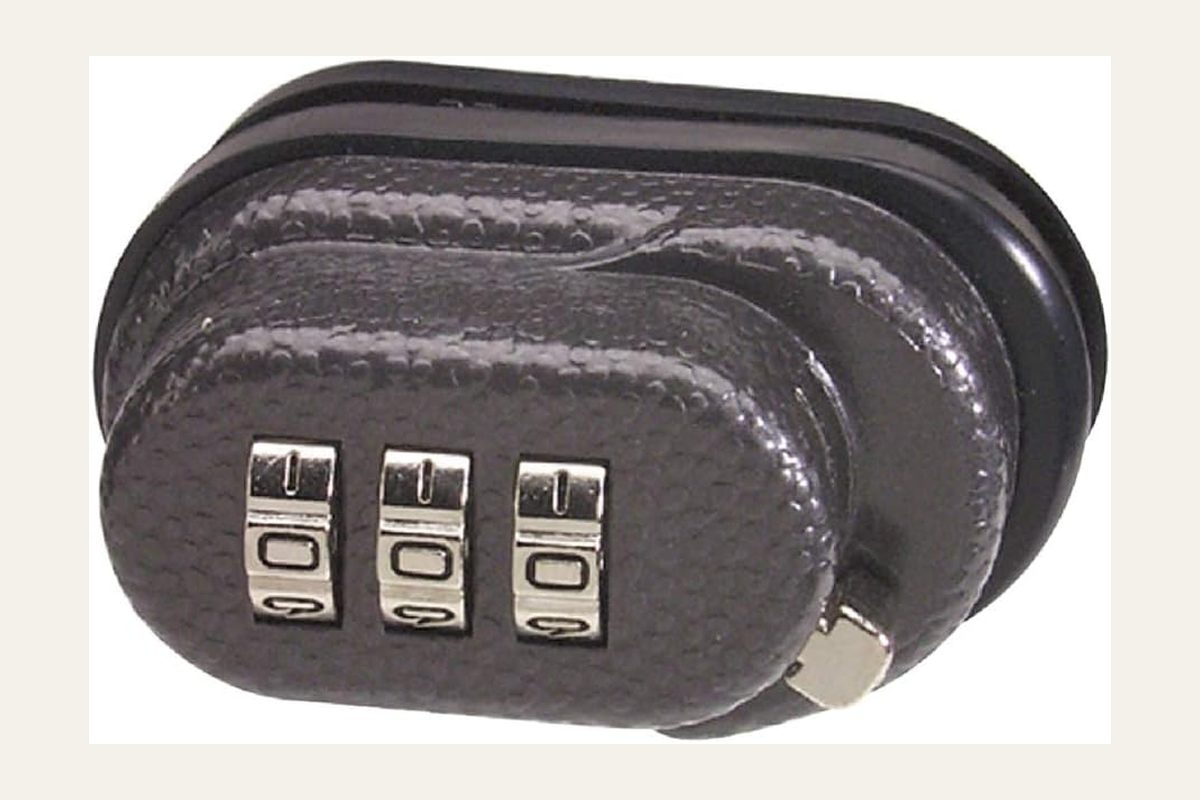
The trigger-lock card is model 94DSPT, UPC 071649014918, GTIN 00071649014918, color Gray. The bullets say set your own combination, a steel and zinc body, a ratchet, rubber pads, three-dial security, and that it fits many handguns, rifles, and shotguns. Many is not all. The description repeats the three-dial combination, the pads, and the same many-guns line, and it says best used indoors. Lock type on the details table is combination. There is no key. The card does not print a cable length because there is no cable.
| Job | 107DSPT cable | 94DSPT trigger lock | Buy |
|---|---|---|---|
| Block use of a firearm you already own | 14-inch cable, two keys | Three-dial combination, no key | Cable if you will keep the keys. Combination if you will not. |
| A lock that does not need a key | Deadbolt opens only with the key turned | Set-your-own three dials | 94DSPT |
| A loop through a case or a cabinet | Bullets name a case, a cabinet, and the 14-inch cable | No cable | 107DSPT |
| A trigger guard that is very wide or absent | The cable does not depend on the guard | The card says many, not all | 107DSPT if the guard will not take the clamshell |
| A firearm or a round of ammunition | A lock and two keys | A combination lock | Neither |
Cable model 107DSPT, UPC 071649214301. Trigger lock model 94DSPT, UPC 071649014918. A four-pack, a keyed-alike set, or a different length of cable is a different card.
Who should buy the cable, and who should buy the trigger lock?
Buy 107DSPT if you want a key, a 14-inch vinyl-coated cable, and a lock you can run through an action or around a rifle and a rack the way the length allows. The deadbolt bullet says the key has to be turned to open and to close. Keys get lost. Two keys are in the included-components line. Put one where you will find it and one where a child will not. The vinyl coating is the card's answer to scratches on a finish. It is not a safe.
Buy 94DSPT if you do not want a key and the firearm has a trigger guard the clamshell can close on. The rubber pads are the card's answer to a marred finish. The three dials are the card's answer to a key you would lose. The combination is one you set. Write it down somewhere that is not a sticker on the lock. The description says indoors. A lock left in a truck in January is outside the sentence the card printed. Many guns is the fit line. A lever gun, a gun with no guard around the trigger, or a trigger shoe can be outside that word. Try the fit on the unloaded firearm you actually own before you trust it.
Do not buy either lock and call it storage for a house full of children if what you needed was a lockbox or a safe. A cable and a trigger lock are devices on a firearm. A box is a different object with its own bolt. Do not buy the cable because a bullet mentioned a door backset. That sentence wandered in from a door lock. Do not buy four locks because the number-of-packs cell says 4. The included line says one lock and two keys. Count them.
What the 14-inch cable lock is actually for
The description's measurements are the ones to remember: 14 inches, 0.22 inch diameter, 1-1/8 inch laminated body, limited lifetime warranty, California approved, tested to AB106. The dimension cell agrees: 0.22 by 1.13 by 14. That agreement is rare on these cards, and it is why you can trust the length more than you can trust the piece-count cell. Fourteen inches is long enough to loop an action on many long guns and short enough that you should still hold it up to the gun you own. A bull barrel and a chassis can eat cable you thought you had.
The 4-pin cylinder and the deadbolt are the bullets' security claims. They are not a rating you can translate into minutes against a determined person with tools. A lock is for unauthorized and accidental use, which is the recommended-use line, not for a claim the card does not print. The second UPC, 666669916238, sits in the same cell as 071649214301. The GTIN matches the second of those, the 071649214301 number. If a reorder shows only the other UPC, look at the model. 107DSPT is the model. A different length in the same brand is a different cable.
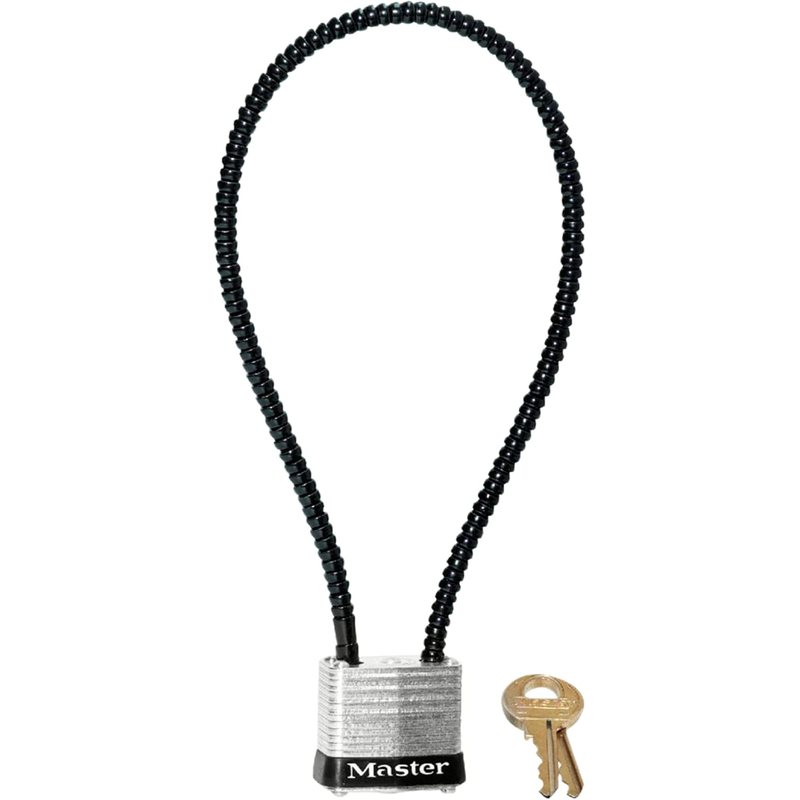
Do: unload the firearm, check the chamber, and only then thread the cable. Don't: lock a loaded gun and call the cable a safety. The cable is a lock. It is not a condition check. Don't: measure a door. Don't: oil the cable with a solvent and then leave the wet cable on a stock. Vinyl and wood do not need a puddle. A dry lock and a lightly maintained firearm are separate jobs. Don't: throw both keys in the same junk drawer and then discover that on the morning you needed one.
What the three-dial trigger lock is actually for
The 94DSPT is a clamshell over a trigger, not a loop around a rifle. The ratchet is how it closes. The rubber pads are how the card says it avoids marring a finish. The three dials are the entire key system. If you forget the combination, the card does not print a bypass. Set a combination you can recover from a written note that is not stored with the lock. The gray color is this card. A black card in the same model family can be a different listing even when the number 94DSPT appears in the title.
Indoors is the description's use line. Humidity, a porch, and a truck bed are outside that word. The pads and the dials are small parts. Grit in the dials is how a combination lock becomes a puzzle. The fit line is many handguns, rifles, and shotguns. Hold the unloaded gun and see whether the lock closes on the guard without forcing the trigger. If it does not close, or if it closes on the trigger itself, this lock does not fit that gun. Use the cable, or use a box, instead of forcing it.
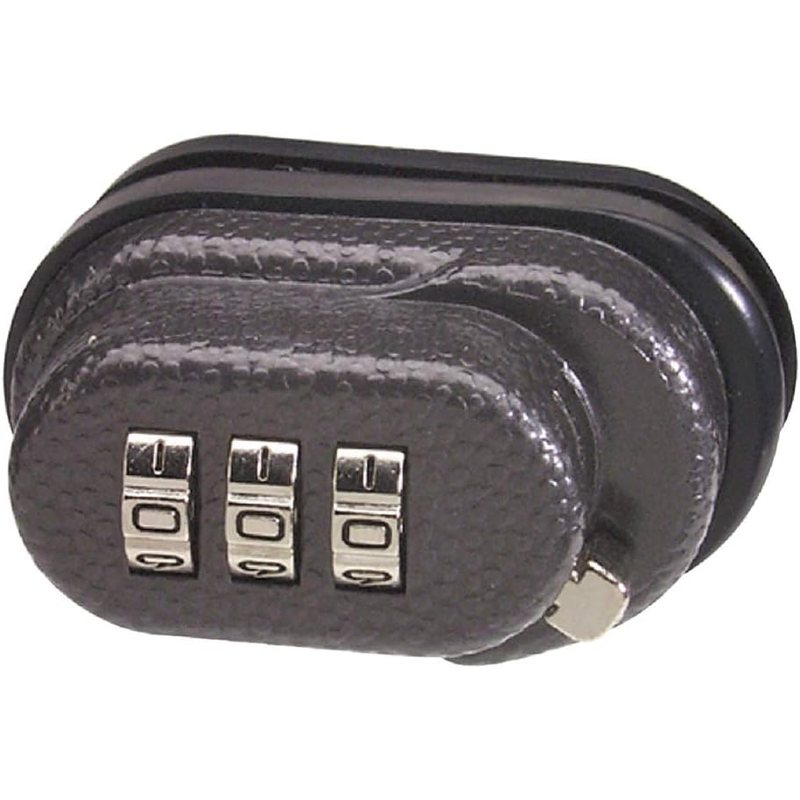
Do: fit it on an unloaded firearm, in the light, before you ever need it in a hurry. Don't: install it by feel on a loaded gun in the dark. Don't: pick a combination that is written on the case in marker. Don't: assume the rubber pads make the lock universal. The card already said many, not all. Don't: store the combination in the same place as the only key to the case and then lock the note inside the case.
How to put either lock on the firearm you already own
Unload first. Magazine out, cylinder open, action open, chamber checked with a finger and with your eyes. Do that even if you are sure. Then decide which lock the gun can actually wear. A trigger guard that is round and ordinary will often take the 94DSPT. A guard that is a loop of unusual size, or a gun with no guard, will not. The cable does not need the guard. It needs a path that blocks the action from closing or that anchors the gun to something that does not walk away. Fourteen inches is the length you have. Offer the cable to the gun before you decide the length is enough.
Keys and combinations fail in ordinary ways. The cable's deadbolt wants the key turned, so a key that is bent or half-inserted does nothing useful. Keep the spare key out of the range bag that children open. The trigger lock wants the three numbers in order. Turn the dials and confirm the lock opens before you rely on it overnight. If the dials are stiff from the factory, work them in the house, not in a parking lot.
A lock is not a cleaning. Oil and CLP still belong on the metal the maker told you to protect, in amounts that do not run into the lock. A wet combination dial collects grit. A wet cable collects grit in the vinyl. Let the firearm dry, then lock it. If the gun lives in a case, the cable can also loop the case the way the bullet allows. The trigger lock cannot loop a case. It only covers a trigger.
What actually fails on these two locks
The model fails when you reorder the brand and miss the letters. 107DSPT is the 14-inch keyed cable, UPC 071649214301. 94DSPT is the gray three-dial trigger lock, UPC 071649014918. A shorter cable, a keyed-alike pair, or a four-pack of trigger locks is a different quantity even when the family number looks familiar. The piece-count cell that says 4 on the cable card is not a promise of four locks. The included line says one lock and two keys.
The fit fails when the trigger lock will not close on the guard, or when it closes by pressing the trigger. Stop. That gun does not wear this lock. The cable fails when 14 inches will not reach a path that blocks the action, or when you locked a case and left the action free to close. Look at what you actually immobilized. The door-backset bullet fails you only if you follow it. Ignore it.
The other failure is treating a lock as a firearm purchase. It is not. Ammunition is not on either card. If the gun itself is what you still need to buy, a licensed dealer is the counter for that, and the lock comes after you own the gun and have unloaded it. A lock on a gun you have not checked is how accidents stay possible. Check the chamber every time, including the time you are sure you remember.
What this comparison is not
It is not a safe, a lockbox, or a case. Those are other objects, and a case still needs a lock if the case is the security. It is not a cleaning kit. It is not a promise that every Master Lock with a nearby model number is 14 inches or is a three-dial combination. It is not a promise that the number-of-packs cell is how many locks are in the blister. It is not a door lock, even though one bullet talks like one.
It is not a substitute for unloading. The cable and the clamshell assume a firearm that is already empty. Put the lock on after the check, not instead of the check. If the 94DSPT will not fit, do not force it and do not file the guard. Use the cable, or use a box that actually closes.
So which lock should you buy?
Buy Master Lock 107DSPT when you want the 14-inch vinyl-coated cable, two keys, and the body the card sizes at 0.22 by 1.13 by 14 inches, UPC 071649214301. Ignore the door-backset bullet and count one lock, not four. Buy Master Lock 94DSPT when you want the gray three-dial combination, UPC 071649014918, rubber pads, and no key, and you have checked that the unloaded firearm's guard actually accepts it. The firearm is not in either box. The lock is.
Frequently asked questions
Cable lock or trigger lock?
107DSPT if you want the 14-inch cable and two keys. 94DSPT if you want a three-dial combination and the unloaded gun's trigger guard actually accepts the clamshell.
How long is the 107DSPT cable?
The title, the description, and the dimension cell agree on 14 inches, at 0.22 inch diameter, with a 1-1/8 inch laminated body.
Does the number-of-packs cell mean four locks?
No. That cell says 4. The included-components line says one gun lock and two keys. Count the blister.
Will the 94DSPT fit every gun?
The card says many handguns, rifles, and shotguns. Many is not all. Fit it on the unloaded firearm before you trust it.
Is either lock a firearm?
No. One box is a cable and two keys. The other is a combination trigger lock. If you still need to buy the firearm, that purchase is a licensed dealer.
What is the door-backset sentence doing on the cable card?
Nothing useful. It is a door-lock instruction. Ignore it and match model 107DSPT.