
Therm-a-Rest Z Lite Sol vs NEMO Switchback
Written by John Wren|
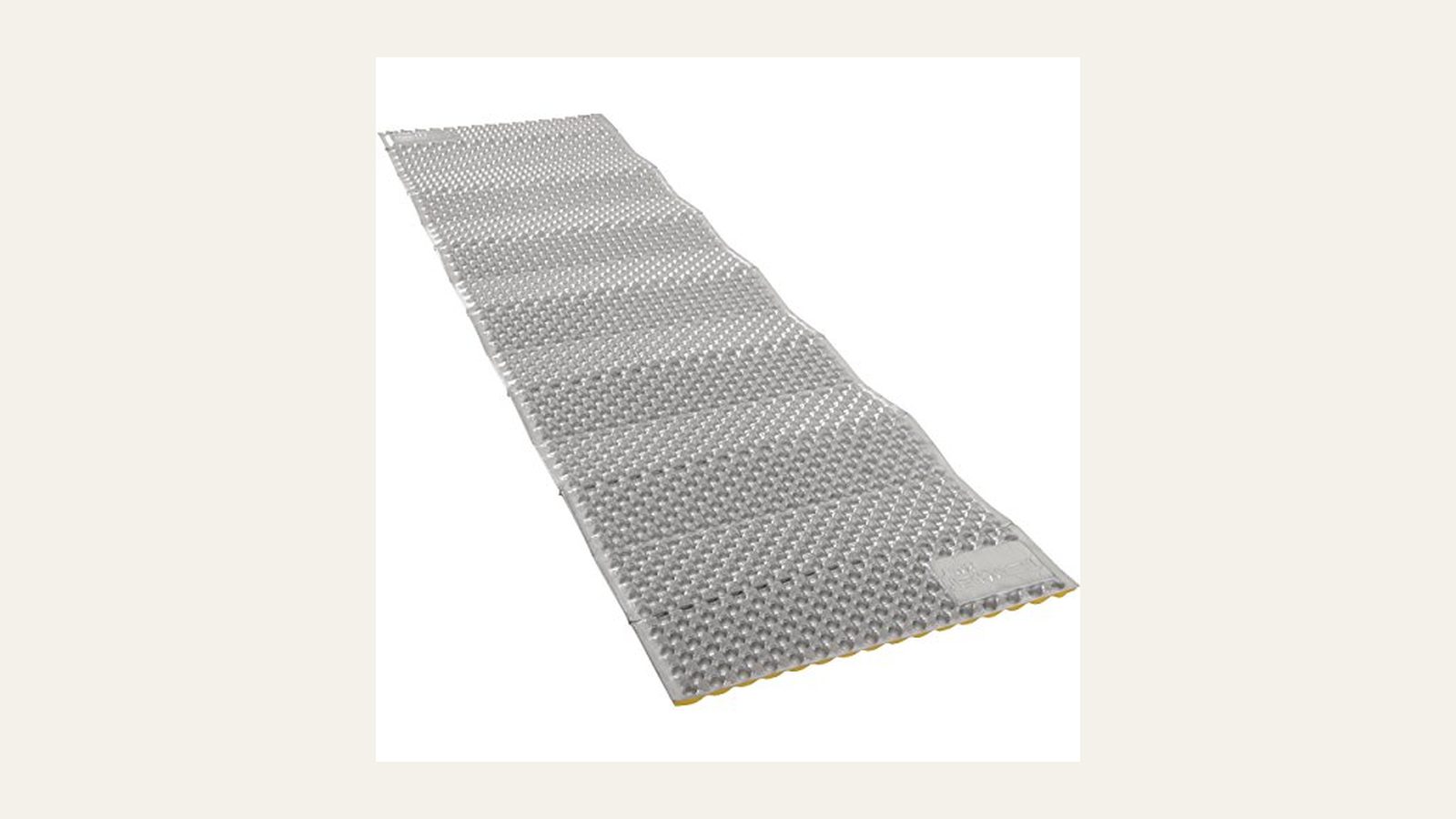
Choose the Z Lite Sol Regular for a 14-ounce closed-cell pad with a reflective face. Choose the NEMO Switchback Regular for a 0.9-inch pad at about 14.5 ounces. Both publish an R-value of 2.0.
Key takeaways
- Both Regulars are R-value 2.0.
- Z Lite Sol is about 14 ounces and 0.75 inch thick.
- Switchback is about 14.5 ounces and 0.9 inch thick.
- Confirm 72 inches, not the 51-inch short.
Therm-a-Rest Z Lite Sol vs NEMO Switchback is a closed-cell foam pad fight, not an air pad fight. Both Regular sizes publish an R-value of 2.0. The Z Lite Sol Regular is the thinner accordion, about 14 ounces, 72 by 20 inches, three-quarters of an inch thick, with a silver ThermaCapture face. The Switchback Regular is the thicker egg-crate, about 14.5 ounces, the same 72 by 20 footprint, 0.9 inch thick, with a metalized film in the foam. If you want the pad that has been the sit pad, the pack frame, and the summer mattress for years, buy the Z Lite Sol Regular. If you want the extra thickness and the hinge pattern that folds into a shorter brick, buy the Switchback Regular. Neither one is a winter pad by itself.
Short version. An inflatable pad is a different night and a puncture you can hear. Sleep pads as a category still start with the ground you are actually on. A pillow does not add R-value under your hip. Sleep in camp is a site and a pad, not a slogan. Check live prices.
This comparison is two Regular closed-cell pads you can still buy. It is not the 51-inch short of either brand, and it is not a NeoAir or a Tensor. Confirm 72 inches. A short pad under a six-foot sleeper is a cold hip and a story about how foam pads are miserable. The foam was the wrong length.
| Job | Z Lite Sol Regular | Switchback Regular | Our call |
|---|---|---|---|
| Summer, a tent, a pad that cannot pop | R 2.0, 0.75 in, about 14 oz | R 2.0, 0.9 in, about 14.5 oz | Either. Switchback if you want thickness. |
| Under an inflatable, so a thorn does not end the night | Thin, tough, reflective face up | Thicker armor, a little heavier | Z Lite if the pack is already full |
| A sit pad at lunch | Fold a few sections | Fold a few sections | Either |
| A night below freezing on dirt | Not enough alone | Not enough alone | Stack it under an inflatable |
| A car-camp cot | Wrong tool | Wrong tool | A cot pad, not a backpacking accordion |
Confirm Regular. Therm-a-Rest's short Z Lite Sol is about 51 inches and about 10 ounces. NEMO's short Switchback is about 51 inches and about 10.5 ounces. A photo of the short pad with a Regular title is a different mattress.
Who should buy the Z Lite Sol, and who should buy the Switchback?
Buy the Z Lite Sol Regular if the pad lives on the outside of the pack, you sit on it at lunch, and you want the lighter of the two Regulars. Buy the Switchback Regular if you sleep on the foam itself and you want the extra thickness under a hip. Buy both jobs only if you are honest about the night. An R-value of 2.0 is a warm-weather number and a booster under a real inflatable. It is not a January pad in the mountains. People who say a foam pad "was fine" in October were usually in a sleeping bag that was doing the work, on ground that had not frozen.
Closed-cell foam does not puncture, does not need a pump, and does not get flatter at 2 a.m. That is the whole argument against an air pad. The argument for an air pad is comfort and a higher R-value in a smaller packed shape. If you already own a NeoAir or a Tensor, the foam pad is the layer underneath on rocky ground, not a replacement. If you do not, the foam pad is the mattress that still works when you are too tired to inflate anything.
What the Z Lite Sol Regular is actually for
Z Lite Sol Regular is Therm-a-Rest's reflective closed-cell pad in the full length: about 72 inches long, 20 inches wide, 0.75 inch thick, about 14 ounces, packed as an accordion around 20 by 5 by 5.5 inches. The R-value is 2.0. ThermaCapture is the silver coating. Therm-a-Rest's instruction is simple and people still get it backward: reflective side up, against you, not against the ground. The dimples trap a little air. The foam is softer on the top and denser on the bottom, which is why the pad feels less like a yoga mat than a cheap hardware-store closed cell and why it still shrugs off a granite pebble.
The accordion is the pack trick. It straps to the outside of a pack without a stuff sack, and a few sections fold into a sit pad without unpacking the tent. It is also a clumsy rectangle in a car if you expected it to roll like an old RidgeRest. It does not roll. It folds. If your pack has no room on the outside, look at how the brick actually fits before you call the pad too big. The pad is not too big. The pocket is.
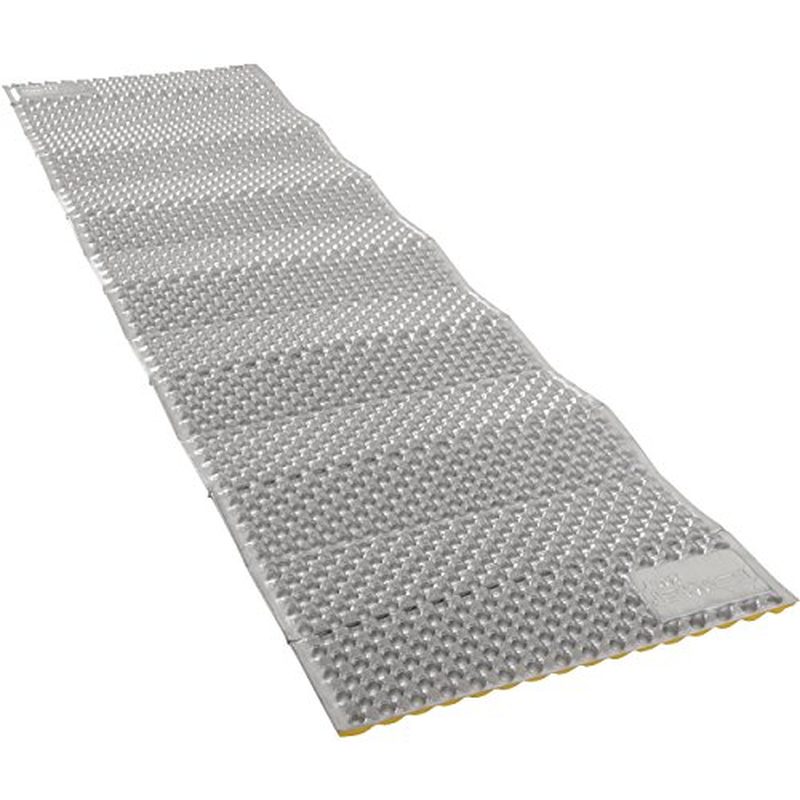
Do: put the silver face up. Don't: buy the 51-inch small because the photo looked the same and the title said Z Lite. Do: use it under an inflatable when the ground is sharp. Don't: expect R 2.0 to replace a winter bag. A foam pad adds about two R to whatever is on top of it. That sentence is the stacking rule. It is not a promise that October dirt will feel like a bed.
What the Switchback Regular is actually for
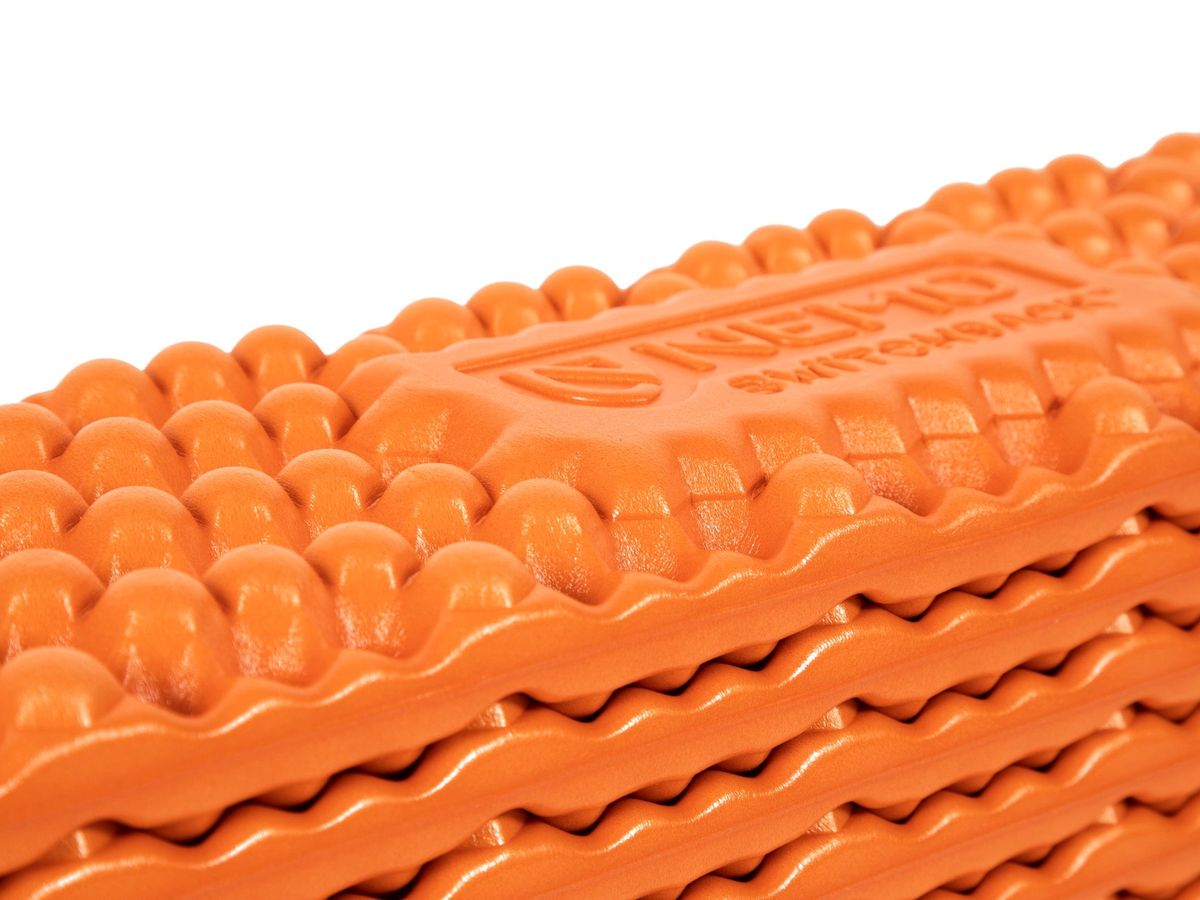
Switchback Regular is NEMO's closed-cell pad in the full length: about 72 by 20 by 0.9 inches, about 14.5 ounces, packed around 20 by 5 by 5.5 inches, R-value 2. The foam is egg-crate on the face you see, with a metalized film in the construction so some heat reflects back instead of soaking into the dirt. NEMO's short is the 51-inch pad at about 10.5 ounces. The Regular is the one that reaches a tall sleeper's feet. The extra thickness over the Z Lite is the point of the buy. Nine-tenths of an inch is still foam. It is not a three-inch air pad. It is enough that a hip notices, and it is enough that the packed brick is a similar size to the Z Lite because the hinge pattern nests.
The Switchback folds. It does not roll. The hinges are the part that makes the brick short, and they are also the part that can crease if you fold it against the grain for a season. Fold it the way it wants to fold. A pad forced into a stuff sack the wrong way comes out wavy and sleeps worse than it packs. Leave it accordion-style on the outside of the pack when you can.
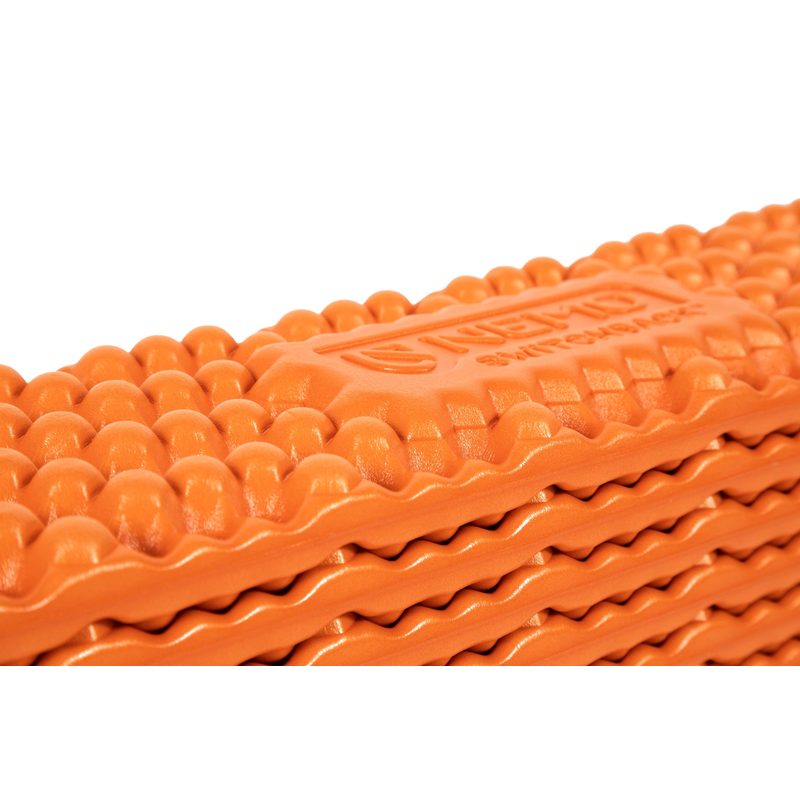
Do: confirm Regular and the sunset-orange or whatever color the listing actually ships, not a photo of a Tensor air pad in the same brand family. Don't: put the pad on a cot and call it a cot mattress. The egg crate is a ground pad. A cot wants a thicker pad because the cot itself is a cold, open frame. Do: shake the grit out before you strap it on the pack. A sandy pad against a rain jacket is how jackets get holes.
R-value 2.0 is a summer number. Stacking is the cold-night plan.
Both brands publish R 2.0 for these Regulars under the ASTM sleeping-pad test. That is why the table does not crown a warmer pad. The Switchback is thicker. The Z Lite has the reflective coating Therm-a-Rest talks about as a warmth bump on top of the same class of foam. In a tent in July, you will not feel a lecture's worth of difference. In a tent when the ground is cold and your bag is a 40-degree bag, both pads will let the ground through. The fix is a second layer: foam under an inflatable, or a warmer bag, or a site that is not a cold sink. The pad guide is the longer version of that sentence.
Stack foam under the air pad, not on top, if the job is puncture protection. The foam takes the thorn. The air pad takes the hip. If you put the foam on top, you have a slippery, noisy stack and the air pad still meets the rock. Reflective face toward you when the Z Lite is the layer you are lying on. When it is the layer under an inflatable, the inflatable is what you feel, and the foam is armor.
How the pad actually lives in camp
Lay it down before the tent floor is covered in duff, or shake the floor first. A pebble under foam is a lump you will find with your hip at midnight, and foam does not have a valve you can burp. A pebble under an air pad is a future leak. That is the foam pad's whole personality: it tells you about the ground immediately, and then it does not fail.
Width is 20 inches on both Regulars. That is narrow if you are a side sleeper who rolls. Your knee will find the ground. A wider pad is a different product. Do not solve a 20-inch pad by buying two and calling it a double. Two accordions on a tent floor walk apart. If you need width, buy a wide inflatable and keep one of these as the armor underneath.
A sit pad is four or five sections, not the whole mattress dragged to the cook spot. Leave the rest strapped to the pack. A headlamp still matters more than the pad once the stove is lit, and a pillow still matters for your neck. The pad is the ground. It is not the rest of the sleep system.
What actually fails on a foam pad?
The coating on a Z Lite scuffs if you drag it. The pad still insulates. It just looks tired. The hinges on a Switchback crease if you store it crushed in a hot trunk all summer. Foam takes a set. Store it loose, or in the accordion it was born in, out of a car window. A pad that arrives wavy was folded wrong in a warehouse or cooked in a box. Unfold it in the house overnight. Most of them relax.
Neither pad delaminates the way a cheap inflatable does, because there is no air chamber. The failure is comfort, not catastrophe. If your hip hurts, the pad is too thin for the way you sleep, or the ground is too lumpy, or you needed an inflatable on top. Do not keep buying a thicker closed-cell and expecting a mattress. At some point the honest tool is air.
What this fight is not
It is not a NeoAir XLite NXT or a NEMO Tensor. Those are inflatables with higher R-values and a puncture to manage. It is not a cot mattress and it is not a yoga mat from a gym. It is not a sleeping system by itself. The bag, the site, and the clothes you sleep in still decide the night. A foam pad will not fix a bag that is too light for the forecast.
A listing photo that shows a short pad, a two-pack, or an inflatable with a foam pad in the corner is not this Regular. Read the inches. 72 is the number. 51 is the short.
So which foam pad should you buy?
Buy the Therm-a-Rest Z Lite Sol Regular if you want the 14-ounce accordion with the reflective face, and you will use it as a sit pad and as armor under an inflatable as often as you sleep on it. Buy the NEMO Switchback Regular if you want the 0.9-inch egg crate and you will sleep on the foam itself. Both are R 2.0. Both are about 72 by 20. Silver side up on the Z Lite. Confirm Regular. Check live prices. Then put the pad on the outside of the pack, where you can sit on it at lunch without unpacking the tent.
The rest of the pad decision is the season and the ground. A summer trail gets one of these. A cold night gets one of these under something warmer. The foam does not care. Your hip will.
Frequently asked questions
Therm-a-Rest Z Lite Sol or NEMO Switchback?
Z Lite Sol Regular if you want the lighter accordion with the reflective face. Switchback Regular if you want the thicker 0.9-inch pad and you will sleep on the foam.
What R-value are these foam pads?
Both Regulars publish an R-value of 2.0. That is a warm-weather pad or a booster under an inflatable, not a winter pad alone.
Is the short pad the same as the Regular?
No. Confirm 72 inches. The short versions are about 51 inches and about 10 to 10.5 ounces.
Which side of the Z Lite Sol goes up?
The reflective ThermaCapture face goes up, toward you, when you are lying on it.
Can I use a foam pad under an inflatable?
Yes. Put the foam under the inflatable so it takes the thorn. The air pad still takes your hip.
Do these pads replace a NeoAir or a Tensor?
No. Those are inflatables with a higher R-value and a puncture to manage. These are closed-cell pads that cannot pop.