
Ritchie X-10B-M vs Plastimo Iris 50
Written by John Wren|
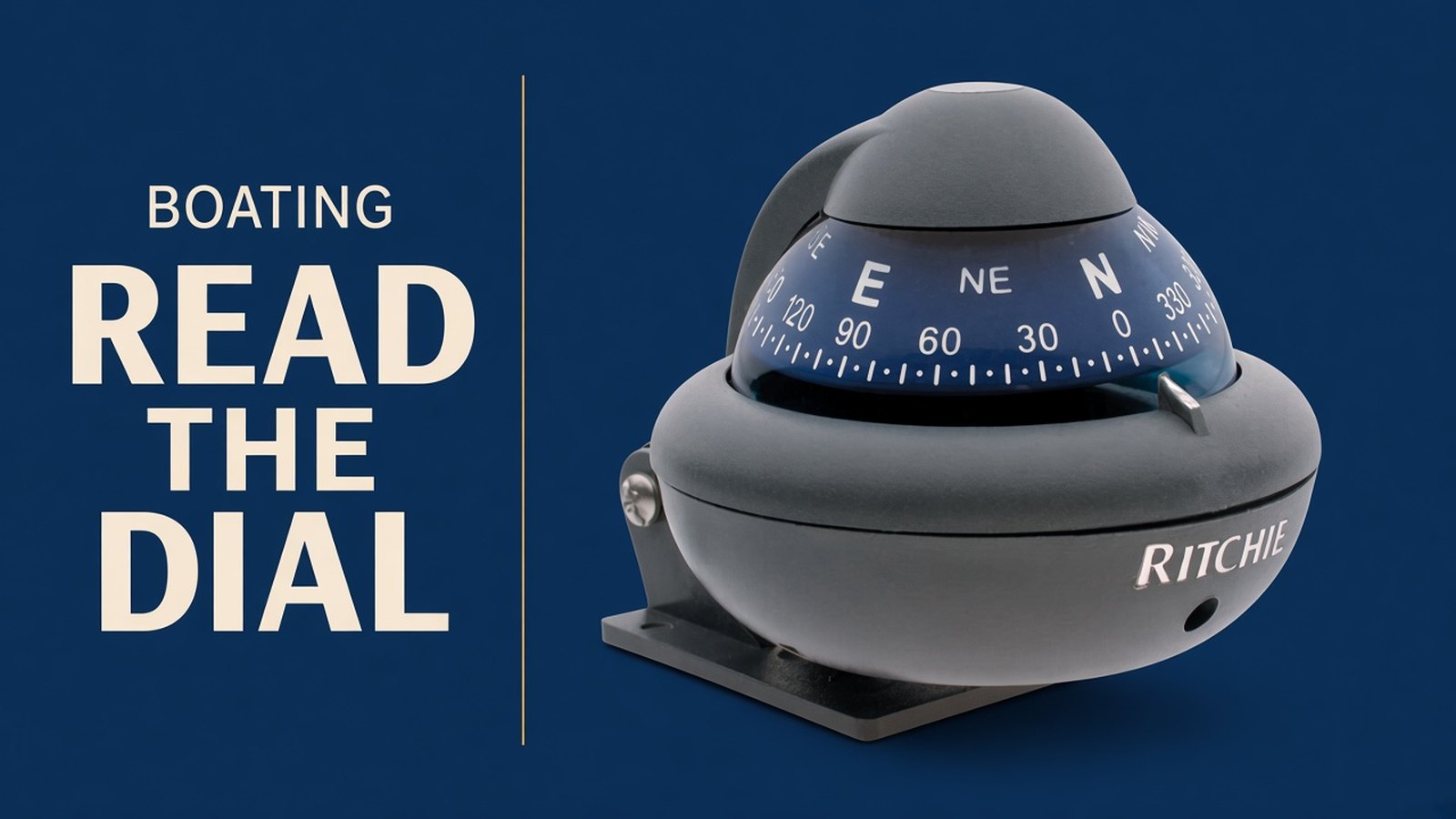
Choose Ritchie manufacturer part X-10B-M, ASIN B000JFVK78, for the bracket-mount compass. The model cell says X-10-M. The weight cell says 3.2 ounces. The studio frame shows a blue card with white numerals, while the title says a black 2-inch direct-reading dial. Choose Plastimo part 63870, ASIN B01BFOJ8O8, for the Iris 50 hand-bearing compass. The brand cell says Nautos. The dial says Plastimo. The title says Blue. The studio housing is violet. The weight cell says 105 g. One is a helm bracket. The other is a handheld prism compass.
Key takeaways
- X-10B-M is the bracket compass. The model cell says X-10-M. The weight cell says 3.2 ounces.
- The title says a black dial. The primary studio frame shows a blue card.
- Iris 50 part 63870 weighs 105 g. The brand cell says Nautos. The dial says Plastimo.
- The Iris title says Blue. The studio housing is violet. No battery and no tritium.
Buy the Ritchie bracket-mount compass, manufacturer part X-10B-M, ASIN B000JFVK78, when you want the black housing the title calls a 2-inch direct-reading dial on a bracket. Buy the Plastimo Iris 50, manufacturer part 63870, the card titled Hand Bearing Compass (Blue), when you want a handheld compass you can lift off the boat. One stays on a bracket. One hangs on a lanyard. The Ritchie model cell says X-10-M, not X-10B-M. The Iris title says Blue. The studio photo of the Iris is a violet housing. Those conflicts are the reason to read the part number twice.
Short version. A Davis and an Attwood are the other small-boat pair, not these two part numbers. A handheld VHF talks. It does not show you north. A vinyl dressing does not point the bow. A fender keeps the hull off the dock. Match X-10B-M or 63870 before you match the word compass.
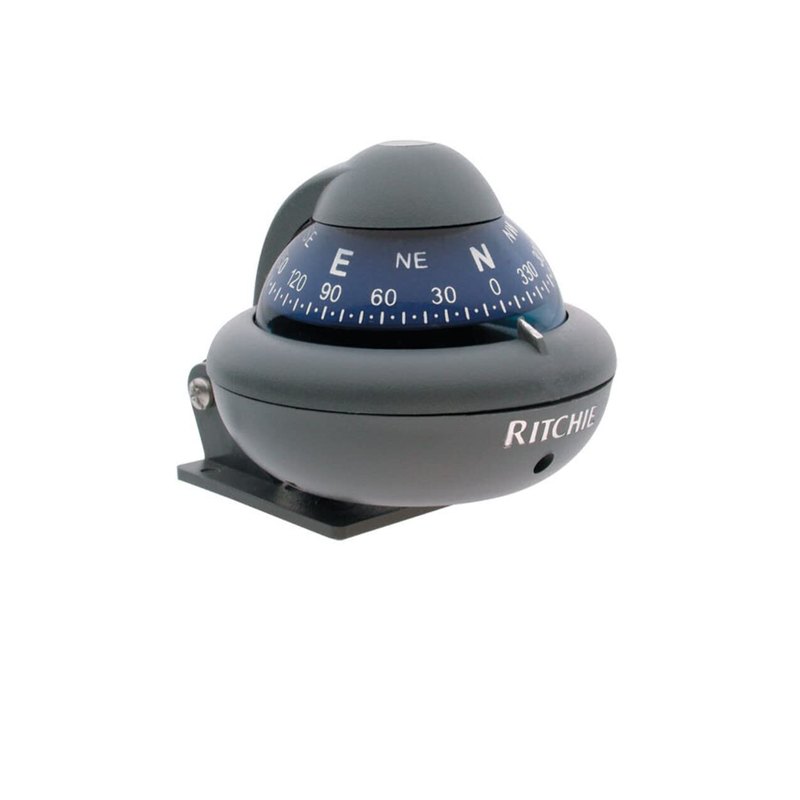
The Ritchie title is Ritchie X-10B-M Black Housing with Black 2-inch Direct Reading Dial Compass, Bracket Mount. The brand cell says Ritchie. The manufacturer cell says Ritchie. The manufacturer-part cell says X-10B-M. The model-number cell says X-10-M. Dropping the B is not a typo you should shrug at. X-10-M and X-10B-M are different enough, on this card, to be two tokens for one listing. The part cell matches the title. The model cell does not. Quote the part. The color cell says Black. The material cell says Plastic. The weight cell says 3.2 ounces. The dimensions cell says 5 inches long by 4 inches wide. The special-feature cell says Portable, which is an odd word for a bracket mount you screw down. The number-of-items cell says 1. The included-components cell says boat-compasses. That is a category path, not a packing list. It does not say screws, a template, or a light bulb.
The Ritchie UPCs on the card are 010342170613, 999900000053, 010342170606, and 066510877457. Four barcodes for one compass is not one barcode mistyped. The GTIN is 00010342170606, which matches 010342170606 with a leading zero. A scan that returns one of the other three is still a code the card printed, and a scan that returns none of them is a different product. The item-type name says ESRI BRKT RITCHIESPORT. ESRI is a mapping-software name. It does not belong on a compass card. Treat that cell as junk. The warranty cell says Warranty, which is not a duration. The description says 5 year warranty. Use the description’s five years as the sentence the page actually wrote, and do not pretend the warranty cell confirmed it. The description also says the unit is 2.9 deep and 2.3 inches high, with compensators and green illumination. The dimensions cell’s 5 by 4 does not mention depth or height. You now have a plan-view size and a separate depth and height that the dimensions cell did not absorb. Measure the bracket you unpack. A family blurb on the page misspells the maker as Richie, claims a reversible bracket through more than 300 degrees, and mentions a hardened steel pivot and a triple-cup sapphire jewel. A bullet says manufactured in China. The jewel line and the China line can both be on the page. Neither replaces the part number.
The studio frame that leads this listing is a dark gray housing, a bracket, the word RITCHIE on the side, and a blue card with white numerals. The title says a black 2-inch direct-reading dial. The card in that frame reads as blue, not as a black face. Direct-reading means you read the heading at the lubber line. It does not mean the face is black. If you needed a black face because the title said black dial, the primary photo does not show you one. If Ritchie calls this dark card black and the camera shows blue, the conflict is still what a buyer sees. Do not substitute a customer photo of a kayak, a flush-mount square compass, a map, or a backpack from the same gallery. Those frames are not the bracket unit. The primary studio frame is the one to match, blue card and all.
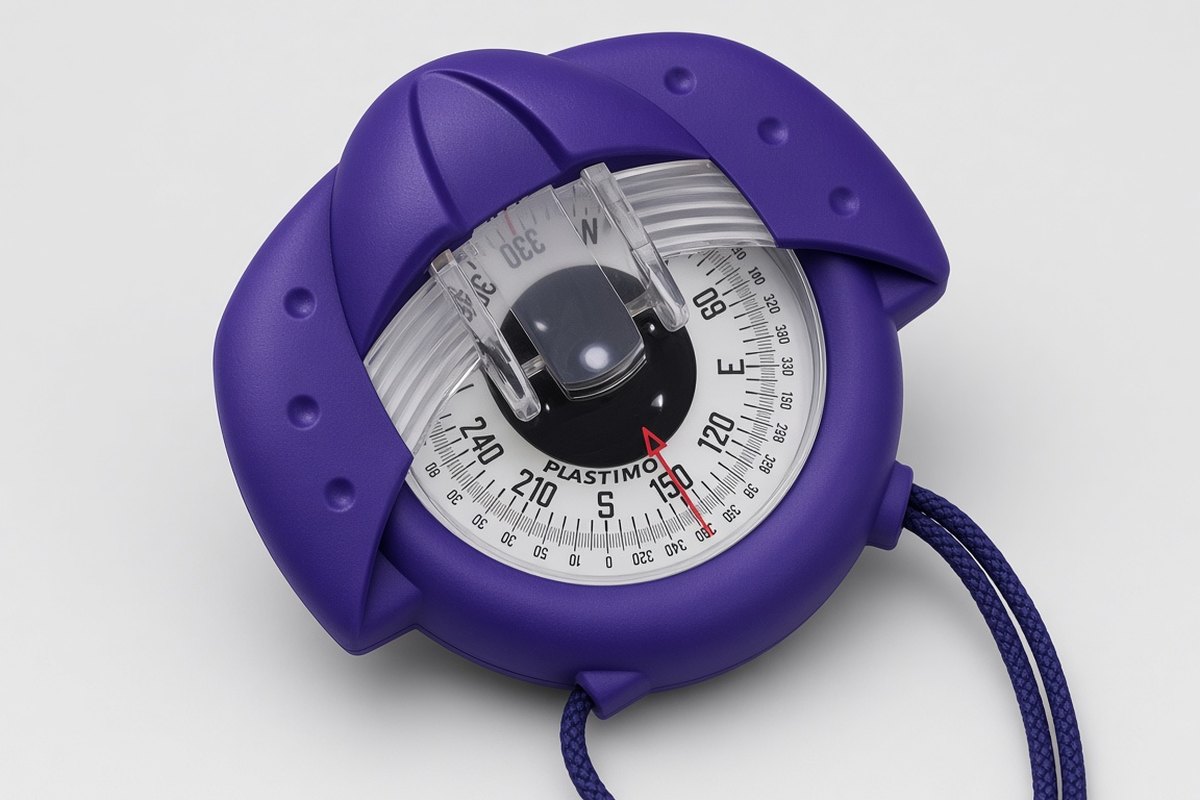
The Iris title is IRIS 50 - Hand Bearing Compass (Blue). The brand cell says Nautos. The manufacturer cell says Plastimo. The manufacturer-part cell says 63870. Nautos on the brand cell and Plastimo on the dial are the same kind of split as Rothco and G96 on a different desk: the cell and the object disagree, and the object says Plastimo. The weight cell says 105 g. A bullet repeats 105 g. Those two agree, which is rarer than it should be. The bullets also say graduation every 1 degree, a field of view of 20 degrees, a clearance of 12 degrees, photoluminescent lighting, and red lubber lines. The description says a prism reads to infinity with no parallax, mentions a soft bottom, spells a weld as ultra-somic, says there are no batteries and no tritium, and says the compass has two jobs: a hand bearing and a traditional reading from above. The material cell says Plastic. The number-of-items cell says 1. This fetch did not show a UPC. Do not invent one. The rank on the fetched card was inside boat compasses. Rank is not the part number.
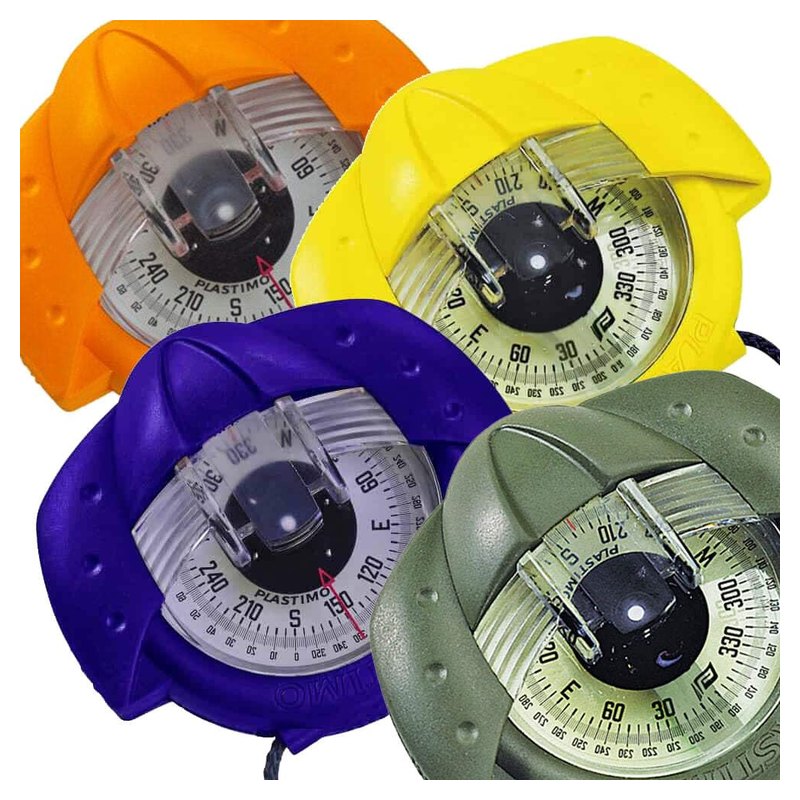
Blue in the Iris title and violet in the studio photo are the color conflict. The housing in the main product frame is a deep purple. The dial says PLASTIMO. The lanyard is dark. If you order “blue” and receive the violet housing this photo shows, you received the listing’s picture, not a different compass. If you needed a blue housing that matches a paint chip, this photo is not that paint chip. The card never prints a Pantone. Photoluminescent means the marks are supposed to glow after a light, and the description says there is no tritium and no battery. You cannot switch this compass on. You charge the glow with a lamp. The 1-degree graduation is a printed resolution, not a statement that you will hold it steady enough to use that resolution on a small boat.
| Job | Ritchie X-10B-M | Plastimo Iris 50 | Buy |
|---|---|---|---|
| Where it lives | Bracket mount. Title says 2-inch dial | Handheld, lanyard, prism | Bracket for the helm. Iris for a bearing in your hand. |
| The part to match | Part cell X-10B-M. Model cell says X-10-M | Part 63870. Brand cell says Nautos | Match the part cell, then look at the object. |
| Color the page argues about | Title says black dial. Studio frame shows a blue card | Title says Blue. Studio frame shows a violet housing | Believe the frame you are looking at, and keep the part number. |
| A weight you can quote | 3.2 ounces | 105 g, in the cell and a bullet | Different units, different jobs. Do not add them. |
| Light | Description says green illumination | Photoluminescent. No battery. No tritium | One claims a light. One claims glow and no cell. |
Who should buy the bracket compass, and who should buy the Iris?
Buy X-10B-M if you want a bracket compass for a small helm and you will look at the primary photo, blue card included, before you insist the dial is black because the title said so. Buy it if 3.2 ounces and a 5-by-4-inch dimensions cell fit the dash you measured, and if you will also check the description’s 2.9 depth and 2.3 height against that dash. Buy 63870 if you want a hand-bearing compass, a 1-degree card, a prism, and a glow that does not use a battery. Buy the Iris if you can accept a violet housing under a title that says Blue, or return it if your definition of blue excludes that photo. Do not buy the Iris to bolt to a dash. The card does not include a bracket. Do not buy the Ritchie to hang around your neck. The special-feature cell says Portable, and the title says Bracket Mount. Portable is the junk word. Bracket is the job.
A hand bearing and a steering compass answer different questions. The steering compass, if it is mounted and compensated, tells you where the bow is pointing. The Iris description says you can take a bearing and also read a course from above. It does not say it replaces a bolted compass in a steel pilothouse. The Ritchie description mentions compensators. It does not walk you through the compensation. This article will not invent the screwdriver turns. Read the paper that ships in the box, and remember the included-components cell did not list that paper.
What the Ritchie X-10B-M is actually for
It is one bracket-mount marine compass with a roughly 2-inch dial, a dark housing, and a bracket. The title’s “direct reading” is the style of card, not a digital display. There is no battery cell and no screen. The green illumination in the description needs whatever power the installation uses, and the card does not print a voltage. Do not assume 12 volts because other boat gear is 12 volts. If the lamp is a separate bulb, the included-components cell did not say so. The compensators in the description are the screws or slugs you set so the compass agrees with a known heading. The card does not print a deviation table. A sapphire jewel line in a family blurb is a bearing claim. It is not a shock rating. The China bullet is an origin line. It does not change the part number.
Four UPCs mean you should scan and write the code down next to X-10B-M. The model cell X-10-M without the B is the trap in a reorder. A seller searching X-10-M may be in a different finish. The title and the part cell include the B. Use them. The ESRI item-type string is safe to ignore. The warranty cell that says only Warranty is safe to ignore in favor of reading the five-year sentence, and then reading the exclusions that sentence does not include. Misspelled Richie in a family paragraph is a copy error. The housing in the photo says RITCHIE.
What the Plastimo Iris 50 is actually for
It is one handheld bearing compass, part 63870, about 105 g, with a prism and a lanyard. You sight across the prism and read the bearing. The 20-degree field of view and the 12-degree clearance are optical numbers from the bullets, not a promise about your eyesight. The 1-degree marks are the card’s resolution. A bouncing small boat will not let you hold a single degree, and the card does not claim it will. The soft bottom in the description is the part that rests in your hand. The ultra-somic spelling is a weld claim with a typo. It is not a feature named “sonic.” No batteries and no tritium means you do not ship this as a radioactive item and you do not charge it with USB. You shine a light on it if you want the photoluminescent marks to glow. The second job, reading a course from above, is the description’s way of saying the dial works when you are not at the prism. It is still a handheld compass, not a bolted one.
Nautos in the brand cell is the reorder trap, the way X-10-M is the trap on the other card. Search Plastimo and 63870. If a listing’s only identifier is Nautos and the dial does not say Plastimo, you may be next door to this product. The violet housing is what the studio frame shows. Call it the color of the photo, and let the title’s Blue sit beside that as the conflict. There is no second color selector in the facts this fetch kept. One item. One housing.
How to use them without mixing the two jobs
Mount the Ritchie where you can see it while you steer, on the bracket, away from a speaker magnet and a phone mount if you can. The card does not print a minimum distance from electronics. Compensation is the description’s compensators, done on a calm day against a heading you already trust, not in a channel with a current. The green light, if the lamp works, is for night. It is not a navigation light for other boats. The Iris stays on the lanyard around your neck or on a cleat, not bolted through the violet housing. Take a bearing on a charted object, then put the handheld down and steer by the bracket compass if you have both. Owning only the Iris means you are taking bearings and then steering by the memory of the last one, which is a procedure the card does not teach. This page will not teach coastal navigation in a paragraph. It will tell you the two tools are not substitutes.
Do not paint the Ritchie housing to settle the black-versus-blue argument. Do not dye the Iris. Do not expect the photoluminescent marks to glow all night without a fresh light on them. The card does not print a glow duration. Do not open either dome. There is no service cell that says the capsule is user-serviceable. A bubble in a compass is a reason to read the warranty sentence, the five-year line on the Ritchie description, and the Iris card’s silence on a year count. This fetch did not see a year-count warranty on the Iris. Do not copy the Ritchie’s five years onto part 63870.
What actually fails on these two cards
The Ritchie card fails when X-10-M in the model cell is ordered instead of X-10B-M. It fails when the blue card in the studio frame is called black because the title insisted. It fails when four UPCs are collapsed into one. It fails when ESRI in the item type is treated as a feature. It fails when Portable is read as permission to skip the bracket. It fails when 5 by 4 inches is used and the 2.9 depth is forgotten, or the reverse. It fails when a kayak snapshot, a flush mount, or a map from the gallery is used as the product photo. The Iris card fails when Blue is treated as a paint match the violet housing cannot meet. It fails when Nautos is the only brand a reorder uses. It fails when 105 g is converted sloppily and the bullet that already says 105 g is ignored. It fails when no-tritium and no-battery are read as “no light at all” and the photoluminescent bullet is skipped. It fails when the prism compass is bolted down like a helm unit.
Both cards fail if you wanted a GPS, a chartplotter, or a VHF. Those are other listings. Both fail if a single customer photo of a boat is used as proof the compass works on that hull. A photo of a boat is not a deviation card. Both fail the included-components test in different ways: the Ritchie prints a category path, and the Iris fetch did not produce a UPC. Absence of a UPC is not a defect by itself. It means you match 63870 and the dial instead.
What this comparison is not
This is not a navigation course. This is not a claim that a sapphire jewel or a 1-degree card makes you safer by a measured amount. This is not the flush-mount Ritchie that appears in the same gallery and is a different shape. This is not a kayak compass from a customer photo. This is not a price quote. No verified public clip of part X-10B-M or part 63870 was embedded here. A video of a different compass is not this pair. There is no VideoObject on this page. This is not a statement that the violet housing is mislabeled in a legal sense. It is a statement that the title says Blue and the studio frame shows violet, and you should see that before you pay.
So which compass should you buy?
Buy Ritchie part X-10B-M if you want the bracket-mount helm compass, you will discount the model cell’s missing B, and you will look at the blue card in the studio frame before you believe the title’s black dial. Buy Plastimo part 63870 if you want the handheld Iris, the 105 g cell, the 1-degree marks, and the prism, and you will accept the violet housing the photo shows under a Blue title. Buy both only if you actually need a steering compass and a bearing compass. They do not do the same job. Buy a radio from the VHF comparison if the thing you lack is a voice. Match the part, then the photo, then the mount.
Frequently asked questions
Ritchie X-10B-M or Plastimo Iris 50?
X-10B-M if you want a bracket-mount helm compass. Part 63870 if you want a handheld bearing compass with a prism. They are not the same job.
Why does the Ritchie model cell say X-10-M?
The model-number cell says X-10-M. The title and the manufacturer-part cell say X-10B-M. Match the part cell. Dropping the B is how a reorder lands on a different token.
Is the Ritchie dial black?
The title says a black 2-inch direct-reading dial. The primary studio frame shows a blue card with white numerals and a dark housing. Look at that frame before you trust the word black.
Why is the Iris violet if the title says Blue?
The title says Hand Bearing Compass (Blue). The studio housing is violet, and the dial says PLASTIMO. If you need a paint-chip blue, this photo is not that chip. The part to match is 63870.
Does the Iris take a battery?
The description says no batteries and no tritium. A bullet says photoluminescent lighting. You charge the glow with a lamp. You do not switch it on.
Is there a video?
No. No verified public clip of part X-10B-M or part 63870 was embedded. A film of a different compass is not this pair. There is no VideoObject.