
How to Rinse a Fishing Reel After Saltwater
Written by Outdoors Magazine|
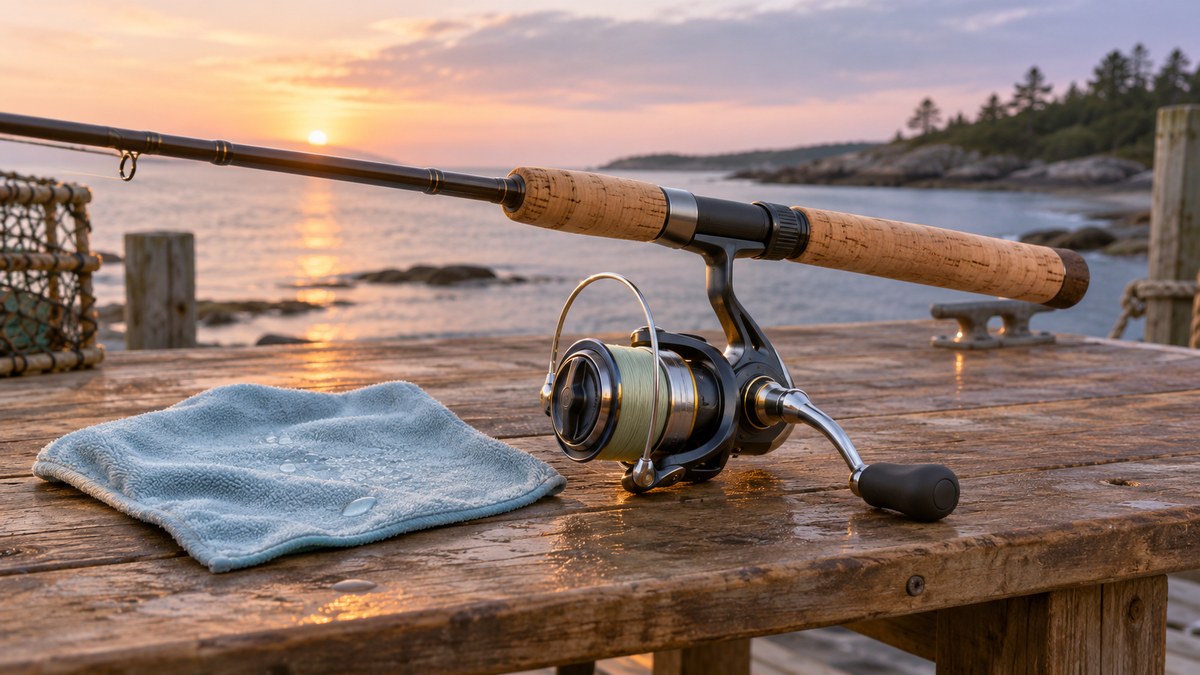
Saltwater spray is enough reason to clean a fishing reel. Follow the care instructions for your exact model, remove salt gently from the outside with fresh water or a damp cloth as directed, and dry before putting the reel away. Avoid a powerful jet or an intentional dunk. Drag settings, drying steps and lubrication can differ between reel manuals.
Key takeaways
- Check the care instructions for the exact reel before getting it wet.
- Remove salt gently without spraying water into the mechanism.
- Use the manufacturer’s drag and drying sequence; treat immersion separately.
Saltwater spray is enough reason to clean a fishing reel. Follow the care instructions for your exact model, remove salt gently from the outside with fresh water or a damp cloth as directed, and dry before putting the reel away. Avoid a powerful jet or an intentional dunk. Drag settings, drying steps and lubrication can differ between reel manuals.
Hero: Generated editorial photograph for illustration.
The distinction that makes this easier: routine spray on the exterior is not the same problem as a reel that went underwater. The first calls for ordinary cleanup. The second may need model-specific recovery or a service bench. If a wave knocked your rod into the water, don’t let the fact that the handle still turns persuade you that the inside is clean.
What should you check before the reel gets wet?
Identify the manufacturer, model and reel type before starting. A spinning reel’s front drag knob, a star drag and a lever drag are different controls. Find the routine cleaning section of that model’s instructions and check how it handles fresh water, drag position, drying and storage before moving anything.
The model code is more useful than the brand name alone. Keep the box label, manual or a screenshot of the correct product support page in your tackle notes. A manual for a similarly named reel in another size or generation may cover different seals or controls. If you bought it secondhand, identify the version before following a video about a lookalike.
Set up a clean cloth, a dry towel and a source of fresh water, but don’t turn on the tap or hose until you know which method the maker allows. Secure any exposed hooks away from your hands. Choose a stable surface clear of sand and dirt. If you’re sharing a wash station, move away from anyone using a hard spray on a boat deck so their wash water doesn’t hit the reel.
Read any separate instructions for a reel with electrical connections, a battery or a display. Don’t assume an outdoor rinse that makes sense for a conventional mechanical model is allowed around plugged-in components or a particular terminal. Never improvise by covering an opening with tape and treating the rest as waterproof.
How do you remove salt without forcing water inside?
Use the least force needed to remove surface salt and follow the reel maker’s instructions. Some guidance calls for a fresh-water damp cloth; some allows a light mist or gentle fresh-water rinse. Keep the cleaning on the exterior. Don’t blast the reel, immerse it for routine cleaning, or direct water into openings.
A wash station can make a very fine mist and a hard jet look deceptively similar at a distance. If you can’t control the stream, don’t hold the reel in it. Where the manufacturer allows it, a clean cloth dampened with fresh water is easier to control. Wipe in short passes and turn to a clean part of the cloth rather than spreading salty water from one part of the reel to another.
Look at the places that catch spray: the outer spool, the bail or frame and the exterior near the handle. These are places to remove visible residue, not places to inject water or poke tools into the body. If you see grit, resist scrubbing it against the finish or into an opening. Shimano UK’s reel maintenance guide recommends lifting away dirt without pressing hard, then describes a cold fresh-water rinse and specifically rules out submerging the reel.
You don’t need to separate the reel from the rod just to wash both. But don’t rinse the rod and let a concentrated stream drain across the reel simply because the two are attached. Wash the rod according to its own guidance; then look at the reel as a separate piece of equipment.
What do Shimano, PENN and Daiwa say about the drag?
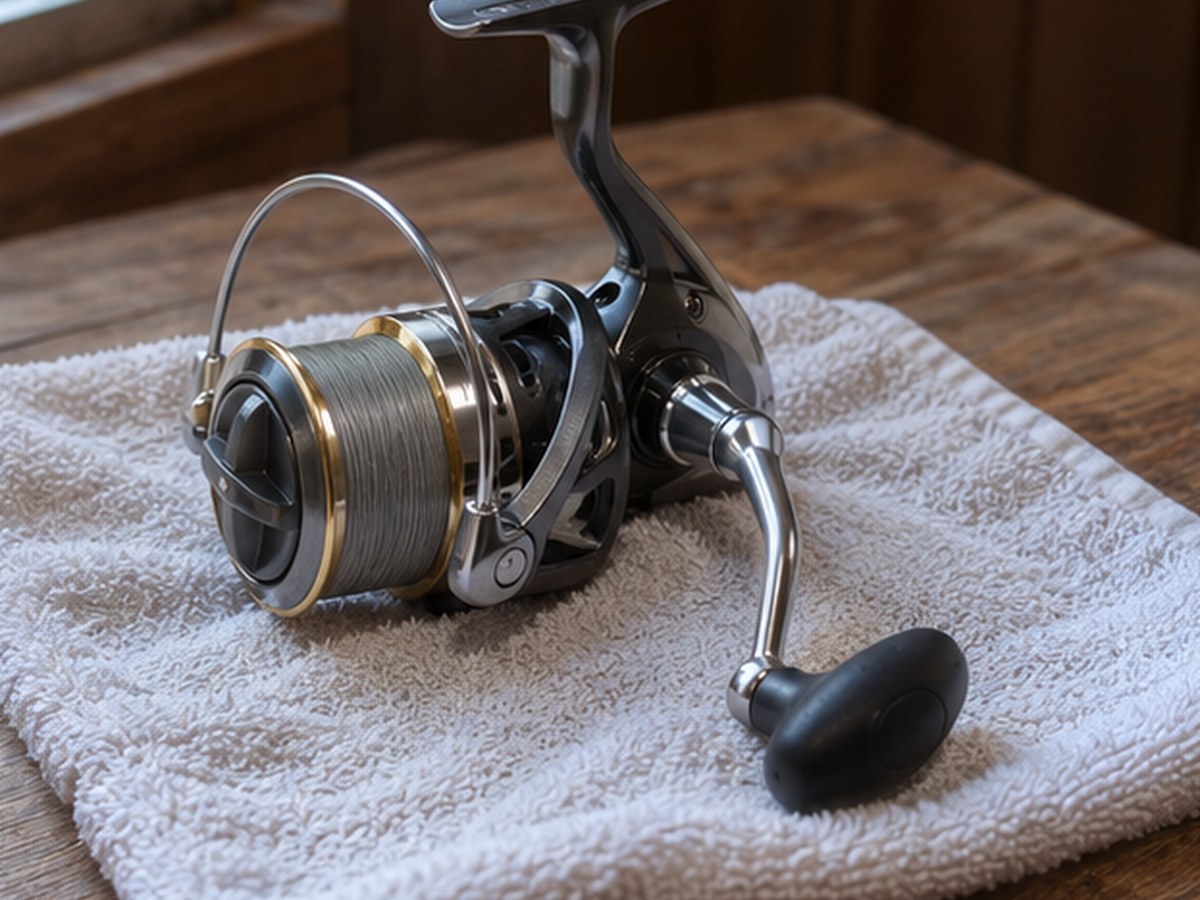
The published examples agree on taking care with the drag, but they don’t give one identical sequence. Shimano Australia’s beach guidance and PENN Australia’s general guide describe tightening before cleaning and drying before loosening. Daiwa’s general routine says to wipe away excess water, release drag tension, then let the gear air-dry out of the sun.
Shimano Australia’s beach-fishing care article starts by tightening the drag, then wiping with a fresh-water-soaked rag and drying with a separate towel. It addresses sand as a beach-fishing problem and describes limited spool and handle access after exterior drying. Don’t treat those later steps as a requirement to remove parts every time, and don’t use a beach article in place of a particular reel’s manual.
PENN Australia’s maintenance guide describes tightening the drag knob, using a light fresh-water spray rather than high pressure, wiping the reel dry and loosening the drag. The same guide separates spinning, overhead and electric reel care. Know which set of instructions you’re reading before applying details about lubrication or disassembly. A step that names a drag knob is not permission to crank on a lever or change a preset you don’t understand.
Daiwa’s published maintenance FAQ calls for a fine fresh-water mist on the outside after tightening the drag. In that routine it says to remove the excess water before freeing the drag tension and finishing the air-dry out of the sun. That is a practical reason to copy the order from the instructions you’re using, rather than borrowing the rinsing step from one maker and the storage step from another.
There’s no benefit to substituting extra force for a clear instruction. If the manual says to close or engage a control before washing, use the appropriate setting for that reel. If it says how to store the drag afterward, follow that direction and check the fishing setting again before your next outing.
How do you dry the reel without trapping moisture?
Wipe external water away with a clean towel, then let the reel finish drying in a ventilated spot before enclosing it. Follow your model’s order for releasing the drag. A dry-looking body doesn’t prove the whole reel is dry, and an enclosed bag is a poor place to finish the job.
Keep the reel away from wet tackle while it dries. A towel underneath can keep the counter clean, but a towel wrapped around the reel traps the dampness you’re trying to remove. If the surface underneath becomes wet, move the reel to a clean, dry section. Don’t rush the job with a heat gun or a blast of compressed air. Use ordinary airflow and the maker’s prescribed steps.
Before packing up, make sure the case itself is dry. A bag that spent the day on a boat floor can keep a clean reel damp overnight. Leave the zipper open while the bag dries, and don’t set an open case where it will collect grit or salt spray. If you routinely fix a reel to a rod before leaving for a trip, a quick note on the case can remind you to check your fishing drag before casting again.
Keep oil separate from the rinse routine. Don’t add it to a bearing or service port just because you can see an opening. Shimano UK gives targeted advice for models with its maintenance port, while Daiwa warns against spraying penetrating aerosol lubricant directly onto or into its reels. Those are different instructions, and neither makes a cleaning spray a substitute for proper service.
What changes if a reel was submerged or packed with sand?
Stop treating it as ordinary splash cleanup. Find the brand’s instructions for immersion or sand contamination and contact its service team if the reel binds, grinds, or has an uncertain recovery procedure. Don’t force the handle or open the gearbox simply to see whether water got in. Exterior drying does not check internal parts.
Daiwa’s immersion guidance is separate from its daily misting routine. It recommends a fresh-water spray after saltwater immersion and getting the reel to its service department as soon as possible. Apply that to the situation Daiwa describes, not as a general claim that every reel should be flushed or that a spray cures water inside.
If the reel went into wet sand but not underwater, note whether the grit is only visible on the outside or whether it also feels wrong when you lightly operate the controls. Deep disassembly is a different task. Shimano Australia’s beach guidance limits how far it recommends taking a reel apart during ordinary care. If you don’t know whether you’re looking at a removable exterior part or an internal assembly, stop and ask the maker or an authorized service shop.
Write down the model, the type of water and roughly how long the reel was in it before contacting service. Mention whether it was turned afterward and what you’ve already done. That information is more useful than describing the reel as waterproof or guessing which bearing is affected. Don’t try to reproduce the problem with another dunk.
How can you make the routine easier after every outing?
Make cleaning a short habit rather than a repair project. Set out the correct cloth and towel, keep the model instructions handy, and separate a routine splash cleanup from anything unusual. At the end, check that the reel and case are dry and leave the drag in the storage position the maker recommends.
For a shore trip, make a clean spot to rest the rod before you put down the tackle bag. Even an easy rinse takes longer when you first have to separate the reel from a pile of sand, wet leader and hooks. If you’ve been out on a boat, remove the salt as directed rather than counting on the spray to evaporate. Salt left after drying is still residue.
The important decisions are easy to remember: identify the reel, use the right exterior method, follow the drag sequence, dry it and store it correctly. If something unexpected happened, put that reel aside and look up the relevant instructions instead of applying the routine by habit. Keep water pressure and invasive repairs out of the checklist unless doing a manufacturer-directed service procedure.
If you’re comparing tackle, the Daiwa BG2500 and PENN Battle IV 2500 comparison is useful context about two specific spinning reels. Keep the shopping question separate from the care question: even if you choose a reel intended for use around salt, use the instructions for the one you actually own. No seal description makes it a good idea to test the limit during cleanup.
A simple way to make the routine stick is to assign the reel a place to dry before you leave home. Put a clean towel beside the gear rack and keep a fresh cloth somewhere separate from the rags used on the boat. That small separation matters when the boat cloth is already full of salt or sand. If the reel is unfamiliar, pull up the manufacturer’s instructions while you can see the label on the reel foot and match it to the right model.
If you are cleaning two outfits, work on one at a time. A compact spinning reel and a conventional reel can share the same wet trip without sharing the same maintenance sequence. Leave both out until their exterior is dry, but check each manual before moving a drag knob, opening a cover or adding anything to a moving part. Put the cleaning cloth out to dry too, so it is ready for the next outing.
Frequently asked questions
Can I use a pressure washer on a fishing reel?
No. Keep high-pressure spray off the reel. Use the exterior cleaning method specified by the manufacturer, such as a damp fresh-water cloth or a light fresh-water spray.
Should I tighten or loosen the drag before a rinse?
Follow your exact model’s instructions. Some spinning-reel guidance calls for tightening before exterior cleaning and releasing the tension afterward. The timing of the release and final drying steps can differ.
Can I put a clean reel back in its bag while it is damp?
Wait. Wipe off exterior water and finish drying the reel where air can circulate. Check that the inside of the bag is dry before closing it.
Is a rinse enough after my reel was dunked in saltwater?
Don’t assume it is. Check the manufacturer’s immersion instructions and arrange service if needed, especially if the reel feels rough or won’t operate normally.