
Reasons Why You Should Go Camping Regularly, Not Just Once a Year
Written by John Wren|
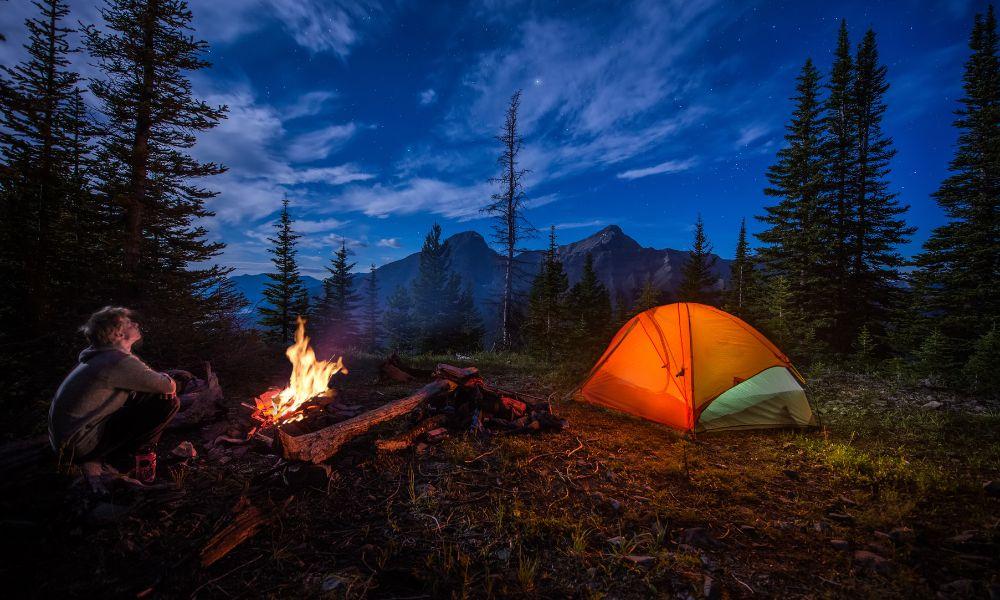
Camping regularly builds compounding stress relief, genuinely retained outdoor skills, and a deeper relationship with specific places compared to a single annual trip. Start with smaller, more frequent trips close to home to build the habit affordably.
Key takeaways
- Stress and mood benefits from nature build with repeated exposure.
- Camping skills only develop meaningfully through repetition.
- Regular camping is often more cost-effective than occasional trips.
- Start with smaller, frequent trips close to home to build the habit.
Camping regularly — not just a single annual trip, but a recurring seasonal habit — delivers compounding benefits that a once-a-year trip simply cannot match: genuine stress reduction that builds over repeated exposure, real skill and confidence development in the outdoors, and family or personal traditions that grow richer each time you return to them. The short answer: the physical and mental health benefits of time outdoors, the practical skills you build with repetition, and the deepening connection to specific places you return to again and again make regular camping a genuinely different experience from an occasional trip.
Short version. Regular time outdoors is associated with measurable stress and mood benefits that build with repeated exposure, not just a single trip. Camping skills — setup efficiency, cooking, navigation, weather reading — improve dramatically with practice in a way a once-a-year trip never allows. Returning to familiar camping spots across seasons builds a genuine relationship with a place that a single visit cannot replicate.
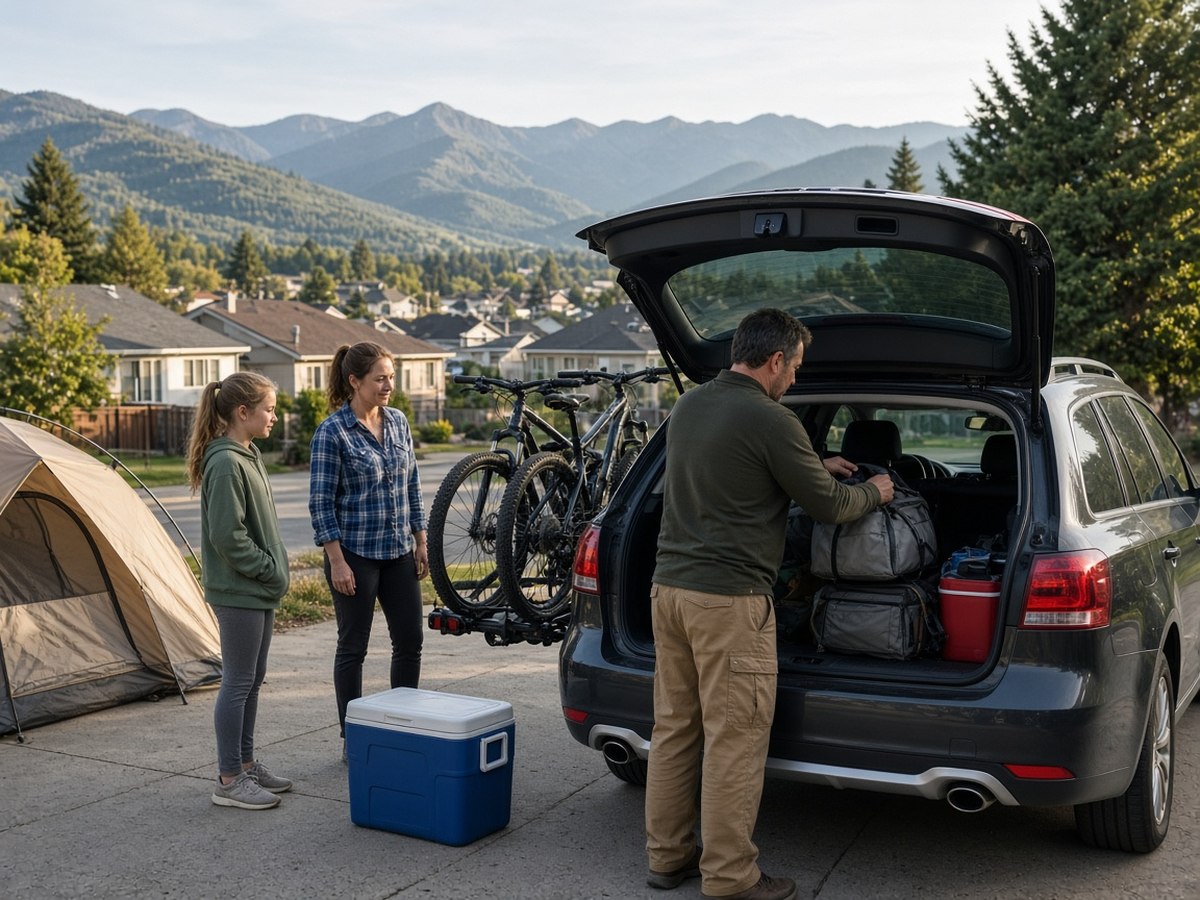
The health benefits compound with repetition
Research on time spent in nature consistently links outdoor exposure to reduced stress hormone levels, improved mood, and better sleep quality, and these benefits appear to build with more frequent, regular exposure rather than a single isolated trip providing a one-time reset. A family or individual who camps regularly across a season builds a kind of ongoing stress-management practice, similar to how regular exercise delivers more benefit than a single intense workout followed by months of inactivity.
Sleep quality specifically tends to improve with regular camping, since exposure to natural light-dark cycles without the artificial light pollution of home environments helps reset circadian rhythms that can drift out of alignment with a typical indoor lifestyle. Frequent campers often report this effect intensifying — falling asleep faster and sleeping more soundly — the more consistently they spend time camping across a season.
Skills that only develop through repetition
Camping skills — efficient tent and camp setup, cooking over a fire or camp stove, reading weather and adjusting plans accordingly, and basic wilderness navigation — genuinely improve with repeated practice in a way that a single annual trip simply does not allow. A family camping once a year essentially relearns basic setup and logistics from near-scratch each time, while a family camping regularly through a season builds real, retained competence that makes each subsequent trip smoother and more enjoyable.
This skill development matters especially for children, who benefit enormously from repeated, low-stakes practice building a fire, setting up a tent, or navigating a familiar trail. Confidence built through this kind of repetition tends to translate into a lifelong comfort with the outdoors that a handful of memorable but infrequent trips rarely produces to the same degree.
Building a real relationship with specific places
Returning to the same campground, region, or trail system across multiple seasons builds a genuine, layered relationship with that place — noticing how it changes across seasons, developing favorite specific spots within a larger area, and accumulating a shared history of memories tied to a familiar location. This kind of deep, repeated connection to a specific place is simply unavailable to someone who camps once a year in a different, unfamiliar location each time.
Regular camping is often more affordable than people expect
Once you own the core gear — tent, sleeping bags, a cooler, basic cooking equipment — the marginal cost of an additional camping trip is quite low compared to most other recreational activities or vacation styles, particularly compared to hotel-based travel. Frequent campers often find that the upfront gear investment pays for itself many times over across a season or two of regular use, making camping one of the more cost-effective ways to build a recurring outdoor recreation habit for a family or individual on a budget.
Family bonding that deepens with a shared tradition
A recurring camping tradition — the same weekend each month, the same annual trip to a favorite spot, or simply a habit of camping whenever the weather allows — becomes a genuine family tradition that children look forward to and remember fondly well into adulthood, in a way that a single memorable but non-recurring trip often does not achieve to the same degree. Shared responsibilities that develop naturally with repeated camping — who sets up the tent, who starts the fire, who handles navigation — also build genuine teamwork and confidence within a family unit over time.
Experiencing the outdoors across all seasons, not just summer
Camping only once a year, often in peak summer, means missing the genuinely different experiences that spring, fall, and even winter camping offer — different wildlife activity, different weather challenges and rewards, and often significantly less crowded conditions outside peak season. Regular camping across multiple seasons builds a much fuller understanding of a region or favorite camping spot's full character, rather than a single snapshot limited to whatever conditions happened to exist during one annual trip.
Gear investment makes more sense with regular use
Investing in quality gear — a genuinely comfortable sleeping system, a reliable stove, weather-appropriate layers — makes far more financial sense for someone who camps regularly and will use that gear dozens of times a year, compared to someone camping once annually who might reasonably question whether the investment is worthwhile. This creates a positive cycle where regular camping justifies better gear, and better gear in turn makes each camping trip more comfortable and enjoyable, further reinforcing the habit.
Building the habit if you are not already a regular camper
Start smaller and more frequently rather than planning one elaborate annual trip — a handful of simple, close-to-home weekend camping trips across a season builds the habit, the skills, and the enjoyment far more effectively than a single ambitious trip planned once a year. Local state parks and nearby public land often offer perfectly good camping within an hour or two of most people's homes, removing the travel-time barrier that can make camping feel like a bigger undertaking than it needs to be for a regular weekend habit.
Building a camping community over time
Regular campers often develop a genuine community around shared campgrounds, camping clubs, or recurring group trips with friends and extended family, which adds a social dimension to the activity that a single annual trip rarely builds to the same degree. This community aspect can become one of the most valued parts of a regular camping habit, providing not just companionship on trips but a broader network of people who share gear recommendations, destination ideas, and encouragement to keep the habit going through busy seasons when motivation might otherwise lapse.
Camping clubs and organized group camping trips, whether through a local outdoor recreation organization or simply a recurring arrangement with friends, also introduce variety and new destination ideas that a single family camping alone might not discover on their own, further enriching the overall experience of a regular camping habit compared to a solitary annual trip.
Physical fitness benefits that build with regularity
Camping regularly, especially when combined with hiking, kayaking, or other active pursuits typical of a camping trip, provides a recurring source of physical activity that compounds over a season in the same way any regular exercise habit does. Unlike a single annual trip that might provide a burst of activity followed by months of a more sedentary routine, regular camping builds a sustained pattern of outdoor physical activity that contributes meaningfully to overall fitness and health over the course of a year.
This is particularly valuable for families trying to build healthy activity habits in children, since a regular camping routine naturally incorporates walking, exploring, and active play in a way that feels like recreation rather than a structured, sometimes resisted exercise routine imposed for its own sake.
Deeper appreciation for conservation and public land
Regular campers tend to develop a stronger personal stake in conservation and public land stewardship than occasional visitors, simply because they interact with these resources more frequently and notice changes — degradation, improvement, or management decisions — over time in a way an occasional visitor typically does not. This deeper engagement often translates into more active support for public land funding, cleanup efforts, and conservation advocacy, since regular campers have a genuine, ongoing relationship with the resource rather than an abstract, occasional interest.
Weather and schedule flexibility become less stressful
A single annual camping trip carries real pressure to happen on a specific weekend regardless of forecast, since rescheduling might mean waiting an entire year for the next opportunity. Regular campers face far less of this pressure, since a rained-out or otherwise disrupted weekend simply means trying again in a couple of weeks rather than losing the entire year's outdoor recreation opportunity. This flexibility removes a genuine source of stress and disappointment that occasional campers often experience when weather or scheduling conflicts threaten their one planned trip of the year.
| Benefit | Single annual trip | Regular camping |
|---|---|---|
| Stress reduction | Temporary reset | Compounding, ongoing benefit |
| Skill development | Relearned each time | Genuinely retained and improved |
| Connection to place | Limited, one-time impression | Deep, layered relationship over seasons |
| Cost per trip | High relative to gear investment | Low marginal cost after initial gear purchase |
Our take: the real benefits of camping — stress relief, skill building, family tradition, and connection to place — all compound with regularity in a way a single annual trip cannot replicate. Start with smaller, more frequent trips close to home to build the habit before planning bigger, more ambitious outings.
A growing collection of shared memories
Each regular camping trip adds another layer to a family's or individual's collection of outdoor memories, and unlike a single big annual trip that stands alone, a series of regular trips builds a connected narrative — the year it rained the whole weekend, the trip where everyone learned to fish, the spot where you always see deer at dawn. This accumulated, connected set of memories tends to be recalled and treasured more vividly over the years than a handful of isolated, disconnected big trips spread across a decade.
What each trip teaches for the next one
Every camping trip, even a modest weekend close to home, teaches small lessons — a piece of gear you wished you had, a meal that worked well, a site feature you loved or want to avoid next time — that make each subsequent trip meaningfully better than the last. This iterative improvement is one of the quieter but most valuable benefits of regular camping, since it turns what might otherwise be a repetitive activity into an ongoing process of genuine refinement and increasing enjoyment. That sense of steady improvement is part of what keeps regular campers coming back season after season, long after the novelty of a first trip has worn off. It is a genuinely renewable source of satisfaction that a once-a-year trip simply cannot offer at the same pace.
Frequently asked questions
Is camping regularly actually better for stress relief than one big trip?
Yes, research suggests stress and mood benefits from time in nature build with repeated exposure, similar to how regular exercise outperforms a single intense workout followed by inactivity.
Does camping regularly save money compared to occasional trips?
Often yes, since the marginal cost of an additional trip is low once you own core gear, making regular camping one of the more cost-effective recurring recreation habits.
How does regular camping help kids specifically?
Repeated, low-stakes practice building fires, setting up tents, and navigating familiar trails builds genuine confidence and outdoor competence that a single annual trip rarely achieves to the same degree.
Should I invest in better gear if I camp regularly?
Yes, quality gear investment makes more financial and practical sense the more frequently you camp, since you will use and benefit from it many more times across a season.
How do I start camping more regularly?
Start with smaller, more frequent trips close to home rather than planning one elaborate annual trip. Local state parks often offer good camping within an hour or two of most homes.
Is off-season camping worth trying?
Yes. Camping across multiple seasons, not just peak summer, reveals a fuller picture of a region's wildlife, weather, and crowd levels, and often means a quieter, more varied experience overall.