
The Quietest Portable Generators for Camping (2026)
Written by John Wren|
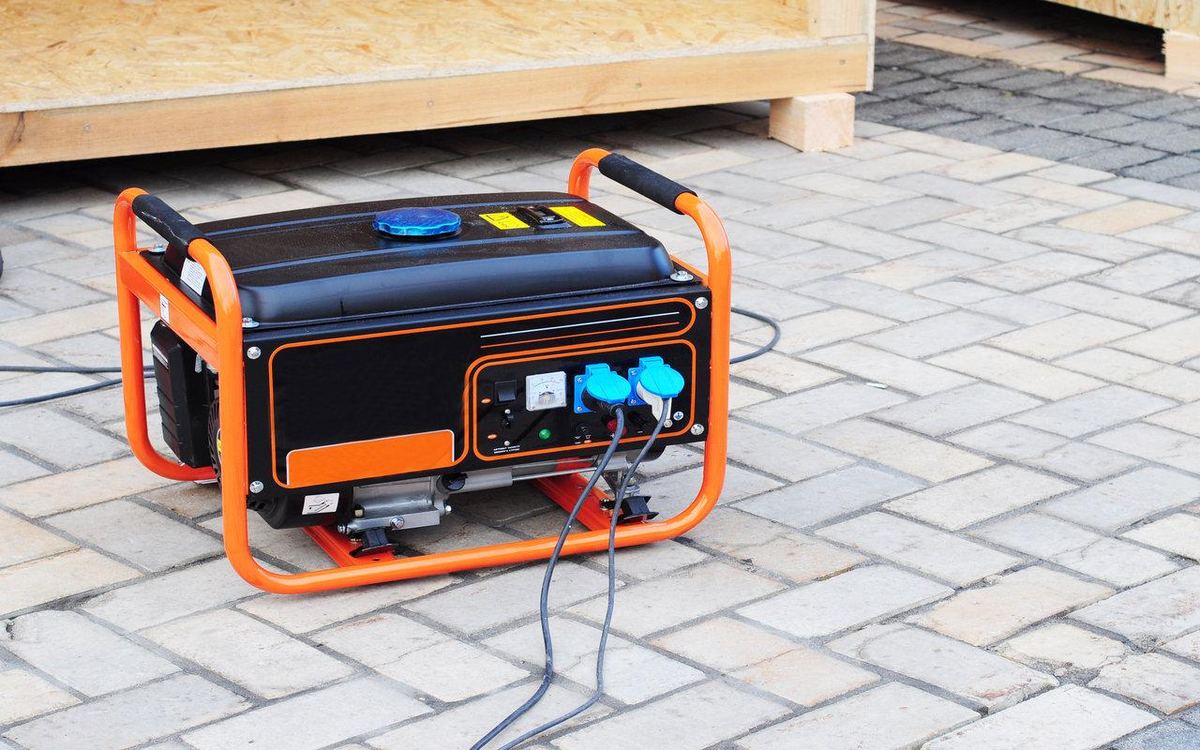
Choose a Honda EU2200i-class inverter generator for extended runtime and higher continuous wattage with modest mechanical noise, or a Jackery-class battery power station for true silence within a finite capacity. Pair either with solar panels for the quietest extended setup.
Key takeaways
- Inverter generators run quieter by varying engine speed with actual load.
- Battery power stations produce zero operating noise but finite capacity.
- Check campground generator policies and quiet hours before you go.
- Solar panels extend either option's usable runtime without added noise.
The quietest realistic options for camping power are inverter generators like the Honda EU2200i, running in the high-40s to high-50s decibel range, or a battery-based power station like the Jackery Explorer 2000 v2, which produces essentially no noise at all since it has no engine running while in use. The short answer: choose a gas inverter generator if you need genuine extended runtime and higher continuous wattage, or a battery power station if your power needs fit within a battery's capacity and true silence matters more than unlimited runtime.
Short version. Honda's EU2200i-class inverter generators are the benchmark for quiet gas generators, using inverter technology that varies engine speed with actual load rather than running at a constant, louder RPM. Battery power stations like the Jackery Explorer line produce zero operating noise and no exhaust fumes, at the cost of finite battery capacity that requires recharging from a wall outlet, solar panel, or vehicle. Neither camp is universally quieter or better — match the choice to your actual power needs and trip length.
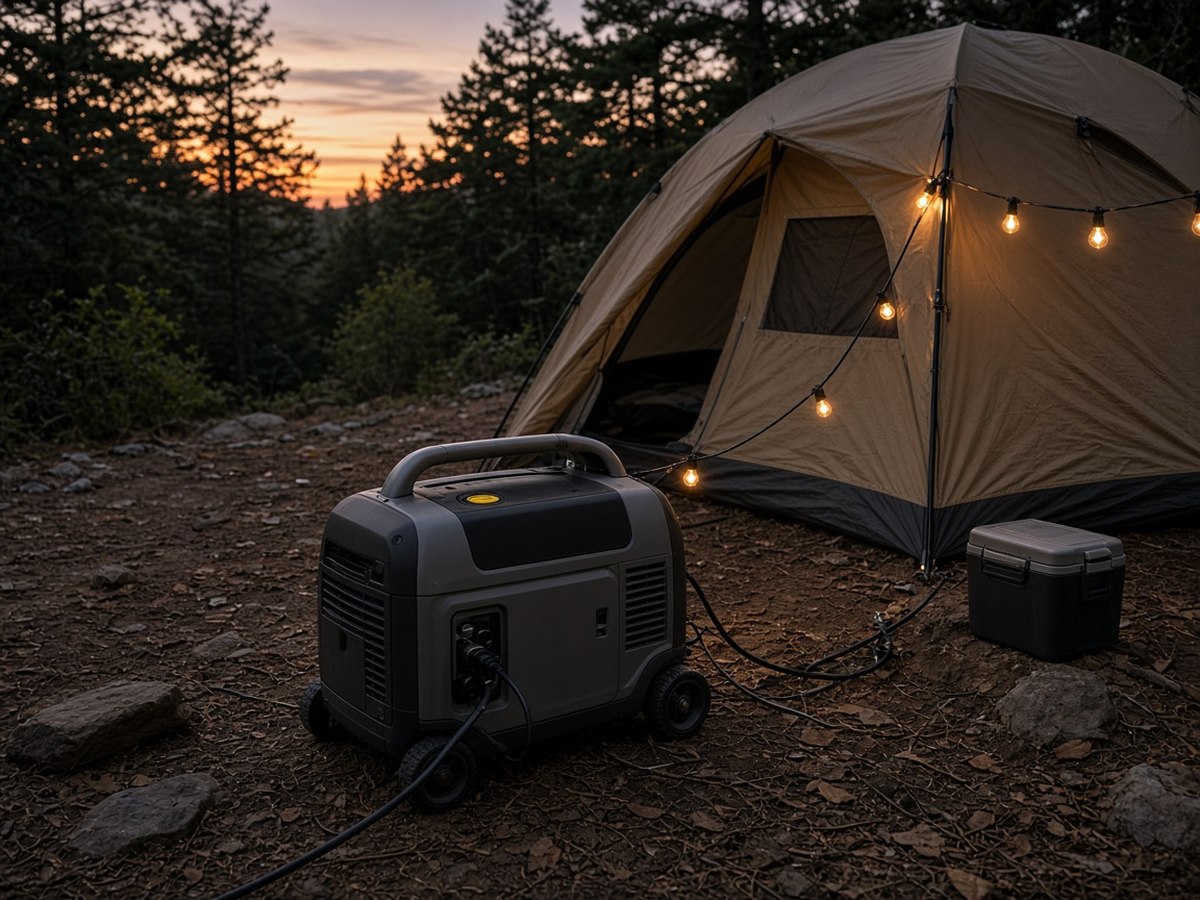
Why inverter generators are quieter than conventional generators
Conventional portable generators run the engine at a constant RPM regardless of actual power demand, which means they run at their loudest operating point continuously, even when powering just a small load like a phone charger or a single light. Inverter generators, by contrast, use electronic circuitry to vary engine speed based on real-time load, running quieter and using less fuel when demand is low and only ramping up to louder, higher-output operation when actually needed for a heavier load.
This load-following behavior is the core reason inverter generators like the Honda EU2200i achieve their notably lower noise ratings — often in the high-40s decibel range at lower loads, comparable to a normal conversation — compared to conventional generators that can run 20 or more decibels louder continuously regardless of actual demand.
The Honda EU2200i: the benchmark for quiet gas generators
Honda's EU2200i has built a strong reputation as the gold standard for quiet, reliable camping and backup power generation, combining inverter technology with Honda's reputation for engine reliability and easy starting even after months of storage. Its 2200-watt output covers most camping power needs, including running a small air conditioner, charging devices, and powering basic camp appliances, while its roughly 8-hour runtime on a single tank at moderate load makes it practical for extended camping stays.

The trade-off compared to a battery power station is the presence of an engine at all — even at its quietest, an inverter generator produces some mechanical noise and requires fuel storage and periodic maintenance that a battery system does not. For campers who need genuinely unlimited runtime as long as fuel is available, this trade-off is usually worthwhile, but it is a real consideration if absolute silence is your top priority.
Battery power stations: true silence, finite capacity
A battery-based power station like the Jackery Explorer 2000 v2 produces zero operating noise, since there is no engine running at all — power comes from a large internal battery that you charge in advance from a wall outlet, a vehicle's power system, or optional solar panels. This makes battery power stations the genuinely quietest option available for camping power, ideal for noise-sensitive campgrounds, tent camping close to neighbors, or nighttime use when even a quiet generator's mechanical hum would be noticeable.

The real limitation is capacity — a battery power station can only provide as much total energy as its battery holds before needing to be recharged, which for a large capacity unit might mean a day or two of moderate use before requiring a recharge from solar, a vehicle, or a wall outlet if you return to civilization. Campers planning extended off-grid stays need to factor this capacity limit carefully against their actual expected power usage, or pair the power station with solar panels for ongoing recharging capability.
Understanding decibel ratings in practical terms
Generator noise ratings are typically given at a specific distance and load level, and small differences in decibel ratings represent meaningful real-world differences in perceived loudness, since the decibel scale is logarithmic rather than linear. A generator rated at 48 decibels at low load is genuinely, noticeably quieter than one rated at 58 decibels, even though the numeric difference looks modest — that 10-decibel difference represents roughly a doubling of perceived loudness to the human ear.
Compare manufacturer noise ratings carefully, checking the specific load level at which the rating was measured, since a generator's quietest published rating is typically measured at low load and will run louder under the higher load a camping trip with an air conditioner or multiple devices running simultaneously might actually demand.
Campground etiquette and generator noise rules
Many campgrounds enforce specific generator quiet hours, and some noise-sensitive or more rustic campgrounds prohibit generators entirely, favoring the quieter battery power station option or no supplemental power at all. Check your specific campground's generator policy before you go, and even where generators are permitted, position any generator, quiet or not, as far from neighboring campsites as your site layout allows, and point exhaust away from neighboring tents.
Placement and positioning matter as much as the unit's rated noise level
A generator's effective noise impact on neighboring campers depends heavily on placement, not just its rated decibel level — placing even a quiet generator on a hard, reflective surface like packed dirt or pavement close to a neighboring site amplifies perceived noise compared to placing the same unit on softer ground with natural sound-absorbing vegetation between it and other campers. A few extra minutes considering generator placement relative to wind direction and neighboring sites meaningfully improves the actual noise experience for everyone at the campground.
Solar as a genuinely silent complement to either option
Portable solar panels paired with a battery power station extend usable runtime indefinitely in sunny conditions without adding any noise at all, making this combination the quietest possible camping power setup for campers whose power needs and trip length align with realistic solar charging rates. Even generator owners sometimes add a small solar setup specifically to reduce how often the generator needs to run, minimizing the total noise generated across an extended camping trip.
Carbon monoxide safety is non-negotiable
Gas generators produce carbon monoxide, a colorless, odorless gas that can be fatal in enclosed or poorly ventilated spaces, which makes generator placement a genuine safety issue, not just a noise consideration. Never run a gas generator inside a tent, camper, or any enclosed space, and position it a safe distance from any tent or enclosed sleeping area with exhaust directed away from where people are sleeping, following the specific manufacturer's minimum distance guidance rather than your own estimate.
Some newer generator models include carbon monoxide detection and automatic shutoff features as an added safety layer, which is worth prioritizing when shopping if you camp with a generator regularly, though this feature should supplement, not replace, correct placement and ventilation practices every single time you use the generator.
Sizing your power needs correctly before buying
Before choosing between generator wattage classes or battery power station capacities, calculate your actual expected power draw — a phone charger and a few LED lights need very little power, while a small air conditioner, an electric cooler, or a CPAP machine for overnight use demand considerably more. Oversizing wastes money and, for gas generators, means running an underloaded engine less efficiently than a properly sized unit running closer to its designed operating range.
Add up your specific device wattages, including the higher starting wattage many appliances with motors require compared to their steady running wattage, and choose a generator or power station with meaningful headroom above your calculated total rather than cutting it exactly to your minimum calculated need, since real-world usage often exceeds initial estimates once you are actually camping and using devices you did not fully account for in your planning.
Running two smaller units in parallel for flexibility
Many inverter generator lines, including Honda's EU-series, support parallel operation, connecting two smaller units together to provide combined power output greater than either unit alone while retaining the option to run just one unit quietly for lower-demand situations. This flexibility appeals to campers whose power needs vary significantly between trips — sometimes needing just enough for basic device charging, other times needing to run an air conditioner or larger appliance — without needing to own and transport a single large generator sized for the maximum possible need.
Maintenance differences between generators and battery stations
Gas generators require ongoing maintenance — oil changes, air filter cleaning, spark plug replacement, and careful attention to fuel storage and stabilization between uses — that a battery power station simply does not need, since there is no combustion engine or associated wear components to service. This maintenance-free operation is a genuine, often underappreciated advantage of battery power stations beyond just the noise difference, appealing particularly to campers who want reliable power without the ongoing small-engine maintenance responsibility a gas generator demands.
| Option | Noise level | Best for |
|---|---|---|
| Honda EU2200i inverter generator | High-40s to high-50s dB depending on load | Extended runtime, higher continuous wattage needs |
| Jackery Explorer 2000 v2 power station | Zero operating noise | Noise-sensitive campgrounds, finite power needs |
| Solar panel addition | Zero noise | Extending runtime of either option without added noise |
Our take: choose the Honda EU2200i-class inverter generator if you need extended runtime and higher wattage and can accept modest mechanical noise, or a Jackery-class battery power station if true silence matters more than unlimited runtime. Pair either with solar for the quietest possible extended camping power setup.
Weight and portability trade-offs
Gas inverter generators and large-capacity battery power stations both carry meaningful weight, typically in the 40-to-50-pound range for units capable of running real camping loads, which matters for anyone hiking gear in from a parking area rather than driving directly to a campsite. Compare specific weights carefully if portability beyond simple vehicle transport matters for your specific camping style, since even a few pounds' difference becomes noticeable when carrying gear any real distance from a vehicle to a campsite. A wheeled base kit, available for many popular generator models, is worth the modest extra cost if your typical site requires any meaningful carry distance. It turns a two-person carry into a task one person can manage comfortably. Check compatibility with your specific model before assuming any generic cart will fit the mounting points correctly. A few extra minutes checking fit saves a frustrating return trip to the store. That small bit of due diligence is worth it every time.
Frequently asked questions
What is the quietest portable generator for camping?
Inverter generators like the Honda EU2200i are the quietest gas-powered option, using load-following technology to run quieter at lower demand. A battery power station like the Jackery Explorer produces zero operating noise.
Why are inverter generators quieter than conventional generators?
Inverter generators vary engine speed based on actual load rather than running at a constant, louder RPM regardless of demand, which is the core reason they run significantly quieter at lower loads.
Is a battery power station better than a gas generator for camping?
It depends on your needs. Battery power stations are completely silent but have finite capacity requiring recharging. Gas inverter generators offer unlimited runtime as long as fuel is available, with modest mechanical noise.
Do campgrounds allow generators?
It varies. Many campgrounds enforce specific quiet hours, and some more rustic or noise-sensitive campgrounds prohibit generators entirely. Check your specific campground's policy before you go.
Can I extend a battery power station's runtime with solar panels?
Yes. Portable solar panels paired with a battery power station extend usable runtime indefinitely in sunny conditions without adding any noise at all.
Does generator placement affect how loud it seems to neighbors?
Yes. Placing a generator on a hard, reflective surface close to neighboring campsites amplifies perceived noise compared to placing it on softer ground with vegetation between sites.