
Otis .270/7mm Ripcord vs Real Avid Bore Boss
Written by John Wren|
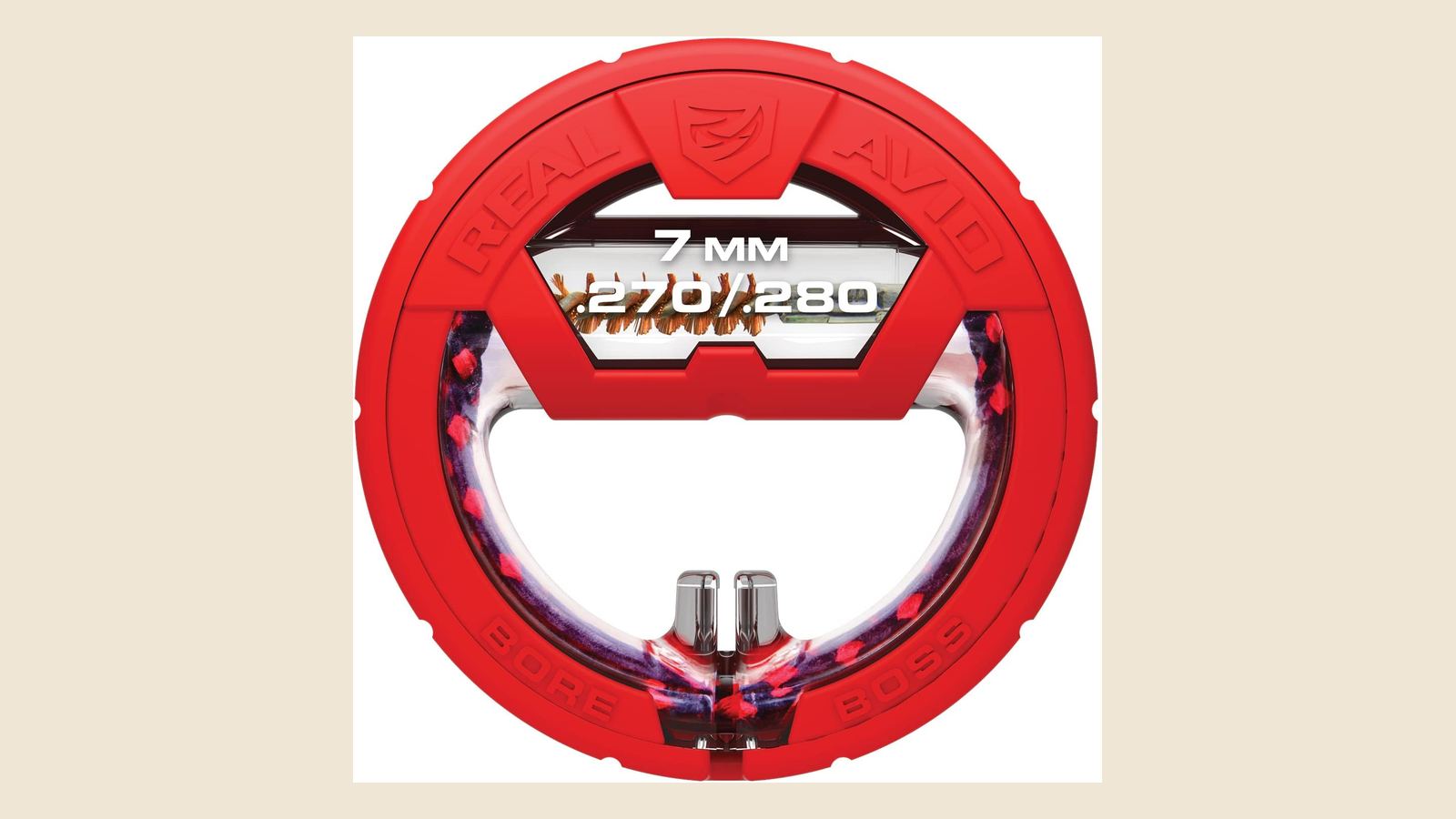
Choose the Otis .270 cal/7mm Ripcord Deluxe kit for that bore. Choose the Real Avid Bore Boss AVBB270 if you want the .270/.280/7mm cable stored in the round handle. Match the stamp on the barrel. The rifle and the ammunition stay at a licensed dealer.
Key takeaways
- Otis on this card is the .270 cal/7mm Ripcord Deluxe kit.
- Bore Boss on this card is AVBB270, marked .270/.280/7mm.
- A .30-06, .308, or .223 cord is the wrong bore.
- The rifle and the ammunition stay at a licensed dealer.
Buy the Otis .270 cal/7mm Ripcord Deluxe cleaning kit when you want the one-pass cord built for that bore family. Buy the Real Avid Bore Boss marked .270, .280, and 7mm when you want the cord that stores in its own round handle, with a bronze brush and a braided mop on the same pull. Both are pull-through cleaners. Neither is a rifle, and neither is ammunition. The rifle stays at a licensed dealer. The ammunition stays there too. Match the stamp on the barrel to the stamp on the tool. A .30-06, a .308, a 6.5, or a .223 cord is a different tool wearing a familiar brand.
Short version. A sling carries the rifle. Muffs and glasses are what you wear while you shoot. The cord is what you pull through the bore when the range day is over and a full rod kit is still in the truck. A bench kit still has its place at home. This pair is the field pass. Check live prices. Read the caliber on the package twice.
This comparison is two .270-class pull-throughs. The Otis card is the .270 cal/7mm Ripcord Deluxe kit. The Bore Boss card is model AVBB270, labeled for .270, .280, and 7mm. If your barrel is stamped .280, the Bore Boss card names that bore and the Otis title names .270 and 7mm. Confirm the Otis package before you buy it for a .280. If your barrel is a .30-caliber hunting rifle, buy neither of these cards. A different chambering needs the cord cut for that groove, not the cord that happened to be photographed next to a familiar name.
| Job | Otis Ripcord Deluxe .270/7mm | Real Avid Bore Boss .270/.280/7mm | Buy |
|---|---|---|---|
| A one-pass cord for a .270 or a 7mm | Deluxe kit for that bore family | AVBB270 names .270, .280, and 7mm | Either, if the stamp matches |
| A cord that stores in its own handle | A kit pouch, not a round flex case | Flex-case handle holds the cable | Bore Boss |
| Brush and mop on one pull | Nomex-style cleaning surface on the cord | Phosphor bronze brush, then a braided mop | Bore Boss if you want the metal brush |
| A .30-06, .308, or .223 | Wrong bore | Wrong bore | Neither card |
| The rifle or the ammunition | Dealer counter | Dealer counter | Licensed dealer |
Otis on this card is the .270 cal/7mm deluxe kit. Bore Boss on this card is AVBB270. A .22, a 12 gauge, or a .30 cord is a different product.
Who should buy the Ripcord, and who should buy the Bore Boss?
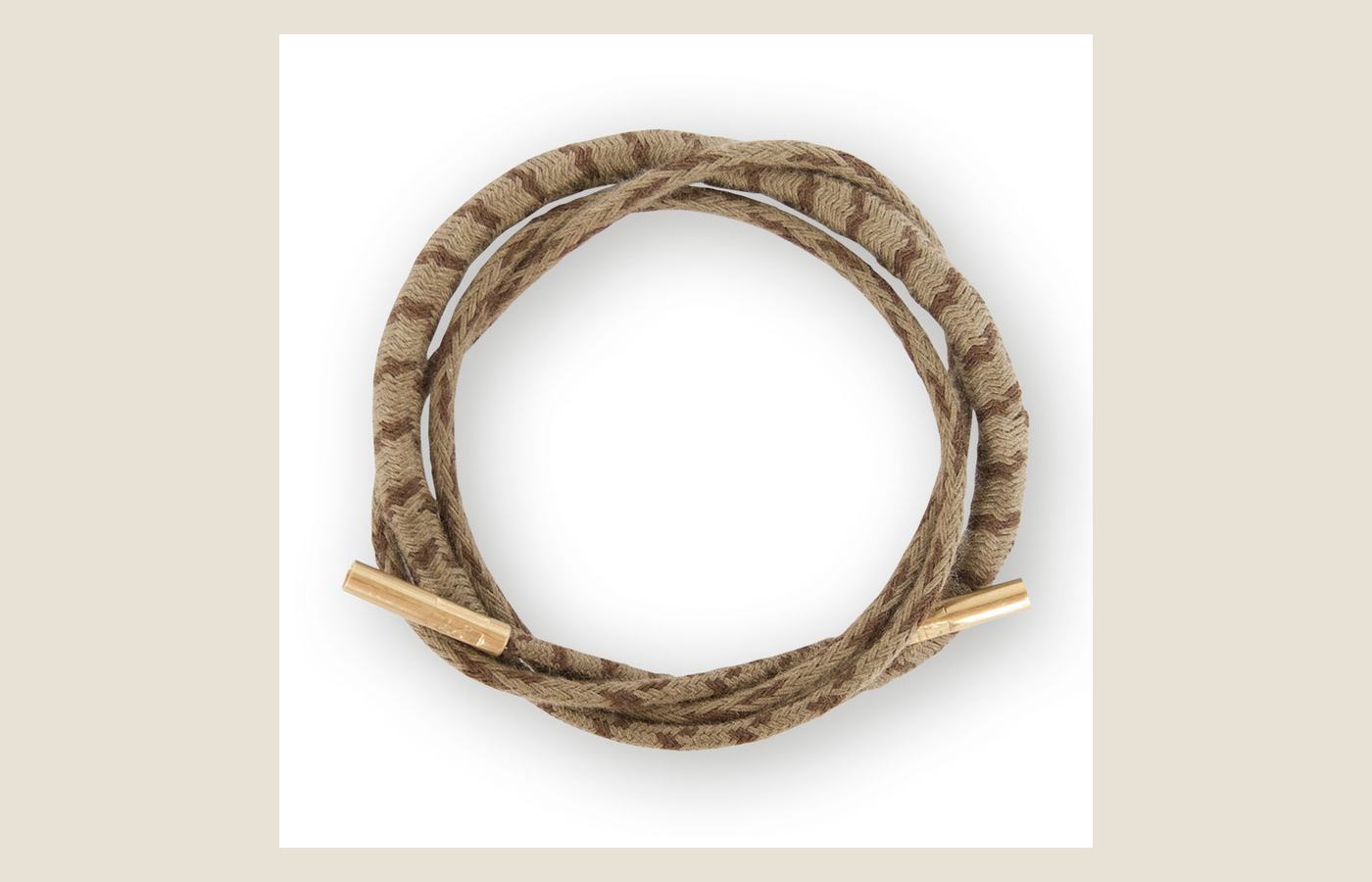
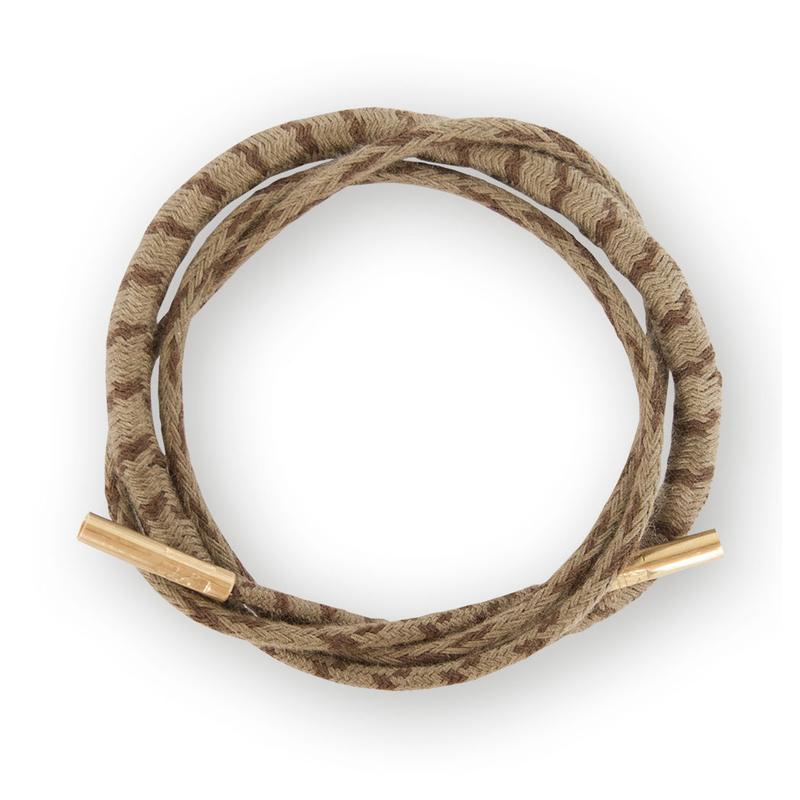
Buy the Otis Ripcord Deluxe kit if the barrel is a .270 or a 7mm and you want Otis's one-pass cord in a small kit. The cord is the cleaner: a molded core with a long cleaning surface, meant to run from breech toward the muzzle so you are not dragging dirt back into the action. Threaded ends on a Ripcord let it meet other Otis pieces if you already own them. The deluxe kit is the package on this card, not a bare cord that might be a different SKU in the same photo. Open the box and read .270 or 7mm before you pull it through anything.
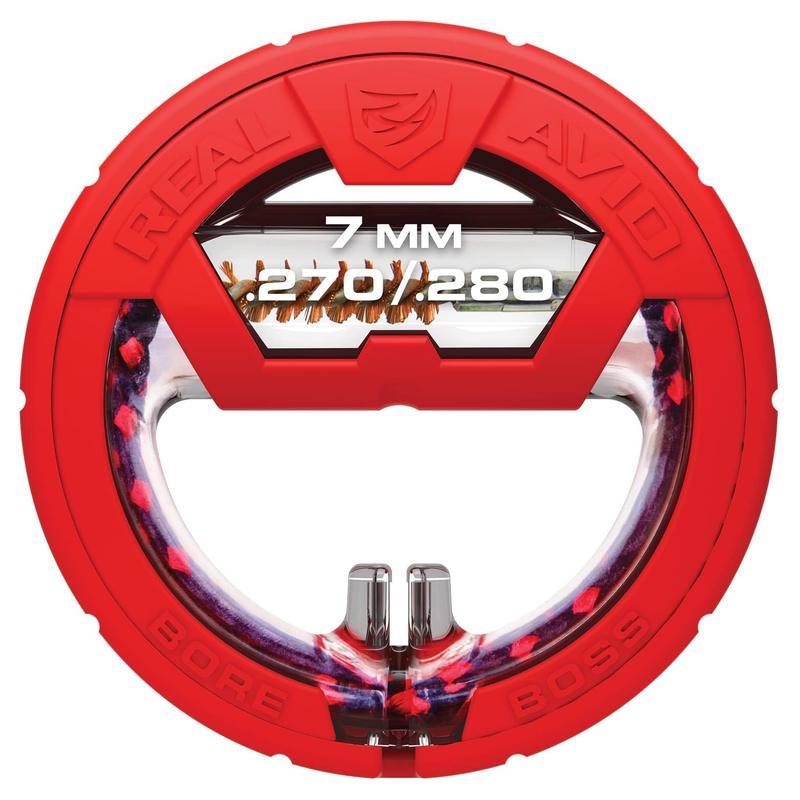
Buy the Bore Boss if you want the same bore family and you want the cable to live inside the handle. Real Avid's AVBB270 is the .270/.280/7mm tool: a pull-through with a phosphor bronze brush ahead of a braided mop, and a flex-case handle you clip on so the tug has a grip. The handle is also the case. That is the point in a range bag, where a loose snake ties itself around a sling and arrives coated in lint. The case is about the size of a small round tin. It is not a rod, a jag, and a bottle of solvent. It is the fast pass.
Do not buy either tool "close enough." A cord that is a size small rides the top of the lands and leaves the grooves dirty. A cord that is a size large fights you and can stick. People who say a pull-through ruined a barrel usually crossed a caliber, or they yanked a stuck end through a muzzle device, or they expected one dry pass to erase a season of copper. The home kit is where solvent, patches, and a rod still live. The field cord is how you keep the worst of the fouling from sitting until you get there.
What the Otis .270/7mm Ripcord kit is actually for
Otis builds the Ripcord as a breech-to-muzzle pass. The cleaning length is the fuzzy section, not the whole string. You feed the leading end from the chamber, when the rifle is unloaded and the action is open, and you pull so the dirty fibers exit at the muzzle. That direction is the habit. Pulling from the muzzle toward the action drags grit into the place you were trying to protect. On a rifle you cannot easily access from the breech, stop and use the method the maker printed, instead of inventing a muzzle-first yank because the cord is in your hand.
The deluxe kit on this card is the .270 cal/7mm package. Heat resistance is a property of the cord's fibers, not an invitation to grab a barrel that just came off a long string. Set the rifle down. Point it in a safe direction. Unload it and look in the chamber twice. Then run the cord. A hot barrel can still burn you while the cord survives. Gloves you already wear for the range are the right answer. A cord is not a potholder.
Do: confirm the bore stamp, then oil a light film after the pass if you are putting the rifle away. Don't: soak the cord in solvent until it drips into the stock and the sling. A damp cord is enough for a field pass. Don't: store a filthy cord in the kit and call the next pass a cleaning. Knock the loose fouling out, or the second pull paints the bore with the first pull's dirt.
What the Bore Boss .270/.280/7mm is actually for
Real Avid's Bore Boss for this card is the single-caliber cable with a bronze brush and a braided mop, clipped to a flex-case handle. The cable is long enough for a rifle barrel. The brush loosens. The mop follows and carries debris out. One pull is the design. A second pull with a cleaner section of the mop is reasonable if the first pull came out black. Ten pulls with a dry, overloaded brush is how you burn time and scratch your patience, not how you improve on a rod and a patch at the bench.
The handle is the part people buy it for. It gives you a grip when the fit is tight, and it swallows the cable so the brush is not loose in the bag. The caliber is printed so you can tell this one from the .22 or the shotgun version in the same round shape. Read it. AVBB270 is the mark for the .270/.280/7mm tool. A red handle in a different caliber is a different Bore Boss. The photo is not the specification. The text on the case is.
Do: feed the small end from the breech and pull straight, in line with the bore. Don't: saw the cord back and forth like a rod. The brush is happier going one way. Don't: force the end through a muzzle brake if it hangs in the ports. Back it out. Take the brake off if that is how the rifle is built, and if you are not sure how the brake comes off, stop and let the shop that mounted it do the cleaning. A stuck end and a hard yank is how parts get scarred.
How to run a pull-through without making a mess
Unload. Magazine out. Chamber checked. Action open. Safe direction the whole time. That sequence is the cleaning, as much as the cord is. A pull-through does not make a loaded rifle safer, and it does not belong anywhere near ammunition on the same bench. Put the cartridges away before the cord comes out of the pouch. Then look again.
A drop of cleaner on the brush, not a bath, is the field dose. Pull. Look at what came out. If the mop is dry and clean, you are done for the parking lot. If it is wet and black, one more pass, then a light oil if the rifle is going into a case for the week. At home, a rod, a jag, and patches still show you the bore in a way a cord cannot. Use the cord to keep up. Use the bench when accuracy falls off or the season is over.
Cases and slings stay cleaner if the cord has its own pouch. The Bore Boss handle is that pouch. The Otis kit is that pouch in a different shape. Either way, do not wrap a dirty cord around the sling and call it stored. Oil migrates into fabric, and the next morning the sling is a rag.
What actually fails on a bore cord
Caliber mismatch fails it immediately. A .22 cord in a .270 does almost nothing. A .30 cord forced into a tighter bore sticks. Read the barrel. Read the package. If they do not agree, do not "try it." The Bore Boss that says .270/.280/7mm is not a universal snake. The Otis kit that says .270/7mm is not a universal snake. Brands sell a cord for nearly every common bore because the diameters are not interchangeable.
Muzzle devices fail the easy pull. Brakes and some flash hiders grab the tip, the brush, or the little stop on the end. If it hesitates, stop pulling. Forcing it turns a ten-second pass into a stuck cable and a bad afternoon. A plain crown is what these tools were drawn for. A ported muzzle is a reason to go slower or to clean from the bench with the device removed by someone who knows that rifle.
Dirt on the cord fails the next bore. A cord that lives on the floor of the truck picks up grit and then acts like a lap. Keep it in the handle or the kit. Replace it when the brush is smashed flat or the mop is a hard rope. A tired cord still fits in the case. It no longer cleans.
The other failure is expecting the cord to be the whole maintenance plan. It does not set a scope, it does not replace a cracked stock, and it does not change a trigger. It does not oil the outside of a wet rifle by itself. Wipe the metal you can see. Run the cord for the bore. Put the rifle back in the case dry, not in a foam sleeve that holds moisture against the metal all week.
What this fight is not
It is not a rifle, a receiver, a barrel, or a box of ammunition. Those stay at a licensed dealer. It is not a solvent brand war, and it is not a bore guide for a delicate target barrel that you already clean with a coated rod from the breech. If your rifle is a match gun with a cleaning routine you trust, keep that routine. A field cord is for the hunting rifle and the practice rifle that otherwise wait until "later."
It is not ear protection and it is not eye protection. Muffs and glasses come out of the bag before the cord does. Cleaning is the last step, after the line is cold and the muzzles are pointed somewhere boring.
So which pull-through should you buy?
Buy the Otis .270 cal/7mm Ripcord Deluxe kit when that is the bore and you want the Ripcord in its kit. Buy the Real Avid Bore Boss AVBB270 when you want the .270/.280/7mm cable stored in the round handle, brush then mop. Read the stamp on the barrel and the stamp on the package until they match. Leave .30-caliber, .223, and shotgun cords for the barrels they name. The rifle and the ammunition are a dealer's counter, not a button on this comparison.
Frequently asked questions
Otis Ripcord or Real Avid Bore Boss for a .270?
Either, if the package matches the barrel. The Otis card is the .270 cal/7mm deluxe kit. The Bore Boss card is AVBB270, marked .270, .280, and 7mm, and it stores in the round handle.
Will this cord clean a .30-06 or a .308?
No. Those are a different bore. Buy the cord stamped for that cartridge. Do not force a .270 cord into a larger or smaller groove.
Can I buy the rifle with the cord?
No. The rifle and the ammunition stay at a licensed dealer. These two cards are pull-through cleaners only.
Which way do I pull the cord?
From the breech toward the muzzle on an unloaded rifle with the action open. Pulling dirt back into the action is the mistake the direction is meant to avoid.
What if the cord sticks in a muzzle brake?
Stop pulling. Back it out. A brake can grab the tip. Forcing it is how a simple pass becomes a stuck cable.
Does one pass replace a rod and patches?
It keeps a hunting bore from sitting dirty until you get home. A rod, a jag, and patches are still the bench cleaning when the season ends or accuracy falls off.