
Best Snorkeling Fins (2026)
Written by John Wren|
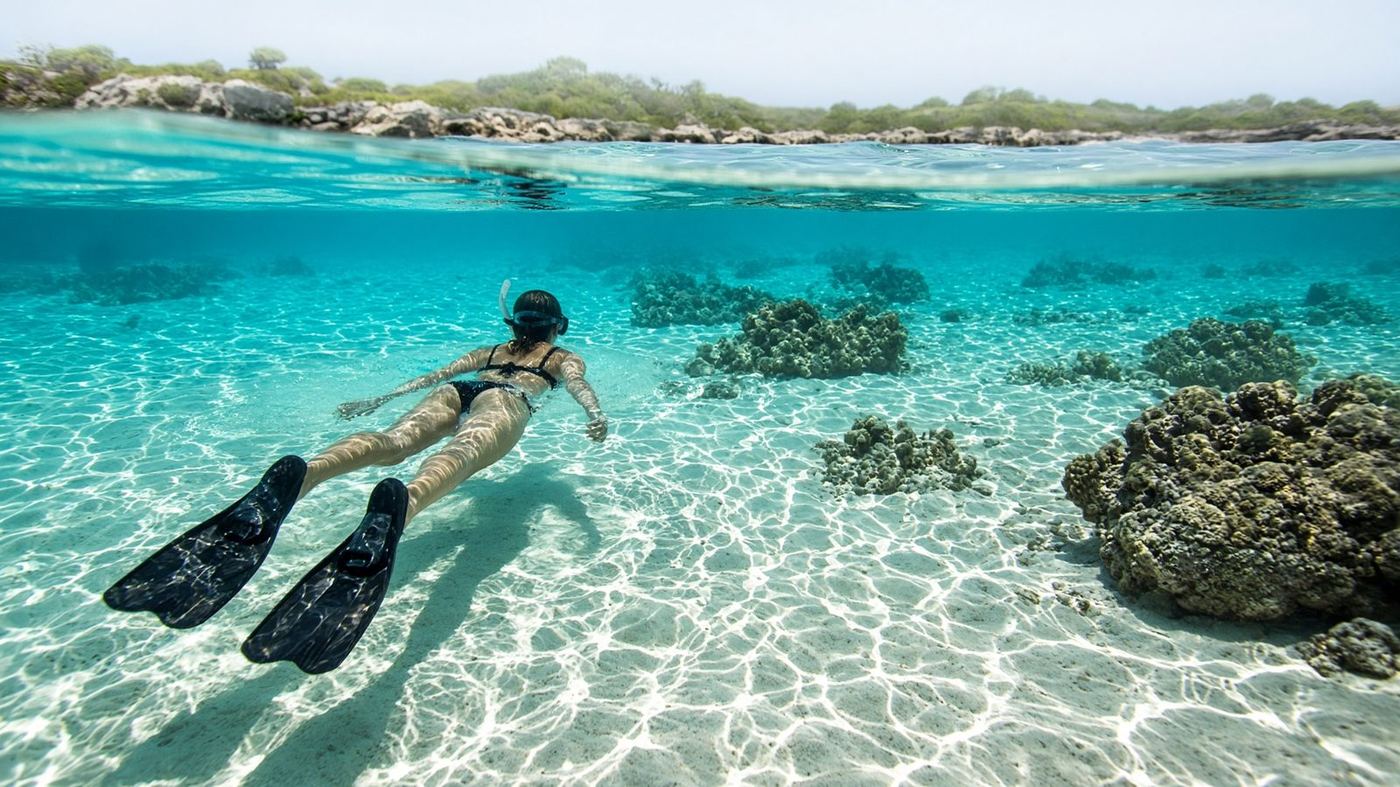
Buy short snorkeling fins (Cressi Palau, WildHorn, Phantom) with a heel that stays on. Adjustable straps if you travel or wear a bootie. Kick from the hip. Rinse salt.
Key takeaways
- Short blades for snorkeling. Long fins are for diving.
- Fit in water, not just in a shop.
- Rinse salt and skip the hot dashboard.
- Fins are not a substitute for swimming skill.
Snorkeling fins are short blades that move you on the surface without the cramp of a full scuba fin. They should stay on, not chew your heels, and not turn a family float into a kicking contest. A dive fin is the wrong tool at a reef you will not descend. A cheap adjustable pair that actually fits beats a fancy closed-heel in the wrong size.
Short version. Buy Cressi Palau if you want the name that still means a short snorkeling fin. Buy WildHorn Topside or Phantom Aquatics if you want an adjustable pair that packs in a suitcase. Buy Seavenger Torpedo or Cozia when the budget is the constraint. Pair with a mask that seals — full-face masks are a separate fight — and water skills that include “I can swim without these.”
Cold-water diving is a different sport. This page is warm shallows, rental-boat reefs, and the family snorkel that should not end in a cramp.
How should snorkeling fins fit?
Open-heel adjustable if you might wear a bootie or you are between sizes. Closed-heel if you snorkel barefoot and you know your size. Toes not jammed. Heel not lifting. Strap snug, not tourniquet. Try in water. Dry-shop fit lies.
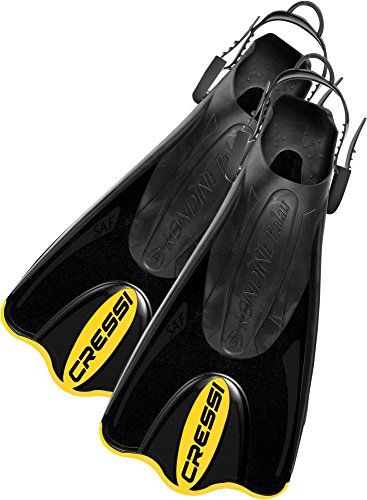
Cressi Palau and WildHorn Topside
Cressi Palau is the short adjustable fin a lot of snorkel shops already understand: enough blade to move, not enough to fight a pool. WildHorn Topside is the travel pair that shows up in suitcases — adjustable, short, a color you can find on a sandy bottom when someone lets one float off.
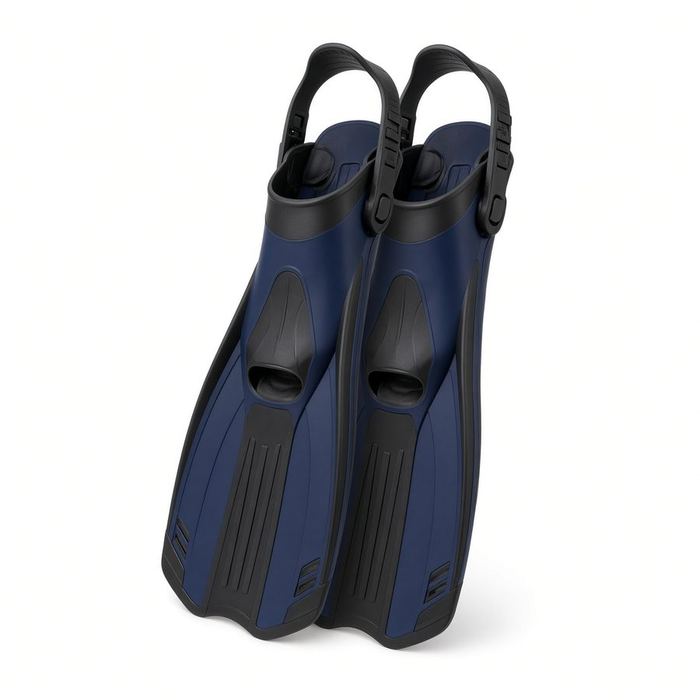
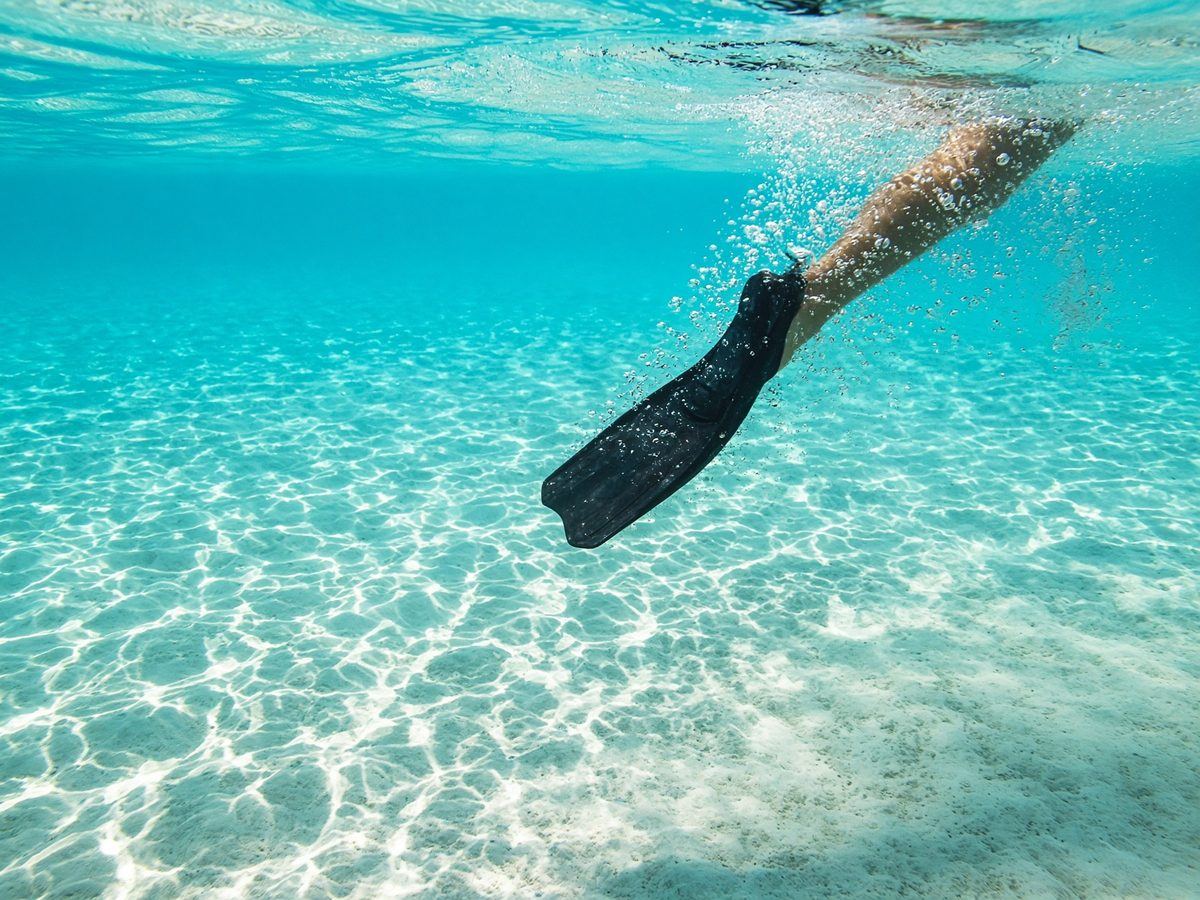
A fin that floats is easier to recover. A fin that sinks is a $40 fish habitat. Check the listing. Bright colors are not fashion on a drop-off. They are how you spot the one that got away.
Phantom, Seavenger, and Cozia — adjustable travel fins
Phantom Aquatics, Seavenger Torpedo, and Cozia are the Amazon adjustable pairs that get people out of rental fungus. They will not make you a freediver. They will move you along a reef if you kick from the hip and rest when you cramp.
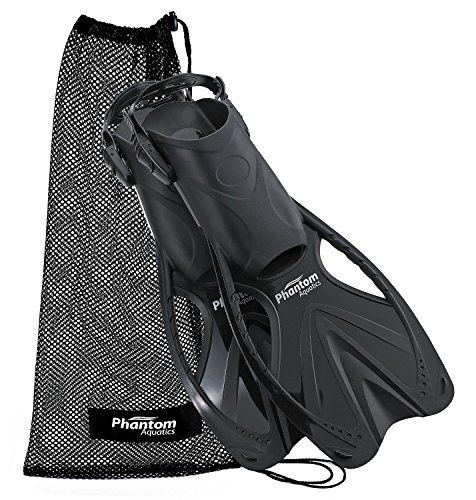
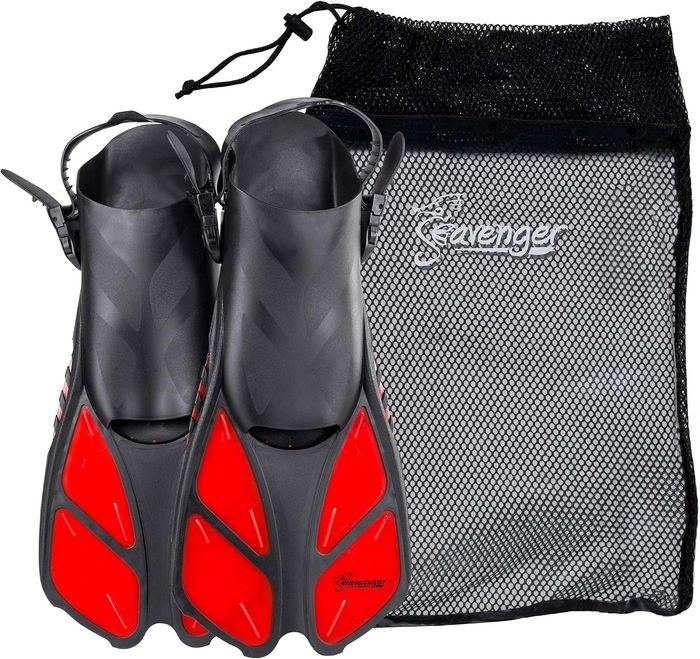
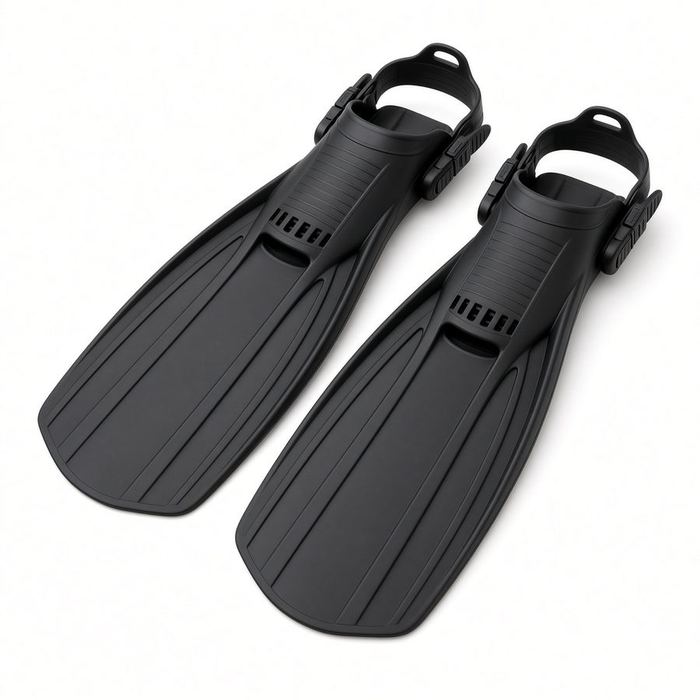
Rinse salt. Dry in shade. UV and a hot trunk cook rubber. Do not snorkel a current you cannot beat without fins. Fins are not a life jacket. Swim spots that look calm from the beach can still have a pull. If you would not swim it, do not fin it.
| Fin | Best for | Heel | Watch-out |
|---|---|---|---|
| Cressi Palau | Known short snorkel fin | Adjustable | Size to the bootie you will wear |
| WildHorn Topside | Travel pair | Adjustable | Bright color to find them |
| Phantom Aquatics | Adjustable suitcase fin | Adjustable | Rinse salt |
| Seavenger Torpedo | Budget snorkel | Varies | Fit in water |
| Cozia adjustable | Budget set | Adjustable | Not a dive fin |
Our pick: Cressi Palau if you snorkel more than twice a year. WildHorn or Phantom in the suitcase if you travel. Seavenger or Cozia if you need a pair today and you will rinse them. Short blades. Hip kick. Rest before the cramp owns the afternoon.
What snorkeling-fin mistakes look like cramps and lost rental days?
Full-length scuba fins on a snorkel float are how you kick your buddy and cramp in five minutes. Short snorkeling fins exist because you are on the surface. A closed heel in the wrong size is a blister. An adjustable strap that is too loose is a fin you watch sink. Try them in water, not just in a shop with dry socks.
Fit: toes should not jam. Heel should not lift. If you are between sizes, the strap model is kinder than the closed shoe. Wear the bootie you will actually snorkel in, or none if that is the plan. A fin sized for a 5mm bootie will flop on a bare foot.
Kick from the hip, small, steady. A bicycle kick in long fins is a cramp. Rest on your back. If you cannot snorkel without fins in a pool, fins will not save you in a current. Water skills still apply. A snorkel day in current you cannot beat is a drowning story, not a gear story.
When to buy vs rent: buy if you snorkel more than twice a year or you hate rental fungus and mystery sizes. Rent if this is a one-off resort afternoon. Rinse yours with fresh water. Dry in shade. UV cooks cheap rubber into chalk. Do not leave them on a dark dashboard.
Kids and pairs: size is not “youth = cheap.” A fin that falls off is a panic. Adjustable straps on a child are how you keep the afternoon. Pair fins with a mask that actually seals — full-face masks are a separate argument, and a leaky mask will ruin a good fin day faster than a slightly floppy blade.
A snorkel-day kit that is not just fins
Fins, mask that seals, snorkel or a full-face you already trust, a bright color you can find on sand, and a plan for current. Fins are not a life jacket. If you would not swim the spot, do not fin it. Swim spots that look calm from the beach can still have a pull. Tell someone where you are. Stay with a buddy. Rest before the cramp owns the afternoon.
Kick from the hip, small, steady. Point the toes. Do not bicycle. Long scuba blades on a surface float are how you kick your buddy in the mask and then cramp. Short snorkeling fins exist because you are not descending a wall. Cold-water diving is a different sport. This page is warm shallows, rental-boat reefs, and the family snorkel that should not end in a cramp.
Fit recap in water, not in a shop. Toes not jammed. Heel not lifting. Strap snug, not a tourniquet. Open-heel adjustable if you might wear a bootie or you are between sizes. Closed-heel if you snorkel barefoot and you know your size. A fin sized for a 5mm bootie will flop on a bare foot. A closed shoe that is “almost” will blister. Almost is not a size.
Travel: adjustable pairs pack in a suitcase. Bright colors are not fashion on a drop-off. They are how you spot the one that got away. A fin that floats is easier to recover. A fin that sinks is a $40 fish habitat. Check the listing. Clip them to the bag on the boat so they are not a deck missile. Rinse salt at the dock, not “later in the hotel” after they have cooked in a dark trunk.
Rinse, replace, kids, and what we skipped
Fresh water after salt. Dry in shade. UV and a hot trunk cook rubber into chalk. Do not leave them on a dashboard. A pair that has gone stiff, cracked at the blade, or has a strap that is a rumor is done. Replace it. Fins are cheaper than a ruined week. Kids grow. Adjustable straps buy a season. A fin that falls off a child is a panic. Size is not “youth equals cheap.”
Buy vs rent: buy if you snorkel more than twice a year or you hate rental fungus and mystery sizes. Rent for a one-off resort afternoon. If you buy, rinse them like they mattered. If you rent, still try them in the shallows before you kick to the reef. A rental fin that is a clown shoe is a blister you will wear all week.
What we skipped: freedive blades, full scuba jets, and monofins. Those are sports. This page is short snorkeling fins. Our pick remains Cressi Palau if you snorkel more than twice a year, WildHorn or Phantom in the suitcase, Seavenger or Cozia if you need a pair today and you will rinse them. Check live prices. We do not invent numbers. Hip kick. Rest. Fins are not a substitute for swimming skill, and they are not a ticket into a current you cannot beat without them.
Two-pair kits for families: adult adjustable, kid adjustable, a spare strap if the hardware looks like it came from a gumball machine. Pair them with a mask that seals. A leaky mask will ruin a good fin day faster than a slightly floppy blade. Practice in a pool if you can. The reef is a bad classroom for “I have never worn fins.” The pool is free. The cramp on the reef is not.
A reef afternoon that is still a swim
Tell someone where you are. Buddy up. Stay inside a current you can beat without fins. Rest on your back before the cramp. Point the toes. Kick from the hip. A bicycle kick is a knot in the calf and a story you do not want on a drop-off. Fins are not a life jacket. Water skills still apply when the water is pretty.
Try the fins in the shallows before you kick to the reef. A rental clown shoe is a blister you will wear all week. A strap that is theater will let a fin go on the first swell. Tighten it in water. Bright color so you can find it. Clip them on the boat. Rinse at the dock. Shade dry. Check live prices. We do not invent numbers.
Kids: adjustable straps, a size that stays on, a mask that seals, a grown-up who is actually watching. A fin that falls off a child is a panic. Practice in a pool if you can. The reef is a bad classroom. Short blades. Hip kick. Rest. That is snorkeling fins. Long scuba jets are a different sport you can graduate to later if you still like the water.
Suitcase fins vs rental fungus
Adjustable travel fins exist because rental sizes are a lottery and rental fungus is real. WildHorn, Phantom, and Cressi Palau pack. Closed-heel only if you know your size and you snorkel barefoot. A closed shoe that is almost right will blister by the second bay. Almost is not a size. Try in water at the first beach, not at the third.
A fin that floats is easier to recover off a drop. A fin that sinks is habitat. Bright colors are how you spot the one that got away. Clip them on the boat so they are not a deck missile. Rinse salt at the dock. Shade dry. UV and a trunk cook rubber into chalk. A stiff cracked blade is done. Replace it. Fins are cheaper than a ruined week.
Family kits: adult adjustable, kid adjustable, spare strap, masks that seal. Full-face masks are a separate fight. A leaky mask ruins a good fin day faster than a floppy blade. Practice in a pool. The reef is a bad classroom. Check live prices. We do not invent numbers. Short blades. Hip kick. Rest. If you would not swim it, do not fin it. Fins are not a ticket into a current you cannot beat.
Frequently asked questions
How do I choose the right size snorkeling fins?
Fit them with the bootie you will wear, or barefoot if that is the plan. Toes not jammed, heel not lifting. Adjustable straps are kinder if you are between sizes. Try in water.
What is the difference between diving and snorkeling fins?
Dive fins are longer and built for descent and current. Snorkeling fins are shorter for surface kicking. Long fins on a snorkel float are how you cramp and kick your buddy.
How do I clean snorkel fins?
Fresh water after salt. Dry in shade. Do not leave them on a hot dashboard. UV cooks cheap rubber into chalk.
Should I buy or rent?
Buy if you snorkel more than twice a year or you hate rental sizes. Rent for a one-off resort afternoon.
Open heel or closed heel?
Open-heel adjustable if you might use a bootie or share sizes. Closed-heel if you snorkel barefoot and know your size.
Can fins replace swimming skill?
No. If you cannot swim the spot without fins, do not snorkel it. Fins are not a life jacket.