
3 Off-Roading Challenges to Try This Summer
Written by John Wren|
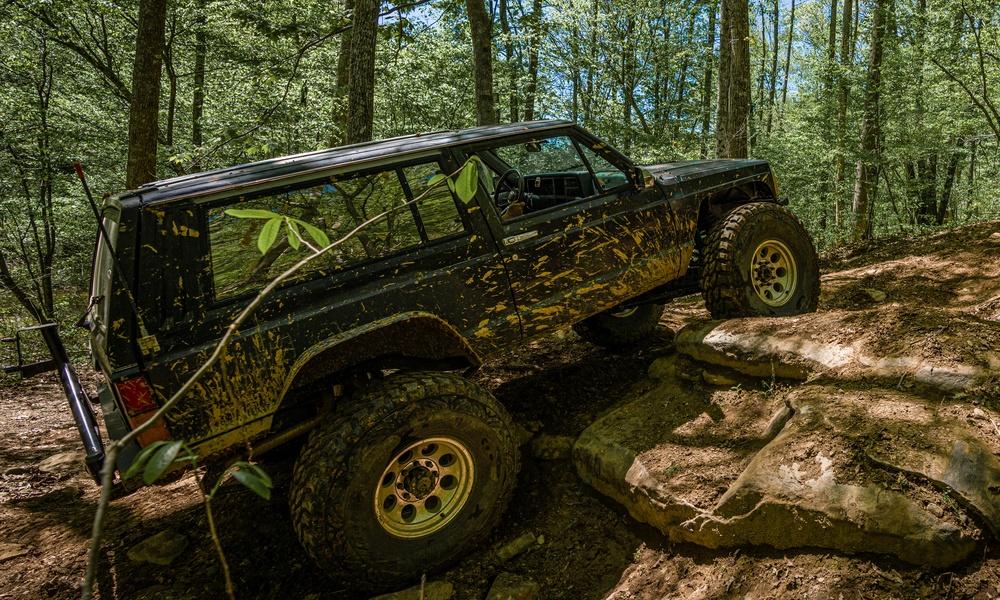
Try technical rock crawling for slow, deliberate vehicle control, a multi-day overland trail for trip planning and self-sufficiency, and water crossings for honest depth and current assessment. Prepare your vehicle thoroughly and tackle each challenge with a group, not solo.
Key takeaways
- Rock crawling rewards ground clearance and careful line selection.
- Multi-day overland trails test trip planning as much as driving skill.
- Water crossings demand honest depth and current assessment.
- Tackle all three with a group for real safety redundancy.
Summer is prime off-roading season across most of the country, and three challenges worth building a season around are technical rock crawling, a genuine multi-day overland trail, and a water-crossing-heavy route — each demands different vehicle preparation, skill development, and safety planning, and tackling all three across a summer builds real, well-rounded off-road competence. The short answer: start with the challenge that matches your current vehicle setup and skill level, build up gradually rather than attempting the most demanding option first, and treat proper preparation as seriously as the actual driving skill involved.
Short version. Rock crawling rewards low-range gearing, good ground clearance, and careful line selection more than raw horsepower. A multi-day overland trail tests trip planning, self-recovery preparedness, and fuel and water range planning as much as driving skill. Water crossings demand honest assessment of depth and current before committing, since misjudging a crossing is one of the most common causes of serious off-road vehicle damage and stranding.
Challenge one: technical rock crawling
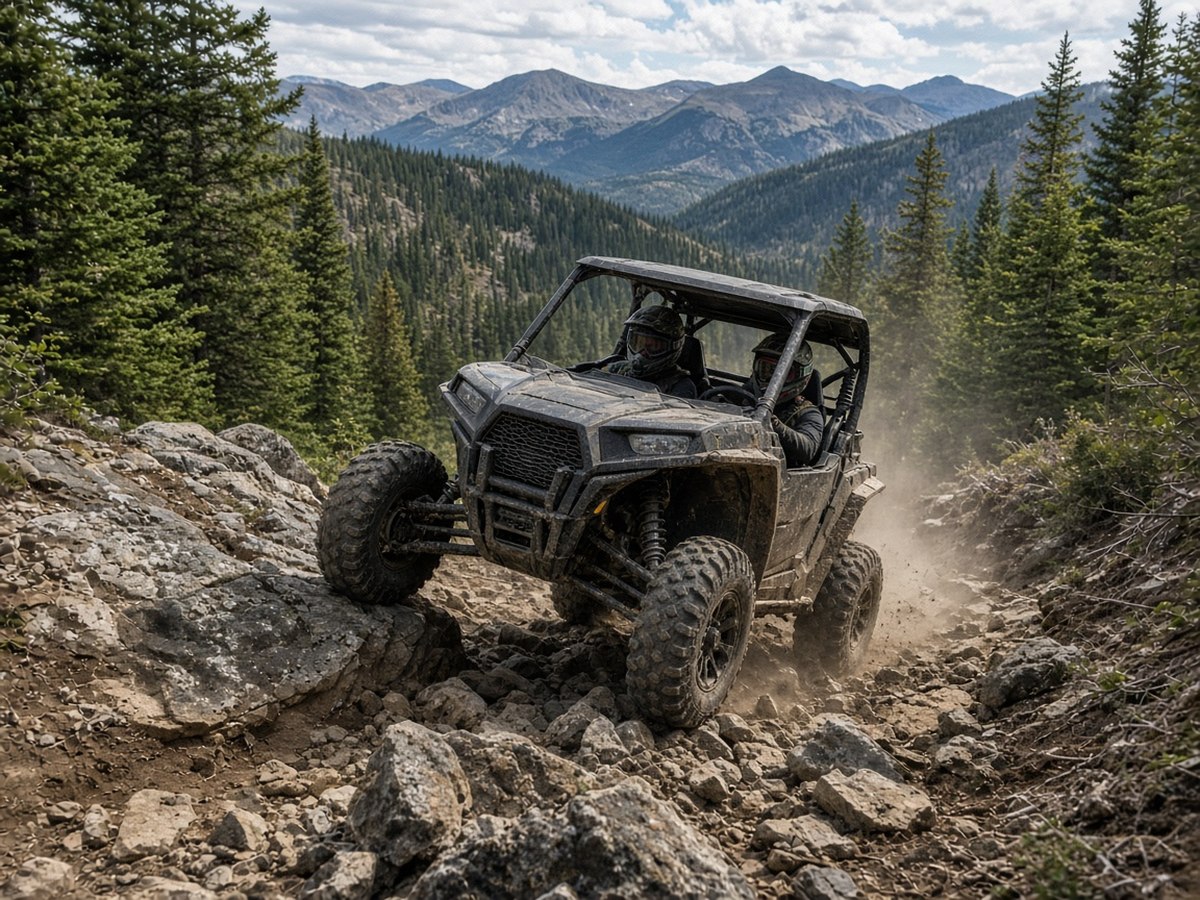
Rock crawling tests slow, deliberate vehicle control over uneven, technical terrain rather than speed, rewarding careful line selection, appropriate tire choice, and confident use of low-range gearing to maintain control at very low speeds. Ground clearance and approach, departure, and breakover angles matter enormously here — a vehicle with impressive horsepower but limited ground clearance will struggle on terrain that a more modest but better-suited vehicle handles easily.
Start with established, rated trail systems that clearly mark difficulty levels, and build up gradually from easier rated trails to more difficult ones as both your vehicle's capability and your own skill and confidence develop. A spotter — someone outside the vehicle guiding the driver over specific technical sections — is standard practice on genuinely difficult rock crawling terrain and dramatically reduces the risk of vehicle damage from a misjudged line.
Challenge two: a genuine multi-day overland trail
A multi-day overland trail tests an entirely different skill set than a single-day technical trail — trip planning, fuel and water range calculation, self-recovery preparedness, and navigation without reliable cell service all matter as much as the actual driving involved. Choose a route with realistic daily mileage goals given the terrain, and build in buffer time for the inevitable delays that come with recovery situations, unexpected trail conditions, or simply enjoying scenic stops along the way.
Recovery gear — traction boards, a rated recovery strap, and a basic tool kit — becomes genuinely necessary rather than optional insurance on a multi-day route where getting stuck without recovery capability could mean a long, difficult self-extraction or waiting for another vehicle to happen by, particularly on less-traveled routes.
Challenge three: water crossings
Water crossings demand honest, careful assessment before committing — check depth with a stick or wading in if safe to do so, assess current strength, and understand your specific vehicle's rated wading depth before attempting any crossing that looks even moderately challenging. Misjudging a water crossing is one of the most common causes of serious off-road vehicle damage, from hydrolocked engines to complete vehicle loss in a crossing with stronger current than initially apparent.
Never attempt a water crossing you cannot see the bottom of clearly, and always have a plan for what happens if the vehicle stalls mid-crossing — know how to safely exit the vehicle if water begins entering the cabin, and never attempt to retrieve a stalled vehicle from a flowing water crossing without proper recovery equipment and a clear understanding of the current's strength and direction.
Vehicle preparation that applies across all three challenges
Regardless of which specific challenge you pursue, basic vehicle preparation — checking tire condition and appropriate tread for the terrain, confirming all fluid levels, inspecting the undercarriage for any existing damage or vulnerable components, and testing recovery points — should happen before any of these three challenges, not just the most demanding one. A vehicle prepared thoroughly for rock crawling is also better prepared for an unexpected water crossing or a multi-day trail's rougher sections, since the underlying preparation overlaps significantly across all three challenge types.
Building skill through structured training, not just trial and error
Off-road driving courses, offered by many manufacturers and independent off-road training organizations, provide structured, safety-focused instruction in exactly the skills these three challenges demand — line selection for rock crawling, recovery techniques for overland trips, and safe water crossing assessment. Investing in a structured course before attempting the more demanding versions of any of these three challenges builds genuine skill faster and more safely than pure trial and error on the trail.
Why these challenges are safer and more enjoyable with a group
All three challenges carry real risk when attempted solo, and a group of at least two vehicles provides genuine safety redundancy — a second vehicle to assist with recovery, a spotter for technical sections, and simply more resources if something goes wrong far from help. Building a reliable group of off-roading partners who share your interest in progressively tackling these challenges also makes the whole experience more enjoyable and provides a natural support system for skill development across a season.
Tire choice matters across all three challenges
Tire selection has an outsized impact on performance across rock crawling, overland trails, and water crossings alike — aggressive mud-terrain tires excel in loose, technical terrain and mud but can feel harsh and wear faster on extended highway sections of a multi-day trip, while all-terrain tires offer a more balanced compromise for mixed-use trips that combine highway travel with moderate off-road sections. Match your tire choice honestly to the specific mix of challenges you plan to tackle rather than choosing the most aggressive option by default, since the most extreme tire is not always the best overall choice for a varied summer of different off-roading challenges.
Tire pressure adjustment for the specific terrain — airing down for sand, mud, or rock to increase traction and comfort, then airing back up for highway travel — is a skill that applies across all three challenges and is worth practicing and having the right equipment for, including a reliable portable compressor, before you actually need it on the trail.
Trail etiquette that keeps access open for everyone
Off-road trail access, particularly on public land, depends significantly on responsible use by the off-roading community, since trail damage, erosion, and conflicts with other trail users are common reasons land managers close or restrict access to previously open areas. Stay on established trails rather than creating new tracks, yield appropriately to other trail users including hikers and equestrians where trails are shared, and pack out all trash, including anything left by less considerate users before you.
Weather awareness across a full summer season
Summer weather introduces its own challenges across all three off-roading activities — extreme heat demands more water and more frequent breaks than cooler-season off-roading, sudden thunderstorms can transform a manageable water crossing into a genuinely dangerous flash flood risk within minutes, and dry conditions increase wildfire risk in many popular off-roading regions. Check weather forecasts specific to your planned route before every outing, not just a general regional forecast, since mountain and canyon terrain common to many off-roading destinations can experience localized weather quite different from the nearest town's forecast.
Communication planning for remote challenges
Cell coverage is frequently unreliable or entirely absent across many of the best off-roading destinations for all three of these challenges, making a communication plan — a satellite communicator for genuinely remote routes, a planned check-in schedule with someone not on the trip, and clear knowledge of the nearest points with reliable cell service — a genuine safety requirement rather than an optional extra. This matters especially for solo attempts at any of these challenges, though as already discussed, a group approach is the safer choice across the board.
| Challenge | Primary skill tested | Key preparation |
|---|---|---|
| Rock crawling | Slow, deliberate vehicle control | Ground clearance, low-range gearing, a spotter |
| Multi-day overland trail | Trip planning and self-sufficiency | Fuel/water range, recovery gear, navigation backup |
| Water crossings | Honest depth and current assessment | Know your vehicle's rated wading depth |
Our take: build a summer around all three challenges progressively, starting with whichever matches your current vehicle and skill level, and treat preparation and training as seriously as the driving itself. Tackle each with a group, not solo, for real safety redundancy.
Permits and access requirements worth checking first
Many off-roading destinations, particularly on federal and state public land, require specific permits, seasonal access windows, or vehicle registration and sticker requirements that vary considerably by state and by the specific land management agency overseeing a given trail system. Research your specific destination's requirements well before your planned trip, since arriving without proper permits or during a closed season wastes travel time and can result in real fines in addition to the disappointment of a canceled trip.
Some popular trail systems also implement permit lottery systems or reservation requirements during peak summer season due to high demand, which means planning several weeks or even months ahead for the most popular routes rather than assuming you can simply show up and access a trail on short notice during the busiest part of the season.
A realistic season-long progression plan
Rather than attempting the most demanding version of all three challenges in a single trip, consider building a season-long progression: start with an easier rated rock crawling trail and a shorter overland weekend early in the summer, incorporate a shallow, well-understood water crossing as a smaller component of a broader trip, then progress toward more demanding versions of each challenge as your vehicle preparation, recovery skills, and confidence develop through the season. This progressive approach builds genuine, well-rounded competence far more effectively than an ambitious single attempt at the hardest version of any one challenge before you have built the foundational skills each demands.
Making the most of a full off-roading season
A summer built around all three challenges, tackled progressively with proper preparation, training, and group support, delivers a genuinely well-rounded off-roading skill set that a single-focus approach to just one challenge type never quite achieves. Each challenge reinforces skills useful for the others — recovery technique learned for water crossings applies equally to a stuck vehicle on a rock crawling trail, and trip planning discipline from overland travel improves preparation for any single-day outing as well. Approach the season with that mindset, and each individual trip becomes part of a larger, genuinely rewarding progression rather than a series of disconnected weekends. That is ultimately what separates a season of memorable off-roading from a handful of forgettable trips. Plan accordingly, and the season will reward the effort. Start planning your first outing now, before summer's best weekends fill up. The trails and the good weather are not going to wait.
Frequently asked questions
What is the biggest risk in technical rock crawling?
Misjudging a line and damaging the vehicle's undercarriage. A spotter guiding the driver over technical sections dramatically reduces this risk.
What should I plan for on a multi-day overland trail?
Realistic daily mileage, fuel and water range, recovery gear, and navigation that does not rely on cell service, since these matter as much as the actual driving.
How do I know if a water crossing is safe?
Check depth and current before committing, know your vehicle's rated wading depth, and never attempt a crossing you cannot see the bottom of clearly.
Should I attempt these off-roading challenges alone?
No. A group of at least two vehicles provides genuine safety redundancy for recovery, spotting, and assistance if something goes wrong far from help.
Do I need a special course to learn off-road driving skills?
Not required, but structured off-road training courses build genuine skill faster and more safely than pure trial and error, especially for rock crawling and recovery techniques.
What vehicle preparation applies to all three challenges?
Checking tire condition and tread, fluid levels, undercarriage condition, and recovery points applies across rock crawling, overland trails, and water crossings alike.