
Ways To Identify Different Garden Insects
Written by John Wren|
Look under leaves with a Fiskars trowel. Use a Tikka for night moths. A bookshop guide or extension when you still cannot name it.
Key takeaways
- Allies first.
- Turn the leaf.
- Dusk needs a lamp.
- Name it before a bottle.
Garden insect ID is a slow look under a leaf, a trowel turn in the soil, and a name you write before you spray — not a panic bottle on day one. The short answer: learn the allies first, turn the dirt, and use a bookshop guide or an extension desk when you still cannot name it.
Short version. Raised beds are where most of the looking happens. A hobby hour if the garden is already the Tuesday. Check live prices.
This page is identification. A spray is a later decision you make after you have a name. Soap, a cooler, and a jacket do not belong on an ID walk.
Name the obvious allies before you call anything a pest
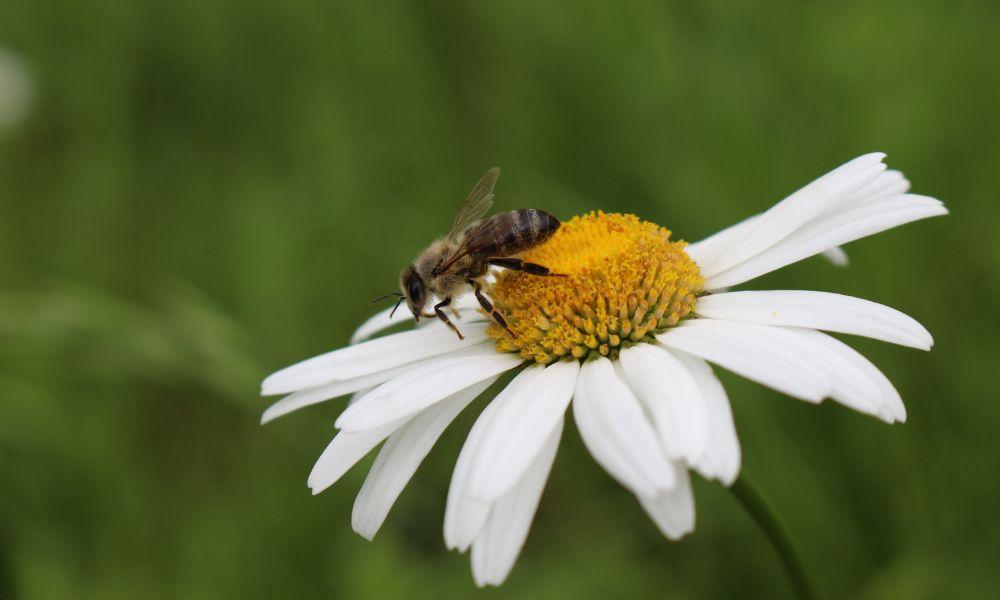
Hoverflies and lacewings eat aphids. Bees work the bloom. Ground beetles take slugs and cutworms at night. Spiders and a mantis take what walks past. Worms are soil, not a problem. Do: learn those silhouettes in daylight. Don’t: a first-week spray that also takes the hoverfly.
Aphids clustered on a new tip are not the same as a pollinator on a flower. A tomato hornworm is a green caterpillar you will see if you look. A lacewing larva is the “alligator” that is already working. Write what you saw. A photo from one angle is a rumor. Two angles and a size note are a start. Color changes after a molt. A nymph is not a different species because it is smaller.
Lady beetles have a look you can learn, and so do the orange egg clusters they leave. A squash bug is a shield you will find under a leaf if you lift. Japanese beetles skeletonize in a crowd. One beetle on a rose is a guest. A swarm on a grape is a count. Do: the same plant two days in a row. Don’t: a spray because a neighbor named a bug from a porch thirty feet away.
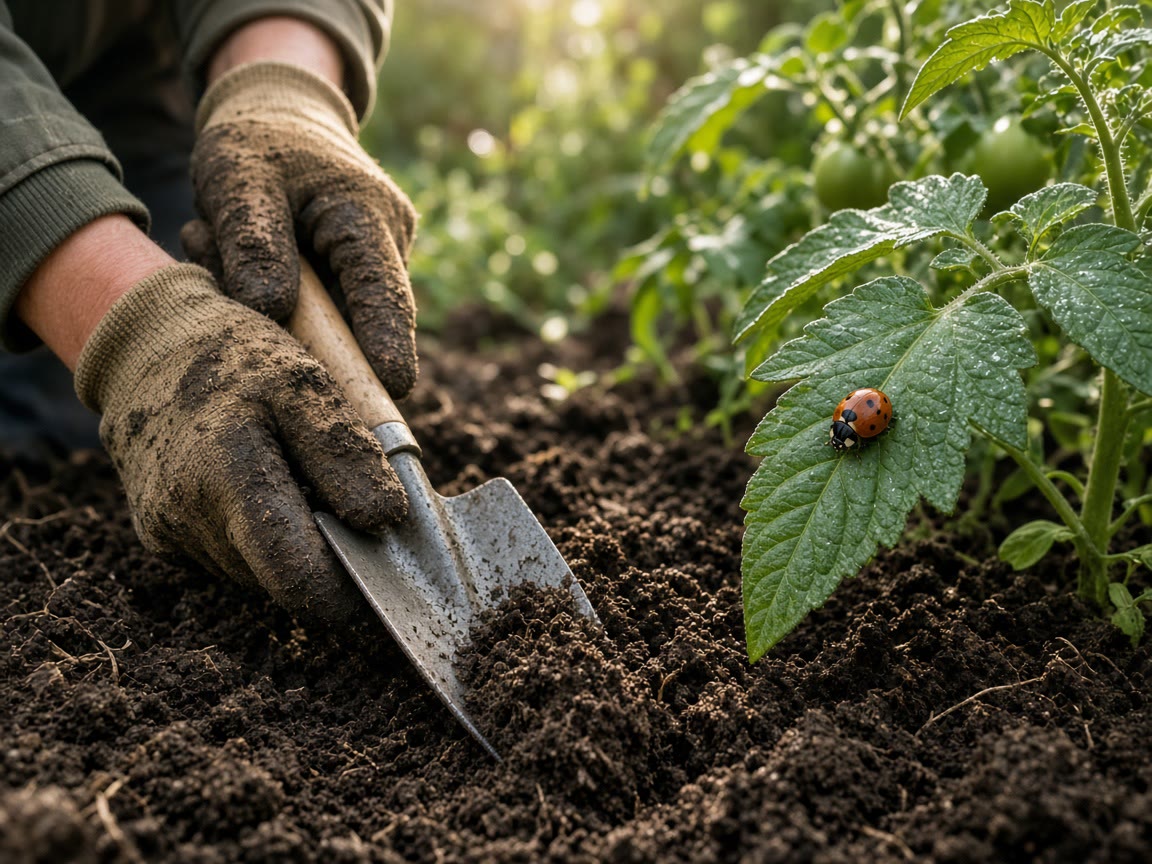
Turn soil and look under leaves with a trowel you will actually use
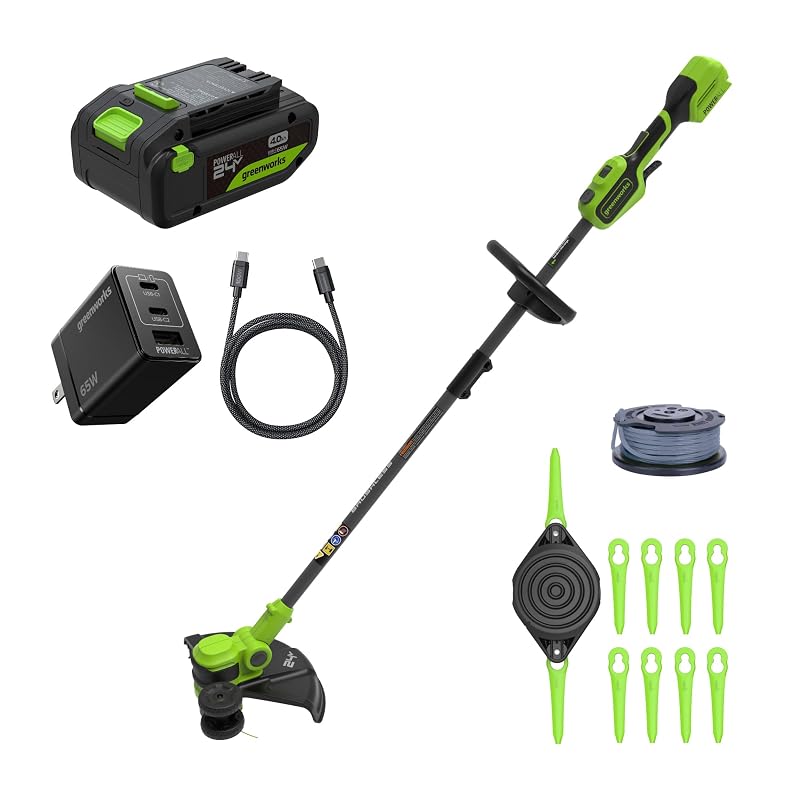
The Fiskars Ergo Garden Trowel is the live trowel we named for a lift of mulch, a look under a leaf, a grub you can still put back. A cut-and-hold handle beats a flimsy scoop that bends on clay. Check live prices.
Do: lift, look, put the clod back. Don’t: a tiller as ID. Cutworms hide at the soil line. Sowbugs and pillbugs under a board are not the same job as a squash-vine borer in a stem. A raised bed makes the look easier because you can sit. Early morning and late afternoon beat noon glare on a shiny beetle.
Count before you act. Ten beetles on one plant is a story. One beetle on a walk is a guest. Slug damage at dawn is slime and a ragged edge. Earwig damage is similar and needs a look under the pot lip, not a guess from the porch. A cut stem at soil level with no slime is often a cutworm you will only meet if you turn. Put the clod back either way. The soil is still a home for the allies.
Night moths want a lamp, not a guess from the porch
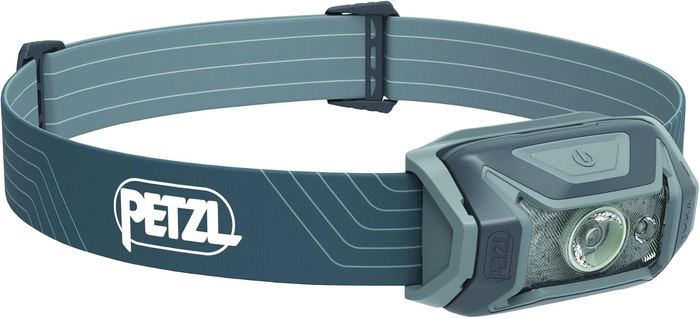
The Petzl Tikka is the live headlamp we named for a dusk walk when hornworm moths, millers, and the things that come to a bloom after dinner are the question. Red if you want less of a circus. Check live prices.
Do: a slow loop with both hands free. Don’t: a phone flashlight you drop in the tomatoes. A sphinx moth at dusk is not a hummingbird. A miller in the brassicas is a different Saturday than a tomato hornworm you can pick. Write the hour. Night ID is a silhouette and a size, then a book in the morning.
A field guide can stay a bookshop sentence
A regional insect guide from a bookshop or a library is still the honest page when you do not have a listing you trust. Do not buy a random “bug book” because a cart suggested it. Cooperative extension, a master-gardener desk, and a county photo you send beat a shop-app guess you will spray on.
Apps can hint. They also confuse a beneficial wasp with a pest. Use a photo as a question, not a verdict. A university page for your state is a better second click than a comment thread. If the app says “kill it” and you still cannot name the insect in a sentence, you do not have an ID. You have a suggestion. Walk it to a desk.
| Look | What you write |
|---|---|
| Daytime leaf | Top and underside, size, what it was eating |
| Soil line | A trowel turn, a grub or a cutworm, put the clod back |
| Dusk bloom | Hour, silhouette, a lamp you can wear |
| Still unnamed | Bookshop guide or extension, not a first spray |
Name it before you treat it. Check live prices.
When you still cannot name it, ask a desk
A garden center that still talks, a beekeeper for a bee you cannot sort, a county extension photo — that is help. Do: two clear photos and the plant name. Don’t: a jar you forgot on a dash. The hobby is the looking. A panic spray is how a Tuesday becomes a bare stem. A kid can hold the trowel if the look is already the hour. The name is still yours to write.
Allies first, a trowel turn, a dusk lamp, a name before a bottle
That is insect ID. Check live prices on the trowel and the lamp. A guide from a bookshop or a library is still allowed. Come back to the same bed tomorrow and count again.
Guests will try to write a panic bottle on day one
Say the rule at the house: allies first, a name you write, a count before a spray. If the answer is a porch diagnosis from thirty feet and a laugh, sit. A hoverfly is not an aphid. A first spray takes both. Raised beds are where most of the looking happens.
Do: the same plant two days in a row. Don’t: a spray because a neighbor named a bug from a porch. Lady beetles have a look you can learn, and so do the orange egg clusters they leave. A squash bug is a shield you will find under a leaf if you lift. Japanese beetles skeletonize in a crowd. One beetle on a rose is a guest. A swarm on a grape is a count.
A kid can hold the trowel if the look is already the hour. The name is still yours to write. A family look can be one leaf. That still counts. The hobby is the looking. A panic spray is how a Tuesday becomes a bare stem.
Ten beetles on one plant is a story. One beetle on a walk is a guest.
Count before you act. Slug damage at dawn is slime and a ragged edge. Earwig damage is similar and needs a look under the pot lip, not a guess from the porch. A cut stem at soil line with no slime is often a cutworm you will only meet if you turn. Put the clod back either way. The soil is still a home for the allies. Worms are soil, not a problem. Ground beetles take slugs and cutworms at night. Spiders and a mantis take what walks past.
Aphids clustered on a new tip are not the same as a pollinator on a flower. A tomato hornworm is a green caterpillar you will see if you look. A lacewing larva is the “alligator” that is already working. Write what you saw. A photo from one angle is a rumor. Two angles and a size note are a start. Color changes after a molt. A nymph is not a different species because it is smaller.
Do: lift, look, put the clod back. Don’t: a tiller as ID. Cutworms hide at the soil line. Sowbugs and pillbugs under a board are not the same job as a squash-vine borer in a stem. Early morning and late afternoon beat noon glare on a shiny beetle. A raised bed makes the look easier because you can sit.
A university page beats a comment thread
Apps can hint. They also confuse a beneficial wasp with a pest. Use a photo as a question, not a verdict. If the app says “kill it” and you still cannot name the insect in a sentence, you do not have an ID. You have a suggestion. Walk it to a desk. Cooperative extension, a master-gardener desk, and a county photo you send beat a shop-app guess you will spray on.
Do: two clear photos and the plant name. Don’t: a jar you forgot on a dash. A garden center that still talks, a beekeeper for a bee you cannot sort — that is help. A regional insect guide from a bookshop or a library is still the honest page when you do not have a listing you trust. Do not buy a random “bug book” because a cart suggested it.
Soap, a cooler, and a jacket do not belong on an ID walk. Those are other Saturdays. This page is a look, a trowel, and a lamp. A nature hour can be the dusk loop. Write the hour. Night ID is a silhouette and a size, then a book in the morning.
A trowel you will actually use, a lamp for the dusk moth
The Fiskars Ergo Garden Trowel is the live trowel we named for a lift of mulch, a look under a leaf, a grub you can still put back. A cut-and-hold handle beats a flimsy scoop that bends on clay. Check live prices. Do: lift, look, put the clod back. Don’t: a tiller as ID.
The Petzl Tikka is the live headlamp we named for a dusk walk when hornworm moths, millers, and the things that come to a bloom after dinner are the question. Red if you want less of a circus. Check live prices. Do: a slow loop with both hands free. Don’t: a phone flashlight you drop in the tomatoes. A sphinx moth at dusk is not a hummingbird. A miller in the brassicas is a different Saturday than a tomato hornworm you can pick.
A handheld if the other pocket is already a door lamp. This page is still the trowel and the Tikka. Check live prices.
Allies first, a trowel turn, a dusk lamp, a name before a bottle
Do: the same Tuesday look. Don’t: a scavenger hunt for a bottle. Check live prices on the trowel and the lamp. A guide from a bookshop or a library is still allowed. Come back to the same bed tomorrow and count again.
Last line: a panic bottle is not identification. Learn the allies. Turn a leaf. Walk dusk with a lamp. Name it. Then decide. That is insect ID. That is enough.
Also in the magazine
Keep going with raised beds, the hobby hour, kids outdoors, and a family look. Check live prices.
Frequently asked questions
How do you identify garden insects?
Learn allies first, turn leaves and soil, walk dusk with a lamp, and use a bookshop guide or extension before you spray.
What trowel?
The Fiskars Ergo Garden Trowel for a lift of mulch and a look under a leaf. Put the clod back.
Why a headlamp?
A Petzl Tikka for night moths and hornworm hours. A phone light you drop in the tomatoes is not the tool.
Do you name a field-guide listing?
No. A regional guide from a bookshop or a library is the honest page. Extension beats a cart guess.
Should I spray first?
No. Name it. Count it. A hoverfly is not an aphid. A first spray takes both.
Soap or a cooler for ID?
Neither. Those are other Saturdays. This page is a look, a trowel, and a lamp.