
Want to See a Polar Bear in the Wild? Here's How to Do It Safely
Written by John Wren|
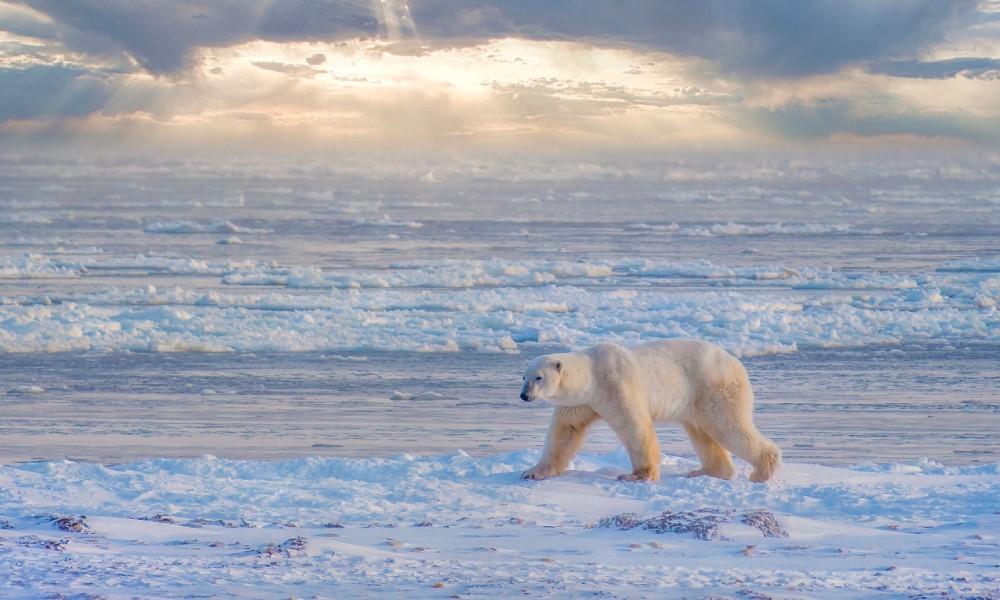
Book with a regulated viewing operator in Churchill, Manitoba during the October–November migration for the most accessible experience, or a Svalbard expedition ship for a wilder, ship-based encounter. Never attempt independent, unguided polar bear viewing.
Key takeaways
- Churchill offers the most accessible, predictable viewing window.
- Svalbard offers a wilder, ship-based experience with less certainty.
- Independent, unguided viewing is genuinely dangerous.
- Choose operators who prioritize distance and the bear's welfare.
Seeing a polar bear in the wild responsibly means going through established, regulated viewing operations in specific known locations — Churchill, Manitoba during the fall migration, Svalbard by expedition ship, or northern Alaska's coastal areas — rather than attempting independent wildlife-seeking in bear habitat, which is both dangerous and disruptive to the animals. The short answer: book with an operator who follows strict distance and behavior guidelines, travel during the specific seasonal window when bears concentrate predictably, and understand that responsible viewing prioritizes the bear's welfare over getting closer for a better photo.
Short version. Churchill in October and November is the most accessible and famous polar bear viewing location, using specialized tundra vehicles that keep visitors and bears safely separated. Svalbard offers ship-based viewing in a genuinely wild Arctic setting but requires more time, cost, and cold-weather preparation. Alaska's coastal areas offer viewing tied to specific seasonal ice and whale-carcass feeding patterns.
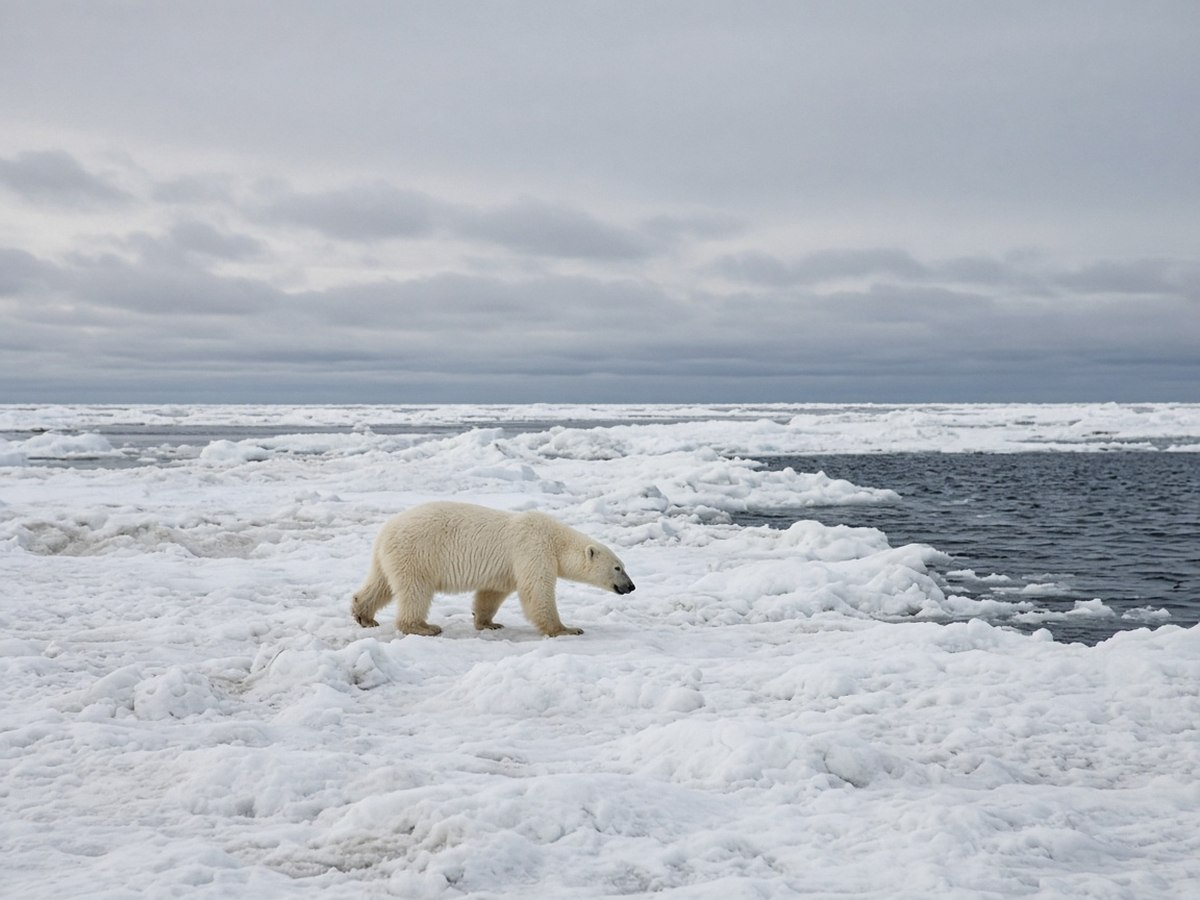
Churchill, Manitoba: the most accessible viewing destination
Churchill sits directly on the migration path polar bears take each fall as they wait for Hudson Bay to freeze, which concentrates a large, predictable bear population near the town for a roughly six-to-eight-week window each October and November. Specialized tundra vehicles — elevated, enclosed platforms built specifically for this purpose — carry visitors out onto the tundra where bears can be observed safely from a height and distance that protects both visitors and the animals from any dangerous close encounter.
Book well in advance, since Churchill's viewing season has a hard, predictable window and popular tour operators fill up months ahead of the season. Flights into Churchill are limited and often routed through Winnipeg, so factor real travel time and cost into planning a trip, since this is a genuinely remote northern Canadian town rather than an easy day trip from anywhere.
Svalbard: ship-based viewing in a wilder setting
Svalbard, a Norwegian archipelago well above the Arctic Circle, offers polar bear viewing via expedition cruise ships that navigate pack ice and coastal areas where bears hunt seals. This is a genuinely wilder, less concentrated viewing experience than Churchill's predictable tundra-vehicle setup, and sightings, while common on a well-planned expedition, are not guaranteed in the same structured way Churchill's fall migration window provides.
Expedition ships to Svalbard typically run in the Arctic summer months and require a real time and financial commitment — these are multi-day to multi-week voyages, not a single-day excursion, and pricing reflects the specialized vessels and expert naturalist staff required for genuinely safe Arctic wildlife viewing in open water and ice conditions.
Northern Alaska: seasonal and less predictable
Coastal areas of northern Alaska, particularly near Kaktovik on the Beaufort Sea coast, offer polar bear viewing opportunities tied to specific seasonal patterns, including bears drawn to whale carcass remains from subsistence hunts in late summer and early fall. This viewing opportunity is more geographically and seasonally specific than Churchill's broader migration window, and access typically requires working with a local guide or outfitter familiar with current conditions and community guidelines.
Why independent, unguided viewing is genuinely dangerous
Polar bears are apex predators capable of serious, sometimes fatal attacks on humans, and they show far less innate wariness of people than most other North American wildlife, since their historical range rarely overlapped with significant human population. Attempting to view or photograph a wild polar bear without a trained guide, proper vehicle or vessel protection, and established distance protocols is a genuinely dangerous undertaking that responsible operators and Arctic communities strongly discourage.
Established viewing operations exist specifically because they have developed protocols, vehicles, and guide expertise that make safe viewing possible without this level of risk — this is one of the clearest cases in wildlife tourism where paying for a properly guided, regulated experience is not just a convenience but a genuine safety requirement.
Viewing ethics: keeping bears wild and undisturbed
Responsible polar bear tourism operators maintain strict distance guidelines and avoid any behavior that could habituate bears to human presence or food, since a bear that associates humans with food access becomes a serious danger to both future visitors and the bear itself, which often has to be relocated or, in the worst cases, euthanized once it becomes a genuine safety problem. Choose operators who are transparent about their distance and behavior protocols, and avoid any operation that seems to prioritize a close photo opportunity over the bear's long-term welfare.
Timing your trip around the specific viewing window
Each viewing location has a distinct, sometimes narrow seasonal window driven by ice formation, migration timing, or specific feeding patterns, and arriving outside that window significantly reduces your chances of a meaningful sighting regardless of how well-chosen your destination and operator are. Research the specific current-year timing for your chosen destination rather than relying on general seasonal guidance, since ice formation and migration timing can shift somewhat year to year based on regional weather and climate patterns.
Preparing for genuinely cold, remote travel
Any polar bear viewing trip involves genuinely cold, remote conditions that demand real cold-weather gear — insulated, wind-resistant outer layers, quality boots rated for extreme cold, and layering that accounts for standing still for extended periods watching wildlife, which is far colder than active movement in the same temperatures. Most reputable operators provide detailed packing guidance specific to their itinerary, and following it closely matters more than assuming your general winter gear from home will suffice for genuinely Arctic conditions.
Is this a trip for kids?
Polar bear viewing trips can work well for older children and teenagers who can handle genuinely cold conditions, extended periods of quiet patience, and the reality that sightings are never guaranteed on any single outing. Churchill's tundra vehicles are generally more accommodating for families than a Svalbard expedition ship, which demands more from younger travelers in terms of sea conditions, longer trip duration, and the physical demands of shipboard Arctic travel. Talk to your chosen operator directly about age recommendations and any specific accommodations for younger travelers before booking a family trip.
Realistic cost and time expectations
Polar bear viewing trips are genuinely expensive relative to most wildlife tourism, and understanding why helps set realistic expectations before you start planning. Churchill tours, while the most accessible option geographically, still involve significant flight costs into a remote northern town, specialized tundra vehicle operations, and lodge or hotel accommodations priced for a short, high-demand season. Multi-day Svalbard expedition cruises run considerably higher, reflecting the cost of ice-capable vessels, expert naturalist staff, and the logistics of operating safely in genuinely remote Arctic waters for a week or more.
Budget real time as well as money. A meaningful Churchill trip typically runs three to five days to allow multiple tundra vehicle outings and account for weather-related schedule changes, while a Svalbard expedition is commonly seven to fourteen days including transit time to and from the archipelago's gateway town of Longyearbyen. Treat a polar bear viewing trip as a genuine bucket-list expedition requiring real advance planning, not a quick add-on to a broader travel itinerary.
Climate change and the urgency some travelers feel
Sea ice loss driven by a warming Arctic climate has measurably affected polar bear populations and behavior in various regions, which has led some travelers to feel increased urgency about seeing polar bears in the wild before conditions change further. This is a legitimate concern, but it should not translate into cutting corners on responsible, well-guided viewing practices — the same climate pressures affecting bears also make responsible, low-disturbance tourism practices more important, not less, since already-stressed populations have less resilience to absorb additional disturbance from poorly managed tourism.
Reputable operators in all three major viewing regions increasingly incorporate research support, citizen-science data collection, and conservation education into their trips, which is a meaningful way for travelers who care about polar bear conservation to align their bucket-list trip with genuine support for the species' long-term future rather than treating the trip purely as a personal photography opportunity.
Photography considerations for a once-in-a-lifetime trip
A telephoto lens in the 400mm-plus range is genuinely necessary for meaningful polar bear photography given the safe viewing distances responsible operators maintain — a shorter lens will leave you with a small, distant subject in most frames regardless of how close your tour vehicle or ship gets. Practice with your specific camera and lens combination before the trip, since fumbling with unfamiliar settings during a brief, weather-dependent sighting window wastes precious time that will not come again on a single-trip itinerary.
Cold weather affects camera batteries and, in extreme cold, camera electronics generally — carry spare batteries kept warm in an inner jacket pocket, and allow camera gear to acclimate gradually when moving between a heated vehicle or ship cabin and outdoor viewing conditions to avoid condensation forming on lenses and internal components.
Other wildlife you are likely to see along the way
Polar bear viewing trips, particularly Svalbard expeditions and Churchill excursions, typically offer meaningful opportunities to see other Arctic wildlife along the way — Arctic foxes, various seal species, seabirds, and occasionally beluga whales or other marine mammals depending on the specific region and season. Building realistic expectations around a broader wildlife experience, rather than a trip judged solely on polar bear sightings, makes for a more satisfying trip overall regardless of how the specific bear sightings play out on any given day.
| Destination | Best window | Experience style |
|---|---|---|
| Churchill, Manitoba | October–November | Predictable, tundra-vehicle based, most accessible |
| Svalbard | Arctic summer | Ship-based, wilder, sightings not guaranteed |
| Kaktovik, Alaska | Late summer–early fall | Seasonal, tied to specific local feeding patterns |
Our take: Churchill is the most accessible, predictable option for most travelers. Svalbard offers a wilder, ship-based experience for those with more time and budget. Whichever destination you choose, book with a regulated operator who prioritizes both your safety and the bear's welfare — this is not wildlife you should ever attempt to seek out unguided.
How to vet an operator before you book
Look for operators with a long, documented track record in the specific region, transparent published distance and behavior guidelines, and staff who hold recognized Arctic guiding or naturalist credentials. Ask direct questions about vehicle or vessel design, guide-to-guest ratios, and what happens if a bear approaches closer than the operator's stated safe distance, since a well-prepared operator will have a clear, rehearsed protocol rather than a vague reassurance.
Reviews and recommendations from established wildlife tourism organizations and past travelers carry more weight than marketing materials alone. A genuinely responsible operator will not hesitate to discuss their safety record and conservation practices in detail, since these are exactly the points that differentiate a well-run operation from one cutting corners to offer a cheaper trip. The cheapest available trip is rarely the right choice when the stakes involve both your safety and a vulnerable species' welfare. Spend the extra research time up front, since a single trip of this scale and cost deserves it.
Frequently asked questions
Where is the best place to see a polar bear in the wild?
Churchill, Manitoba during October and November is the most accessible and predictable destination, using specialized tundra vehicles for safe viewing during the fall migration.
Is it safe to view polar bears without a guide?
No. Polar bears are apex predators with little natural wariness of humans. Independent, unguided viewing is genuinely dangerous and strongly discouraged by responsible operators and Arctic communities.
When is the best time to visit Svalbard for polar bear viewing?
Arctic summer months, via expedition cruise ships that navigate pack ice and coastal hunting areas. Sightings are common but not guaranteed the way Churchill's migration window provides.
How far in advance should I book a polar bear viewing trip?
Months ahead, especially for Churchill, since the viewing season has a narrow, predictable window and popular operators fill up early.
What should I pack for a polar bear viewing trip?
Genuinely cold-weather gear rated for extended periods of standing still in Arctic conditions, following your specific operator's detailed packing guidance rather than assuming general winter gear will suffice.
Why do responsible operators keep such a strict distance from bears?
To avoid habituating bears to human presence or food, which can make a bear dangerous to future visitors and often results in the bear being relocated or euthanized.