
Top Diving Tips: How to Get Comfortable in the Water
Written by John Wren|
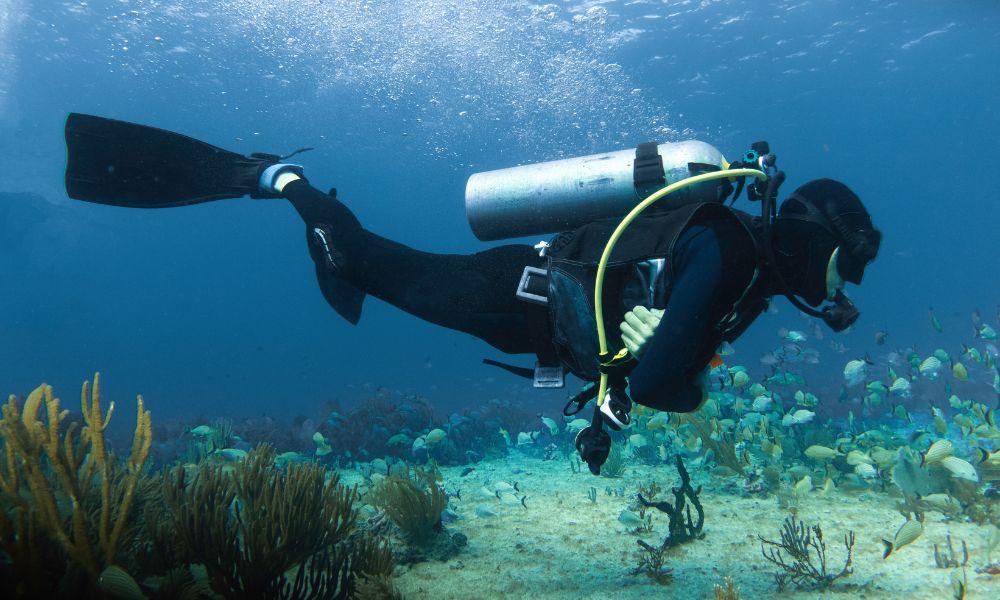
Practice slow, controlled breathing as both a core skill and an anxiety management tool, build muscle memory through pool practice before open water, and progress from calm, clear conditions to more challenging ones gradually rather than all at once.
Key takeaways
- Slow, controlled breathing directly counteracts underwater anxiety.
- Pool practice builds real muscle memory before open water dives.
- Progress from easy to challenging conditions gradually.
- Honest communication with your buddy or instructor matters.
Getting comfortable in the water for diving — scuba or freediving — comes down to slowing your breathing, building trust in your equipment through repetition in shallow, controlled conditions, and addressing the specific source of anxiety directly rather than pushing through it and hoping it fades on its own. The short answer: practice basic skills repeatedly in a pool or shallow, calm water before attempting open water, focus on slow, controlled breathing as your primary anxiety management tool, and progress gradually rather than jumping straight into challenging conditions before you are genuinely ready.
Short version. Pool practice for mask clearing, regulator recovery, and basic buoyancy builds real muscle memory before you need those skills in open water. Slow, deliberate breathing is both a physiological anxiety reducer and a core scuba skill you need regardless of experience level. Progress from calm, shallow, clear water toward more challenging conditions gradually, not all at once.
Breathing control is both a skill and an anxiety tool
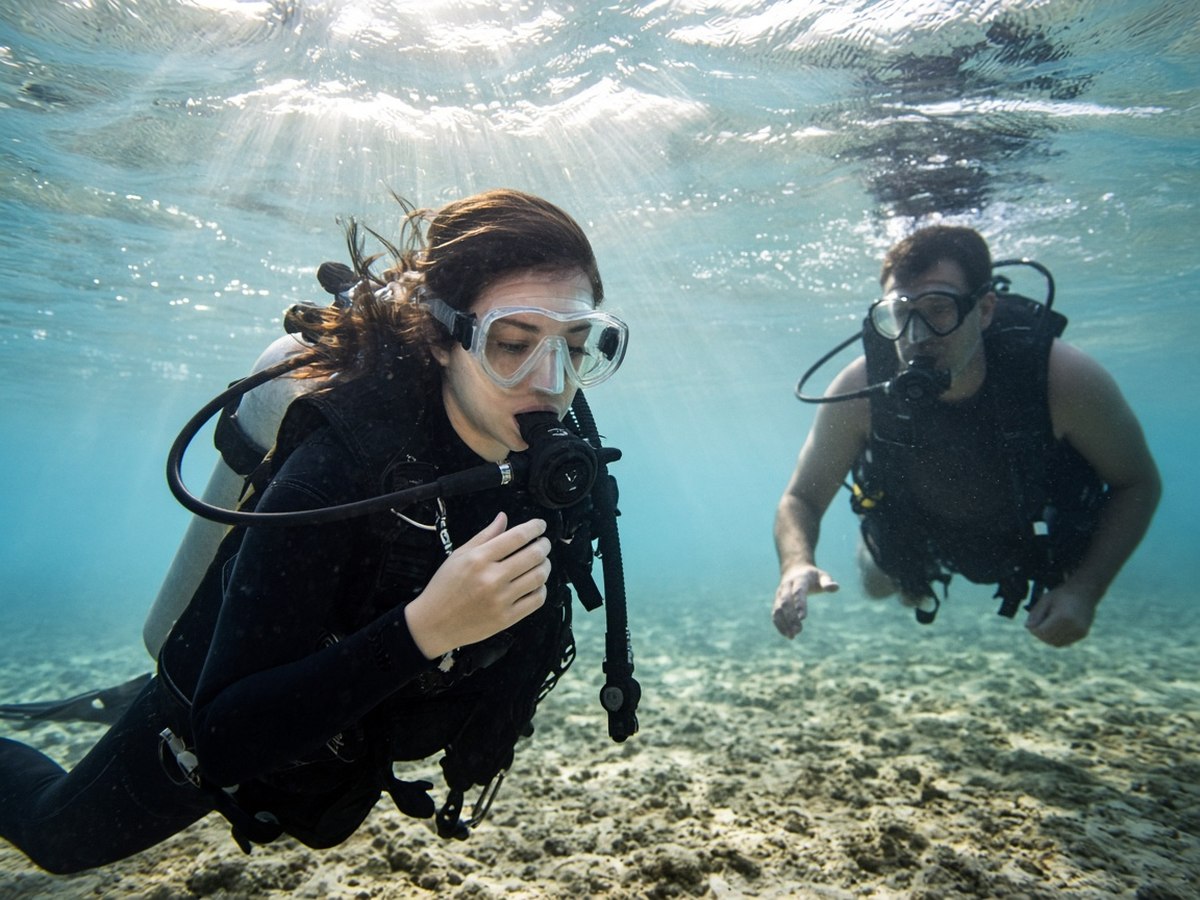
Slow, deep, controlled breathing serves double duty for new divers — it is a core scuba skill that improves air consumption and buoyancy control, and it is simultaneously one of the most effective physiological tools for managing anxiety underwater, since controlled breathing directly counteracts the body's stress response. Practice slow, deliberate inhales and exhales specifically, both on land and in shallow water, until it becomes a default response rather than something you have to consciously remember under stress.
Many new divers unconsciously breathe faster and shallower when anxious, which paradoxically increases the physical sensations of anxiety and can trigger a genuine panic response underwater if not caught early. Learning to recognize your own early anxiety signals — faster breathing, a racing heart, tunnel vision — and responding immediately with deliberate slow breathing is a skill worth practicing consciously until it becomes automatic.
Pool practice builds the muscle memory open water demands
Repeating basic skills — mask clearing, regulator recovery, buoyancy control, and emergency ascent procedures — in a calm, shallow pool environment builds genuine muscle memory that carries over into open water, where the same skills need to happen smoothly under potentially more challenging conditions like current, reduced visibility, or colder water. Do not consider a single pool session during certification sufficient if you still feel uncertain about any core skill; additional practice sessions, even after certification, are a normal and worthwhile investment in genuine comfort and competence.
Many dive shops offer pool practice sessions specifically for certified divers who want to refresh or build confidence in specific skills before a trip, and taking advantage of this option before a challenging open water dive is a smart, low-cost way to address specific anxiety triggers directly rather than hoping they resolve themselves during the actual dive.
Trusting your gear through familiarity, not just instruction
A significant portion of underwater anxiety for new divers stems from unfamiliarity with equipment — not fully trusting that a regulator will deliver air reliably, or feeling unsure about a BCD's inflation and deflation controls under actual water pressure rather than just in a classroom explanation. Spend extra time in shallow water specifically testing and re-testing your own equipment's behavior — how it feels to breathe through the regulator, how the BCD responds to small inflation and deflation adjustments — until the equipment feels like a natural extension of your body rather than an unfamiliar, slightly concerning apparatus.
A supportive dive buddy or instructor changes everything
Diving with a patient, experienced buddy or instructor who understands and respects your specific comfort level, rather than pushing you toward more challenging conditions before you are ready, makes an enormous difference in how quickly and safely comfort develops. Communicate your specific concerns honestly before a dive rather than hiding anxiety and hoping to push through silently, since a good buddy or instructor can adjust the dive plan, pace, and depth to match your actual current comfort level rather than an idealized expectation.
Progressing gradually rather than all at once
Move from calm, clear, shallow water toward more challenging conditions — deeper water, reduced visibility, current, colder temperatures — incrementally rather than attempting a significant jump in difficulty before genuinely mastering the easier conditions first. A diver who feels fully comfortable in calm, 15-foot, clear tropical water but has never dived anything more challenging should not expect that same comfort level to transfer automatically to a cold, low-visibility, 60-foot dive without deliberate, gradual progression in between.
Equipment fit matters more for comfort than most new divers realize
A poorly fitting mask that leaks or fogs constantly, a wetsuit that restricts movement or lets in cold water, or fins that cause cramping all contribute directly to physical discomfort that compounds into psychological anxiety underwater. Invest time in properly fitting equipment, ideally your own rather than rented gear of inconsistent quality and fit, since a diver fighting constant minor physical discomfort has a much harder time building the calm, controlled mindset that genuine underwater comfort requires.
Reframing normal underwater sensations as expected, not alarming
New divers sometimes interpret normal underwater sensations — pressure changes requiring equalization, the sound of their own breathing through a regulator, or reduced peripheral awareness from a mask — as alarming or wrong, when they are simply the normal experience of being underwater with scuba equipment. Understanding in advance what normal feels like, through thorough instruction and open conversation with your instructor about what to expect, prevents misinterpreting a normal sensation as a sign that something is actually wrong.
Recognizing and interrupting the early stages of panic
True panic underwater is dangerous specifically because it can lead to unsafe rapid ascents or other reflexive, unsafe behaviors, which makes recognizing and interrupting the early stages — before full panic develops — a genuinely important skill. The moment you notice racing thoughts, rapid breathing, or an urge to bolt for the surface, stop, hold a stable position if safely possible, focus entirely on slow breathing, and signal your buddy rather than acting on the impulse immediately.
Reduced visibility and how to prepare for it mentally
Low-visibility diving — murky lakes, silty bottoms, or simply cloudy ocean conditions — is disorienting for many divers who trained primarily in clear tropical water, and the sudden loss of visual reference points can trigger genuine anxiety even in an otherwise experienced diver. Practice low-visibility skills deliberately, ideally with an instructor, including maintaining contact with a buddy or a guideline and relying more heavily on your gauges and instruments rather than visual reference alone, before attempting a genuinely challenging low-visibility dive on your own.
Mentally reframing reduced visibility as simply a different diving skill set to master, rather than an inherently more dangerous or frightening condition, helps many divers approach it with curiosity rather than dread. Divers who train specifically for these conditions, rather than avoiding them entirely, often find their overall underwater comfort and confidence increases across all conditions, not just low-visibility ones specifically.
Cold water diving comfort takes its own adjustment period
Cold water introduces a genuine physical stressor beyond the psychological factors already discussed — proper exposure protection, a wetsuit or drysuit rated correctly for the actual water temperature, matters enormously for both physical comfort and the psychological comfort that follows from not being distracted by genuine cold discomfort throughout a dive. Divers who trained exclusively in warm tropical water sometimes underestimate how much cold changes the overall diving experience, and a poorly chosen or poorly fitted exposure suit can undermine confidence built through warm-water training.
Freediving-specific comfort considerations
Freediving comfort relies even more heavily on breath control and a genuinely relaxed mental state than scuba diving, since there is no continuous air supply to fall back on if anxiety spikes mid-dive. Freediving-specific breathing and relaxation techniques, typically taught through a dedicated freediving course rather than assumed knowledge from scuba training, are worth pursuing specifically if freediving comfort is your goal, since the skill set, while related, is genuinely distinct from scuba diving comfort techniques.
Comfort development looks different at different ages and life stages
Younger, more physically confident new divers sometimes progress through comfort-building stages faster than older divers or those with less general aquatic confidence, but this is not a universal rule, and comparing your own progression to someone else's pace can create unnecessary pressure and discouragement. Progress at whatever pace genuinely matches your own comfort development, and resist any external pressure — from a buddy, an instructor, or simply comparing yourself to others — to move faster than what feels right for your own underwater confidence.
| Strategy | Why it works | When to use it |
|---|---|---|
| Slow, controlled breathing | Directly counteracts the body's stress response | Continuously, and especially at the first sign of anxiety |
| Pool skill practice | Builds muscle memory before open water | Before certification and before any challenging dive |
| Gradual progression | Prevents overwhelming jumps in difficulty | Every step up in depth, visibility, or conditions |
| Honest communication with buddy/instructor | Allows the dive plan to match your real comfort level | Before every dive, not just when problems arise |
Our take: comfort in the water is built through repetition, deliberate breath control, and honest, gradual progression, not by forcing through anxiety and hoping it resolves on its own. Take the extra pool session, communicate honestly with your buddy, and progress at a pace that matches your actual current comfort level.
Refresher dives after a long break
Divers returning to the water after a significant break — months or years without diving — often benefit enormously from a guided refresher dive or course before jumping back into unsupervised diving, since both physical skills and the underlying comfort built through repetition tend to fade somewhat during extended time away from the water. Treating a refresher as a genuine skill-rebuilding session, rather than a formality to check off before a trip, pays real dividends in restored comfort and confidence for the dives that follow.
Visualization and mental rehearsal before a dive
Mentally rehearsing a dive plan, including specific skills or moments you feel less confident about, before actually entering the water is a technique borrowed from sports psychology that many experienced divers use to build comfort proactively rather than reactively. Spending a few minutes visualizing a calm, controlled descent, steady breathing, and a smooth response to any anticipated challenge primes your actual in-water response in a genuinely measurable way, according to both diver anecdote and broader sports psychology research on mental rehearsal techniques. A calm mind before the dive begins makes a calm dive far more likely once you are actually in the water. It costs nothing and takes only a few quiet minutes on the boat or the shore before gearing up. Make it a habit before every dive, not just the ones that already feel intimidating.
Frequently asked questions
How do I stop feeling anxious while scuba diving?
Practice slow, controlled breathing, which both improves air consumption and directly counteracts the body's stress response. Build comfort gradually through pool practice before challenging open water conditions.
Is it normal to feel nervous during scuba certification?
Yes, very common. Additional pool practice sessions beyond the minimum certification requirement are a normal, worthwhile way to build genuine comfort with core skills.
How can equipment fit affect my comfort underwater?
A poorly fitting mask, wetsuit, or fins causes physical discomfort that compounds into psychological anxiety. Properly fitted, ideally owned rather than rented, equipment makes a real difference.
What should I do if I start to panic underwater?
Stop, hold a stable position if safe, focus entirely on slow breathing, and signal your buddy. Recognizing and interrupting early anxiety signs prevents escalation to full panic.
How quickly should I progress to more challenging dive conditions?
Gradually. Move from calm, clear, shallow water toward deeper, lower-visibility, or colder conditions incrementally rather than attempting a big jump before you are genuinely comfortable.
Does talking to my dive buddy about anxiety actually help?
Yes. Honest communication lets a good buddy or instructor adjust the dive plan and pace to match your real comfort level rather than pushing you toward conditions you are not ready for.