
The Different Types of Recreational Haulers, Explained
Written by John Wren|
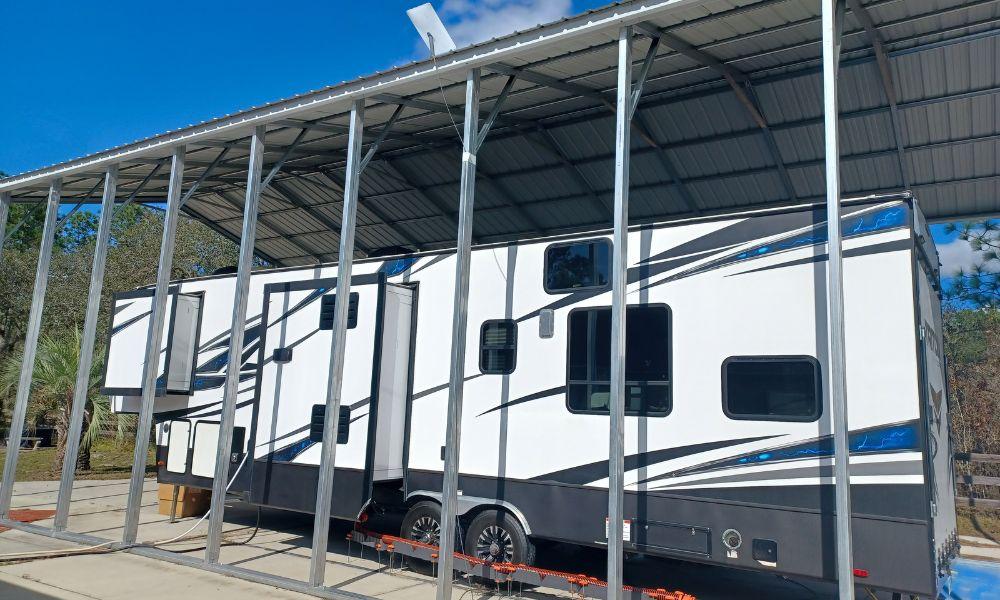
Choose a toy hauler trailer or fifth wheel if you need combined camping and toy hauling. Choose a simple utility trailer if lodging is already handled. Choose a dedicated snowmobile or ATV trailer if you load and unload the same equipment often.
Key takeaways
- Toy haulers combine living quarters with a cargo garage for toys.
- Utility trailers are simpler and cheaper if lodging is separate.
- Dedicated trailers beat generic ramps for frequent loading.
- Always confirm tow vehicle rating against loaded trailer weight.
A "recreational hauler" covers a wide range of vehicles built specifically to move toys — ATVs, dirt bikes, UTVs, snowmobiles, boats, and camping gear — to wherever the actual fun happens. The short answer: the right type depends on what you are hauling, how far you are driving, and whether you also need to sleep in it once you arrive. Toy hauler trailers, truck-bed campers with cargo capacity, utility trailers, and dedicated snowmobile or ATV trailers each solve a different version of that problem.
Short version. A toy hauler travel trailer or fifth wheel is the right call if you want to sleep on-site and haul motorized toys in the same rig. An open or enclosed utility trailer is the simpler, cheaper answer if you already have separate camping arrangements. A dedicated snowmobile or ATV trailer, sized and ramped for the specific machine, beats a generic flatbed for anything you load and unload often.
Toy hauler travel trailers and fifth wheels
A toy hauler is a travel trailer or fifth wheel with a rear cargo garage — a ramp door that drops down to load ATVs, dirt bikes, or a small UTV — combined with living quarters up front. This is the right choice if your trips combine off-road riding with an actual multi-night camping stay, since it eliminates the need for a separate tow vehicle setup for toys and a separate camper for sleeping.
The trade-off is weight and length. A loaded toy hauler with a full garage and living quarters can be significantly heavier than a comparable non-toy-hauler travel trailer, which means you need a tow vehicle genuinely rated for the loaded weight, not just the dry weight listed in the brochure. Confirm your tow vehicle's actual rated towing capacity against the toy hauler's gross vehicle weight rating loaded with fuel, water, and your toys before you buy.
Open and enclosed utility trailers
A simple utility trailer, open or enclosed, is the most flexible and often most affordable way to haul recreational toys if you already have separate lodging arrangements — a hotel, a cabin, or a non-toy-hauler camper. Open trailers are lighter, cheaper, and easier to load and unload, but they expose your cargo to weather and road debris during transport. Enclosed trailers protect cargo and often double as secure storage between trips, at a real cost and weight premium over an open design.
Size the trailer to your actual cargo, not your aspirational future purchases — a trailer sized for two ATVs that you load with one wastes towing capacity and fuel economy, while a trailer sized too small forces awkward, unsafe loading configurations for anything beyond its intended capacity.
Dedicated snowmobile and ATV trailers
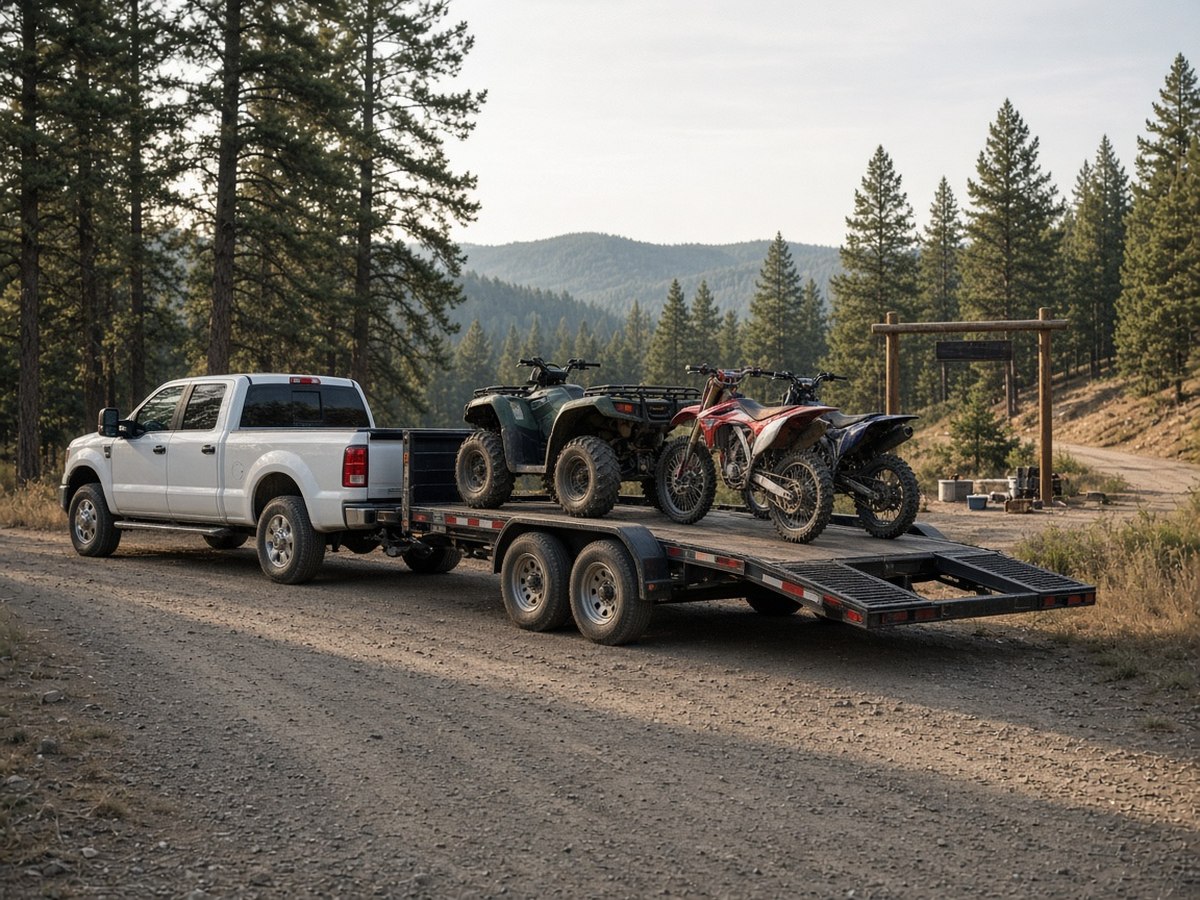
Purpose-built snowmobile and ATV trailers include features generic utility trailers lack: ramps and deck configurations specifically shaped for the machine's wheelbase and ground clearance, tie-down points positioned correctly for the specific type of equipment, and often a lower deck height that makes loading and unloading significantly easier and safer than backing a machine up a steep generic ramp.
If you haul the same type of equipment regularly, a dedicated trailer pays for itself in reduced loading time and reduced risk of a loading accident — a poorly angled generic ramp is a common cause of ATV and snowmobile loading injuries, since the machine can tip or the rider can lose control on an improperly sized ramp.
Truck bed campers and cargo capacity
A truck bed camper combined with a smaller trailer or a roof-mounted cargo system is a hybrid approach that works well for solo or couple trips where full-size toy hauler living space is not needed. This setup keeps your tow vehicle's bed usable for a smaller trailer while still providing real sleeping quarters, though total cargo capacity for toys is more limited than a dedicated toy hauler's garage space.
Matching your tow vehicle to the hauler type
Every hauler type ultimately depends on a tow vehicle rated for the combined weight of the trailer or camper plus cargo, fuel, water, and passengers. Underrated tow vehicles struggle with braking, handling, and long-term drivetrain wear, and towing beyond a vehicle's rated capacity is both dangerous and often a liability issue if an accident occurs. Check your specific vehicle's tow rating, not a generic "half-ton trucks can tow X" rule of thumb, since actual capacity varies significantly by engine, axle ratio, and factory tow package.
Licensing, brakes, and towing regulations
Many states require trailer brakes above a certain gross weight threshold, and some require a special license endorsement for very large combined vehicle-and-trailer weights. Check your specific state's requirements before buying a larger toy hauler or trailer, since operating an unlicensed or improperly equipped combination can result in real legal and insurance consequences beyond just a ticket.
Trailer maintenance that gets overlooked
Trailer tires age out from UV exposure and dry rot even with low mileage, since trailers often sit unused for long stretches between trips — check tire age via the DOT date code, not just tread depth, and replace tires older than six to eight years regardless of how little they have been driven. Wheel bearings on trailers used for boat launching need particular attention, since submersion during launch and retrieval accelerates bearing wear and can lead to a bearing failure on the highway if not maintained on a regular schedule.
Boat trailers: a specialized category of their own
Boat trailers deserve separate consideration from land-toy haulers, since they are built around submersion during launch and retrieval rather than dry-road-only use. Bunk-style trailers cradle the hull on padded rails and work well for most fiberglass boats, while roller trailers make single-person launching and retrieval easier, particularly on steeper ramps. Match the trailer's rated capacity to your boat's actual loaded weight including fuel, gear, and a full livewell if applicable, not just the boat manufacturer's dry weight figure.
Submersible trailer lighting and wiring corrode faster than any other trailer component due to repeated water exposure, and LED lighting with sealed, marine-rated connectors lasts significantly longer than standard incandescent trailer lights in this specific use case. Rinse the trailer with fresh water after every saltwater launch to slow corrosion on the frame, axles, and hardware.
Storage considerations between trips
Any recreational hauler, loaded or empty, needs a real storage plan between trips — a trailer left with flat-spotted tires from sitting in one position for months, or a toy hauler with a battery that has fully discharged over winter, creates problems that show up right when you need the equipment to work. Trailer jack stands or tire cradles that redistribute weight during long-term storage prevent flat-spotting, and a battery maintainer keeps a toy hauler's house battery ready for the next trip.
Total cost of ownership beyond the purchase price
The purchase price of any recreational hauler is only part of the real cost. Registration, insurance, storage fees if you cannot keep it at home, and ongoing maintenance — tires, brakes, bearings, and for toy haulers the RV-specific systems like plumbing and electrical — add up over the ownership period. Budget realistically for these ongoing costs before committing to a larger, more feature-rich hauler than your actual usage justifies.
| Hauler type | Best for | Watch-out |
|---|---|---|
| Toy hauler trailer/fifth wheel | Combined camping and toy hauling | Confirm tow vehicle rating against loaded weight |
| Open/enclosed utility trailer | Simple, flexible hauling with separate lodging | Size to actual cargo, not future wishes |
| Dedicated snowmobile/ATV trailer | Frequent loading of the same equipment type | Confirm deck length and ramp angle fit your machine |
| Truck bed camper + small trailer | Solo or couple trips, limited toy cargo | Less total cargo capacity than a dedicated hauler |
Our take: match the hauler type to whether you need to sleep on-site, how much and how often you haul, and what your actual tow vehicle can safely handle. A toy hauler solves two problems at once but costs and weighs more; a dedicated utility trailer is simpler and cheaper if lodging is already handled.
Loading and securing cargo correctly
Regardless of hauler type, proper tie-down technique matters as much as trailer choice. Use rated tie-down straps, not generic rope or bungee cords, positioned at the manufacturer-recommended points on the machine rather than convenient handles or frame points that were not designed to handle transport loads. Four-point tie-downs, two front and two rear at roughly 45-degree angles, are the standard for securing an ATV or motorcycle on a trailer deck, and checking strap tension after the first few miles of a trip catches any settling or loosening before it becomes a problem on the highway.
Weight distribution across the trailer matters for towing stability — cargo loaded too far forward makes the tow vehicle's rear end feel light and can cause handling issues, while cargo loaded too far back can cause dangerous trailer sway. Aim for roughly 60 percent of the load weight forward of the trailer's axle for most single-axle utility trailers, and check your specific trailer manufacturer's loading guidance for larger multi-axle trailers.
Insurance and registration considerations
Recreational haulers often need separate insurance coverage from your tow vehicle's policy, particularly for larger toy haulers with real value in both the structure and any onboard systems. Check whether your existing auto policy extends any coverage to a towed trailer, and whether a toy hauler needs RV-specific coverage similar to a standalone camper. Registration requirements also vary by state and by trailer weight class, so confirm what your specific trailer requires before you assume a simple utility trailer needs no registration at all.
Making the final decision for your specific trips
Write down your actual typical trip pattern before shopping: how far you drive, what you haul, whether you camp on-site or stay elsewhere, and how often you make the trip. That honest inventory, more than any spec sheet comparison between hauler types, points toward the right category. Buying more hauler than your actual pattern justifies means paying for capability you rarely use; buying less means constant workarounds and compromises on every trip. Most owners land closer to the simple utility trailer end of the spectrum than they initially expect, once they add up how rarely the full toy-hauler feature set actually gets used. Renting a toy hauler once before buying is a cheap way to test that assumption against your own real habits. Many dealers and independent rental outfits offer exactly this option for a weekend at a fraction of the eventual purchase cost. It beats discovering a mismatch only after signing months of loan payments. A weekend rental costs a small fraction of a single loan payment on a trailer that turns out to be the wrong fit for how your family actually travels.
Frequently asked questions
What is a toy hauler?
A travel trailer or fifth wheel with a rear cargo garage for ATVs, dirt bikes, or small UTVs, combined with living quarters for sleeping and cooking in the front section.
Do I need a dedicated ATV trailer or will a utility trailer work?
A utility trailer works fine for occasional hauling. A dedicated ATV or snowmobile trailer with proper ramps and tie-downs is worth it if you load and unload the same equipment regularly.
How do I know if my truck can tow a toy hauler?
Check your specific vehicle's rated towing capacity against the trailer's gross vehicle weight rating loaded with fuel, water, and toys, not just the trailer's dry weight.
Are enclosed trailers worth the extra cost over open trailers?
Yes if weather protection and secure storage between trips matter to you. Open trailers are lighter and cheaper but expose cargo to weather and road debris.
How often should I replace trailer tires?
Check the DOT date code on the tire, not just tread depth. Replace trailer tires older than six to eight years regardless of mileage, since they dry rot from UV exposure.
Do I need a special license to tow a large toy hauler?
Some states require a special endorsement above certain combined vehicle-and-trailer weights. Check your specific state's requirements before buying a larger hauler.