
The Beginner's Guide to Buying and Owning a Bike
Written by John Wren|
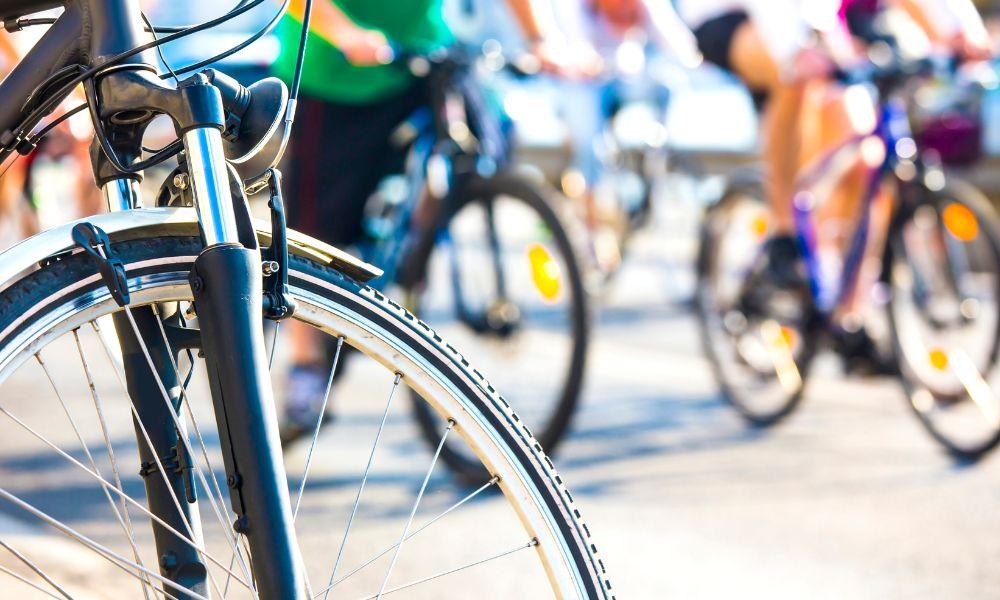
Choose a hybrid bike for most casual and commuting use, a road bike for pavement speed, or a mountain bike for trails. Get properly fitted at a bike shop rather than guessing from a size chart, and budget for a helmet, lock, and lights alongside the bike itself.
Key takeaways
- Match bike type honestly to how you will actually ride.
- Proper shop fitting prevents discomfort that discourages new riders.
- A helmet, lock, and lights are genuine essentials, not optional.
- Practice basic skills in a low-traffic area before busier roads.
Buying your first bike comes down to matching bike type to how you actually plan to ride — commuting, fitness, trail riding, or casual recreational use each favor a genuinely different bike category, and getting a proper size and fit at a real bike shop matters more for long-term comfort and enjoyment than any specific brand or feature list. The short answer: identify your primary riding purpose first, get properly sized at a shop rather than guessing from an online size chart, and budget for basic accessories — a helmet, lock, and lights — alongside the bike itself rather than treating them as optional afterthoughts.
Short version. Hybrid bikes suit most casual and commuting riders well, road bikes favor pavement speed and distance, and mountain bikes handle trail and off-road riding. Proper fit, confirmed by an actual bike shop fitting rather than an online size chart alone, prevents the discomfort that causes many new riders to abandon cycling within the first season. A quality lock, a properly fitted helmet, and basic lights are genuine essentials, not optional upgrades.
Choosing the right bike type for how you actually ride
Hybrid bikes, combining elements of road and mountain bike design, offer a versatile, comfortable option well-suited to casual riding, commuting, and general recreational use on a mix of paved paths and light gravel, making them the honest default recommendation for most new riders who are not certain yet exactly what kind of riding they will end up doing most. Road bikes prioritize speed and efficiency on pavement with a more aggressive riding position, appealing to riders focused on fitness, distance, or road cycling specifically, while mountain bikes are built for trail riding and off-road terrain with more robust suspension and tire options that add weight and rolling resistance that is unnecessary and counterproductive for pavement-only riding.
Be honest with yourself about how you will actually use the bike rather than buying for an aspirational riding style you might not actually pursue. A mountain bike bought for occasional aspirational trail riding that ends up used almost exclusively for commuting on pavement is a genuinely suboptimal choice compared to a hybrid or road bike that would have served the actual use case far better.
Why proper fit matters more than most beginners realize
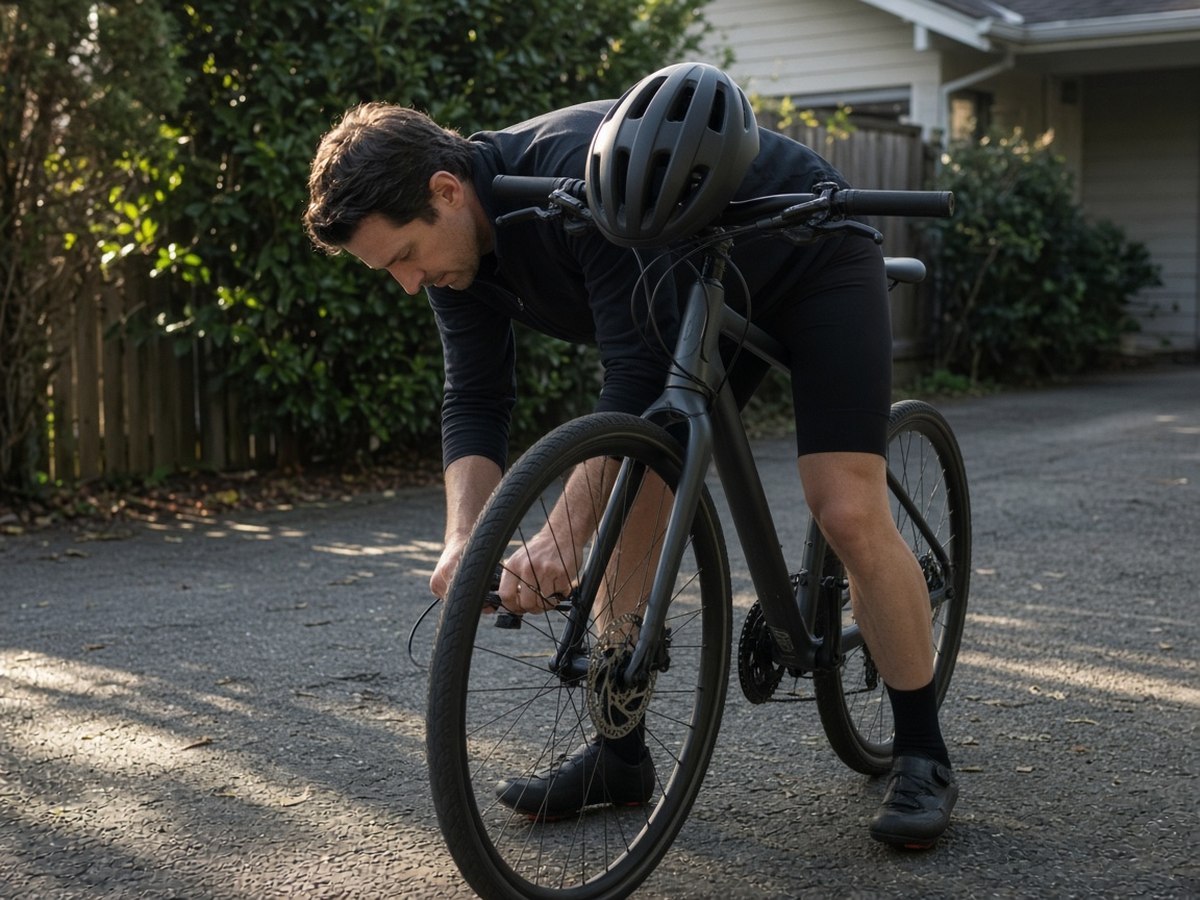
A bike that is the wrong size or fit causes genuine discomfort — knee pain from an improperly positioned seat, back and shoulder strain from incorrect reach to the handlebars, and general riding discomfort that discourages many new riders from continuing to ride at all. A proper bike shop fitting, which typically accounts for your height, inseam length, flexibility, and intended riding style, produces a meaningfully better outcome than relying solely on a generic size chart based on height alone.
Even a correctly sized frame benefits from fine-tuning adjustments — seat height, seat fore-aft position, and handlebar height — that a knowledgeable shop employee can help dial in during your initial purchase, and revisiting these adjustments after your first several rides, once you have real riding experience to inform what feels right, often produces further meaningful comfort improvements.
Buying from a local bike shop versus a big-box store
Bikes sold through dedicated bike shops typically come properly assembled by trained mechanics, with a knowledgeable staff member available to help with fit and initial questions, compared to big-box store bikes that are often only partially assembled by staff without specialized bicycle mechanical training, resulting in bikes that may not shift or brake correctly out of the box. The higher price at a dedicated bike shop compared to a big-box store often reflects this genuine difference in assembly quality, fitting service, and ongoing support rather than pure markup.
Many local bike shops also offer a free tune-up within the first few months of a new bike purchase, addressing cable stretch and other adjustments that naturally occur as a new bike breaks in, which is a genuinely valuable service that a big-box store purchase typically does not include.
Essential accessories beyond the bike itself
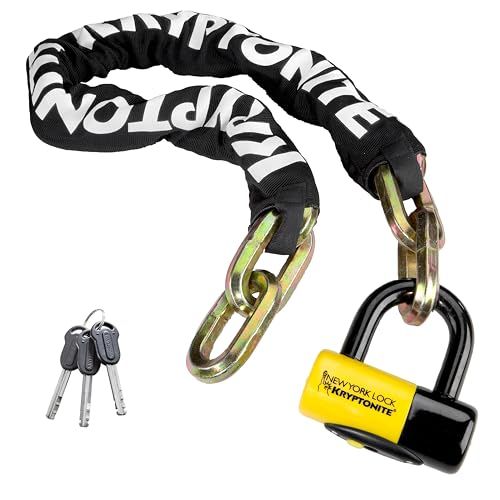
A properly fitted helmet is a genuine, non-negotiable safety essential for any new rider, and helmet fit matters as much as bike fit — a helmet that sits too high, too loose, or at an incorrect angle provides significantly reduced protection in an actual fall or collision. A quality lock is equally essential for anyone who will park their bike in public, since bike theft is common enough in most areas that an inexpensive, easily defeated lock essentially guarantees eventual loss.
Lights, even for riders who do not plan to ride regularly after dark, are worth having for the occasional ride that runs later than planned or for improved visibility during dawn and dusk conditions when many drivers have reduced visibility of cyclists on the road.
Basic maintenance every new bike owner should learn
Checking and maintaining proper tire pressure, keeping the chain clean and lubricated, and knowing how to identify when brakes need adjustment are basic maintenance skills that every bike owner benefits from learning early, since a well-maintained bike rides more smoothly, lasts longer, and is genuinely safer than a neglected one. Many local bike shops offer basic maintenance classes specifically for new riders, and this is a worthwhile investment for anyone planning to ride regularly rather than relying entirely on shop visits for every minor adjustment.
Setting a realistic budget that includes accessories
Budget for the bike itself plus a helmet, lock, lights, and a basic repair kit including a spare tube and a way to inflate it, since these accessories are genuine essentials rather than optional add-ons, and failing to budget for them upfront often means either an unsafe or poorly protected bike, or an unexpected additional expense shortly after the initial purchase. A reasonable beginner setup, including these essentials, typically costs meaningfully more than the bike's sticker price alone, and planning for this total cost upfront prevents an unpleasant surprise.
Building confidence through low-stakes practice rides
New riders, especially those returning to cycling after years away or riding seriously for the first time as an adult, benefit from practicing basic skills — starting, stopping, shifting gears, and signaling turns — in a low-traffic parking lot or quiet neighborhood street before attempting busier roads or unfamiliar trails. Building this foundational comfort and confidence before venturing into more challenging riding conditions prevents the kind of overwhelming first experience that can discourage a new rider from continuing to build the habit.
Finding a riding community as a new cyclist
Local cycling clubs, beginner-friendly group rides, and online cycling communities specific to your area offer genuine value for new riders — route recommendations, riding companionship, and practical advice from more experienced riders who have already solved many of the common beginner questions and challenges. Seeking out this kind of community, even informally through a local bike shop's regular group ride, can meaningfully accelerate both skill development and overall enjoyment of cycling as a new rider.
Buying a used bike as a budget-friendly starting point
A well-maintained used bike from a reputable source — a local bike shop's used inventory, a bike co-op, or a private seller you can inspect in person — can be an excellent value for a new rider who is not yet certain about their long-term commitment to cycling, avoiding the full cost of a new bike before you know how much you will actually ride. Inspect any used bike carefully for frame damage, worn brake pads, and drivetrain condition, or better yet, have a bike shop perform a quick inspection before you commit to a purchase, since a bike with hidden mechanical issues can end up costing more in repairs than the savings from buying used in the first place.
Cycling-specific clothing: helpful but not immediately essential
Padded cycling shorts, moisture-wicking jerseys, and clipless pedal systems with compatible shoes all genuinely improve comfort and performance for regular riders, but new riders should not feel obligated to invest in a full cycling wardrobe before their first few rides. Start with comfortable, non-restrictive regular clothing and basic flat pedals, and invest in cycling-specific gear gradually as you determine how much and what kind of riding you will actually be doing regularly, rather than buying a complete kit upfront based on what serious cyclists use.
Electric bikes as a growing beginner option
Electric bikes have become a genuinely popular option for new riders, particularly those returning to cycling after a long break, riders with physical limitations that make traditional cycling more difficult, or commuters facing hilly terrain or longer distances than they could comfortably manage on a traditional bike. The added weight, cost, and battery maintenance considerations of an e-bike are real trade-offs worth weighing honestly against the genuine accessibility and range benefits before deciding whether an e-bike or a traditional bike better fits your specific situation and riding goals.
Storage and security when not riding
Proper bike storage, ideally indoors in a garage or dedicated storage area rather than left outside exposed to weather, extends a bike's lifespan considerably by protecting components from rust and UV degradation that outdoor storage accelerates. If indoor storage is not available, a quality weatherproof bike cover combined with the lock already discussed provides meaningful protection, though it remains a less ideal long-term solution than genuine indoor, secured storage for anyone serious about protecting their investment in a new bike.
| Bike type | Best for | Trade-off |
|---|---|---|
| Hybrid | Casual riding, commuting, mixed terrain | Not optimized for pure speed or technical trails |
| Road bike | Speed, distance, pavement-focused fitness riding | Less comfortable and versatile for mixed terrain |
| Mountain bike | Trail and off-road riding | Heavier, less efficient on pavement-only riding |
Our take: match bike type honestly to how you will actually ride, get properly fitted at a real bike shop, and budget for a helmet, lock, and lights as genuine essentials alongside the bike itself. Building basic maintenance skills and finding a riding community rounds out a strong start as a new cyclist.
Growing into more advanced gear as your riding evolves
As you log more miles and better understand your own riding preferences, it becomes far easier to make informed decisions about upgrades — a more performance-oriented bike, cycling-specific clothing, or clipless pedals — based on real experience rather than guessing upfront what a serious cyclist is supposed to own. Let your actual riding habits, not aspirational plans, guide these later investments, and you will end up with a setup genuinely suited to how you ride rather than one assembled around assumptions made before you had any real riding experience to draw on. That patient, experience-driven approach is what separates a lasting cycling habit from an expensive gear closet.
Frequently asked questions
What type of bike should a beginner buy?
A hybrid bike suits most casual riders and commuters well. Choose a road bike for pavement speed and distance, or a mountain bike specifically for trail and off-road riding.
Why does bike fit matter so much?
An improperly fitted bike causes knee pain, back strain, and general discomfort that discourages many new riders from continuing to ride. A proper shop fitting accounts for more than height alone.
Should I buy a bike from a bike shop or a big-box store?
A dedicated bike shop typically provides properly assembled bikes, professional fitting, and follow-up tune-up service, which often justifies the higher price over a big-box store bike.
What accessories do I need beyond the bike itself?
A properly fitted helmet, a quality lock, lights, and a basic repair kit with a spare tube are genuine essentials, not optional add-ons, and should be budgeted alongside the bike.
How do I build confidence as a new cyclist?
Practice basic skills like starting, stopping, and shifting in a low-traffic parking lot or quiet street before riding busier roads or unfamiliar trails.
Do I need to learn bike maintenance myself?
Basic skills like tire pressure checks, chain lubrication, and brake inspection are worth learning early, since a well-maintained bike rides more smoothly and safely than a neglected one.