
Fiskars X7 vs Gerber Freescape 31-002536
Written by John Wren|
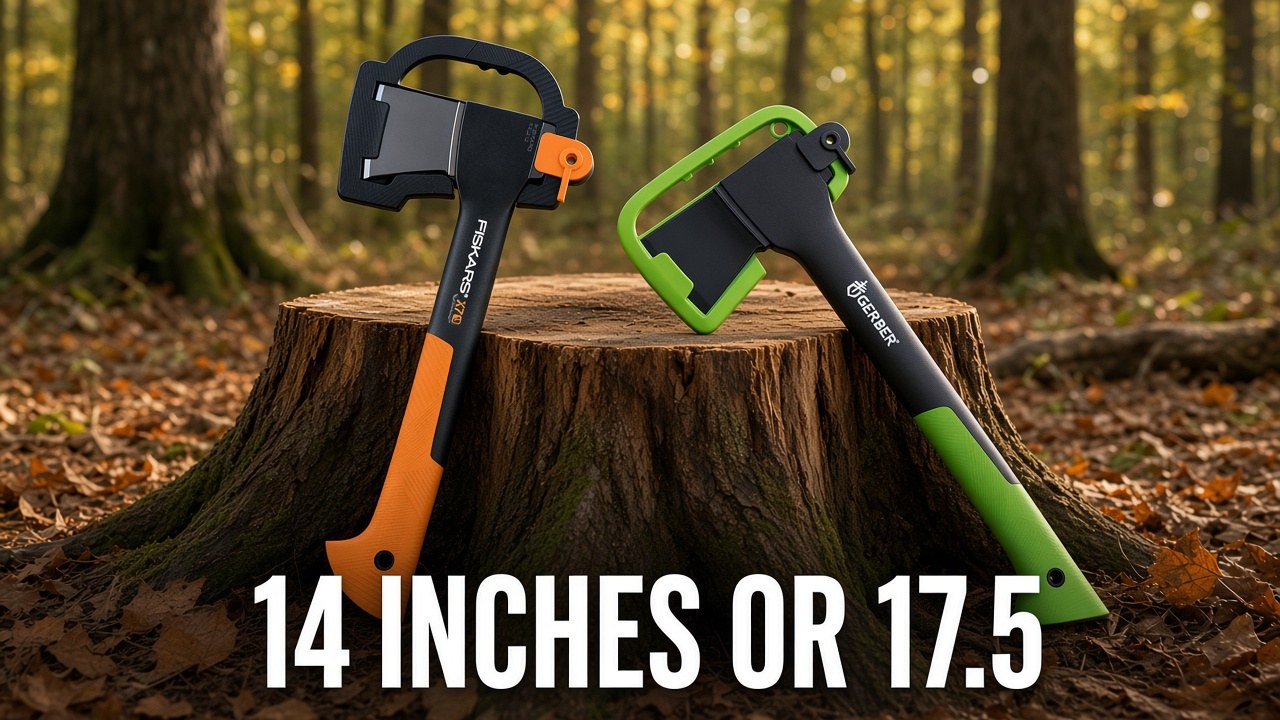
Choose the Fiskars X7 when the job is kindling and wrist-thick wood and you already own a saw. The handle is composite. Choose Gerber model 31-002536, the Freescape, when you want one package that chops, saws, and taps stakes, and you will respect the short bit. Neither one is a maul.
Key takeaways
- The X7 is a light hatchet with a composite handle.
- 31-002536 is the Gerber Freescape: bit, nested saw, hammer poll.
- Use a saw for the cuts that bind an axe.
- Sheath the edge that is not in your hand.
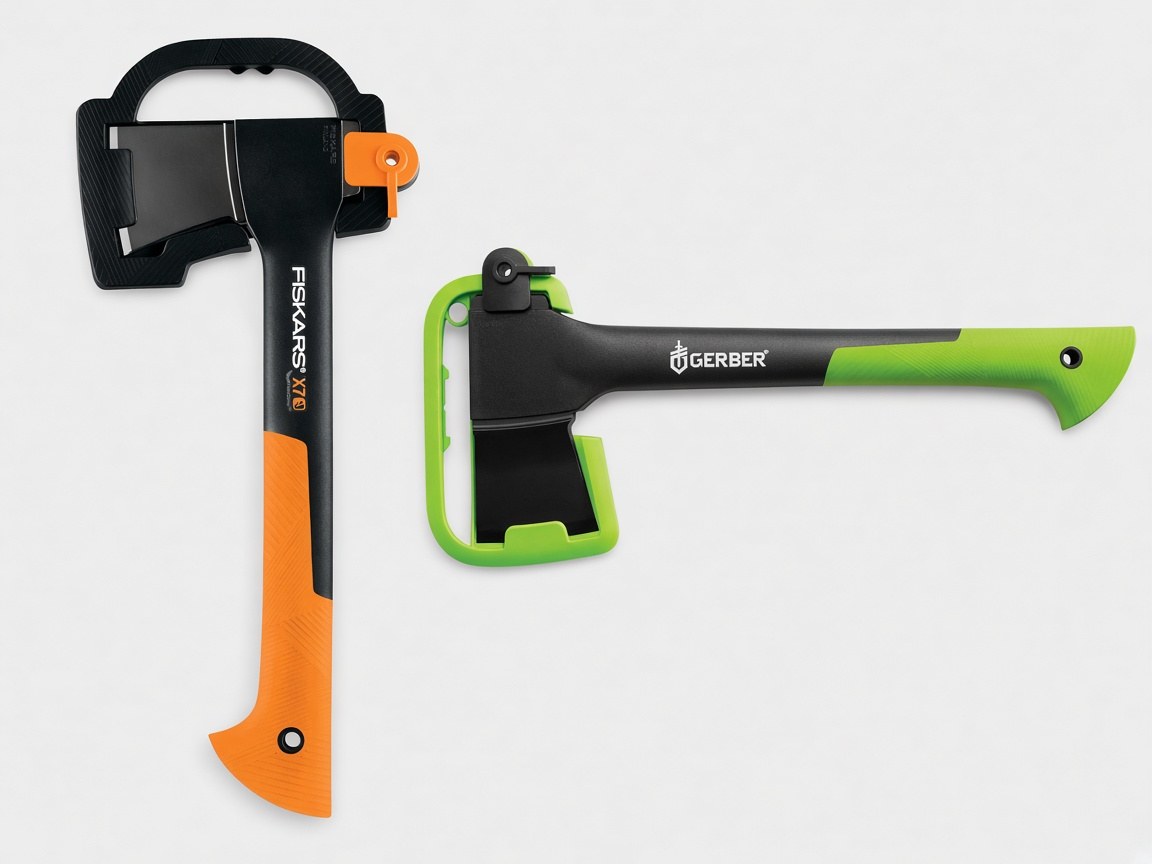
The Fiskars X7 is the better tool when the job is splitting kindling and limbing small wood, and you want a light hatchet you can swing all afternoon. The Gerber Freescape is the better tool when you want one camp axe that also saws and hammers, and you accept a shorter edge in exchange for not carrying a second tool. They overlap at “process firewood.” They are not the same object.
A camp axe earns its place when the wood is already on the ground and you need it small enough to burn. It does not replace a saw for bucking logs, and it does not replace a splitting maul for rounds the size of a truck tire. People get hurt when they ask a 14-inch hatchet to do a maul’s job, or when they chop into the dirt and then look surprised at the chip in the edge. Pick the tool for the wood you actually have.
The X7 as a hatchet
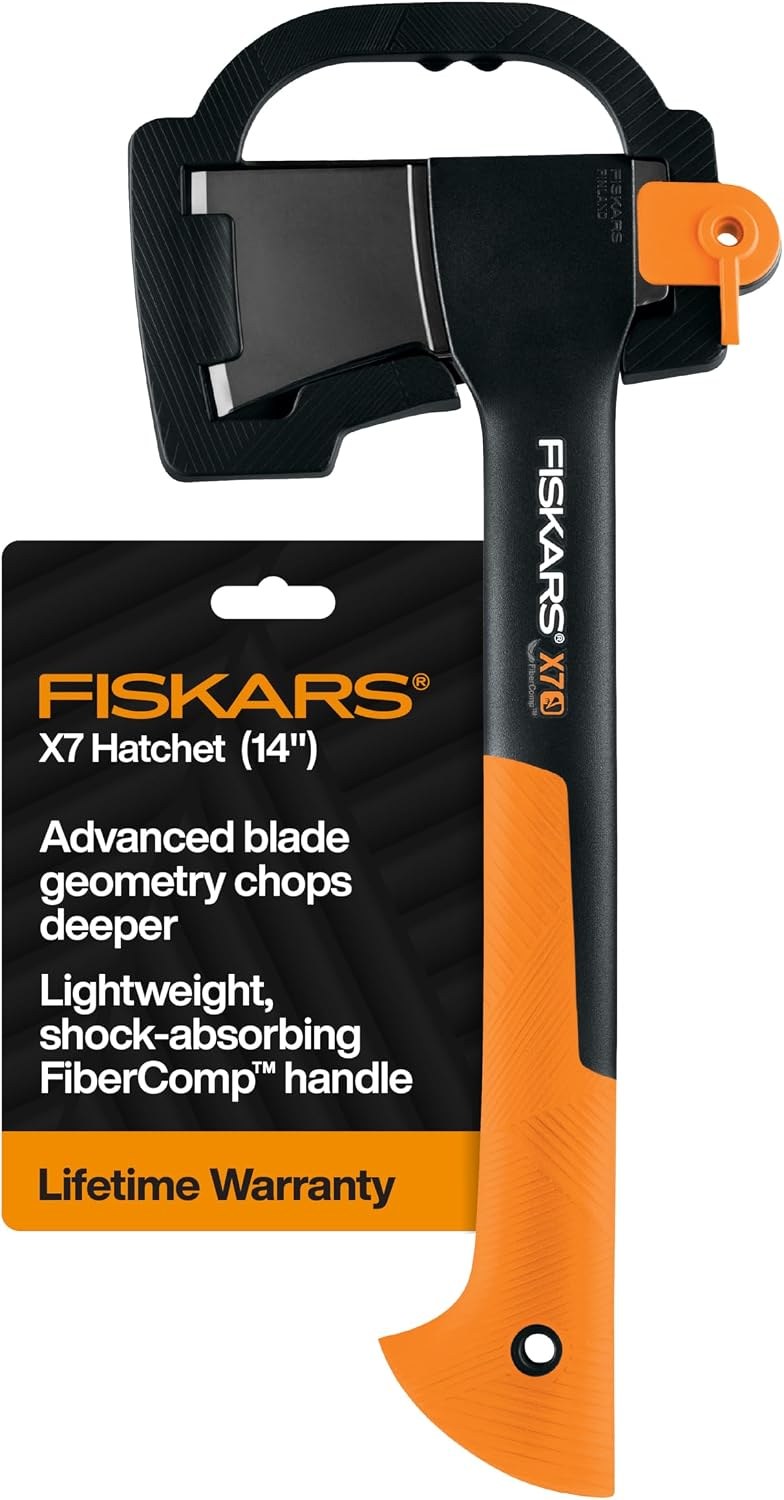
The X7 is Fiskars’ small hatchet. The head is a forged shape on a hollow composite handle, with the same idea as the larger X-series axes: a light swing, a bit that bites, and a handle you can hold when your hands are cold. The length is in the hatchet class, short enough for one hand and long enough that you are not choking up on the head. For wrist-thick branches, stove wood, and the kindling pile next to a tent, it is the right size. For anything you would buck with a bow saw, leave it in the pack and use the saw.
The edge comes sharp. Keep it that way with a file or a puck, and stop before you turn it into a razor you are afraid to use. A camp edge is keen enough to cut wood and stout enough to survive a knot. The composite handle does not soak up rain the way a neglected hickory handle does. It also does not get a new handle at the hardware store when you finally break one. Treat it as a tool you will own intact, not as a head you will rehang.
The Freescape as a camp system
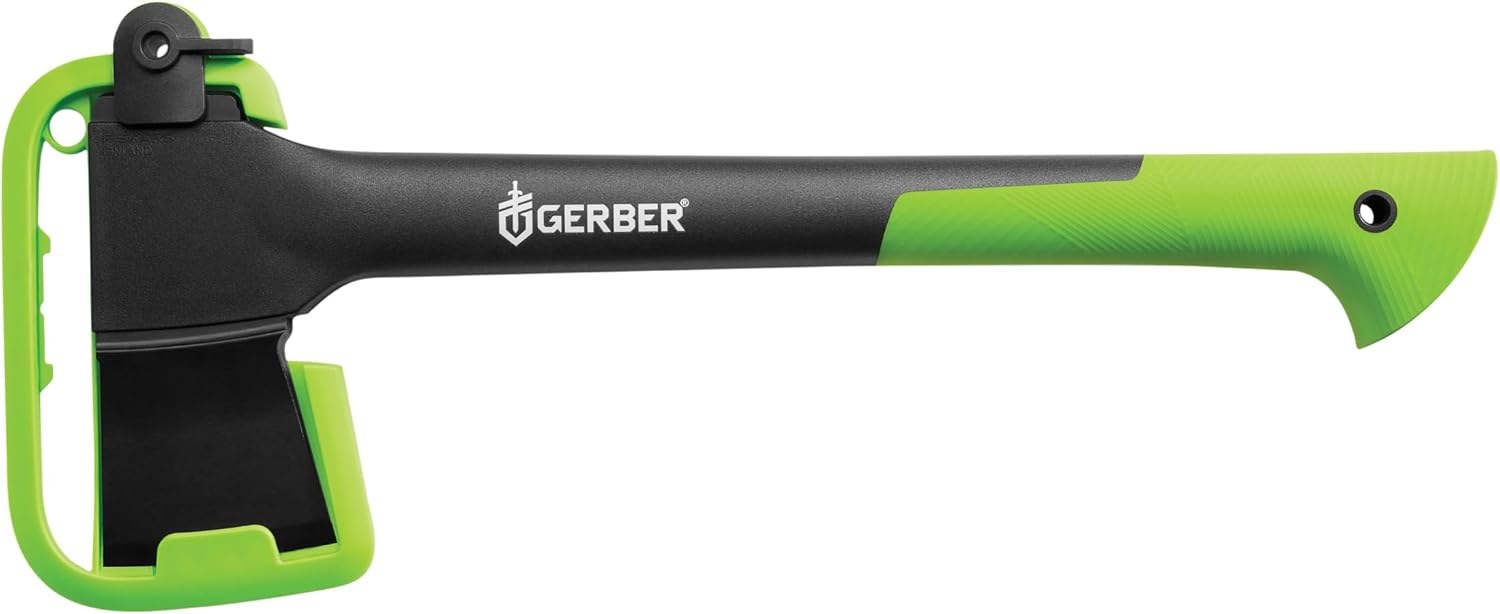
The Freescape is a short camp axe with a saw that nests into the handle and a poll you can use as a hammer. That is the sales pitch and it is also the honest description. You get an edge for splitting and light chopping, a saw for the cuts an axe does badly, and a hammer face for stakes. The whole package is compact enough for a vehicle kit or a canoe box. It is the tool you bring when the alternative is an axe plus a saw plus a mallet, and you do not want three things.
The compromises are real. The axe head is smaller than a dedicated hatchet of the X7’s class, so splitting a stubborn piece takes more swings. The saw is a camp saw, not a trail bow saw with a fresh blade you can swap in thirty seconds at any outfitter. The hammer poll is for tent stakes and the occasional wedge, not for driving a splitting wedge all afternoon. Used inside those limits, the Freescape replaces a pile of tools. Used outside them, it feels busy and underpowered, which is the usual review from someone who wanted a boy’s axe and bought a multi-tool instead.
Safety that is not optional
Cut away from your leg. That sentence is the whole safety briefing if you remember it when you are tired. A hatchet used between the knees, or on a log that can roll, is how camp trips end at urgent care. Set the wood on a chopping block, not on the dirt and not on a flat rock that will send the bit into your shin when it misses. If you do not have a block, kneel beside the work and swing so a miss hits the ground outside your body, not the ground between your feet.
Gloves help until they don’t. A loose glove on the handle is worse than a bare hand. Eye protection is cheap and worth it when a dry stick explodes. A sheath on either tool, whenever it is not in your hand, is part of the tool. The X7’s sheath and the Freescape’s nested saw both exist so the edge is covered in a pack. A bare bit in a duffel is a hospital bill.
Do not throw either one. Do not hand either one to a child to “try.” Do not chop overhead. None of this is advanced. It is the difference between a tool and a story.
Edge care in camp
A nick from a rock is the repair you will actually do. Carry a small file. Joint the nick out, restore the bevel, and stop. A mirror polish is a shop project. Sap comes off with a little solvent or warm water, then dry the head so you are not putting a wet tool away. The Fiskars handle can be wiped down. The Gerber’s saw blade should be dry before it goes back into the handle, or the next trip starts with rust on the teeth.
Sharpen the saw when it stops pulling chips and starts polishing the kerf. A dull camp saw makes people reach for the axe on a cut the saw should have made, which is how axes get stuck in logs. If the Freescape saw is dull, fix the saw. Do not “just chop it.”
Which kit each one belongs in
Put the X7 in a camp box next to a folding saw, and use each for its job. The hatchet splits and limbs. The saw bucks. That pair is lighter to use, all afternoon, than any combo tool, because neither implement is compromised. It is also two things to sheath and two things to lose.
Put the Freescape in the truck, the canoe, or the bug-out bin where one object has to cover stakes, kindling, and a few saw cuts. It is the better only-tool. It is the worse tool on a week-long camp where you are processing wood every evening and you already have room for a real saw.
Neither belongs in a checked airline bag without you reading the carrier’s rules, and neither is a substitute for a chainsaw on a blowdown across a road. Scale the tool to the wood. A hatchet on a 12-inch trunk is how people get exhausted and careless.
What the clip shows
The clip is a Fiskars X7 review that also swings a different hatchet, not the Gerber Freescape. You will see the X7’s size and a hollow handle. You will not see the Freescape saw or the hammer poll. Model 31-002536 is the Gerber in the product photo, not the tool in the film.
What to buy
Buy the Fiskars X7 if you want a light hatchet and you already own, or will own, a saw. Buy the Gerber Freescape if you want one sheathed package that saws, chops, and taps stakes, and you will respect the size of the head. A camp that does both — a truck kit and a dedicated firewood kit — can justify both. A camp that buys both and then only uses one of them bought one too many.
The kit around the edge
An axe is not a shelter and it is not a bug dope. If the trip is wet and the mosquitoes are the actual problem, a repellent you already know matters more than a second hatchet. The X7 processes wood. The Freescape, model 31-002536, processes wood and also saws and taps stakes. Neither one keeps you from getting wet. Hang a tarp or get in the tent before you celebrate the kindling.
Sheath the tool you are not swinging. The X7’s bit cover and the Freescape’s nested saw exist so a pack is not a cut hazard. A file belongs in the same box. A nick from a rock is the repair you will do. A mirror edge is a shop project you will not do at the fire. Stop when the bevel is keen enough to cut the wood you have, and stop chopping when you are tired enough to miss. The miss is the injury. The brand on the handle is not.
Count the pieces in the Freescape before you leave the driveway. A saw blade that is not in the handle is a saw you will not have at camp, and you will use the axe for a cut the saw should have made. That is how hatchets stick in logs. If the blade is there, dry it before it goes home. The X7’s composite handle does not want oil. The saw blade does.
Which edge you are actually buying
The X7 is a hatchet. The handle is composite and hollow. You do not oil it, and you do not rehang it at the hardware store. The edge is the part you file. Model 31-002536 is the Gerber Freescape camp axe: a short bit, a saw that lives in the handle, and a poll you can tap a stake with. If the box arrives without the saw, you bought a different configuration or you lost the blade in the packing paper. Look before you throw the paper out.
Use the X7 on wrist-thick wood and kindling. Use the Freescape saw on the cuts that would bind an axe. Use the poll on stakes. Stop there. A maul is a different tool, and a pocket knife is a different tool. People get hurt when the hatchet is asked to buck a log that a saw should have started. Set the wood on a block, swing so a miss misses your leg, and put the sheath on when you walk back to the tent. That is the whole ownership manual that matters on the first night. Gloves that fit are fine. Gloves that slip on the handle are worse than bare hands. Eye protection is cheap the one time a dry stick explodes.
Frequently asked questions
Can the X7 split a full round of firewood?
It can split small rounds and kindling. A knee-high round from a hardwood trunk is maul work, or saw work until the pieces are small enough. Using the X7 on wood that size is slow and it is how the bit finds your leg.
Is the Freescape saw good enough to replace a bow saw?
For limbs and small bucks, yes. For firewood you would cut with a 21-inch bow saw, no. The nested blade is a camp saw with a short stroke. Bring a real saw if the wood is serious.
Which one is safer in a pack?
Whichever one is sheathed. The X7 has a bit sheath. The Freescape stows the saw in the handle and covers the edge as part of the design. A bare edge in a pack is the unsafe one, regardless of brand.
Do I need to oil the Fiskars handle?
No. It is a composite handle, not hickory. Wipe it clean and keep the head dry. Oil is for the Gerber saw blade and for any steel you do not want to pit, not for the X7’s shaft.
Can I use the Freescape hammer on a splitting wedge?
You can start a small wedge. You should not spend an afternoon driving steel wedges with the poll. That is a job for a maul or a hammer meant for it. The poll is for stakes and light taps.
Are these legal to carry hiking?
Rules depend on the land. A lot of parks allow a small axe or hatchet for campers and prohibit them on trails where fires are banned anyway. Check the unit you are visiting. A legal tool you do not need is still weight.